What Makes Gujarat a Unique Travel Region
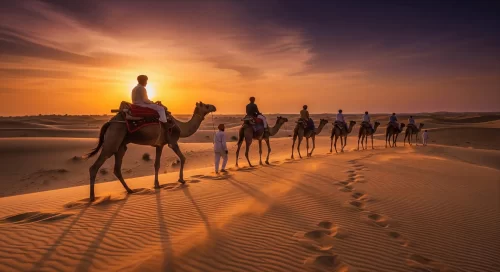
Gujarat is a western Indian state defined by desert landscapes, a long Arabian Sea coastline, historic trade routes, and strong regional identity. Unlike Himalayan or forest-dominant states, Gujarat’s terrain includes salt marshes, semi-arid plains, coastal towns, and dry deciduous forests. Travel here often combines temple circuits, stepwell architecture, wildlife reserves, and seasonal festivals. The state has relatively strong road connectivity, making multi-city circuits practical. Gujarat attracts travelers interested in heritage structures, craft traditions, religious sites, and landscapes shaped by both desert ecology and maritime history.
- Geography: Salt deserts, coastal stretches, semi-arid plains, and forested wildlife zones.
- Culture: Distinct Gujarati traditions, craft heritage, and historic mercantile influences.
- Travel vibe: Heritage-focused, festival-driven, and road-trip friendly.
- Distinct experience type: Desert festivals, temple circuits, stepwell exploration, and wildlife safaris.
Popular Tourist Circuits Across Gujarat
Travel in Gujarat is organized across wide geographic zones including desert landscapes, long coastline stretches, central heritage cities, forest reserves, and semi-arid plains. Distances between regions are large, and road travel often involves several hours of highway driving. The climate varies significantly, with extreme summer heat in inland areas and milder coastal conditions. Certain wildlife reserves operate under fixed safari timings, while desert regions may have seasonal accessibility considerations. Practical planning usually focuses on one regional cluster at a time over 4 to 6 days rather than attempting full state coverage in a short duration.
| Circuit Type |
Areas Covered (generic descriptions only, no place names) |
Ideal Duration (realistic and safety based) |
Travel Style |
| Desert and Salt Flat Circuit |
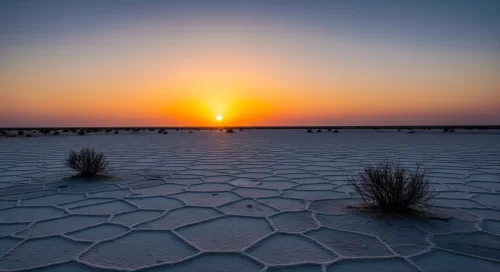
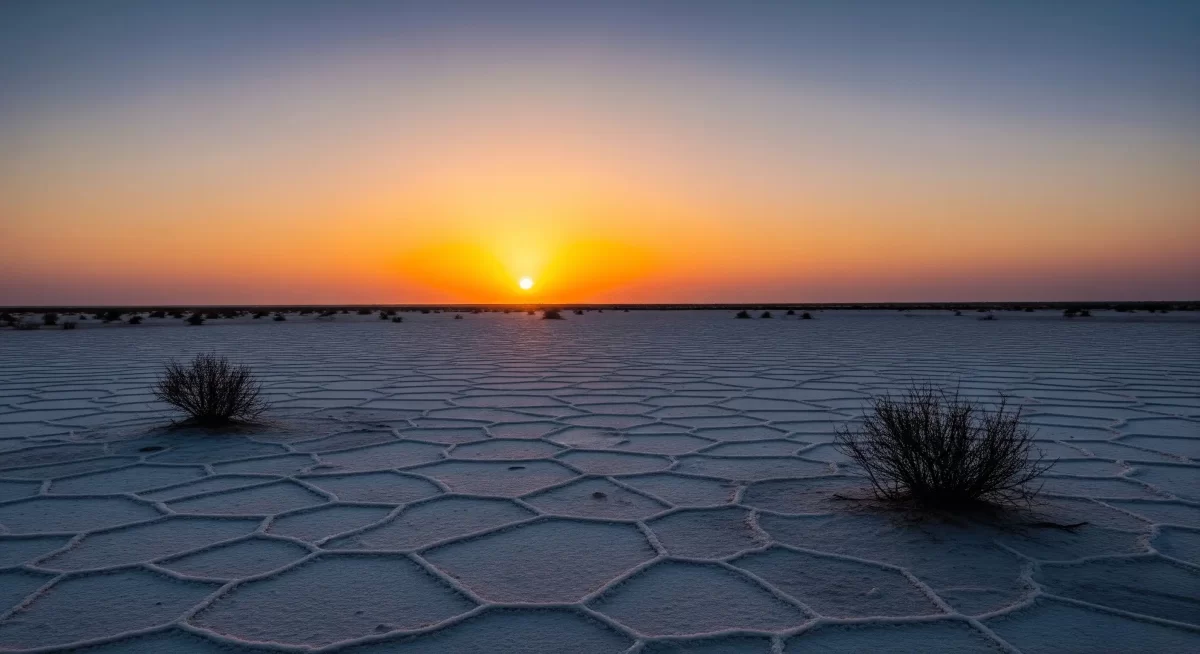
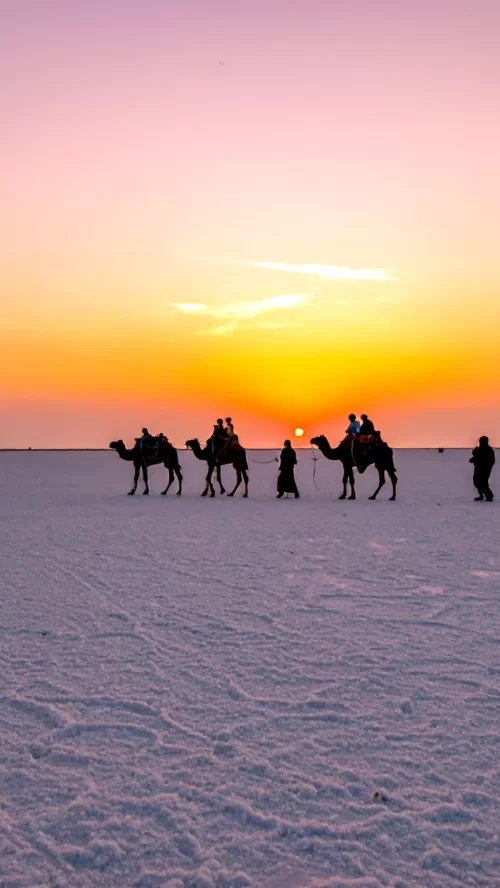
White salt plains, semi-arid grasslands, border desert settlements |
3–4 days |
Highway-based travel with long drives and seasonal planning |
| Coastal and Pilgrimage Circuit |
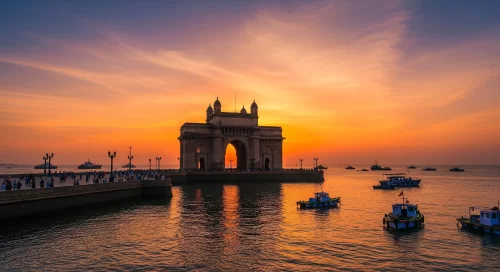
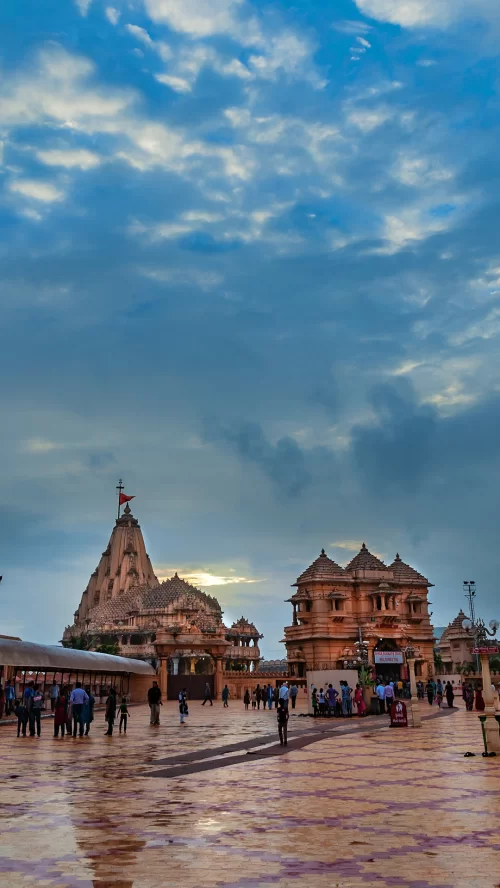
Arabian Sea coastline, temple towns, fishing harbors, beach stretches |
3–5 days |
Leisure road journey with coastal drives and religious visits |
| Heritage and Architectural Circuit |
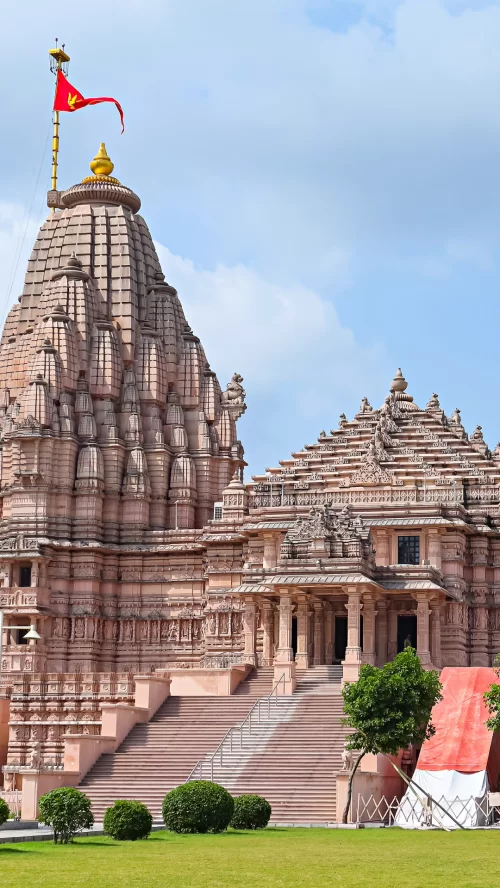
Historic walled cities, stepwells, palaces, ancient temple complexes |
4–6 days |
Road-based exploration focused on history and architecture |
| Wildlife and Forest Circuit |
Dry deciduous forests, grassland reserves, protected lion habitats |
3–4 days |
Safari-oriented travel with regulated forest entry timings |
| Extended Cross-Region Circuit |
Desert landscapes, heritage cities, coastal belt, and forest reserves combined gradually |
8–12 days |
Phased highway journey with climate-based seasonal planning |
Best Time to Travel to Gujarat
The best time to travel to Gujarat depends on your comfort with dry heat and whether you prefer pleasant winter exploration or vibrant seasonal landscapes.
| Season |
Months |
Weather Conditions |
Travel Suitability |
| Winter |
November to February |
Cool to pleasant temperatures with dry air and clear skies |
Highly suitable for heritage visits, desert experiences, wildlife exploration, and outdoor sightseeing with comfortable daytime conditions |
| Summer |
March to June |
Hot and dry weather, especially in inland and desert regions |
Suitable for early morning and evening exploration, particularly for travelers accustomed to warmer climates |
| Monsoon |
July to October |
Moderate rainfall with refreshed landscapes and slightly cooler temperatures |
Ideal for travelers who enjoy greener surroundings and a calmer atmosphere during their visit |
How Travelers Usually Explore Gujarat
Travelers usually enter Gujarat through Ahmedabad Airport, Vadodara Airport, or major railway stations such as Ahmedabad and Rajkot. Ahmedabad commonly serves as the primary starting base, with onward circuits toward the Rann of Kutch, Gir National Park, Somnath, Dwarka, or the Statue of Unity. Travel pacing is generally comfortable due to strong highway infrastructure, though distances between regions can be long. Most itineraries are designed as thematic circuits—wildlife, pilgrimage, desert, or heritage—rather than attempting to cover the entire state in one trip.
- Road Travel: The main mode of exploration; well-maintained highways connect Ahmedabad, Bhuj, Gir, Dwarka, and Somnath.
- Rail: Gujarat has strong rail connectivity linking major cities including Ahmedabad, Rajkot, Vadodara, and Bhuj.
- Local Transport: Taxis and app-based cabs operate in cities; private vehicles are preferred for intercity travel.
- Day Trips vs Circuits: Statue of Unity and Modhera suit day trips from Ahmedabad, while Kutch, Saurashtra, and Dwarka–Somnath require multi-day circuits.
Culture, Food & Everyday Life in Gujarat
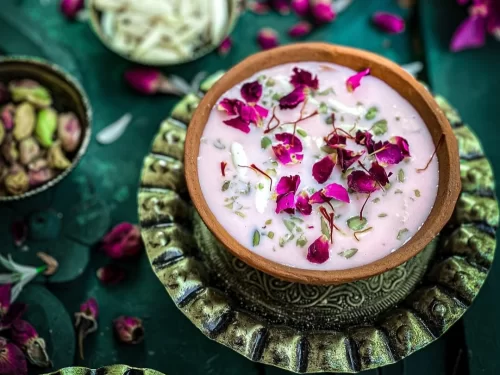
Life in Gujarat is shaped by arid plains, long coastlines, and a strong trading history that has influenced both lifestyle and mindset. Limited rainfall in many regions encourages water-conscious living and practical daily routines, while coastal and mercantile traditions foster enterprise and mobility. Social behavior often reflects community cohesion, business acumen, and visible pride in language and heritage. Vegetarian food habits are widespread, influenced by climate, trade patterns, and cultural values — meals tend to balance sweetness, spice, and preservation suited to dry conditions. The pace of life can feel industrious yet socially warm; travelers often notice energetic markets, disciplined work culture, and a confident identity grounded in resilience and commerce.
- Trade-influenced, enterprise-driven lifestyle
- Water-conscious routines shaped by semi-arid climate
- Predominantly vegetarian, balanced food culture
- Energetic yet community-rooted social rhythm




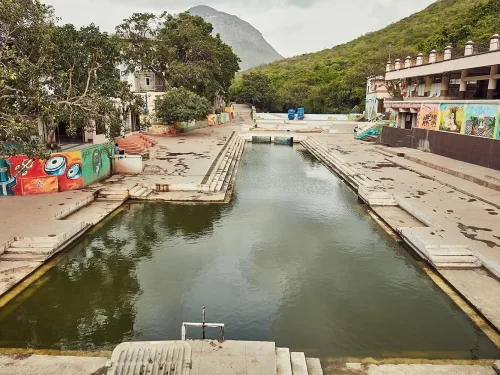 Kund
Kund
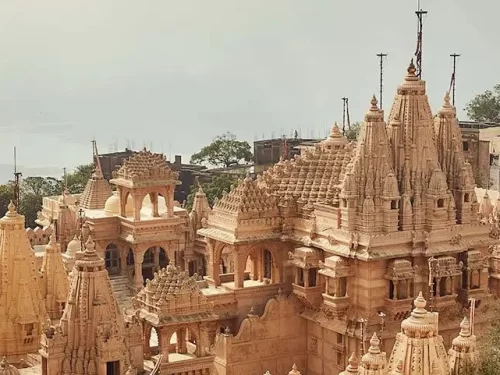 Pilgrimage Site