Quick Facts About Sunaparanta Goa Centre for the Arts
| Entry Fee | Free |
| Timings | 10:00 - 18:30 |
| Altitude (m) | 10 |
| Ideal Visit Duration (hrs) | 2 |
| Best Time of Day | Morning |
| Crowd Level | Moderate |
| Distance from Panaji (km) | 1 |
| Walking Difficulty | Moderate |
| Parking Available | No |
| Last Mile Access | Road |
| Suitable for Kids | Yes |
| Suitable for Seniors | Yes |
| Wheelchair Friendly | No |
Why Visit Sunaparanta Goa Centre for the Arts
Visitors come to Sunaparanta Goa Centre for the Arts in Panaji to view rotating contemporary art exhibitions featuring Goan and Indian artists across painting, photography, sculpture, and mixed media. The center regularly hosts curated shows, workshops, film screenings, and talks, making it a cultural stop beyond traditional heritage sites.
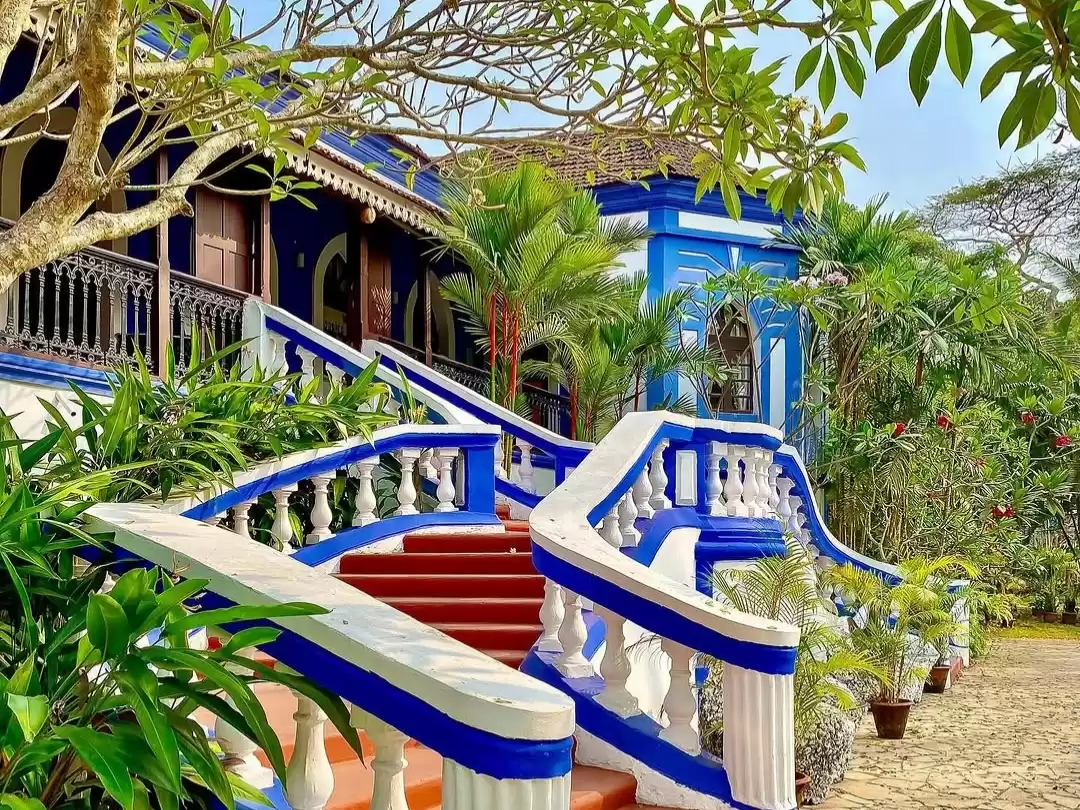
On the ground, the atmosphere is quiet and gallery-focused, set within a restored Indo-Portuguese house with tiled floors, wooden staircases, and shaded balconies. Exhibitions are displayed in compact indoor rooms, and visitors typically move slowly through the space before stopping at the in-house café in the courtyard.
What makes Sunaparanta distinct for travelers is its emphasis on contemporary visual culture within a heritage structure in central Panaji. Unlike large museums or religious monuments, it offers a smaller, curated art experience that connects present-day creative work with Goa’s architectural setting.
History of Sunaparanta Goa Centre for the Arts, North Goa
Sunaparanta Goa Centre for the Arts in North Goa is a contemporary art space located in Altinho, Panaji. Established in 2006, the centre operates from a restored Portuguese-era house and focuses on promoting visual arts, design, and cultural dialogue in Goa.
The venue hosts rotating exhibitions featuring Indian and international artists, along with workshops, film screenings, talks, and educational programs. Its galleries are arranged across multiple rooms of the heritage structure, creating an intimate setting for viewing paintings, photography, installations, and mixed-media works.
In addition to exhibition spaces, the centre includes a courtyard café and event areas that are used for cultural gatherings. Sunaparanta functions as an active platform for contemporary art engagement in Panaji rather than a historical museum, with programming that changes throughout the year.
Best Time to Visit Sunaparanta Goa Centre for the Arts, North Goa
Sunaparanta Goa Centre for the Arts can be visited throughout the year, but the most comfortable time is during Goa’s cooler, dry months when walking around Panaji and exploring nearby heritage streets is easier.
- Ideal months: November to February
- Best season weather: Pleasant temperatures (around 20–32°C), lower humidity, and dry conditions, making it comfortable to combine gallery visits with time in the outdoor courtyard and nearby Fontainhas lanes.
- Periods to avoid: June to September if you plan to explore surrounding areas on foot, as heavy monsoon rain can affect movement between attractions; April and May afternoons can be very hot and humid, especially in open courtyard spaces.
How to Reach Sunaparanta Goa Centre for the Arts, North Goa
- Nearest airport: Manohar International Airport (GOX), Mopa – approx. 30 km; Goa International Airport (GOI), Dabolim – approx. 28 km. Prepaid taxis and app-based cabs are available at both airports. Travel time generally ranges from 45 minutes to 1.5 hours depending on traffic conditions.
- Nearest railway station: Karmali Railway Station – approx. 12 km. Madgaon (Margao) Railway Station – approx. 35 km for broader connectivity. From Karmali, taxis are the most convenient option as bus connectivity to central Panaji may require a change.
- Road access: Sunaparanta Goa Centre for the Arts is located in Altinho, Panaji, accessible via NH66 and internal city roads leading uphill. Roads are paved but narrow and slightly steep in sections approaching Altinho.
- Last-mile connectivity: Taxis and rental scooters can reach directly at the entrance. Public buses stop at central Panaji (Kadamba Bus Stand, approx. 1.5 km away), followed by a short taxi ride or uphill walk. Limited roadside parking is available near the centre.
What to Expect When You Visit Sunaparanta Goa Centre for the Arts, North Goa
- Environment and surroundings: Sunaparanta Goa Centre for the Arts is housed in a restored Portuguese-era building in Altinho, Panaji. The setting is quiet and residential, with a courtyard, tiled roofs, and shaded verandas. The galleries are compact and contemporary in layout, showcasing rotating exhibitions of modern and contemporary art.
- Facilities and amenities: Entry is typically free, though special exhibitions or events may have separate arrangements. The centre includes gallery spaces, a small on-site café, and basic restroom facilities. There is no large commercial infrastructure; the space remains intimate and community-focused.
- Accessibility and movement: The centre is accessible by road via the Altinho hill route, with limited parking nearby. Movement inside is straightforward across ground-floor galleries and courtyard areas, though some sections may involve steps. Wheelchair accessibility may be partial depending on the specific gallery room layout.
- Typical visitor behavior and conditions: Visitors include art enthusiasts, students, and participants attending workshops or talks. The atmosphere is calm and conversational rather than crowded. Footfall varies depending on ongoing exhibitions, film screenings, or cultural events.
- Practical limitations to plan for: The centre operates during fixed daytime hours and is closed on specific weekdays. Exhibition themes change periodically, so the experience depends on what is currently on display. Signage is minimal, and detailed interpretation may rely on brochures or staff interaction when available.
Important Visitor Information and Safety for Sunaparanta Goa Centre for the Arts, North Goa
- Crowd and weather notes: Visitor numbers increase during exhibition openings, workshops, and cultural events, particularly between November and February. The galleries are indoors and climate-controlled, but the courtyard and surrounding Altinho area can feel hot in summer afternoons and damp during monsoon.
- Peak and quiet visiting hours: Late afternoons (4:00 PM–6:30 PM) tend to see higher footfall, especially on event days and weekends. Weekday mornings soon after opening are generally quieter for viewing exhibitions without interruption.
- Dress code: There is no formal dress code, but smart casual and respectful attire is appropriate for a contemporary art space hosting cultural programs.
- Safety notes and practical cautions: Photography policies may vary by exhibition, so check signage before taking photos. Do not touch displayed artworks, maintain low noise levels during events, and supervise children within gallery spaces.
Photography and Viewpoints at Sunaparanta Goa Centre for the Arts, North Goa
- Best viewpoints and angles: The Indo-Portuguese villa housing the centre is best photographed from the front courtyard, where the white façade, arched verandahs, and tiled rooflines can be framed symmetrically. Slightly angled shots from the garden side help include surrounding greenery and balcony details. Inside the galleries, position yourself at room corners for wider exhibition views, and step to the side of framed works or installations to minimize reflections from protective glass.
- Time-of-day and lighting: Morning light offers even illumination on the exterior façade and courtyard. Interiors use controlled gallery lighting, which is generally soft and focused on artworks. Natural light entering through verandahs and windows is strongest before midday, while late afternoon may create stronger contrasts along corridor spaces.
- Rules and restrictions: Photography policies vary depending on the exhibition; some contemporary shows permit non-flash photography, while others may restrict it entirely. Flash and tripods are typically not allowed inside gallery spaces. Drone use is not permitted within the premises due to its urban location and event programming.
- Crowds and access factors: Visitor numbers are moderate but can increase during exhibition openings and cultural events. Gallery rooms are compact, limiting space for wide framing when crowded. Visiting during weekday mornings generally allows clearer views of installations and easier movement between rooms.