Quick Facts About Houses of Goa Museum
| Entry Fee | 100 |
| Timings | 10:00 - 19:00 |
| Altitude (m) | 20 |
| Ideal Visit Duration (hrs) | 1 |
| Best Time of Day | Morning |
| Crowd Level | Moderate |
| Distance from Panaji (km) | 9 |
| Walking Difficulty | Moderate |
| Parking Available | No |
| Last Mile Access | Road |
| Suitable for Kids | Yes |
| Suitable for Seniors | No |
| Wheelchair Friendly | No |
Why Visit Houses of Goa Museum
Visitors come to the Houses of Goa Museum in Porvorim, North Goa to understand the evolution of Goan residential architecture through scale models, drawings, and curated exhibits. Founded by architect Gerard da Cunha, the museum explains how climate, materials, and Indo-Portuguese influences shaped traditional Goan homes.
On the ground, the atmosphere is compact and design-focused, housed inside a distinctive circular building elevated on columns. Exhibits are arranged across levels with labeled displays and architectural sketches, and visits are typically self-paced with a short indoor exploration rather than a long gallery circuit.
What makes the Houses of Goa Museum distinct for travelers is its specialized focus on domestic architecture rather than monuments or religious structures. It provides practical insight into verandahs, balcaos, courtyards, and decorative elements that visitors often notice while walking through neighborhoods like Fontainhas.
History of Houses of Goa Museum, North Goa
Houses of Goa Museum in North Goa is a private architecture museum located in Penha de França, near Porvorim. It was founded by architect Gerard da Cunha to document and interpret the evolution of Goan residential architecture.
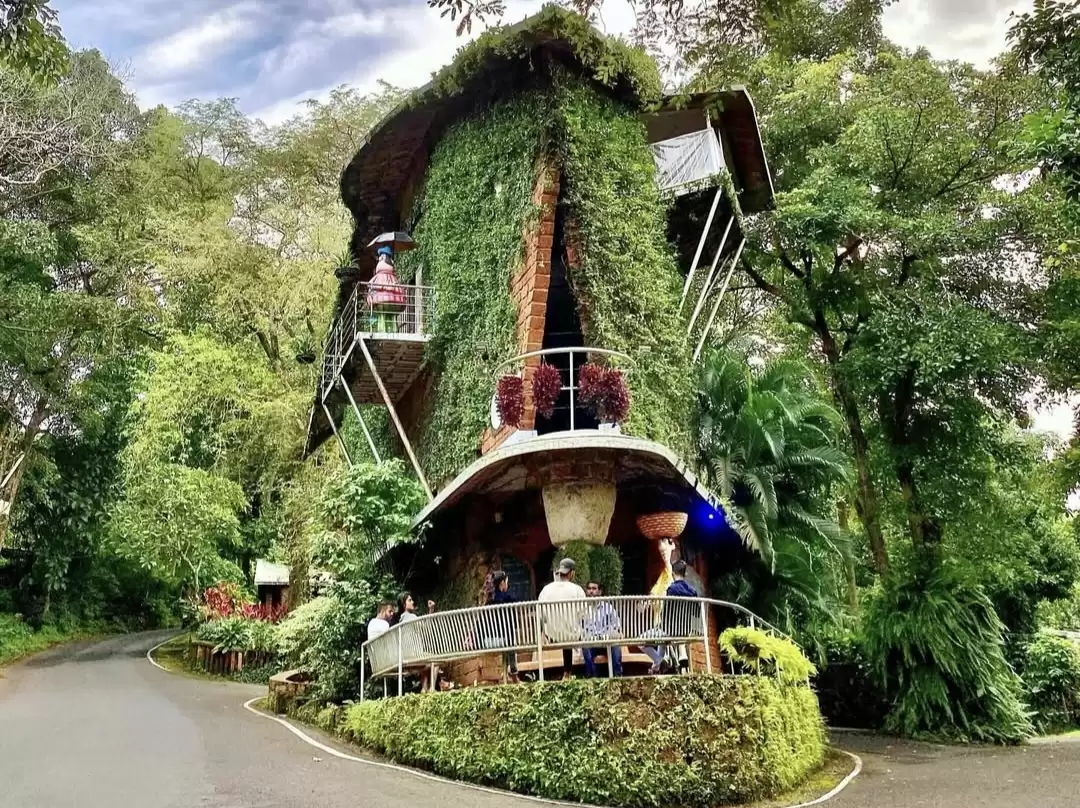
The museum building itself is a distinctive laterite-and-glass structure designed by the founder, shaped to resemble a ship. Inside, galleries display scale models, photographs, architectural drawings, and household elements that explain the layout, materials, and design influences of traditional Goan homes, including Indo-Portuguese features such as balcaos, oyster-shell windows, and ornamental façades.
The exhibits focus specifically on domestic architecture rather than broader regional history, offering visitors a structured look at how climate, local materials, and colonial influence shaped Goan houses. The museum operates on fixed public timings and typically requires entry tickets for access to its exhibition floors.
Best Time to Visit Houses of Goa Museum, North Goa
Houses of Goa Museum can be visited throughout the year, but the most comfortable time is during Goa’s cooler, dry months when walking around the hilltop property and nearby areas is easier.
- Ideal months: November to February
- Best season weather: Pleasant daytime temperatures (around 20–32°C), lower humidity, and dry conditions, making it comfortable to explore the open sections of the spiral-designed structure and surrounding viewpoints.
- Periods to avoid: June to September if you prefer dry access, as heavy monsoon rainfall can make approach roads and outdoor areas slippery; April and May afternoons can be very hot and humid, especially in exposed sections of the property.
How to Reach Houses of Goa Museum, North Goa
- Nearest airport: Manohar International Airport (GOX), Mopa – approx. 34 km; Goa International Airport (GOI), Dabolim – approx. 32 km. Prepaid taxis and app-based cabs are available at both airports. Travel time typically ranges from 1 to 1.5 hours depending on traffic.
- Nearest railway station: Thivim Railway Station – approx. 18 km. Karmali Railway Station – approx. 20 km. From either station, taxis are the most practical option as direct bus connectivity to the museum is limited.
- Road access: The museum is located in Torda, Porvorim, along the Panaji–Mapusa route (NH66 service road). Roads are well maintained, but traffic congestion is common during peak hours and tourist season.
- Last-mile connectivity: Taxis and rental scooters can reach directly at the museum entrance. Local buses on the Panaji–Mapusa route stop at Porvorim, followed by a short walk. Limited on-site parking is available.
What to Expect When You Visit Houses of Goa Museum, North Goa
- Environment and surroundings: Houses of Goa Museum is located in Salvador do Mundo near Porvorim, set slightly away from busy tourist zones. The building itself is circular and distinctive in design, surrounded by a quiet residential neighborhood with greenery and open views around the structure.
- Facilities and amenities: Entry is ticketed at a modest fee, payable at the reception counter. The museum is compact, with exhibits focused on Goan residential architecture, construction techniques, and historical home layouts. Basic restroom facilities are available, but there are no large cafés or commercial outlets within the premises.
- Accessibility and movement: The museum is accessible by road with limited on-site parking available. Movement inside involves navigating a spiral ramp structure connecting levels. While the ramp design reduces the need for stairs, the internal layout is relatively narrow in sections and may limit full wheelchair maneuverability.
- Typical visitor behavior and conditions: Visitors typically include architecture students, heritage enthusiasts, and small tourist groups. The space remains quiet, with visitors moving slowly to read display panels and examine models. Crowd levels are generally low compared to major churches and beaches.
- Practical limitations to plan for: The museum operates during fixed daytime hours and is closed on specific weekdays. Interpretation panels are informative but limited in interactive elements. Since it is a niche museum, visits are usually short unless you are specifically interested in Goan architecture.
Important Visitor Information and Safety for Houses of Goa Museum, North Goa
- Crowd and weather notes: The museum generally has light to moderate footfall, with slightly higher numbers from November to February and on weekends. As parts of the structure are semi-open, afternoons from March to May can feel warm, while monsoon months bring damp exterior pathways.
- Peak and quiet visiting hours: Late mornings (11:00 AM–1:00 PM) tend to see more visitors, especially on weekends. Early opening hours on weekdays are typically the quietest for exploring the exhibits comfortably.
- Dress code: There is no formal dress code, but comfortable attire and footwear are advisable due to staircases and elevated sections within the spiral-designed structure.
- Safety notes and practical cautions: The internal staircases are narrow and circular, requiring careful footing. Supervise children closely on upper levels, follow photography guidelines if posted, and note that the museum remains closed on designated weekly holidays.
Photography and Viewpoints at Houses of Goa Museum, North Goa
- Best viewpoints and angles: The museum’s distinctive ship-like structure is best photographed from across the narrow approach road, where you can frame its curved façade, circular windows, and exposed staircases in full view. Shooting from slightly below the front elevation emphasizes the layered balconies and bold geometric lines. Inside, stand along the central spiral staircase to capture the vertical design and interconnected levels, while corner angles work well for documenting architectural models and Goan house elements on display.
- Time-of-day and lighting: Morning light illuminates the front façade evenly and reduces glare on the pale exterior walls. By midday, strong overhead sun can create deep shadows beneath balconies and staircases. Interior spaces rely on natural light from windows and openings, which is strongest before early afternoon.
- Rules and restrictions: Photography is generally allowed inside the museum, but flash photography may be restricted to protect exhibits. Tripod use is usually limited due to compact interior spaces. Drone use is not permitted within the premises because of its residential surroundings.
- Crowds and access factors: The museum is relatively small and can feel tight when tour groups arrive. Narrow staircases and multiple levels limit space for wide-angle setups. Visiting during weekday mornings allows clearer interior movement and less obstruction around the central staircase.