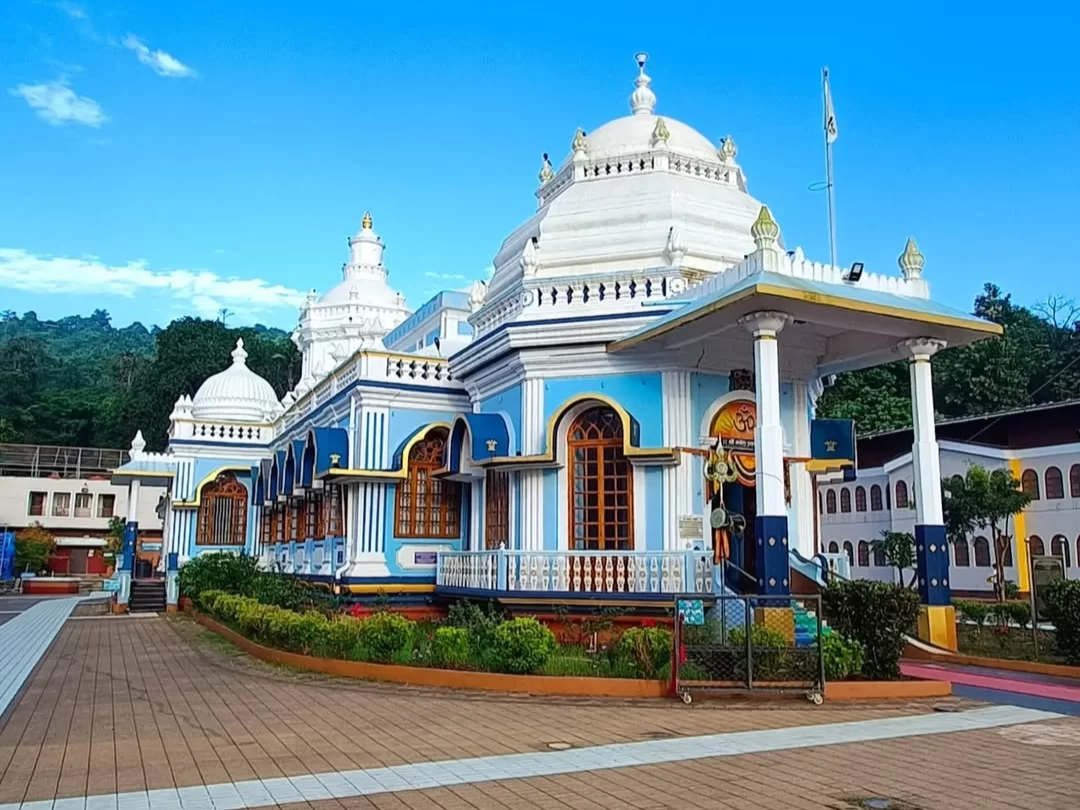
Shree Mangesh Temple, Mangeshi, Ponda, South Goa, India

Shree Mangesh Temple , South Goa
Tourists visit Shree Mangesh Temple for its distinctive white Goan temple architecture, seven-storey lamp tower (deepastambha), and active religious ceremonies. The temple complex is well-maintained and draws both pilgrims and visitors exploring Goa’s inland heritage beyond the coastal areas.

Quick Facts About Shree Mangesh Temple

Quick Facts: Shree Mangesh Temple, South Goa

Entry Fee No entry fee
Timings Generally open daily: 6:00 AM – 10:00 PM (darshan access may pause during afternoon rituals)
Altitude (m) ~40 m above sea level
Ideal Visit Duration 30–60 minutes
Best Time of Day Early morning for quieter darshan and temple rituals
Crowd Level Moderate; high during Maha Shivaratri and major Hindu festivals
Distance from City Centre (km) ~22 km from Margao city centre
Walking Difficulty Easy; paved temple courtyard with minimal steps
Parking Available Yes; designated parking area near temple complex
Last Mile Access Direct road access via Priol village; short walk from parking to temple entrance
Suitable for Kids Yes; supervision required during crowded festival days
Suitable for Seniors Yes; manageable walking distances within complex
Wheelchair Friendly Partly; courtyard accessible but some areas may require assistance
```

Why Visit Shree Mangesh Temple

Visitors come to Shree Mangesh Temple in Mangeshi village, South Goa to worship Lord Mangesh, an incarnation of Lord Shiva, and to see one of Goa’s most prominent Hindu temple complexes. The temple attracts steady daily devotees, with higher footfall during aarti ceremonies and annual temple festivals.

On the ground, the atmosphere is devotional and orderly, with visitors entering through a white gateway into a clean courtyard centered around a tall, multi-tiered ???????? (lamp tower). Footwear is removed before entry, and the main sanctum area can have short queues during peak prayer times, especially on weekends and auspicious days.

What makes Shree Mangesh Temple distinct for travelers is its bright white façade, symmetrical temple layout, and prominent lamp tower set against a green village backdrop. Unlike the coastal attractions of South Goa, this site offers a structured temple visit within a traditional settlement setting.

History of Shree Mangesh Temple, South Goa

Shree Mangesh Temple in South Goa, located at Mangeshi village in Ponda taluka, is dedicated to Lord Mangesh, a form of Lord Shiva. The original temple is believed to have stood in Kushasthali (present-day Cortalim) but was relocated inland to Mangeshi in the 16th century to protect it during the period of Portuguese religious persecution.

The present temple structure was developed and expanded in the 18th century under the patronage of local Hindu communities and benefactors. Its architecture reflects Goan temple style, with a prominent seven-storeyed deepastambha (lamp tower), a domed sanctum, pillared halls, and a temple tank within the complex.

Shree Mangesh Temple remains an active place of worship and is closely associated with the Saraswat Brahmin community of Goa. Major festivals such as Mahashivratri draw devotees from across the state, and visitors are required to follow customary temple guidelines, including removing footwear before entering the premises.

Best Time to Visit Shree Mangesh Temple, South Goa

The most comfortable time to visit Shree Mangesh Temple is during Goa’s cooler, dry months, when temple visits and time spent around the open courtyard are easier in pleasant weather.

  • Ideal months: November to February
  • Best season weather: Comfortable daytime temperatures (around 20–32°C), lower humidity, and dry conditions, making darshan queues and walking around the temple complex more manageable.
  • Periods to avoid: June to September due to heavy monsoon rainfall that can make approach roads and temple surroundings wet and slippery; April and May afternoons can be intensely hot and humid, making waiting times less comfortable.
```

How to Reach Shree Mangesh Temple, South Goa

  • Nearest airport: Goa International Airport (GOI), Dabolim – approx. 22 km; Manohar International Airport (GOX), Mopa – approx. 45 km. Prepaid taxis and app-based cabs are available at both airports. Travel time from Dabolim typically ranges from 40 minutes to 1 hour depending on traffic.
  • Nearest railway station: Madgaon (Margao) Railway Station – approx. 26 km. Karmali Railway Station – approx. 17 km. From either station, taxis are the most practical option as direct bus connectivity to the temple is limited.
  • Road access: Shree Mangesh Temple is located in Mangeshi village, Ponda taluka, accessible via NH66 and internal Ponda roads. Roads are well maintained, though traffic increases during temple festivals and weekends.
  • Last-mile connectivity: Taxis and self-drive vehicles can reach directly near the temple entrance. Local buses operate to Ponda town, followed by a short taxi or auto ride to Mangeshi village. Parking is available near the temple complex but fills during major religious events.
```

What to Expect When You Visit Shree Mangesh Temple, South Goa

  • Environment and surroundings: Shree Mangesh Temple is located in Mangeshi village near Ponda, surrounded by greenery and low hills. The temple complex features a white façade, a prominent multi-storey ???????? (lamp tower), and a central courtyard. The setting is semi-rural and quieter than coastal tourist areas, with a devotional atmosphere throughout the day.
  • Facilities and amenities: Basic facilities include a footwear deposit area, drinking water points, and designated spaces for devotees to queue during darshan. Small shops selling flowers and puja items are located outside the temple premises. Public restrooms may be limited, and food options are usually outside the complex rather than inside.
  • Accessibility and movement: The temple is accessible by road from Ponda and other parts of Goa, with parking available near the entrance. Entry involves a few steps, and movement inside the courtyard is straightforward. During peak prayer times, queues form near the sanctum, slowing access to the inner shrine.
  • Typical visitor behavior and conditions: The temple primarily serves local devotees along with domestic tourists. Dress modestly, and follow temple customs such as removing footwear before entry. Photography may be restricted inside the sanctum. Crowd levels increase during major Hindu festivals and auspicious days.
  • Practical limitations to plan for: The open courtyard offers limited shade during midday, and humidity can make visits uncomfortable in warmer months. Entry may be temporarily paused during aarti or special rituals. As a functioning temple, visitor movement is secondary to ongoing religious practices.
```

Safety and Important Visitor Information for Shree Mangesh Temple, South Goa

  • Crowd and weather notes: The temple experiences high footfall during major Hindu festivals, especially Mahashivratri, and on weekends. From November to February, visitor numbers remain steady, while summer afternoons (March–May) can feel hot in the open courtyard areas. Monsoon months bring wet approach roads and slippery temple steps.
  • Peak and quiet visiting hours: Early morning aarti hours and evening prayer times are the busiest. Late mornings on weekdays, outside major ritual timings, are generally quieter for darshan.
  • Dress code: Modest traditional attire is expected. Visitors should wear clothing that covers shoulders and knees. Footwear must be removed before entering the temple premises.
  • Safety notes and practical cautions: The tiled flooring can become slippery during monsoon season. Follow queue systems during peak hours, avoid photography where restricted inside the sanctum area, and keep personal belongings secure during festival days.

Photography and Viewpoints at Shree Mangesh Temple, South Goa

  • Best viewpoints and angles: The most balanced composition is from the main courtyard entrance, where the white multi-storey deepastambha (lamp tower) stands aligned with the temple’s central structure behind it. Step a few metres to either side to capture the octagonal lamp tower in profile with the domed roof and arched mandapa visible. Wider shots from the courtyard steps help include the temple tank and surrounding greenery for context.
  • Time-of-day and lighting: Early morning light falls evenly on the white façade and minimizes glare, making architectural details clearer. Midday sun can create strong highlights and deep shadows around the lamp tower. During evening aarti, the illuminated tower and warm temple lighting create a different atmosphere, though low light requires steady handheld shooting.
  • Rules and restrictions: Photography is generally allowed in the outer courtyard areas but restricted inside the sanctum and inner prayer spaces. Flash photography is discouraged during rituals and prayer times. Drone use is not permitted due to religious guidelines and temple regulations.
  • Crowds and access factors: The temple experiences steady visitor flow, increasing during festivals and evening aarti. Courtyard space can become crowded, limiting symmetrical shots directly in front of the lamp tower. Visiting during weekday mornings provides clearer access and easier movement within permitted areas.

Near By Attraction

Dynamic leaping dolphin spotting Arabian Sea partly cloudy, featuring arched jump water splash turquoise ocean, perfect Goa dolphin safari boat tour package. Tourist Attraction

Dolphin Spotting

Experience the thrill of watching playful dolphins in their natural habitat along the scenic coastline of South Goa.
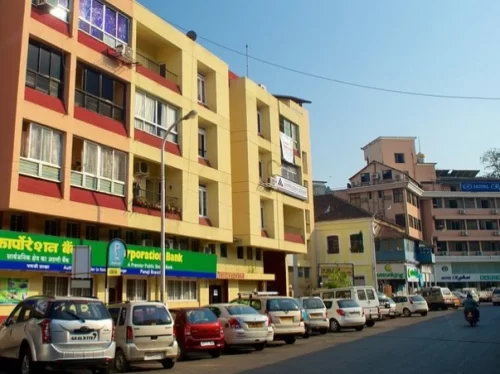
18th June Road Panaji Goa bustling market street with shops, banks and parked cars in city center Shopping Street

18th June Road

Primary commercial street in Panaji known for retail shops, cafés, and daily city activity.
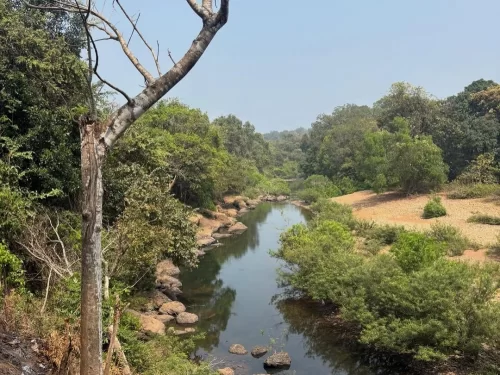
Cotigao Wildlife Sanctuary Goa dense forest reserve with river stream and lush greenery in South Goa Wildlife Sanctuary

Cotigao Wildlife Sanctuary

Protected forest area known for dense vegetation, walking trails, and watchtowers for wildlife observation.

Frequently Asked Questions About Shree Mangesh Temple

Shree Mangesh Temple Goa is located in Mangeshi village in Ponda taluka in North Goa. The temple complex is accessible by road from Panaji and Margao.
There is no entry fee to visit Shree Mangesh Temple Goa. Visitors can enter the temple premises free of charge.
Shree Mangesh Temple Goa is generally open daily from early morning to late evening with breaks in the afternoon. Timings may vary during festivals.
A visit to Shree Mangesh Temple Goa typically takes 45 minutes to 1.5 hours depending on prayer participation and time spent inside the complex.
Photography policies inside Shree Mangesh Temple Goa may vary. Visitors should follow on-site guidelines and respect religious practices.
Shree Mangesh Temple Goa is approximately 22 to 25 kilometers from Panaji. Travel time by car usually ranges between 40 to 50 minutes depending on traffic.
Parking facilities are available near Shree Mangesh Temple Goa in designated areas close to the temple complex.
Shree Mangesh Temple Goa provides prayer halls, shoe storage areas, and basic visitor amenities within the premises.
Shree Mangesh Temple Goa can be crowded during major Hindu festivals and annual temple celebrations. Weekdays are generally less busy.
Shree Mangesh Temple Goa is suitable for families visiting for religious purposes. Visitors are expected to wear modest clothing and follow temple decorum.

Loved this place ? Let’s Plan Your Goa Trip

Get customized Delhi tour planning designed around traffic flow, seasonal weather comfort, heritage site exploration time, and realistic city pacing. Whether you are visiting for historical monuments, cultural experiences, food walks, shopping districts,

⚡ Quick Response | 💰 Free consultation | 🕒 24×7 expert support

×

Plan Your Trip