+91 9910402252
admin@chalbanjare.com


| Entry Fee | Indian adult 50 rupees per person, child 25 rupees per person, foreign national 100 rupees per person |
|---|---|
| Timings | Open daily from 9 30 AM to 5 00 PM |
| Altitude (m) | Located at approximately 15 meters above sea level overlooking the Mandovi River |
| Ideal Visit Duration | One to two hours to explore fort walls galleries and river viewpoints |
| Best Time of Day | Late afternoon for cooler weather and scenic river views |
| Crowd Level | Moderate especially during tourist season from October to March |
| Distance from City Centre (km) | About 7 kilometers from Panaji city centre by road |
| Walking Difficulty | Moderate walking difficulty with sloped pathways and stair sections inside the fort |
| Parking Available | Yes parking available near the fort entrance area |
| Last Mile Access | Accessible by taxi scooter or private vehicle from Panaji and Candolim areas |
| Suitable for Kids | Yes suitable for children under supervision due to open fort walls and heights |
| Suitable for Seniors | Moderate suitability due to slopes and steps inside the fort |
| Wheelchair Friendly | Partially wheelchair accessible on lower levels but upper sections require stair access |
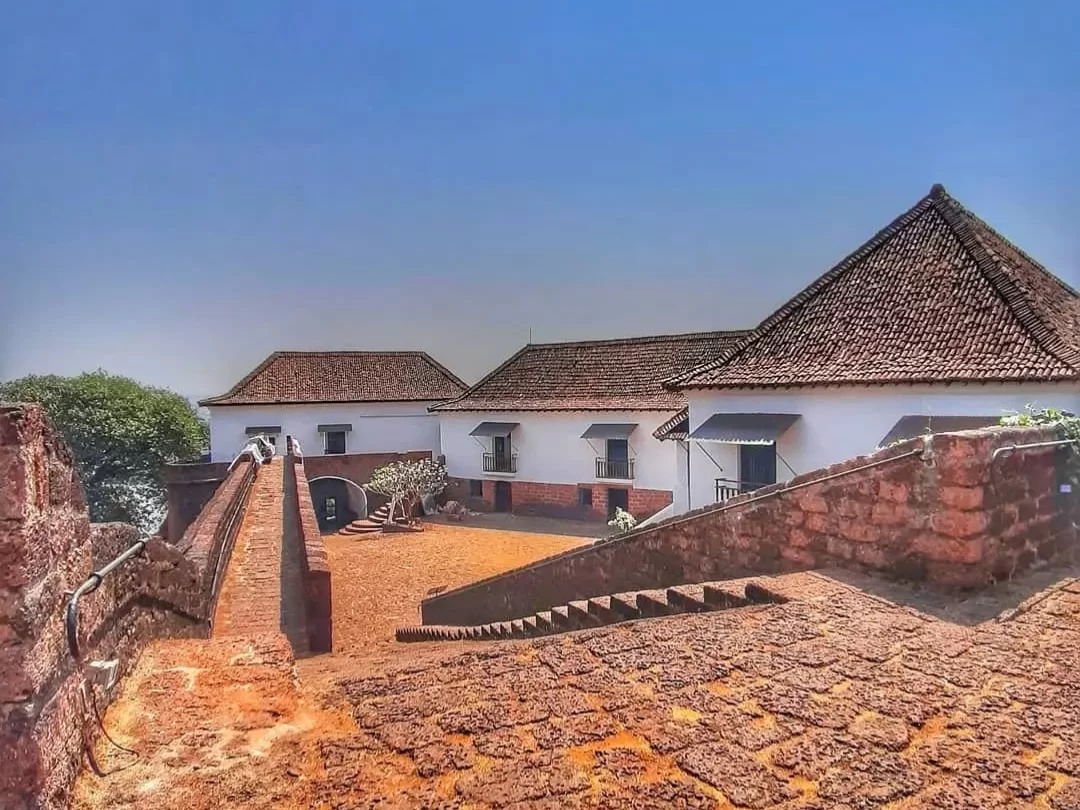
Atmosphere at Reis Magos Fort is historic and panoramic, offering visitors sweeping views of the Mandovi River and the Arabian Sea. Perched on a hilltop, the fort combines coastal breezes with centuries-old stone walls, creating an environment that feels both commanding and contemplative. The elevated setting provides a refreshing escape while immersing travelers in Goa’s layered past.
What makes Reis Magos Fort special is its well-preserved Portuguese-era architecture and strategic significance dating back to the 16th century. Originally built to defend Goa against invasions, the fort later served as a residence and even a prison before being restored as a cultural heritage site. Visitors can explore restored ramparts, exhibition galleries, and interpretive displays that narrate Goa’s colonial history. The scenic riverfront views and sunset vantage points add strong visual appeal to the historical exploration.
Beyond its architectural presence, Reis Magos Fort represents Goa’s colonial resilience and cultural evolution. It attracts history enthusiasts, photographers, and travelers seeking meaningful heritage experiences beyond beaches. The visit leaves guests with a deeper understanding of Goa’s maritime past and lasting impressions of its scenic and historic landscape.
Reis Magos Fort, located on the northern bank of the Mandovi River in Goa, was originally constructed in 1551 by the Portuguese to defend their territories against invasions by rival European powers and regional forces. Built on the site of an earlier fortification belonging to the Adil Shahi rulers of Bijapur, the fort became a key defensive structure guarding the entrance to the river and the capital city of Old Goa.
Strategically positioned on a hill overlooking the Mandovi estuary, Reis Magos Fort functioned as both a military outpost and a protective shield for Portuguese maritime trade routes. Over time, it was expanded and strengthened to withstand attacks, including threats from the Dutch and Marathas during the 17th century. The fort later served multiple roles, including as a residence for viceroys and, during certain periods, as a prison.
After Goa’s liberation in 1961, the fort fell into neglect before undergoing restoration in the early 21st century. Today, Reis Magos Fort stands as one of Goa’s best-preserved historical landmarks, offering insight into the region’s colonial military architecture and its pivotal role in coastal defense during Portuguese rule.
The best time to visit Reis Magos Fort in Goa depends on weather comfort and visibility, as the fort offers expansive views of the Mandovi River and surrounding coastline. Seasonal planning enhances both sightseeing and photography experiences.
November to March is considered the ideal period to visit. During these months, the weather is cool and pleasant with clear skies, making it comfortable to explore the fort’s pathways, galleries, and viewpoints without excessive heat or humidity.
Summer months from April to June can be warm, particularly during midday. Early morning or late afternoon visits are recommended to avoid peak heat while enjoying scenic river views and architectural exploration.
Monsoon season from June to September brings heavy rainfall and lush green surroundings. While the fort appears especially scenic against dramatic monsoon skies, stone pathways may become slippery, so visitors should exercise caution.
 Beach
Beach
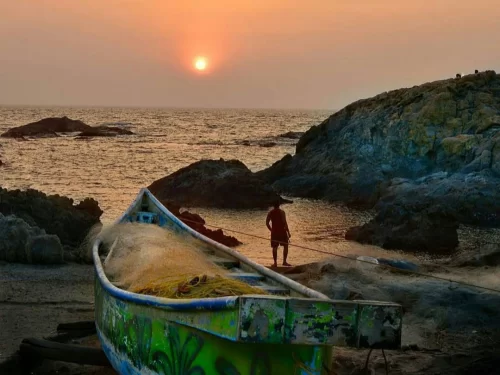
A stunning beach in North Goa known for its dramatic red cliffs, lively parties, and breathtaking sunsets.
 Tourist Attraction
Offshore floating casino operating on the Mandovi River with gaming floors, live entertainment, and dining facilities.
 Church
UNESCO-listed 17th-century Baroque church housing the mortal remains of St. Francis Xavier.
Get customized Delhi tour planning designed around traffic flow, seasonal weather comfort, heritage site exploration time, and realistic city pacing. Whether you are visiting for historical monuments, cultural experiences, food walks, shopping districts,
⚡ Quick Response | 💰 Free consultation | 🕒 24×7 expert support

