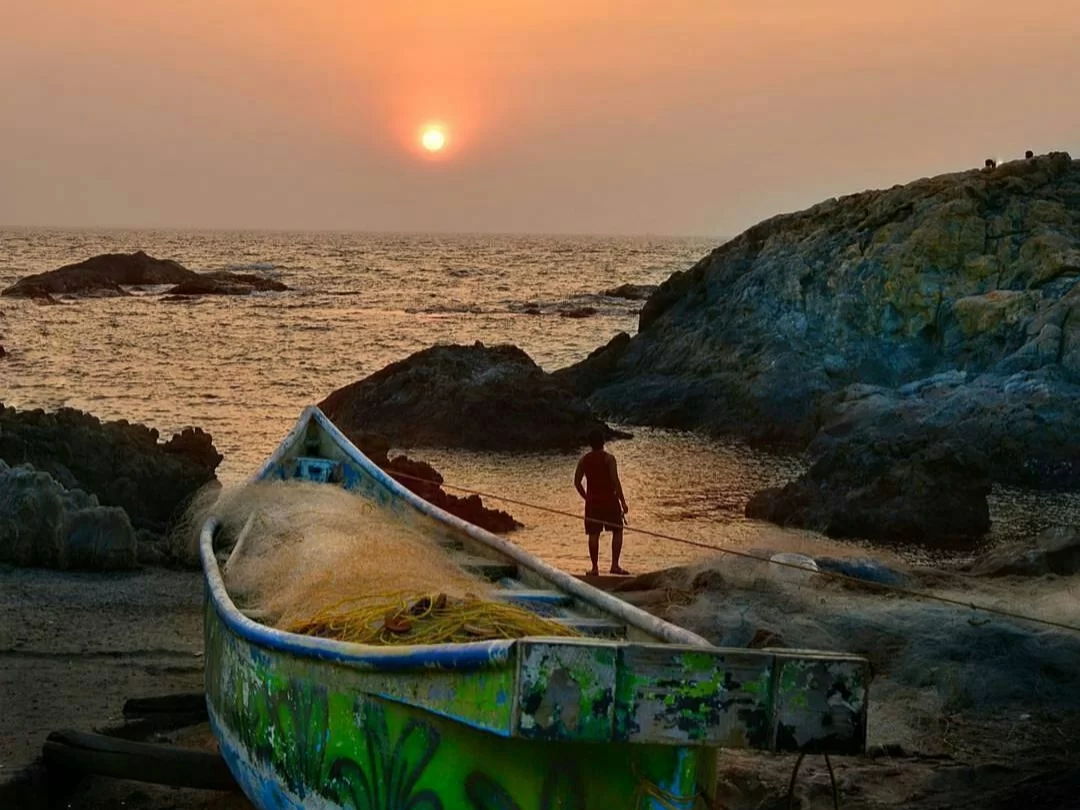
Vagator Beach – Scenic Cliffs & Vibrant Vibes in North Goa

Vagator Beach , North Goa
Vagator Beach, located in North Goa, is famous for its striking red laterite cliffs, golden sands, and relaxed yet energetic atmosphere. Divided into Big Vagator and Little Vagator (Ozran Beach), it attracts travelers looking for both tranquility and nightlife. The beach offers mesmerizing sunset views over the Arabian Sea and is close to popular attractions, cafes, and historic sites like Chapora Fort. It’s a favorite destination for backpackers, couples, and party lovers alike.

Quick Facts About Vagator Beach

Entry Fee Free
Timings 00:00 - 23:59
Altitude (m) 15
Ideal Visit Duration (hrs) 3
Best Time of Day Evening
Crowd Level High
Distance from Panaji (km) 21
Walking Difficulty Moderate
Parking Available Yes
Last Mile Access Walk
Suitable for Kids Yes
Suitable for Seniors No
Wheelchair Friendly No

Why Visit Vagator Beach, North Goa

Visitors come to Vagator Beach for its combination of dramatic red cliffs, open sea views, and accessible sunset points. Its location near Chapora Fort and popular coastal roads makes it a convenient stop for travelers exploring North Goa.

On the ground, the atmosphere shifts through the day—mornings are relatively calm with walkers and small groups, while late afternoons draw larger crowds gathering along the shoreline and cliff edges for sunset. Nearby beach shacks and cafes contribute to a steady but informal flow of activity.

What distinguishes Vagator Beach from other beaches in North Goa is its elevated viewpoints and natural cliff backdrop, which create wider coastal views compared to flatter stretches like Baga or Calangute. The mix of rocky sections, sandy areas, and seasonal nightlife venues gives it a varied coastal character.

History of Vagator Beach, North Goa

Vagator Beach, located along the northern coastline of Goa, developed prominence in the late 20th century as part of the region’s growing tourism movement. During the 1960s and 1970s, North Goa, including Vagator, became associated with the international hippie trail, which shaped the area’s laid-back atmosphere and beach culture.

The nearby Chapora Fort, originally built by the Adil Shahi dynasty in the 17th century and later rebuilt by the Portuguese in 1717, overlooks Vagator Beach and reflects the area’s colonial-era strategic importance. While the beach itself has no specific religious or ancient historical structures, its identity has been influenced by Goa’s broader Portuguese colonial history and post-independence tourism growth.

Best Time to Visit Vagator Beach, North Goa

Vagator Beach is best visited during the dry winter season when sea conditions are safer, beach shacks operate fully, and outdoor access is more comfortable. Seasonal changes significantly affect crowd levels, swimming conditions, and overall beach activity.

  • Ideal Months: November to February offers the most suitable conditions for beach visits, sightseeing, and sunset viewing, with clear skies and active tourism infrastructure.
  • Weather During Peak Season: Daytime temperatures typically range between 20°C and 32°C with lower humidity compared to summer months. The sea is generally calmer, and lifeguards are stationed during main tourist periods.
  • Hot Season Consideration: March to May brings higher temperatures and humidity, making daytime beach visits less comfortable, especially in the afternoon.
  • Monsoon Period to Avoid for Swimming: June to September sees heavy rainfall, rough sea conditions, and slippery access paths from the cliffs. Many seasonal shacks close during this time, and swimming is often unsafe.

How to Reach Vagator Beach, North Goa

  • Nearest Airport: Manohar International Airport (Mopa) is approximately 28–30 km from Vagator Beach, while Goa International Airport (Dabolim) is about 45–50 km away. Prepaid taxis, app-based cabs, and rental vehicles are available at both airports.
  • Nearest Railway Stations: Thivim Railway Station is the closest major railhead, located around 18–20 km away. Madgaon (Margao) Railway Station is about 55–60 km away and connects to major Indian cities. Taxis and local transport are required for onward travel.
  • Road Access: Vagator Beach is accessible via well-connected roads from Mapusa (around 9 km) and Panaji (around 21 km). Self-drive cars, motorbike rentals, taxis, and local buses to Vagator village are commonly used.
  • Last-Mile Connectivity: Vehicles can reach designated parking areas near the cliff top. From there, visitors must descend steps or sloped paths to access the beach. Parking space can be limited during weekends and peak season evenings.
  • Travel Conditions: During the monsoon (June to September), roads remain motorable but beach access paths may be slippery. Traffic congestion is common in North Goa during peak tourist months (November to February).

What to Expect When You Visit Vagator Beach, North Goa

  • Environment & Setting: Vagator Beach is characterized by red laterite cliffs, golden sand, and a rocky shoreline in sections. The beach is divided into Big Vagator and the smaller Ozran (Little Vagator), with palm-lined backdrops and open sea views.
  • Atmosphere: The beach has a mixed crowd including backpackers, international tourists, and domestic visitors. Evenings are more active due to sunset gatherings and nearby beach clubs, while mornings remain relatively calm.
  • Facilities: Temporary beach shacks and nearby cafes operate mainly during the tourist season (October to May). Basic amenities such as sunbeds, restrooms (mostly attached to shacks), and parking areas are available but not uniformly maintained.
  • Accessibility: Access requires descending steps or sloped paths from cliff-top parking areas. The terrain is uneven and may be challenging for elderly visitors or those with limited mobility.
  • Beach Conditions: Certain sections have rocky patches, especially near Ozran Beach. During peak season, the central stretch becomes crowded in the late afternoon, limiting open space near the shoreline.
  • Noise & Activity Levels: While daytime is generally relaxed, sound from nearby establishments may be noticeable in the evening. Large organized parties are typically hosted at designated venues rather than directly on the beach.

Important Visitor Safety Information for Vagator Beach, North Goa

  • Crowd Patterns: Vagator Beach is busiest from November to February, especially on weekends and around sunset. Evenings draw large crowds due to nearby beach clubs and sunset viewpoints. Early mornings are relatively quieter.
  • Weather & Sea Conditions: The monsoon season (June to September) brings rough seas, strong currents, and slippery cliff paths. Swimming is often unsafe during this period and visitors should follow posted warnings.
  • Peak & Quiet Hours: Peak visiting time is between 4:30 PM and sunset. For safer and less crowded access to steps and shoreline areas, visiting before 10:00 AM is preferable.
  • Swimming Precautions: Lifeguards are typically stationed during peak tourist months, but currents can change quickly. Visitors should swim only in designated safe zones marked by flags.
  • Cliff & Access Safety: Access involves descending uneven laterite steps from parking areas. Surfaces become slippery after rain, and caution is required near cliff edges.
  • General Conduct: There is no formal dress code. Visitors should follow local regulations regarding public alcohol consumption and maintain cleanliness to ensure a safe environment.

Photography and Viewpoints at Vagator Beach, North Goa

  • Chapora Fort Viewpoint: The hilltop at Chapora Fort offers a wide-angle view of Vagator Beach, its red laterite cliffs, and the Arabian Sea. Late afternoon to sunset provides clear coastal visibility and dramatic light over the shoreline.
  • Red Cliff Edges (Big Vagator): The laterite cliffs overlooking Big Vagator are ideal for elevated coastline shots. Morning light illuminates the beach and sea directly, while evening backlight creates strong silhouettes against the horizon.
  • Ozran (Little Vagator) Beach: Popular for close-up shoreline compositions with rocky outcrops and palm-lined backdrops. Early morning offers softer light and fewer people, especially during peak tourist season (November–February).
  • Sunset Frames: West-facing shoreline makes Vagator Beach suitable for sunset photography. Positioning near the central stretch of Big Vagator allows unobstructed horizon shots, though crowds increase significantly around sunset hours.
  • Crowd & Access Considerations: Access involves descending steps and uneven paths from the cliff area, which may limit equipment mobility. Weekends and holiday evenings see heavy footfall, affecting tripod setup and long-exposure photography.
  • Drone & Commercial Shoots: Drone use is regulated under Indian aviation guidelines and may require prior permission. Commercial photography or shoots for events should seek local administrative approval before setup.

Near By Attraction

Big Daddy Casino ship on Mandovi River in Goa during sunset, featuring golden lion logo white decks yellow tugboat, perfect gaming adventure experience with Big Daddy Casino Goa tour package Tourist Attraction

Big Daddy Casino

Offshore floating casino operating on the Mandovi River with gaming floors, live entertainment, and dining facilities.

Basilica of Bom Jesus Old Goa during sunny day, featuring ornate red laterite facade towers balustrades, tourists construction scaffolding flags palm tree foreground, perfect UNESCO heritage Portuguese baroque church experience with South Goa old Goa tour Church

Basilica of Bom Jesus

UNESCO-listed 17th-century Baroque church housing the mortal remains of St. Francis Xavier.
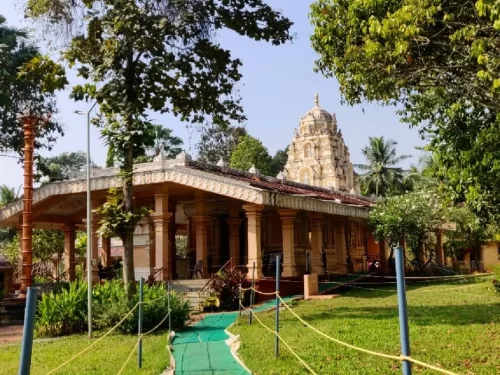
Classic Tirupati Balaji Temple North Goa showcasing tall gopuram and pillared hall amid trees, with green lawns and pathway, perfect heritage spiritual site with Goa tour package.  Temple

Tirupati Balaji Temple

Modern Hindu temple dedicated to Lord Venkateswara (Balaji), built in traditional South Indian architectural style.

Frequently Asked Questions About Vagator Beach

Vagator Beach Goa is located in North Goa near Anjuna and Chapora Fort. The beach lies approximately 21 kilometers from Panaji and is accessible by road.
There is no entry fee to visit Vagator Beach Goa. Visitors can access the beach area free of charge.
The best time to visit Vagator Beach Goa is between November and March when the weather remains pleasant and suitable for beach activities.
A visit to Vagator Beach Goa typically takes 2 to 4 hours. Visitors spending time swimming, relaxing, or exploring nearby viewpoints may stay longer.
Swimming at Vagator Beach Goa is generally safe during calm sea conditions. Visitors should follow lifeguard instructions and avoid swimming during rough tides.
Vagator Beach Goa is approximately 45 to 50 kilometers from Goa International Airport at Dabolim. Travel time by car usually ranges between 1 to 1.5 hours depending on traffic.
Parking facilities are available near Vagator Beach Goa in designated areas. Paid parking is commonly available close to the beach entrance.
Vagator Beach Goa offers beach shacks, restrooms at select locations, water sports operators during peak season, and nearby restaurants.
Water sports at Vagator Beach Goa are available during the tourist season, typically from October to May. Activities depend on sea conditions and operator availability.
Vagator Beach Goa can be crowded between December and January due to holiday tourism. Weekdays outside peak season are comparatively less crowded.

Loved this place ? Let’s Plan Your Goa Trip

Get customized Delhi tour planning designed around traffic flow, seasonal weather comfort, heritage site exploration time, and realistic city pacing. Whether you are visiting for historical monuments, cultural experiences, food walks, shopping districts,

⚡ Quick Response | 💰 Free consultation | 🕒 24×7 expert support

×

Plan Your Trip