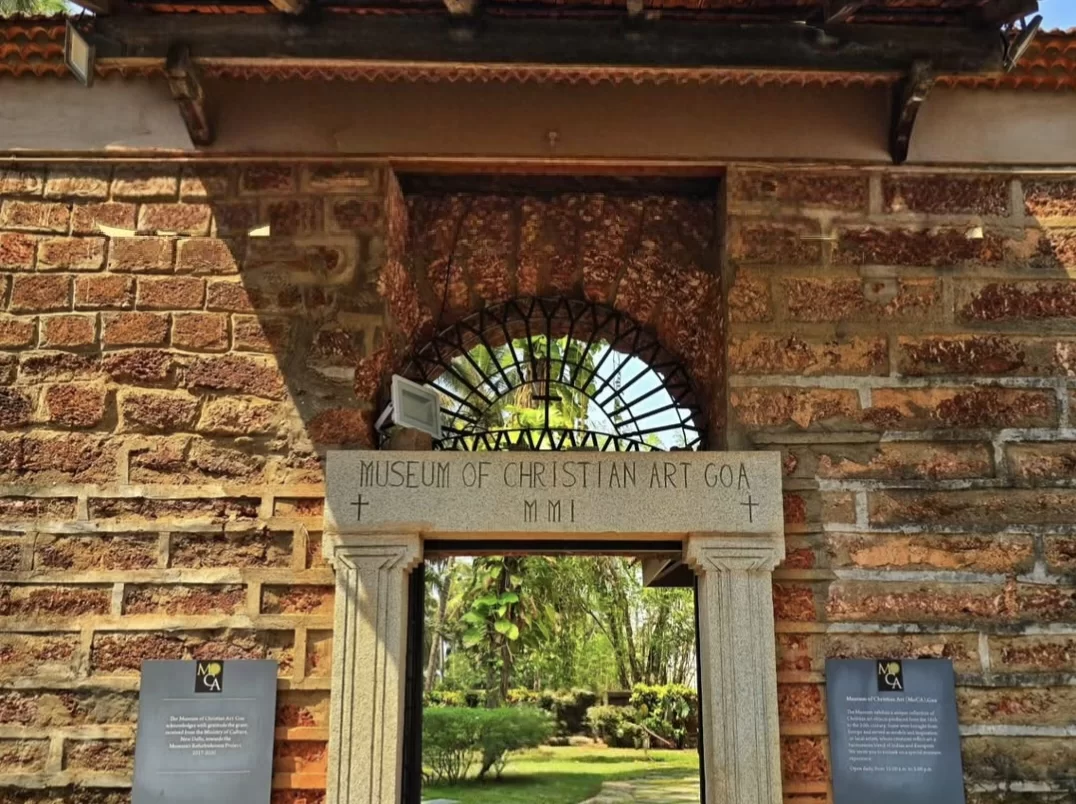
Museum of Christian Art, Old Goa, North Goa, India

Museum of Christian Art , Panjim
Tourists visit the Museum of Christian Art to view religious paintings, sculptures, ivory carvings, vestments, and silverware that reflect the blend of Indian craftsmanship and European influence. Located within the Old Goa heritage precinct, it offers context to the region’s church architecture and missionary history.

Quick Facts About Museum of Christian Art

Quick Facts: Museum of Christian Art, North Goa

Entry Fee 100 (Indian adults); 200 (foreign nationals); discounted rates for students with valid ID; children below 12 years usually free
Timings Tuesday–Sunday: 10:00 AM – 5:00 PM; Closed on Mondays and certain public holidays
Altitude (m) ~5 m above sea level
Ideal Visit Duration 60–90 minutes
Best Time of Day Late morning (10:00 AM – 12:00 PM) for quieter galleries
Crowd Level Low to moderate; busier during peak tourist season (November–February)
Distance from City Centre (km) ~10 km from Panaji city centre
Walking Difficulty Easy; indoor galleries with level flooring
Parking Available Limited; public parking available near the Old Goa church complex
Last Mile Access Accessible by road; short walk from nearby parking areas
Suitable for Kids Yes; best suited for children comfortable in quiet museum settings
Suitable for Seniors Yes; seating available inside galleries
Wheelchair Friendly Yes; ramp access and lift available within the museum building
```

Why Visit Museum of Christian Art

Visitors come to the Museum of Christian Art in Old Goa to view one of India’s finest collections of Indo-Portuguese Christian artifacts, including carved ivory sculptures, liturgical vestments, silverware, and painted panels. The museum presents these objects in curated galleries that explain how local craftsmanship blended with European religious themes.

On the ground, the atmosphere is quiet and gallery-focused, with climate-controlled rooms, labeled displays, and soft lighting that highlights delicate materials such as ivory and wood. Visitors move through a defined indoor route, making it a slower, more contemplative experience compared to the large open church complexes nearby.

What makes the Museum of Christian Art distinct for travelers is its focus on Goan-made religious art rather than architecture alone, offering context to what you see inside the churches of Old Goa. Its location within the historic church complex allows you to pair an outdoor monument visit with a structured, artifact-based museum experience in the same area.

History of Museum of Christian Art, North Goa

The Museum of Christian Art in North Goa was established in 1994 to preserve and present Christian art created in India, particularly during the Portuguese period. It is currently housed in the restored Convent of Santa Monica in Old Goa, a 17th-century complex that forms part of the UNESCO-listed Churches and Convents of Goa.

The collection focuses on Indo-Portuguese religious art produced between the 16th and 18th centuries, including paintings, sculptures, metalwork, ivory carvings, textiles, and liturgical objects. Many pieces were originally commissioned for churches across Goa and reflect a blend of European iconography with Indian craftsmanship and materials.

Galleries are arranged thematically, allowing visitors to see how Christian imagery was adapted within local artistic traditions. The museum provides interpretive panels that explain the historical context of missionary activity and church patronage in Goa, making it a focused stop for understanding the region’s colonial-era religious art heritage.

Best Time to Visit Museum of Christian Art, North Goa

The Museum of Christian Art can be visited year-round since it is an indoor attraction, but the most comfortable overall experience in Old Goa comes during the cooler, dry months.
  • Ideal months: November to February
  • Best season weather: Pleasant daytime temperatures (around 20–32°C) with lower humidity, making it easier to combine the museum visit with nearby churches and outdoor heritage walks.
  • Periods to avoid: June to September if you plan to explore the surrounding Old Goa monuments, as heavy monsoon rain can affect movement between sites; late April and May afternoons can be extremely hot and humid for extended outdoor sightseeing.
```

How to Reach Museum of Christian Art, North Goa

  • Nearest airport: Manohar International Airport (GOX), Mopa – approx. 28 km; Goa International Airport (GOI), Dabolim – approx. 29 km. Prepaid taxis, app-based cabs, and private taxis are available at both airports. Travel time usually ranges between 45 minutes and 1.5 hours depending on traffic.
  • Nearest railway station: Karmali Railway Station – approx. 3 km. Madgaon (Margao) Railway Station – approx. 35 km for broader rail connectivity. From Karmali, taxis are the most practical option as bus services are limited.
  • Road access: The Museum of Christian Art is located within the Old Goa Church Complex near Se Cathedral, about 10 km from Panaji via NH66 and internal Old Goa roads. Roads are well maintained, though traffic increases during peak season (November–February) and church events.
  • Last-mile connectivity: Visitors can reach directly by taxi, rental scooter, or self-drive car. Public buses from Panaji stop near the Old Goa complex, followed by a short walk to the museum entrance. Parking is available in designated areas but can fill during weekends and holidays.
```

What to Expect When You Visit Museum of Christian Art, North Goa

  • Environment and surroundings: The Museum of Christian Art is located in Old Goa within a restored convent complex near the Basilica of Bom Jesus. The setting is quieter than the main church grounds, with enclosed courtyards and shaded corridors. Inside, galleries are climate-controlled and organized into themed sections displaying Indo-Portuguese Christian artifacts, sculptures, paintings, and liturgical objects.
  • Facilities and amenities: The museum has a ticketed entry system with a reception counter at the entrance. Basic restrooms are available within the premises. A small gift shop is typically present, offering books and souvenirs related to Christian art and Goan heritage. There are no large food outlets inside the museum building.
  • Accessibility and movement: The museum is accessible from the main Old Goa road with nearby parking areas shared with the church complex. Movement inside is straightforward through designated gallery paths. Some sections may involve short staircases depending on the exhibition layout, and wheelchair access may be limited to ground-floor areas.
  • Typical visitor behavior and conditions: Visitors include students, researchers, heritage tourists, and small guided groups. The environment is quiet, and photography rules may vary by gallery, with flash photography typically restricted. The space is less crowded than major churches but can see moderate footfall during peak tourist season.
  • Practical limitations to plan for: The museum operates during fixed hours and remains closed on specific weekdays, so timing matters. Signage is present but minimal in some sections, and guided interpretation may not always be available unless arranged in advance.
```

Important Visitor Information for Museum of Christian Art, North Goa

  • Crowd and weather notes: The museum experiences steady but manageable footfall through the November–February tourist season, with occasional school and group visits during mornings. Being an indoor gallery space, it remains comfortable year-round, though the approach area can feel humid in summer and damp during monsoon.
  • Peak and quiet visiting hours: Late mornings (11:00 AM–1:00 PM) tend to see higher visitor movement, particularly when group tours arrive in Old Goa. Early opening hours on weekdays are generally the quietest for viewing exhibits without crowding.
  • Dress code: There is no strict dress code, but modest and respectful attire is recommended as the museum is located within a heritage church complex.
  • Safety notes and practical cautions: Photography may be restricted in certain galleries, and flash is typically not permitted to protect artworks. Follow signage, avoid touching displayed artifacts, and supervise children closely in exhibition areas.
```

Photography and Viewpoints at Museum of Christian Art, North Goa

  • Best viewpoints and angles: The museum is housed within a restored convent complex in Old Goa, so exterior shots are best taken from the entrance courtyard to capture the Indo-Portuguese architectural elements and tiled rooflines. Inside, gallery layouts are linear and compact; position yourself slightly to the side of display cases to avoid glass reflections when framing sculptures, liturgical silverware, and carved wooden panels. Wider gallery shots work best from the corners of each room to include both display walls and ceiling beams.
  • Time-of-day and lighting: Natural light in the courtyard is softer during early morning, providing balanced exterior exposure. Interior galleries use controlled museum lighting, which is relatively low and warm-toned to protect artifacts. Midday glare can increase reflections on glass cases, so earlier hours generally provide more manageable interior conditions.
  • Rules and restrictions: Photography policies may vary by gallery; flash photography is typically prohibited to protect sensitive artworks and textiles. Some sections may restrict photography entirely. Drones are not permitted within the museum premises.
  • Crowds and access factors: The museum experiences moderate visitor flow, often linked with Old Goa church tours. Galleries are narrow in places, which can limit tripod use and wide-angle positioning. Visiting soon after opening hours allows clearer access to individual exhibits and less obstruction in corridor-style rooms.
```

Near By Attraction

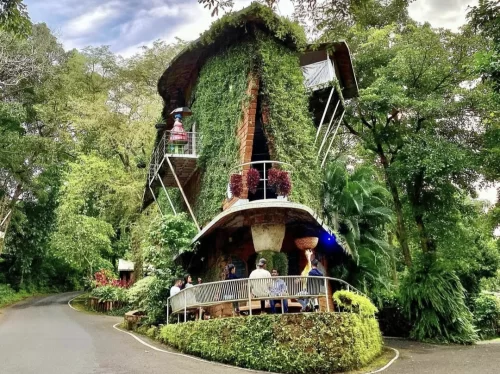
Iconic vine-covered brick house replica at Houses of Goa Museum South Goa, featuring tropical plants balcony visitors greenery path, perfect heritage experience Goa museum tour package. Museum

Houses of Goa Museum

Architectural museum showcasing Goan residential design and Indo-Portuguese housing styles.
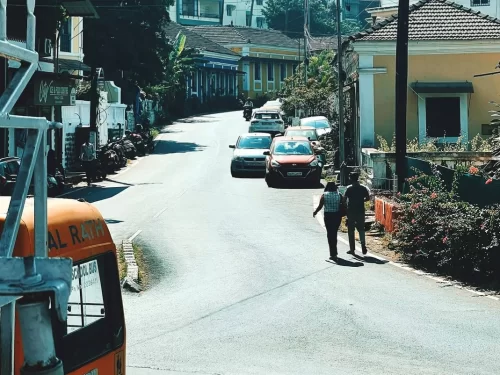
Panjim Market Goa bustling local street with shops, colonial houses and busy city road in Panaji Market / Bazaar

Panjim Market

Local municipal market complex selling fresh produce, seafood, spices, meats, and household goods.
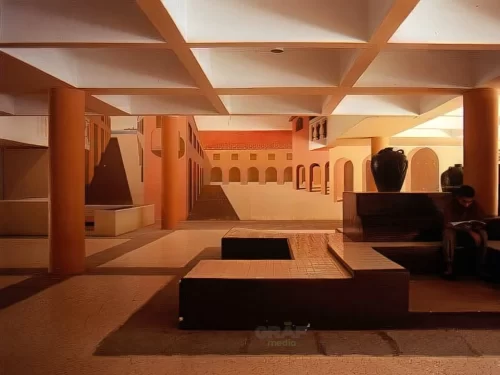
Kala Academy Panaji Goa cultural center with modern architecture and performing arts venue Tourist Attraction

Kala Academy

State-run cultural complex hosting theatre performances, music concerts, art exhibitions, and film screenings.

Frequently Asked Questions About Museum of Christian Art

Museum of Christian Art Goa is located in Old Goa in North Goa. The museum is housed within the Convent of Santa Monica complex and is accessible by road.
Museum of Christian Art Goa charges an entry fee for visitors. Ticket prices may vary for adults, students, and foreign nationals.
Museum of Christian Art Goa is generally open from Monday to Saturday and remains closed on Sundays. Visiting hours typically run from 9:30 AM to 5:00 PM.
A visit to Museum of Christian Art Goa typically takes 1 to 2 hours depending on interest in the galleries and exhibits.
Photography policies at Museum of Christian Art Goa may vary by gallery. Visitors should check on-site guidelines regarding camera usage.
Museum of Christian Art Goa is approximately 10 kilometers from Panaji. Travel time by car usually ranges between 20 to 30 minutes depending on traffic.
Parking facilities are available near Museum of Christian Art Goa within the Old Goa church complex area.
Museum of Christian Art Goa provides exhibition galleries, basic restrooms, guided tours on request, and security screening at entry.
Museum of Christian Art Goa is suitable for students interested in art history, religious art, and Indo-Portuguese heritage.
The best time to visit Museum of Christian Art Goa is between November and March when weather conditions are comfortable for exploring Old Goa.

Loved this place ? Let’s Plan Your Goa Trip

Get customized Delhi tour planning designed around traffic flow, seasonal weather comfort, heritage site exploration time, and realistic city pacing. Whether you are visiting for historical monuments, cultural experiences, food walks, shopping districts,

⚡ Quick Response | 💰 Free consultation | 🕒 24×7 expert support

×

Plan Your Trip