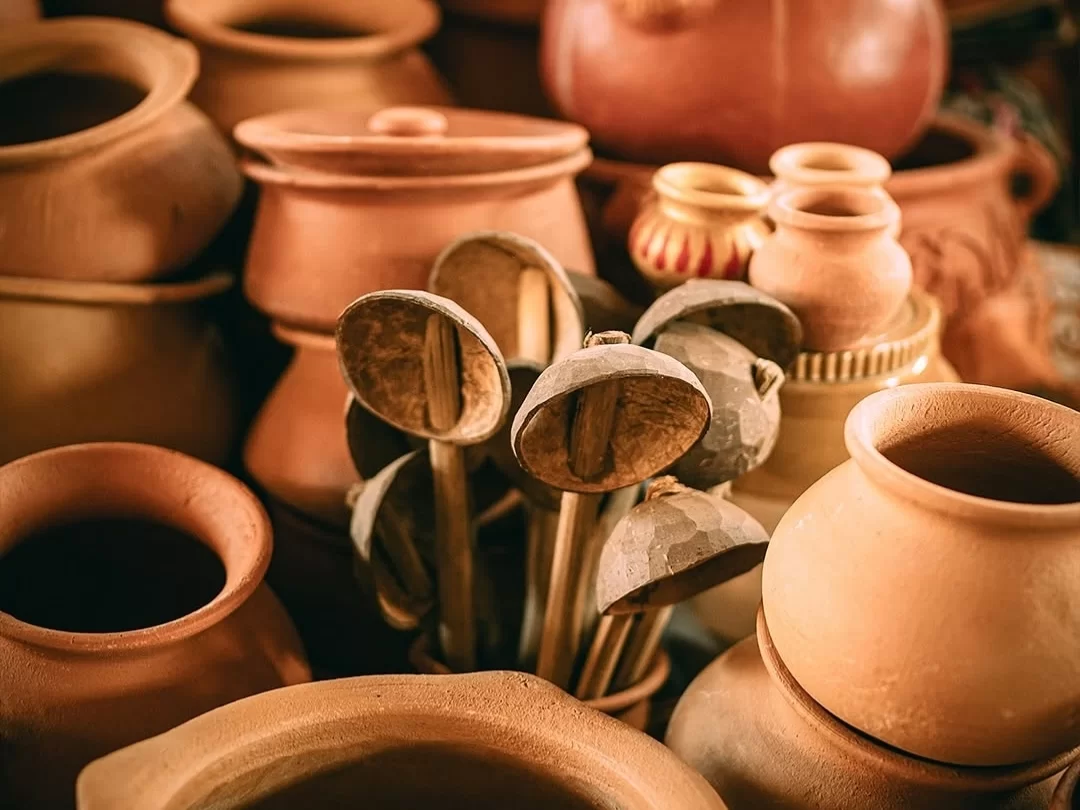
Mapusa Market, Mapusa, North Goa, India

Mapusa Market , North Goa
Tourists visit Mapusa Market, especially on Fridays, to buy spices, dried fish, sausages, cashew nuts, local sweets, and handicrafts. The market functions primarily as a trading hub for nearby villages, offering insight into everyday commerce in North Goa.

Quick Facts About Mapusa Market

Quick Facts: Mapusa Market, North Goa

Entry Fee No entry fee (public market)
Timings Generally open daily: 9:00 AM – 6:00 PM; Friday is the main weekly market day with extended activity
Altitude (m) ~15 m above sea level
Ideal Visit Duration 60–120 minutes
Best Time of Day Morning (9:00 AM – 11:30 AM) for easier navigation and fresh produce
Crowd Level High on Fridays; moderate on other weekdays; busy during festive seasons
Distance from City Centre (km) Located within Mapusa town centre (~13 km from Panaji city centre)
Walking Difficulty Easy to moderate; covered market lanes with uneven patches in some sections
Parking Available Limited paid parking areas around the market complex
Last Mile Access Direct road access; short walk from nearby parking areas and Mapusa bus stand
Suitable for Kids Yes; supervision required due to crowd density
Suitable for Seniors Partly; manageable but can be crowded and noisy
Wheelchair Friendly Partly; main corridors accessible, but crowding and uneven flooring may limit movement

Why Visit Mapusa Market

Visitors come to Mapusa Market in North Goa to shop for local produce, Goan spices, dried fish, sausages, cashew nuts, and everyday household goods in a functioning regional marketplace. The Friday Market is the busiest, when additional vendors set up temporary stalls selling textiles, handicrafts, and seasonal items.

On the ground, the atmosphere is busy and transactional, with narrow aisles, raised vendor platforms, and a steady flow of locals doing weekly shopping. The market building is semi-covered, and during peak hours—especially on Fridays—it becomes crowded, noisy, and fast-moving.

What makes Mapusa Market distinct for travelers is its role as a working local market rather than a tourist-curated bazaar. It offers direct access to everyday Goan food ingredients and regional products, providing insight into local consumption patterns within an easily accessible town center.

History of Mapusa Market, North Goa

Mapusa Market in North Goa developed as a regional trading hub serving the Bardez taluka and surrounding villages. Its growth is closely tied to the town’s weekly Friday market tradition, which dates back to the colonial period when farmers, fishermen, and traders gathered to sell produce and household goods.

The municipal market complex was later formalized with permanent stalls and covered sections to organize trade within the town center. Over time, Mapusa became known for spices, dried fish, Goan sausages (chorizo), pickles, coconuts, cashews, textiles, and everyday essentials sourced from nearby rural areas.

The Friday market continues to be the busiest day, when temporary vendors set up additional stalls around the main structure, expanding the trading space into adjoining streets. Today, Mapusa Market functions as both a working local marketplace and a visitor stop for those seeking traditional Goan food products and daily-life commerce in North Goa.

Best Time to Visit Mapusa Market, North Goa

Mapusa Market can be visited throughout the year, but the most comfortable and lively time to explore it is during Goa’s cooler, dry season, especially on its main weekly market day.
  • Ideal months: November to February (particularly Fridays for the main market day)
  • Best season weather: Pleasant temperatures (around 20–32°C) with lower humidity, making it easier to walk through crowded lanes, browse produce and local goods, and shop without heat fatigue.
  • Periods to avoid: June to September due to heavy monsoon rain that can make market lanes wet and congested; April and May late mornings and afternoons can be very hot and humid, making crowded conditions uncomfortable.
```

How to Reach Mapusa Market, North Goa

  • Nearest airport: Manohar International Airport (GOX), Mopa – approx. 25 km; Goa International Airport (GOI), Dabolim – approx. 38 km. Prepaid taxis and app-based cabs are available at both airports. Travel time from Mopa is typically 45–60 minutes, while from Dabolim it can take 1–1.5 hours depending on traffic.
  • Nearest railway station: Thivim Railway Station – approx. 10 km. Karmali Railway Station – approx. 18 km. From Thivim, taxis are the most convenient option as direct bus connections to the market area may require a transfer at Mapusa Bus Stand.
  • Road access: Mapusa Market is located in central Mapusa town and is accessible via NH66 and internal town roads. Roads are well maintained, but congestion is common on Fridays (main market day), weekends, and peak tourist season.
  • Last-mile connectivity: The Mapusa Bus Stand is within walking distance of the market complex. Taxis, auto-rickshaws, and rental scooters can drop visitors nearby, but parking in the town center is limited and can be difficult on busy market days.
```

What to Expect When You Visit Mapusa Market, North Goa

  • Environment and surroundings: Mapusa Market is a traditional Goan town market located in the center of Mapusa. The market complex includes a covered municipal building with multiple sections and open street-side stalls around it. The setting is busy and functional, with narrow aisles, closely packed vendors, and steady local activity throughout the day.
  • Facilities and amenities: The market sells fresh vegetables, fruits, spices, dried fish, Goan sweets, cashews, textiles, and household goods. Facilities are basic, with limited seating and no structured food courts inside the main building. Public restrooms may be available within the municipal complex but are simple in nature.
  • Accessibility and movement: The market is accessible by road from various parts of North Goa, with bus connectivity to the nearby Mapusa bus stand. Parking in the surrounding streets can be congested, especially on Fridays (the main market day). Inside, movement can be slow due to narrow aisles and vendor displays extending into walkways.
  • Typical visitor behavior and conditions: The market primarily serves local residents, with tourists visiting for spices and regional products. Fridays are the busiest, with vendors from surrounding villages setting up additional stalls. Expect bargaining in certain sections and a mix of local Konkani and Hindi conversations.
  • Practical limitations to plan for: The market can feel crowded, humid, and noisy during peak hours. Floors may be wet in fresh produce areas, especially during monsoon season. Early morning visits generally offer more space and better access to fresh stock.
```

Safety and Important Visitor Information for Mapusa Market, North Goa

  • Crowd and weather notes: The market is busiest on Fridays, its main weekly market day, when vendors from surrounding villages set up additional stalls. From November to February, tourist footfall adds to local shoppers. Summer afternoons (March–May) can feel hot inside the covered sections, while monsoon months bring wet and slippery entry areas.
  • Peak and quiet visiting hours: Late mornings (10:30 AM–1:30 PM), especially on Fridays, are the most crowded. Early mornings soon after opening are comparatively less congested and more comfortable for browsing.
  • Dress code: There is no formal dress code, but light, comfortable clothing and closed footwear are advisable for navigating busy aisles and uneven flooring.
  • Safety notes and practical cautions: Expect narrow, crowded lanes during peak hours. Keep valuables secure, be cautious of uneven or damp floors during monsoon, and stay alert while crossing surrounding roads with active traffic.
```

Photography and Viewpoints at Mapusa Market, North Goa

  • Best viewpoints and angles: The main entrance arch and covered market lanes are best photographed from slightly outside the gate to capture the bustle spilling into the street. Inside, stand at the junction of intersecting aisles to frame long rows of spice sacks, dried fish stalls, and fresh produce vendors receding into the distance. Overhead angles from staircase landings (where accessible) help capture the grid-like layout of stalls and movement below.
  • Time-of-day and lighting: Friday mornings, the primary market day, offer the most vibrant scenes but also the heaviest activity. Early morning light entering through the covered roofing creates softer contrasts, while midday can produce mixed lighting with bright patches and shaded interiors. Natural light is strongest near entrances and open-sided sections.
  • Rules and restrictions: Photography is generally allowed in public areas, but always seek permission before taking close-up shots of vendors or customers. Flash photography can disturb sellers, especially in narrow aisles. Drone use is not permitted due to the dense urban and commercial setting.
  • Crowds and access factors: The market is busiest on Fridays, with narrow lanes becoming tightly packed and limiting tripod use or wide framing. Weekday mornings other than Friday provide more manageable movement and clearer compositions. Parked vehicles and temporary stalls around the entrance can obstruct exterior shots.
```

Near By Attraction

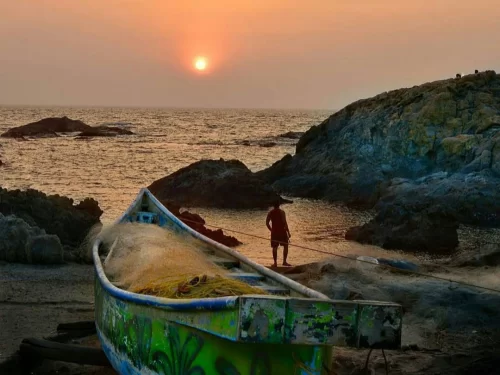
Iconic Vagator Beach Goa at sunset with fisherman silhouette beside colorful traditional boat on rocky shore, Arabian Sea waves and dramatic orange sky, perfect romantic beach photography with North Goa tour package. Beach

Vagator Beach

A stunning beach in North Goa known for its dramatic red cliffs, lively parties, and breathtaking sunsets.

Big Daddy Casino ship on Mandovi River in Goa during sunset, featuring golden lion logo white decks yellow tugboat, perfect gaming adventure experience with Big Daddy Casino Goa tour package Tourist Attraction

Big Daddy Casino

Offshore floating casino operating on the Mandovi River with gaming floors, live entertainment, and dining facilities.
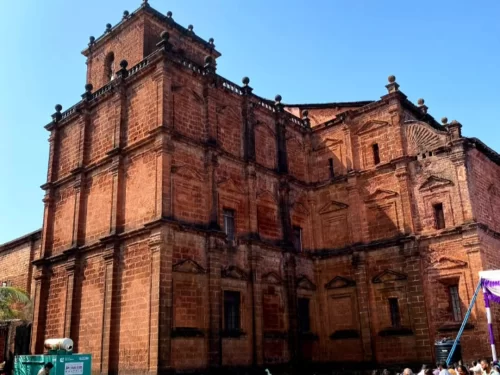
Basilica of Bom Jesus Old Goa during sunny day, featuring ornate red laterite facade towers balustrades, tourists construction scaffolding flags palm tree foreground, perfect UNESCO heritage Portuguese baroque church experience with South Goa old Goa tour Church

Basilica of Bom Jesus

UNESCO-listed 17th-century Baroque church housing the mortal remains of St. Francis Xavier.

Frequently Asked Questions About Mapusa Market

Mapusa Market Goa is located in Mapusa town in North Goa. The market lies near the main bus stand and is accessible by road from Panaji and nearby beach areas.
There is no entry fee to visit Mapusa Market Goa. Visitors can freely explore the market during operating hours.
Mapusa Market Goa is known for spices, dried fish, local sausages, cashews, handicrafts, textiles, and weekly Friday market trading.
Mapusa Market Goa is generally open daily from around 9:00 AM to 7:00 PM, with the Friday market being the busiest trading day.
A visit to Mapusa Market Goa typically takes 1 to 2 hours depending on shopping interest and crowd levels.
Mapusa Market Goa is approximately 13 to 15 kilometers from Panaji. Travel time by car usually ranges between 25 to 35 minutes depending on traffic.
Parking near Mapusa Market Goa is available in designated public parking areas, though space can be limited on Fridays and weekends.
Mapusa Market Goa can be crowded between December and January, especially during the Friday market and festive periods.
Mapusa Market Goa has small eateries and nearby restaurants offering Goan snacks, local sweets, and quick meals.
Mapusa Market Goa is suitable for souvenir shopping due to its wide range of local products including spices, cashews, handicrafts, and traditional items.

Loved this place ? Let’s Plan Your Goa Trip

Get customized Delhi tour planning designed around traffic flow, seasonal weather comfort, heritage site exploration time, and realistic city pacing. Whether you are visiting for historical monuments, cultural experiences, food walks, shopping districts,

⚑ Quick Response | πŸ’° Free consultation | πŸ•’ 24Γ—7 expert support

×

Plan Your Trip