+91 9910402252
admin@chalbanjare.com


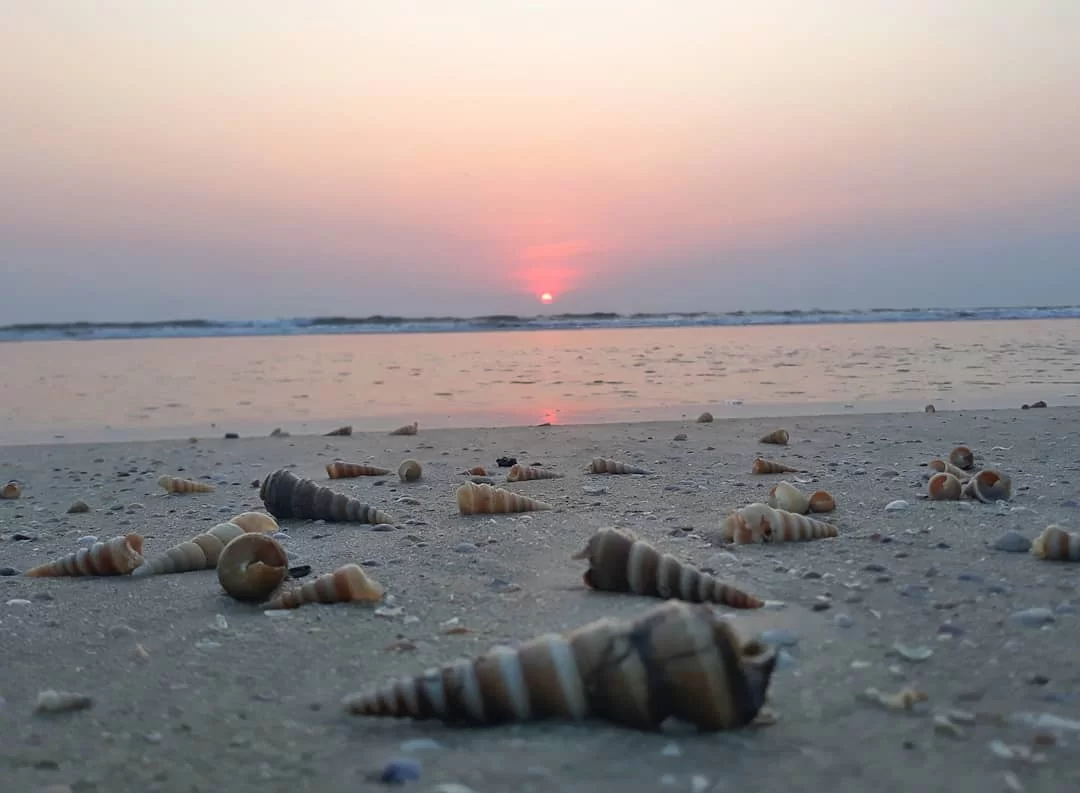
| Entry Fee | No entry fee |
| Timings | Open 24 hours (no fixed closing time; water activities operate only during daylight and are suspended in monsoon) |
| Altitude (m) | Approximately 0–5 m above sea level |
| Ideal Visit Duration | 1.5–3 hours |
| Best Time of Day | Early morning for walks; sunset for views |
| Crowd Level | Moderate; higher during peak season (November–February) and weekends |
| Distance from City Centre (km) | Approximately 11 km from Margao city centre |
| Walking Difficulty | Easy (flat sandy beach; soft sand may require effort) |
| Parking Available | Yes (limited roadside and designated beach parking areas) |
| Last Mile Access | Motorable road up to beach access points; short walk across sand to shoreline |
| Suitable for Kids | Yes (with supervision; sea conditions vary seasonally) |
| Suitable for Seniors | Yes (flat approach; sand surface may be uneven) |
| Wheelchair Friendly | No dedicated beach ramps; access limited to parking and roadside areas |
Visitors come to Majorda Beach in South Goa for a quieter beach experience compared to the busier stretches of North Goa. The shoreline is wide and sandy, making it suitable for long walks, seasonal swimming (outside monsoon months), and relaxed time by the sea. Its proximity to Margao and Dabolim Airport also makes it convenient for short stays.
On the ground, Majorda feels laid-back and less commercialized. The beach is lined with coconut palms, a few beach shacks (seasonal), and resort properties set slightly back from the shore. Early mornings are calm with walkers and joggers, while evenings see visitors gathering for sunset views without heavy party crowds.
What makes Majorda Beach distinct is its balance between accessibility and relative seclusion. It forms part of the long Colva–Benaulim–Betalbatim stretch, allowing uninterrupted walks along the coast. The surrounding village area is known for traditional Goan bakeries and local eateries, offering a more residential South Goa setting rather than a nightlife-focused scene.
Majorda Beach is part of the coastal belt of Salcete in South Goa, a region that came under Portuguese rule in the early 16th century and remained so until Goa’s liberation in 1961. During this period, the surrounding villages developed a distinct Indo-Portuguese character reflected in local architecture, churches, and culinary traditions that continue to shape the area today.
The Majorda village area is historically associated with traditional Goan baking, introduced during Portuguese rule when European bread-making techniques were adopted locally. Many baker families from this region later spread across Goa, contributing to the state’s well-known pão (Goan bread) culture. While the beach itself was not a historical port or monument site, its identity is closely linked to the heritage and village life of Salcete.
Majorda Beach is best visited during the dry season when sea conditions are safer and beach facilities are operational. Weather, wave intensity, and availability of shacks vary significantly between peak winter months and the monsoon period.
 Tourist Attraction
Experience the thrill of watching playful dolphins in their natural habitat along the scenic coastline of South Goa.
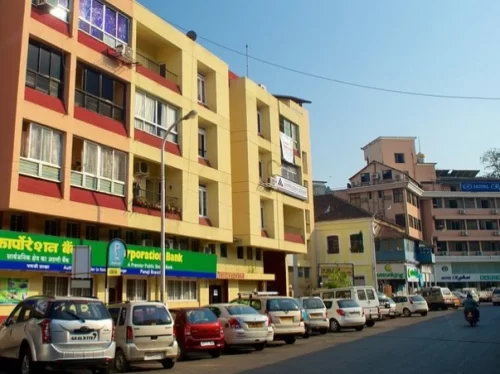 Shopping Street
Primary commercial street in Panaji known for retail shops, cafés, and daily city activity.
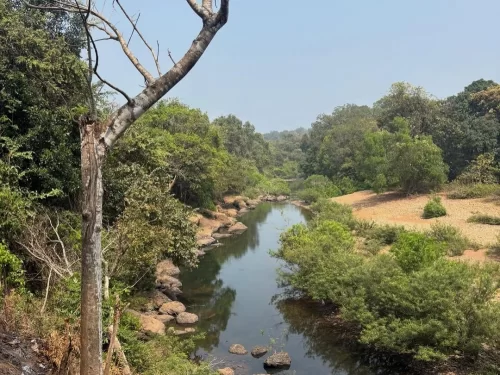 Wildlife Sanctuary
Protected forest area known for dense vegetation, walking trails, and watchtowers for wildlife observation.
Get customized Delhi tour planning designed around traffic flow, seasonal weather comfort, heritage site exploration time, and realistic city pacing. Whether you are visiting for historical monuments, cultural experiences, food walks, shopping districts,
⚡ Quick Response | 💰 Free consultation | 🕒 24×7 expert support