Quick Facts About Keri Beach
Quick Facts About Keri Beach North Goa
| Entry Fee | No entry fee free public beach |
|---|---|
| Timings | Open all day visitors generally visit from 6 00 AM to 7 00 PM for safety |
| Altitude (m) | Located at sea level along the northernmost coastline of Goa |
| Ideal Visit Duration | One to three hours for beach walk relaxation and sunset viewing |
| Best Time of Day | Early morning for peaceful atmosphere or late afternoon for sunset views |
| Crowd Level | Low generally quieter compared to popular beaches in central North Goa |
| Distance from City Centre (km) | About 30 kilometers from Mapusa and around 50 kilometers from Panaji city centre |
| Walking Difficulty | Low walking difficulty on long sandy shoreline |
| Parking Available | Yes parking available near the beach access road |
| Last Mile Access | Accessible by taxi rented scooter or private vehicle via Querim village road |
| Suitable for Kids | Yes suitable for children under supervision due to sea currents |
| Suitable for Seniors | Yes generally suitable with easy flat beach access |
| Wheelchair Friendly | Partially wheelchair accessible near entrance but sandy terrain limits movement |
Why Visit Keri Beach, North Goa
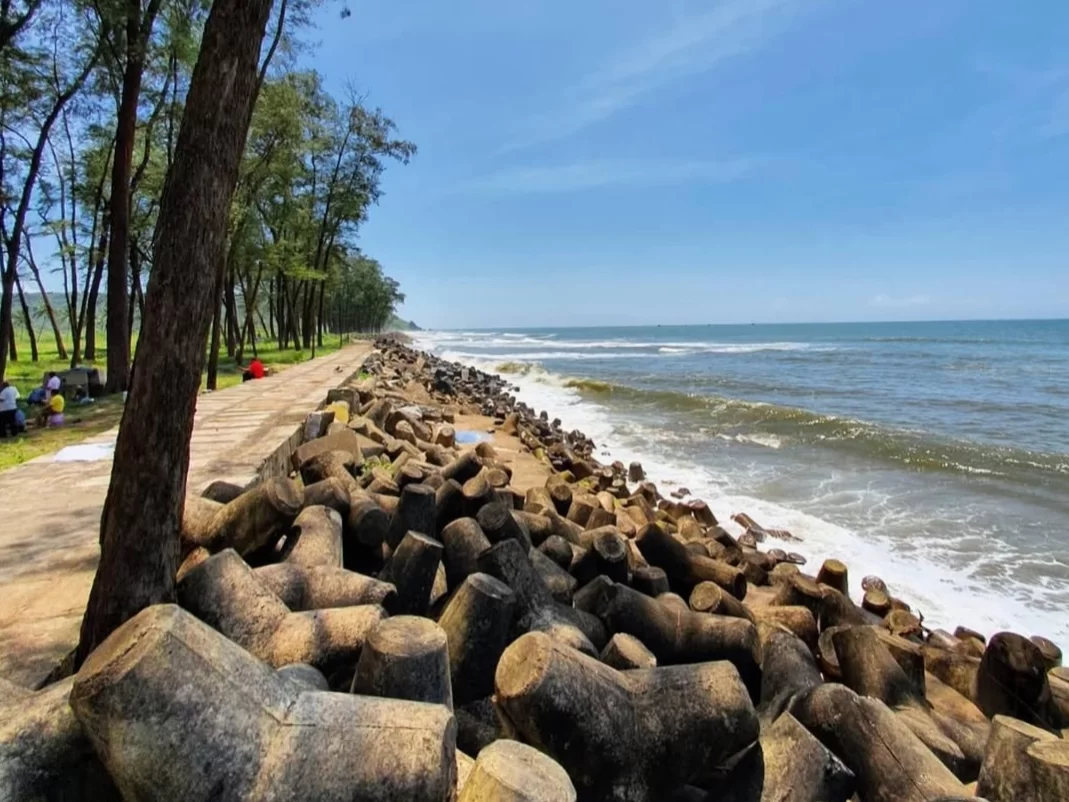
Atmosphere at Keri Beach is serene and uncrowded, offering a refreshing contrast to the busier beaches of Goa. Located near the northernmost tip of the state, the beach is characterized by its wide sandy shoreline, rolling waves, and scenic backdrop of hills and river estuaries. The peaceful setting allows visitors to unwind while enjoying uninterrupted sea views and the soothing sound of waves.
What makes Keri Beach special is its untouched charm and natural landscape. The beach is known for its expansive stretch of golden sand, paragliding opportunities during suitable seasons, and the picturesque Tiracol River meeting the Arabian Sea nearby. The relatively low tourist density enhances its authenticity, making it ideal for long walks, sunset photography, and quiet relaxation. Seasonal weather conditions influence sea activity, but the scenic appeal remains consistently inviting.
Beyond its visual beauty, Keri Beach offers a tranquil escape for couples, solo travelers, and nature enthusiasts seeking solitude. It reflects the simpler, more laid-back side of Goa, away from commercial nightlife zones. The visit leaves lasting impressions of open horizons, gentle sea breezes, and the calm rhythm of North Goa’s coastal landscape.
History of Keri Beach
Keri Beach, located in North Goa near the Maharashtra border, has long been part of the coastal landscape shaped by centuries of maritime activity along the Konkan shoreline. During the Portuguese colonial period, which began in Goa in 1510, northern coastal stretches like Keri remained relatively less urbanized compared to Old Goa and Panaji, serving primarily as fishing and agrarian communities.
The surrounding region was influenced by Indo-Portuguese cultural exchange, reflected in local architecture, church establishments in nearby villages, and coastal trade routes. However, Keri Beach itself did not evolve into a major colonial port or fortified settlement, allowing its shoreline to retain a quieter, rural character through much of its history.
Following Goa’s liberation in 1961 and subsequent tourism development, Keri Beach gradually emerged as a peaceful alternative to the more commercialized beaches of central Goa. Today, it represents the historical continuity of traditional coastal life transitioning into sustainable tourism while maintaining much of its original natural charm.
Best Time to Visit Keri Beach
The best time to visit Keri Beach, also known as Querim Beach in North Goa, depends on weather comfort, sea conditions, and overall travel experience. Known for its serene atmosphere, soft sands, and scenic views near the Tiracol River estuary, the beach is most enjoyable during pleasant coastal seasons.
November to March is considered the ideal period to visit. During these months, the weather is cool and comfortable with clear skies and calm sea conditions, making it perfect for beach walks, sunbathing, photography, and relaxing by the shoreline.
Summer months from April to June can be hot and humid, particularly during midday. Early morning and late afternoon visits are recommended to avoid peak heat while enjoying the peaceful surroundings and coastal breeze.
Monsoon season from June to September brings heavy rainfall and rough sea conditions. While the beach appears lush and dramatic during this time, swimming may not be advisable due to strong currents. Visitors should check weather updates and sea advisories before planning a trip.
- November to March for pleasant weather and calm sea conditions
- Early mornings and evenings ideal for peaceful beach walks
- April to June for visits during cooler hours of the day
- June to September for scenic monsoon views, though sea conditions may be rough
- Weekdays offer a quieter and more secluded beach experience
How to Reach Keri Beach, North Goa
- By Air: The nearest airport is Manohar International Airport (Mopa), approximately 35 km from Keri Beach. Alternatively, Goa International Airport (Dabolim) is about 70 km away. Taxis and app-based cab services are available from both airports for a direct transfer.
- By Train: The closest railway stations are Pernem Railway Station (around 15 km) and Madgaon Railway Station (about 60 km). From the station, visitors can hire taxis or use local transport to reach the beach.
- By Road: Keri Beach is well connected via NH66 and internal coastal roads of North Goa. Private taxis, rental scooters, self-drive cars, and state-run buses operate from Panaji, Mapusa, and nearby towns.
- Local Transport: Within North Goa, rental scooters, motorcycles, taxis, and private cars are the most convenient options. Due to its relatively peaceful and less commercialized setting, planning return transport in advance is advisable.
What to Expect When You Visit Keri Beach
- Immersive surroundings that reflect the true natural, cultural, or spiritual character of the destination, offering a peaceful and enriching travel experience.
- Well-maintained visitor pathways and accessible viewing points designed to provide comfortable exploration while preserving the authenticity of the location.
- Opportunities to engage with local traditions, regional architecture, or natural landscapes, allowing travelers to gain deeper cultural understanding.
- Scenic photo spots and panoramic viewpoints that highlight the area’s unique beauty throughout different times of the day.
- Informational boards, guides, or locally available assistance that help visitors learn the historical or environmental importance of the site.
- Seasonal changes in atmosphere, crowd levels, and visual appeal, ensuring a different yet memorable experience depending on the time of visit.
- Nearby amenities such as refreshment stalls, rest areas, or small markets offering local flavors and handicrafts.
- A calm and respectful environment that allows visitors to fully absorb the significance and charm of the destination.
Important Visitor Information and Safety of Keri Beach
- Crowd & Peak Hours: Generally less crowded compared to popular beaches, though visitor numbers rise during weekends and peak tourist season. Early mornings are quieter and more peaceful.
- Weather Notes: The tropical coastal climate remains warm and humid throughout the year. Sea conditions may change during monsoon months, and midday sun exposure can be strong.
- Dress Code: Wear light beachwear with sun protection such as hats, sunglasses, and sunscreen. Comfortable footwear is recommended for sandy stretches.
- Safety Tips: Swim only in safe zones, avoid venturing into deep waters during rough sea conditions, stay cautious of strong currents, and keep personal belongings secure during your visit.
Photography and Viewpoints at Keri Beach
- The wide expanse of golden sand bordered by swaying palm trees creates classic tropical beach compositions ideal for landscape photography.
- Sunrise and early morning light enhance the soft textures of the shoreline and produce warm reflections across the calm sea.
- The river estuary meeting the Arabian Sea provides unique framing opportunities combining flowing water, sandbanks, and open horizon.
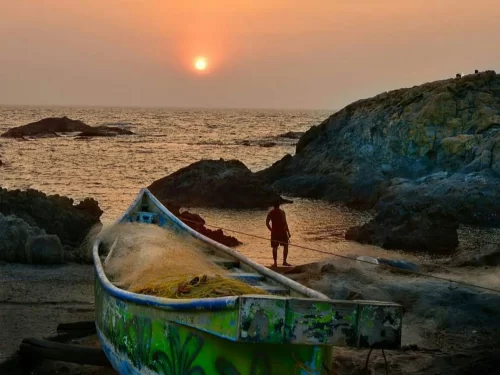
- Scattered fishing boats and coastal activity add authentic storytelling elements to candid photography.
- Low-tide conditions reveal natural sand patterns and tidal formations suitable for close-up and texture-focused shots.
- Elevated viewpoints along nearby dunes allow panoramic captures of the coastline with uninterrupted sea and sky views.