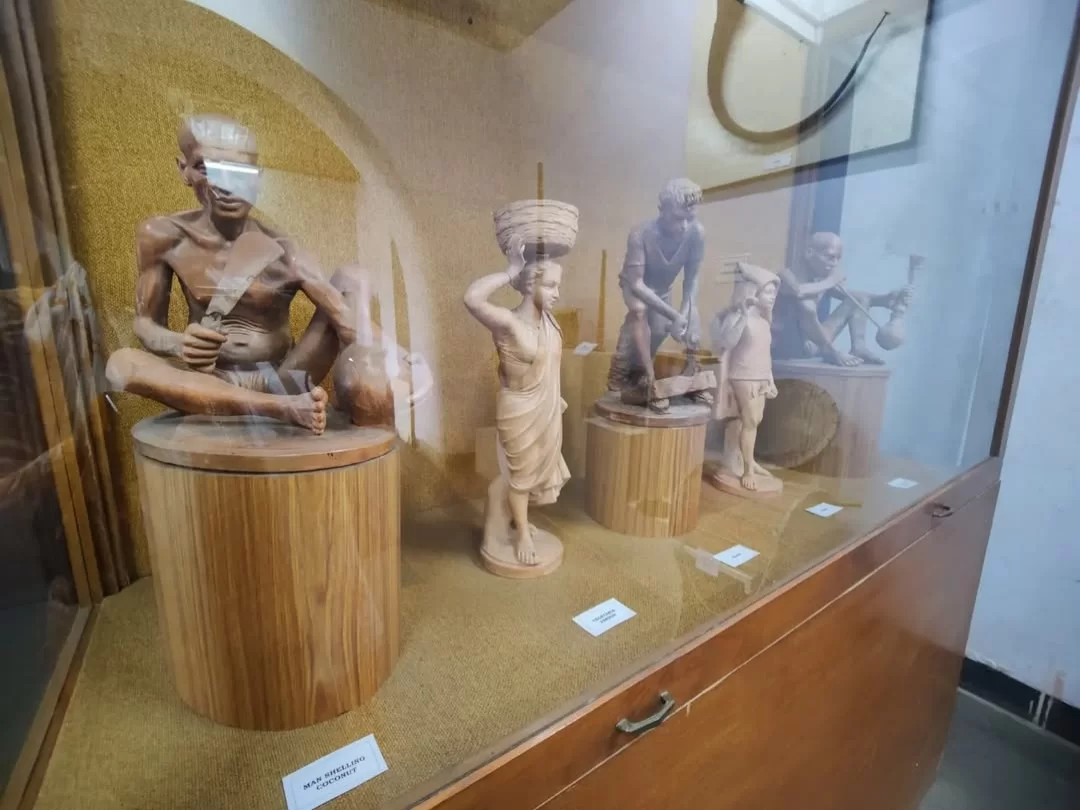
Goa State Museum, Panaji, North Goa, India

Goa State Museum , Panjim
Tourists visit the Goa State Museum to understand the region’s pre-Portuguese past, colonial period, and post-liberation developments through curated galleries. Exhibits include stone sculptures, coins, furniture, and ethnographic collections that provide historical context beyond the beach tourism image.

Quick Facts About Goa State Museum

Entry Fee 10
Timings 09:30 - 17:30
Altitude (m) 15
Ideal Visit Duration (hrs) 2
Best Time of Day Morning
Crowd Level Moderate
Distance from Panaji (km) 1
Walking Difficulty Easy
Parking Available No
Last Mile Access Road
Suitable for Kids Yes
Suitable for Seniors Yes
Wheelchair Friendly No

Why Visit Goa State Museum, Panaji, North Goa, India

Visitors come to the Goa State Museum in Panaji to explore collections covering Goan history, archaeology, art, numismatics, and ethnography under one roof. The galleries include stone sculptures, wooden artifacts, coins, manuscripts, and cultural displays that provide structured context to the region beyond its beaches and churches.

On the ground, the atmosphere is institutional and quiet, with labeled exhibits arranged across multiple sections inside a government-run building. Visitors move at their own pace through indoor galleries, and the experience is typically calm, with fewer crowds compared to major tourist monuments.

What makes the Goa State Museum distinct for travelers is its broad, cross-sectional view of Goa’s cultural layers presented in a single visit. Its central location in Panaji allows it to function as an educational stop that complements nearby heritage walks, markets, and waterfront areas.

History of Goa State Museum, Panaji, North Goa, India

Goa State Museum in Panaji, North Goa, India was established in 1977 to preserve and present the region’s archaeological, historical, and cultural heritage. The museum functions under the Directorate of Museums, Government of Goa, and is located near the Kala Academy complex in the state capital.

Its galleries display collections spanning prehistoric artifacts, stone sculptures, wooden carvings, manuscripts, numismatics, furniture, and Indo-Portuguese period objects. Several exhibits highlight Goa’s temple traditions, colonial-era administration, and artistic practices, offering a structured overview of the region’s layered past.

The museum is organized into themed sections, allowing visitors to move through distinct historical and cultural phases within a single complex. As a government-run institution, it operates on fixed public timings and entry regulations, serving as a reference point for understanding Goa beyond its coastal attractions.

Best Time to Visit Goa State Museum, Panaji, North Goa, India

Goa State Museum is an indoor attraction and can be visited throughout the year, but the most comfortable overall experience in Panaji comes during the cooler, dry months.
  • Ideal months: November to February
  • Best season weather: Pleasant temperatures (around 20–32°C) with lower humidity, making it easier to combine the museum visit with walking around Panaji’s city center and nearby attractions.
  • Periods to avoid: June to September if you plan to explore the city on foot, as heavy monsoon rainfall can disrupt movement between sites; April and May afternoons can be very hot and humid, making outdoor sightseeing uncomfortable.
```

How to Reach Goa State Museum, Panaji, North Goa, India

  • Nearest airport: Manohar International Airport (GOX), Mopa – approx. 31 km; Goa International Airport (GOI), Dabolim – approx. 28 km. Prepaid taxis and app-based cabs are available at both airports. Travel time typically ranges from 45 minutes to 1.5 hours depending on traffic conditions.
  • Nearest railway station: Karmali Railway Station – approx. 12 km. Madgaon (Margao) Railway Station – approx. 35 km for wider rail connectivity. From Karmali, taxis are the most practical option; bus connectivity to Panaji is available but may require transfers.
  • Road access: The Goa State Museum is located on Patto Plaza, Panaji, accessible via NH66 and city roads near the Mandovi River. Roads are well maintained, though traffic congestion is common during office hours and peak tourist season.
  • Last-mile connectivity: Taxis, rental scooters, and local buses can reach Patto Plaza directly. The Kadamba Bus Stand in Panaji is within walking distance (approx. 500 meters). Paid parking is available in the Patto area, but spaces may be limited during weekdays.

What to Expect When You Visit Goa State Museum, Panaji, North Goa, India

  • Environment and surroundings: Goa State Museum is located in Panaji within a government complex setting rather than a standalone heritage structure. The building is functional in design, and the interiors are organized into multiple galleries displaying sculptures, religious artifacts, paintings, coins, and Goan cultural exhibits. The atmosphere is generally quiet, with low to moderate visitor footfall.
  • Facilities and amenities: Entry is ticketed at a modest fee, with a reception counter at the entrance. Basic restrooms are available within the premises. There are no large cafés or food courts inside the museum building. Interpretation panels are present in most galleries, though the level of detail varies between sections.
  • Accessibility and movement: The museum is accessible by road from central Panaji, with parking available in the surrounding area. Movement inside involves navigating multiple floors connected by staircases; elevator access may be limited depending on operational status. Galleries are arranged sequentially, and walking distances are moderate.
  • Typical visitor behavior and conditions: Visitors include students, researchers, and domestic tourists interested in Goan history. The museum environment is calm, with visitors moving slowly through galleries. Photography policies may vary by section, and flash photography is generally discouraged.
  • Practical limitations to plan for: The museum operates during fixed government hours and remains closed on certain public holidays and specific weekdays. Some galleries may occasionally be under maintenance or partially closed. Signage is functional but not highly interactive, so prior context about Goan history can enhance the visit.

Important Visitor Information and Safety for Goa State Museum, Panaji, North Goa, India

  • Crowd and weather notes: The museum has moderate footfall throughout the year, with higher visitor numbers from November to February and during school excursion periods. As an indoor facility, galleries remain comfortable year-round, though the surrounding Panaji streets can feel hot and humid in summer and wet during monsoon.
  • Peak and quiet visiting hours: Late mornings (11:00 AM–1:00 PM) tend to see more visitors, especially on weekends and holidays. Early opening hours on weekdays are generally the quietest for viewing exhibits without crowding.
  • Dress code: There is no formal dress code, but modest and comfortable attire is appropriate for a government-run museum setting.
  • Safety notes and practical cautions: Photography may be restricted in certain sections; follow posted signage and staff instructions. Do not touch exhibits unless permitted, supervise children closely, and note that the museum remains closed on designated weekly holidays and public holidays.

Photography and Viewpoints at Goa State Museum, Panaji, North Goa, India

  • Best viewpoints and angles: The museum building is best photographed from across the main road or from the entrance forecourt to capture its full façade and landscaped frontage. Inside, galleries are arranged by theme; stand slightly to the side of display cases to reduce reflections when photographing sculptures, coins, and artifacts. Wider room compositions work best from corners where you can include ceiling height and multiple exhibit panels in one frame.
  • Time-of-day and lighting: Exterior shots are clearer in the morning when traffic is lighter and light falls evenly on the front elevation. Interior lighting is controlled and moderately dim to preserve exhibits, with spotlights focused on key objects. Midday glare can increase reflections on glass display cases, so earlier hours generally provide more manageable interior conditions.
  • Rules and restrictions: Photography policies may vary by gallery; flash photography is typically prohibited to protect artifacts. Certain sections may restrict photography altogether. Tripods and drones are not permitted inside the museum premises.
  • Crowds and access factors: Visitor flow is moderate, often increasing during weekends and school visits. Some galleries have narrow walkways, limiting space for wide-angle positioning. Arriving shortly after opening allows clearer access to exhibits and less obstruction in display areas.
```

Near By Attraction

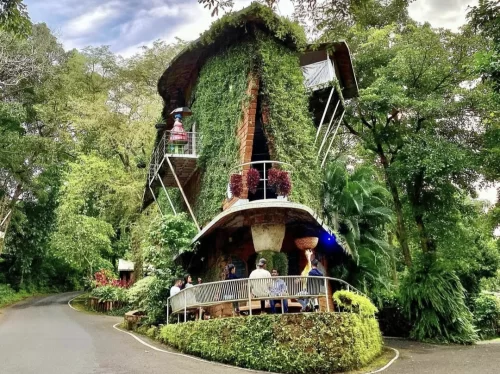
Iconic vine-covered brick house replica at Houses of Goa Museum South Goa, featuring tropical plants balcony visitors greenery path, perfect heritage experience Goa museum tour package. Museum

Houses of Goa Museum

Architectural museum showcasing Goan residential design and Indo-Portuguese housing styles.
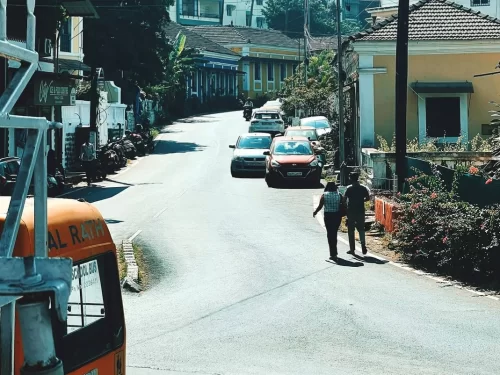
Panjim Market Goa bustling local street with shops, colonial houses and busy city road in Panaji Market / Bazaar

Panjim Market

Local municipal market complex selling fresh produce, seafood, spices, meats, and household goods.
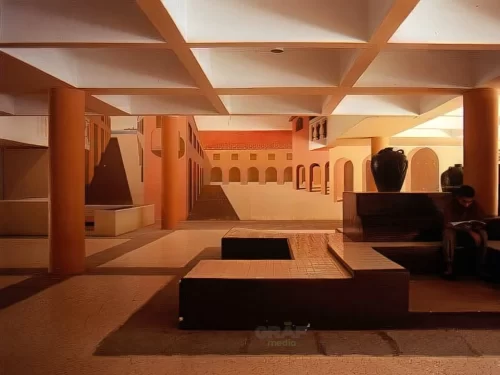
Kala Academy Panaji Goa cultural center with modern architecture and performing arts venue Tourist Attraction

Kala Academy

State-run cultural complex hosting theatre performances, music concerts, art exhibitions, and film screenings.

Frequently Asked Questions About Goa State Museum

Goa State Museum Goa is located in Patto, Panaji in North Goa. The museum complex is accessible by road from central Panaji.
Goa State Museum Goa generally charges a nominal entry fee for visitors. Ticket prices may vary for adults and students.
Goa State Museum Goa is usually open from Monday to Friday and may remain closed on weekends and public holidays. Visiting hours typically run from 9:30 AM to 5:30 PM.
A visit to Goa State Museum Goa typically takes 1 to 2 hours depending on the galleries explored.
Photography policies at Goa State Museum Goa may vary by section. Visitors should check on-site guidelines regarding camera usage.
Goa State Museum Goa is approximately 1 to 2 kilometers from Panjim Bus Stand. Travel time by car or auto usually takes 5 to 10 minutes.
Parking facilities are available near Goa State Museum Goa in designated areas around the complex.
Goa State Museum Goa provides exhibition galleries, restrooms, security screening, and basic visitor amenities within the building.
Goa State Museum Goa is suitable for students interested in history, archaeology, art, and Goan cultural heritage.
The best time to visit Goa State Museum Goa is between November and March when weather conditions are comfortable for exploring Panaji.

Loved this place ? Let’s Plan Your Goa Trip

Get customized Delhi tour planning designed around traffic flow, seasonal weather comfort, heritage site exploration time, and realistic city pacing. Whether you are visiting for historical monuments, cultural experiences, food walks, shopping districts,

⚡ Quick Response | 💰 Free consultation | 🕒 24×7 expert support

×

Plan Your Trip