+91 9910402252
admin@chalbanjare.com


| Entry Fee | Free |
| Timings | 00:00 - 23:59 |
| Altitude (m) | 10 |
| Ideal Visit Duration (hrs) | 2 |
| Best Time of Day | Morning |
| Crowd Level | Moderate |
| Distance from Panaji (km) | 1 |
| Walking Difficulty | Moderate |
| Parking Available | No |
| Last Mile Access | Walk |
| Suitable for Kids | Yes |
| Suitable for Seniors | Yes |
| Wheelchair Friendly | No |
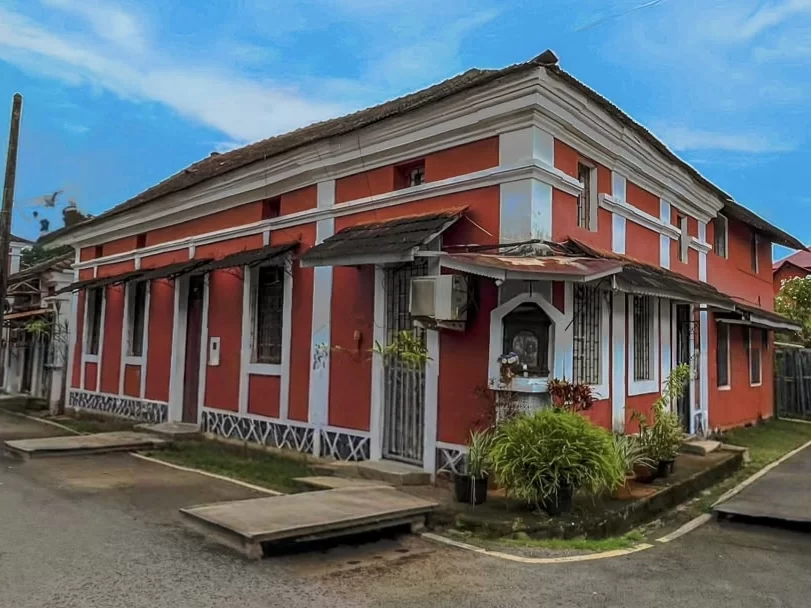
Visitors come to Fontainhas Latin Quarter in Panaji to walk through Goa’s oldest residential neighborhood, known for its narrow lanes lined with brightly painted Portuguese-era houses, small art galleries, and family-run cafés. It is best explored on foot, with many travelers pairing it with a short heritage walk to understand the layout and architecture.
On the ground, the atmosphere feels residential and lived-in, with locals moving through the lanes, scooters parked along pastel-colored walls, and occasional church bells from nearby chapels. The streets are compact and shaded, and photography is common, especially around tiled nameplates, overhanging balconies, and traditional windows.
What makes Fontainhas distinct for travelers is its preserved streetscape within the center of Panaji, offering a concentrated view of Indo-Portuguese design in a walkable area. Unlike standalone monuments, this is an active neighborhood where heritage buildings, homes, studios, and small eateries exist side by side.
Fontainhas Latin Quarter in North Goa developed in the late 18th century when Portuguese administrators and settlers expanded Panaji as the capital of Portuguese India. The area takes its name from “Fonte Phoenix,” a natural spring that once supplied water to the neighborhood. It remains the only well-preserved Latin quarter in India, reflecting Goa’s colonial-era urban planning.
The quarter is defined by narrow winding streets lined with brightly painted Portuguese-style houses featuring tiled roofs, ornamental balconies, oyster-shell windows, and overhanging verandas. Many homes date to the 18th and 19th centuries and continue to be residential properties, while some have been adapted into galleries, heritage inns, and small cafés.
Fontainhas also includes the Chapel of St. Sebastian, built in 1818, which serves the local Catholic community. Today, the area is recognized as a heritage precinct, and walking through its lanes offers a direct view of the architectural and cultural imprint of Portuguese rule within Panaji’s historic core.
The best time to explore Fontainhas Latin Quarter is during Goa’s cooler, dry months, when walking through its narrow lanes and heritage streets is comfortable and uninterrupted by rain.
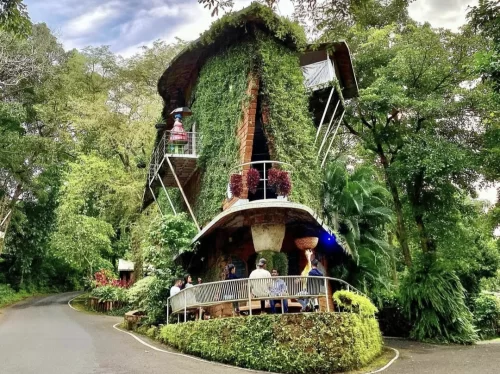 Museum
Architectural museum showcasing Goan residential design and Indo-Portuguese housing styles.
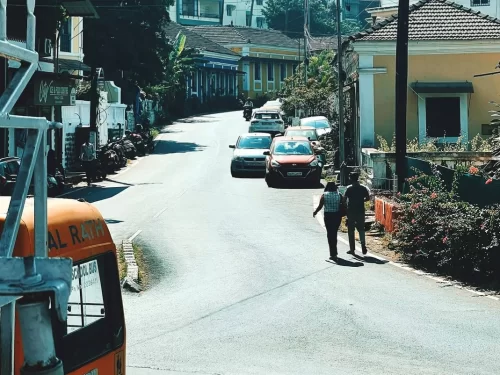 Market / Bazaar
Local municipal market complex selling fresh produce, seafood, spices, meats, and household goods.
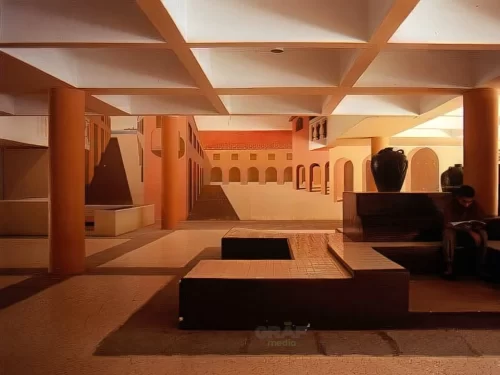 Tourist Attraction
State-run cultural complex hosting theatre performances, music concerts, art exhibitions, and film screenings.
Get customized Delhi tour planning designed around traffic flow, seasonal weather comfort, heritage site exploration time, and realistic city pacing. Whether you are visiting for historical monuments, cultural experiences, food walks, shopping districts,
⚡ Quick Response | 💰 Free consultation | 🕒 24×7 expert support

