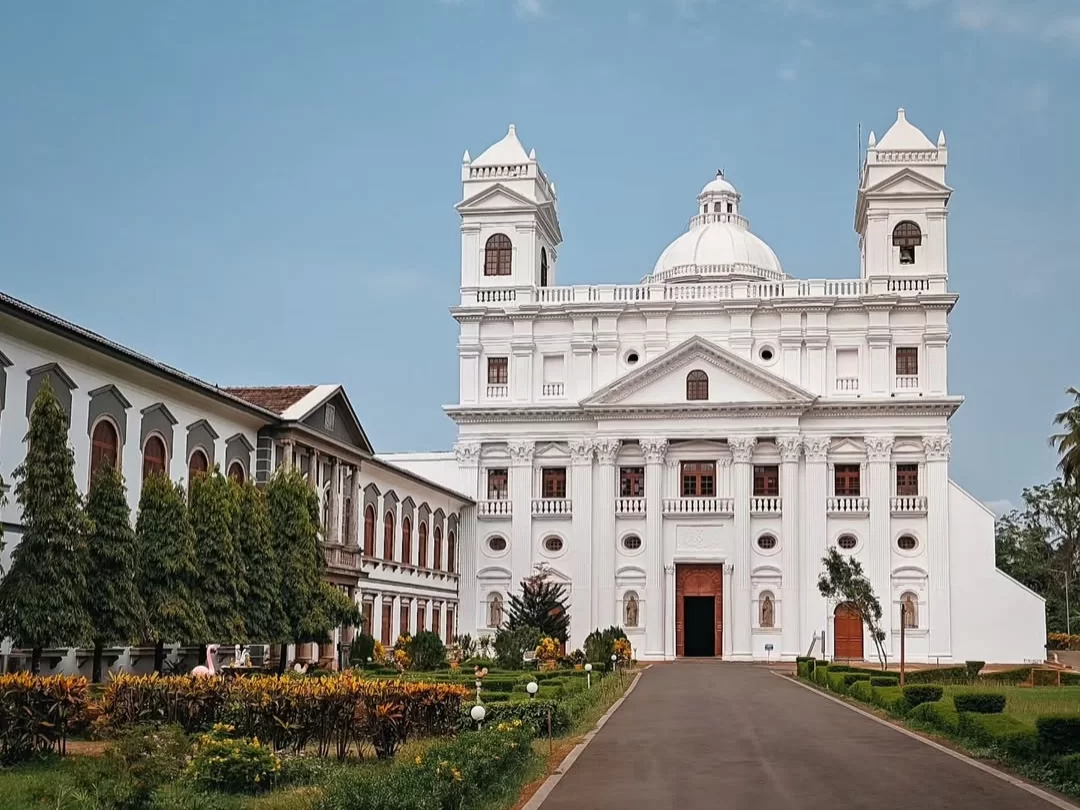
Church of St. Cajetan, Old Goa, North Goa, India

Church of St. Cajetan , Panjim
Tourists visit the Church of St. Cajetan for its Corinthian-style façade, domed architecture, and quiet setting within the UNESCO-listed churches of Old Goa. It reflects European Renaissance influence adapted to local materials and construction methods.

Quick Facts About Church of St. Cajetan

Entry Fee Free
Timings 09:00 - 17:00
Altitude (m) 5
Ideal Visit Duration (hrs) 1
Best Time of Day Morning
Crowd Level Moderate
Distance from Panaji (km) 10
Walking Difficulty Easy
Parking Available Yes
Last Mile Access Road
Suitable for Kids Yes
Suitable for Seniors Yes
Wheelchair Friendly No

Why Visit Church of St. Cajetan

Visitors come to the Church of St. Cajetan in Old Goa to see its distinctive dome inspired by St. Peter’s Basilica in Rome and to explore one of the lesser-crowded churches within the Old Goa complex. The church’s Corinthian columns, detailed altars, and symmetrical layout draw travelers interested in architecture and religious art.

On the ground, the atmosphere is quieter compared to the larger neighboring churches, with a steady but lighter flow of visitors walking through the central nave and side chapels. The pale façade, broad steps, and open surroundings give clear views of the structure before entry, and the interior feels airy with soft natural light filtering through high windows.

What makes the Church of St. Cajetan distinct for travelers is its European-style dome set within a Goan landscape, creating a visual contrast not commonly seen in other churches in the region. Its proximity to Se Cathedral and the Basilica of Bom Jesus allows you to include it easily in a compact walking circuit of Old Goa’s key landmarks.

History of Church of St. Cajetan, North Goa

The Church of St. Cajetan in North Goa was built in 1661 by Italian Theatine friars who came to Goa during Portuguese rule. Inspired by St. Peter’s Basilica in Rome, the church reflects classical Renaissance architecture, with Corinthian columns and a prominent central dome. It stands within the UNESCO-listed Churches and Convents of Goa complex in Old Goa.

The façade features Corinthian pilasters and niches that once held statues of apostles, while the interior follows a Greek cross layout with a central dome supported by massive piers. The main altar is dedicated to Our Lady of Divine Providence, and side altars honor St. Cajetan and other saints associated with the Theatine order.

Beneath the church are vaults believed to have been used as burial chambers for Portuguese nobles and clergy. Today, the church is part of the protected heritage complex in Old Goa, and visitors can observe its European-influenced design within the broader historical setting of Goa’s colonial-era religious architecture.

Best Time to Visit Church of St. Cajetan, North Goa

The most comfortable time to visit the Church of St. Cajetan is during Goa’s dry winter season, when walking around the Old Goa heritage complex is easier and outdoor exploration is not affected by rain.

  • Ideal months: November to February
  • Best season weather: Comfortable daytime temperatures (around 20–32°C), relatively lower humidity, and clear skies, making it easier to explore the open grounds and nearby churches without heat stress.
  • Periods to avoid: June to September because of heavy monsoon rainfall that can make the surrounding pathways wet and slippery; April and May afternoons tend to be very hot and humid, reducing comfort during extended sightseeing.
```

How to Reach Church of St. Cajetan, North Goa

  • Nearest airport: Manohar International Airport (GOX), Mopa – approx. 28 km; Goa International Airport (GOI), Dabolim – approx. 29 km. Prepaid taxis and app-based cabs are available at both airports. Travel time typically ranges from 45 minutes to 1.5 hours depending on traffic conditions.
  • Nearest railway station: Karmali Railway Station – approx. 3 km. Madgaon (Margao) Railway Station – approx. 35 km for major rail connectivity. From Karmali, taxis are the most convenient option as local bus services are infrequent.
  • Road access: The Church of St. Cajetan is located within the Old Goa Church Complex, about 10 km from Panaji via NH66 and internal Old Goa roads. Roads are in good condition, though traffic increases during peak tourist season (November–February) and religious events.
  • Last-mile connectivity: Visitors can arrive directly by taxi, rental scooter, or self-drive vehicle. Public buses from Panaji stop near the Old Goa Church Complex, followed by a short walk to the church. Parking is available nearby but can become crowded during weekends and feast days.
```

What to Expect When You Visit Church of St. Cajetan, North Goa

  • Environment and surroundings: The Church of St. Cajetan is located in Old Goa near the Se Cathedral complex, set along a quieter stretch compared to the main cluster of churches. The exterior features a dome inspired by St. Peter’s Basilica in Rome, and the interior is relatively simple, with Corinthian-style columns and a central altar. The atmosphere is generally calm, with fewer crowds than the Basilica of Bom Jesus.
  • Facilities and amenities: There are no commercial facilities inside the church. Basic public amenities such as parking and restrooms are available within the broader Old Goa church complex area, but options are limited. There are no dedicated shops within the immediate church premises.
  • Accessibility and movement: The church is accessible via flat pathways from the main Old Goa road and parking zones. A few low steps lead to the entrance. The interior is open and easy to navigate, though wheelchair access may require assistance at the entrance steps.
  • Typical visitor behavior and conditions: Visitors include tourists exploring the Old Goa heritage zone and occasional pilgrims. The church is quieter than nearby landmarks, allowing for a slower visit. Photography is generally permitted without flash, and visitors are expected to maintain respectful behavior as it remains a religious site.
  • Practical limitations to plan for: Shade around the structure is limited, and the surrounding open grounds can be hot during midday. There is minimal on-site interpretation or signage, so most visitors rely on guides or prior reading for historical context.
```

Important Visitor Information for Church of St. Cajetan, North Goa

  • Crowd and weather notes: The church receives moderate footfall compared to nearby Basilica of Bom Jesus and Se Cathedral, but visitor numbers increase during the November–February tourist season. The surrounding open complex offers limited shade, and summer afternoons (March–May) can feel hot and humid, while monsoon months bring damp steps and wet walkways.
  • Peak and quiet visiting hours: Late mornings (10:30 AM–1:00 PM) see the highest visitor movement, especially when tour buses arrive in Old Goa. Early weekday mornings are typically the quietest for exploring the interiors without disturbance.
  • Dress code: As an active place of worship, modest clothing is expected. Visitors should wear attire that covers shoulders and knees; hats should be removed inside the church.
  • Safety notes and practical cautions: The laterite stone flooring and entrance steps can be slippery during monsoon season. Maintain silence during prayer time, avoid flash photography near the altar, and keep personal belongings secure during peak hours.
```

Photography and Viewpoints at Church of St. Cajetan, North Goa

  • Best viewpoints and angles: The open plaza in front of the church allows a full-frontal view of its Corinthian-style façade and central dome, best captured from slightly back toward the edge of the square to include the complete elevation. Moving a few steps to either side helps emphasize the depth of the columns and side towers. Inside (where permitted), stand along the central aisle to frame the symmetrical nave leading toward the main altar, while side aisles provide closer perspectives of the gilded altars and detailed stucco work.
  • Time-of-day and lighting: Morning light offers balanced illumination on the pale exterior walls and dome without harsh contrast. Midday sun can wash out façade details due to the bright white surface. Interior lighting is soft but relatively dim, with natural light filtering through high windows; late morning generally provides the most even interior exposure.
  • Rules and restrictions: Photography is typically allowed in the exterior grounds. Inside the church, flash photography is discouraged, especially during prayer times. Drone usage is not permitted within the heritage complex due to religious and conservation regulations.
  • Crowds and access factors: The church receives moderate tourist traffic compared to nearby major churches, but group tours can arrive during late morning hours. Visiting early in the day allows clearer interior compositions and easier movement along the nave.
```

Near By Attraction

Iconic vine-covered brick house replica at Houses of Goa Museum South Goa, featuring tropical plants balcony visitors greenery path, perfect heritage experience Goa museum tour package. Museum

Houses of Goa Museum

Architectural museum showcasing Goan residential design and Indo-Portuguese housing styles.
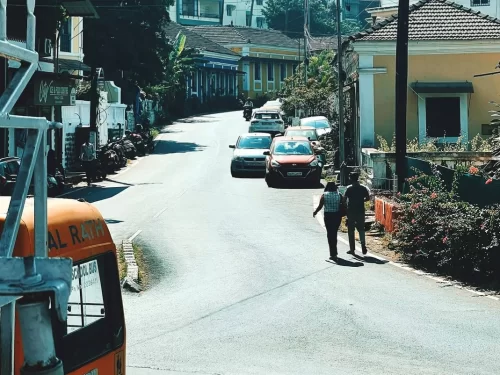
Panjim Market Goa bustling local street with shops, colonial houses and busy city road in Panaji Market / Bazaar

Panjim Market

Local municipal market complex selling fresh produce, seafood, spices, meats, and household goods.
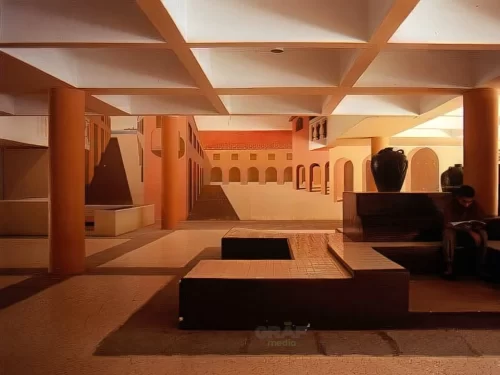
Kala Academy Panaji Goa cultural center with modern architecture and performing arts venue Tourist Attraction

Kala Academy

State-run cultural complex hosting theatre performances, music concerts, art exhibitions, and film screenings.

Frequently Asked Questions About Church of St. Cajetan

Church of St. Cajetan Goa is located in Old Goa in North Goa. The church stands near the Se Cathedral and is accessible by road.
There is no entry fee to visit Church of St. Cajetan Goa. Visitors can enter the church premises free of charge.
Church of St. Cajetan Goa is generally open daily during daytime hours. Visiting access may be restricted during religious services.
A visit to Church of St. Cajetan Goa typically takes 30 to 60 minutes depending on time spent inside the church and surrounding complex.
Photography inside Church of St. Cajetan Goa is usually allowed without flash. Visitors should follow on-site guidelines and respect prayer activities.
Church of St. Cajetan Goa is approximately 10 kilometers from Panaji. Travel time by car usually ranges between 20 to 30 minutes depending on traffic.
Parking facilities are available near Church of St. Cajetan Goa within the Old Goa church complex area.
Church of St. Cajetan Goa provides seating inside the prayer hall and open spaces around the church complex. Extensive tourist facilities are limited.
Church of St. Cajetan Goa can be moderately crowded between December and January due to peak tourism and church visits in Old Goa.
Church of St. Cajetan Goa is suitable for families visiting for sightseeing or religious purposes. Visitors are expected to wear modest clothing.

Loved this place ? Let’s Plan Your Goa Trip

Get customized Delhi tour planning designed around traffic flow, seasonal weather comfort, heritage site exploration time, and realistic city pacing. Whether you are visiting for historical monuments, cultural experiences, food walks, shopping districts,

⚡ Quick Response | 💰 Free consultation | 🕒 24×7 expert support

×

Plan Your Trip