+91 9910402252
admin@chalbanjare.com



| Entry Fee | No entry fee free to visit the fort |
|---|---|
| Timings | Open daily from 9 00 AM to 5 30 PM visitors generally allowed during daylight hours |
| Altitude (m) | Located at approximately 60 meters above sea level overlooking Chapora River and Arabian Sea |
| Ideal Visit Duration | 45 minutes to 1.5 hours to explore fort ruins and enjoy panoramic views |
| Best Time of Day | Late afternoon for cooler weather and sunset views |
| Crowd Level | Moderate to high especially during tourist season from October to March |
| Distance from City Centre (km) | About 21 kilometers from Panaji and around 10 kilometers from Mapusa |
| Walking Difficulty | Moderate walking difficulty with uphill climb and uneven stone pathways |
| Parking Available | Yes limited parking available near the base of the fort hill |
| Last Mile Access | Accessible by taxi scooter or private vehicle to the base followed by short uphill walk |
| Suitable for Kids | Moderate suitability due to steep climb and open fort edges |
| Suitable for Seniors | Limited suitability due to uphill climb and uneven terrain |
| Wheelchair Friendly | Not wheelchair accessible due to steep slope and uneven stone pathways |
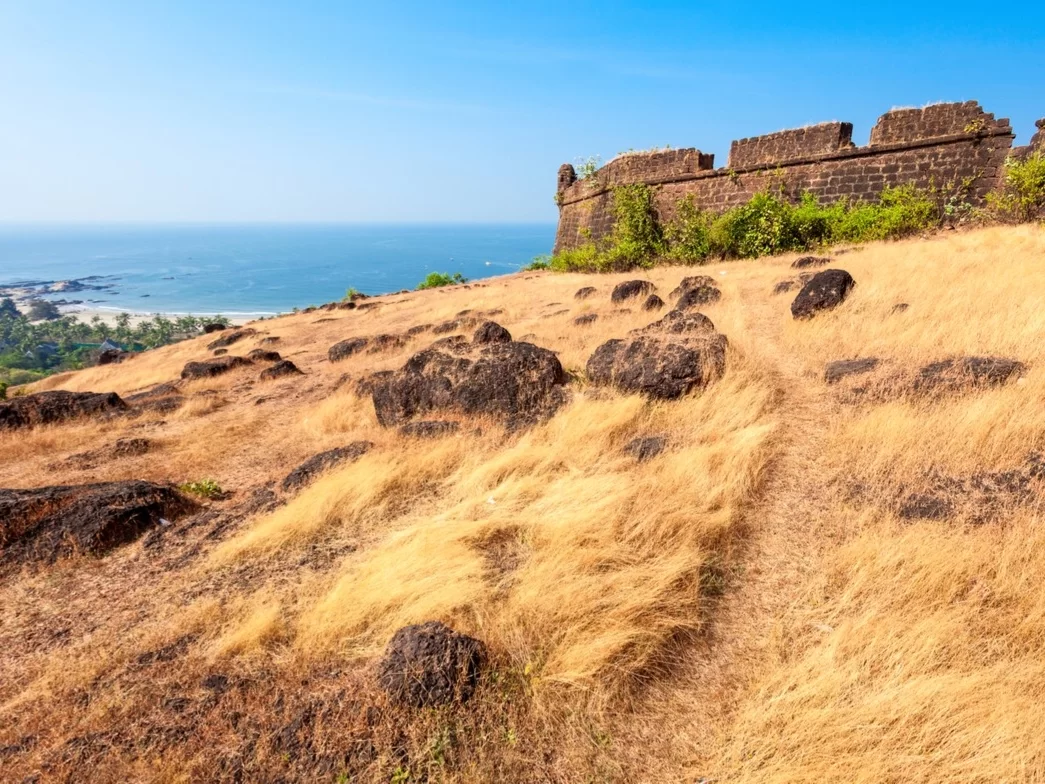
Atmosphere at Chapora Fort is open and windswept, offering expansive views of the Arabian Sea and the Chapora River. Perched on a hilltop above Vagator Beach, the fort provides a raw and dramatic coastal setting where visitors can enjoy uninterrupted sea breezes and panoramic horizons. The minimal remaining structures allow the landscape itself to dominate the experience, creating a scenic and cinematic ambiance.
What makes Chapora Fort special is its historic Portuguese origins and its commanding vantage point over North Goa’s coastline. Originally built as a defensive stronghold, the fort today is known for its sweeping sunset views and its appearance in popular culture, which has added to its recognition among travelers. Visitors can walk along the laterite ramparts, explore the open grounds, and capture striking photographs of the river meeting the sea. The elevated viewpoint makes it one of the most iconic scenic spots in the region.
Beyond its historical background, Chapora Fort represents the rugged and untamed beauty of Goa’s coastal landscape. It attracts photographers, history enthusiasts, couples, and travelers seeking memorable viewpoints rather than detailed architectural exploration. The visit leaves guests with lasting impressions of golden sunsets, sweeping seascapes, and the timeless charm of Goa’s hilltop forts.
Chapora Fort, located in North Goa overlooking the Chapora River, was originally built by the Adil Shahi rulers of Bijapur before coming under Portuguese control in 1617. The Portuguese reconstructed and strengthened the fort to defend their northern territories against invasions by the Marathas and other regional forces. Its strategic hilltop position provided a commanding view of the river and the Arabian Sea, making it a key military outpost.
Throughout the 17th and 18th centuries, Chapora Fort changed hands multiple times during conflicts between the Portuguese and the Marathas. Despite periodic reinforcement, the fort gradually lost its strategic importance as military priorities shifted and newer defense systems were developed along the Goan coastline.
Eventually abandoned by the Portuguese, the fort fell into ruins but retained its imposing laterite stone walls and bastions. Today, Chapora Fort stands as a historic landmark offering panoramic coastal views, symbolizing Goa’s turbulent colonial past and its role in regional power struggles along India’s western coast.
The best time to visit Chapora Fort in North Goa depends on weather comfort and visibility, as the fort is situated on an elevated hilltop overlooking Vagator Beach and the Arabian Sea. Seasonal planning ensures a comfortable climb and clear panoramic views.
November to March is considered the ideal period to visit. During these months, the weather is cool and pleasant with clear skies, making it comfortable to walk up to the fort and explore the open ruins without excessive heat or humidity.
Summer months from April to June can be hot, especially during midday. Early morning or late afternoon visits are strongly recommended to avoid peak heat while enjoying scenic coastal vistas and sunset photography.
Monsoon season from June to September transforms the surrounding hills into lush green landscapes, offering dramatic and picturesque views. However, the climbing path can become slippery during rainfall, so visitors should exercise caution.
 Beach
Beach
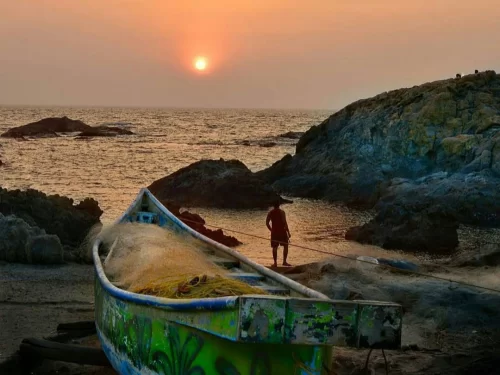
A stunning beach in North Goa known for its dramatic red cliffs, lively parties, and breathtaking sunsets.
 Tourist Attraction
Offshore floating casino operating on the Mandovi River with gaming floors, live entertainment, and dining facilities.
 Church
UNESCO-listed 17th-century Baroque church housing the mortal remains of St. Francis Xavier.
Get customized Delhi tour planning designed around traffic flow, seasonal weather comfort, heritage site exploration time, and realistic city pacing. Whether you are visiting for historical monuments, cultural experiences, food walks, shopping districts,
⚡ Quick Response | 💰 Free consultation | 🕒 24×7 expert support

