+91 9910402252
admin@chalbanjare.com


| Entry Fee | No entry fee free to visit the chapel |
|---|---|
| Timings | Generally open daily from 7 00 AM to 7 00 PM, mass timings vary on Sundays and feast day |
| Altitude (m) | Located at approximately 30 meters above sea level near Fort Aguada in North Goa |
| Ideal Visit Duration | 30 minutes to 1 hour for prayer and quiet visit |
| Best Time of Day | Morning hours for peaceful surroundings and natural light |
| Crowd Level | Low on regular days moderate during annual feast of Saint Lawrence in August |
| Distance from City Centre (km) | About 18 kilometers from Panaji and around 15 kilometers from Mapusa |
| Walking Difficulty | Low walking difficulty with short path access from road |
| Parking Available | Limited roadside parking available near the chapel |
| Last Mile Access | Accessible by taxi scooter or private vehicle via Sinquerim road near Fort Aguada |
| Suitable for Kids | Yes suitable for children with supervision inside prayer hall |
| Suitable for Seniors | Yes generally suitable with easy ground level access |
| Wheelchair Friendly | Partially wheelchair accessible depending on entrance ramp availability |
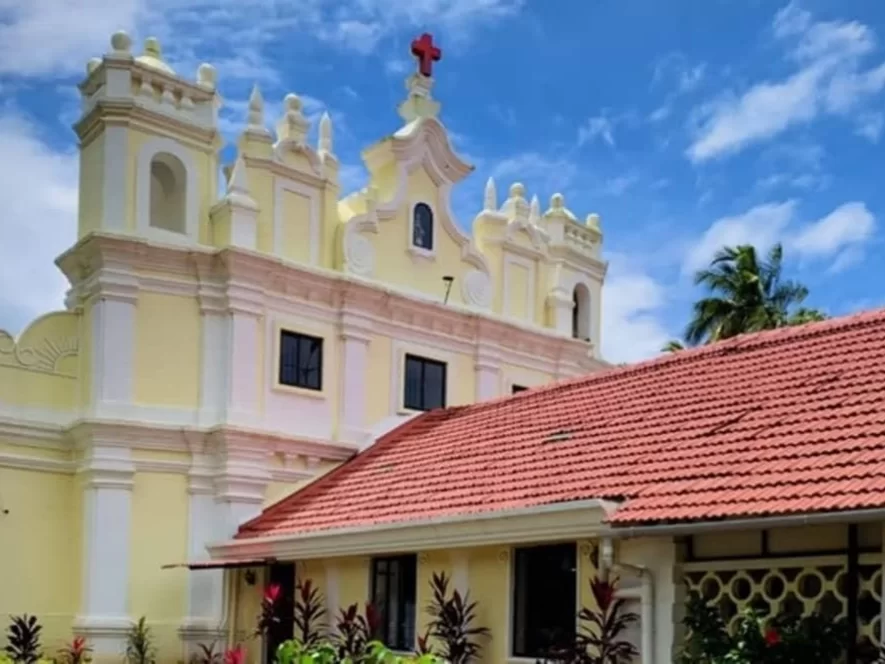
Atmosphere at the Chapel of St. Lawrence is peaceful and contemplative, perched on a scenic hilltop overlooking the Arabian Sea and the Mandovi River. The elevated location offers refreshing coastal breezes and panoramic views, creating a serene environment ideal for quiet reflection. The simplicity of the whitewashed structure enhances the calm and spiritual ambiance of the surroundings.
What makes the Chapel of St. Lawrence special is its historical and maritime significance. Built during the Portuguese era, the chapel was dedicated to St. Lawrence, the patron saint of sailors, reflecting Goa’s deep connection with sea trade and navigation. Its hilltop position once served as a vantage point for spotting ships entering the river, adding strategic importance to its spiritual role. The modest yet elegant architecture showcases classic colonial influences that highlight Goa’s ecclesiastical heritage.
Beyond its architectural charm, the chapel represents centuries of faith intertwined with coastal history. It attracts pilgrims, history enthusiasts, photographers, and travelers seeking a quieter heritage site away from busier tourist landmarks. The visit leaves guests with lasting impressions of scenic vistas, colonial legacy, and the tranquil spiritual atmosphere that defines this historic chapel.
The Chapel of St. Lawrence, located atop Sinquerim Hill near Fort Aguada in North Goa, was built in 1630 during the Portuguese colonial period. Dedicated to St. Lawrence, the patron saint of sailors, the chapel held strategic and spiritual importance for Portuguese seafarers navigating the Arabian Sea and entering the Mandovi River.
Its elevated position offered panoramic views of the coastline, allowing it to serve not only as a place of worship but also as a vantage point overlooking the sea. Mariners are believed to have offered prayers here before embarking on long voyages, seeking protection from storms and naval threats during an era when maritime travel was fraught with danger.
Closely associated with the nearby Fort Aguada, the chapel forms part of Goa’s coastal defense and ecclesiastical network developed under Portuguese rule. Today, it stands as a quiet yet historically meaningful landmark, reflecting the intertwined legacy of faith, navigation, and colonial presence along Goa’s northern coastline.
The best time to visit the Chapel of St. Lawrence in Sinquerim, Goa, depends on weather comfort and scenic visibility, as the chapel is located on a hilltop offering beautiful views of the Arabian Sea and surrounding coastline. Seasonal planning enhances both the spiritual and visual experience.
November to March is considered the ideal period to visit. During these months, the weather is cool and pleasant with clear skies, making it comfortable to explore the chapel grounds and enjoy panoramic coastal views without excessive heat or humidity.
Summer months from April to June can be warm, especially during midday. Early morning or late afternoon visits are recommended to avoid peak temperatures while experiencing the peaceful atmosphere and scenic surroundings.
Monsoon season from June to September brings heavy rainfall and lush green landscapes. While the chapel appears particularly picturesque against dramatic monsoon skies, pathways may become slippery, so visitors should exercise caution.
 Museum
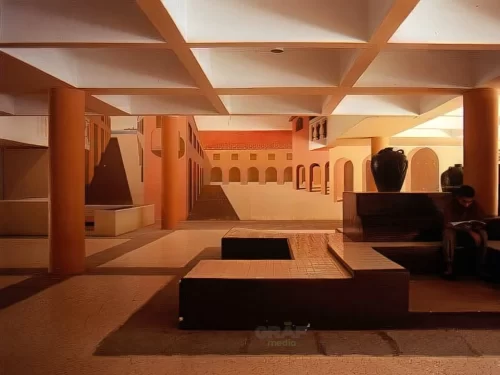
Architectural museum showcasing Goan residential design and Indo-Portuguese housing styles.
 Market / Bazaar
Local municipal market complex selling fresh produce, seafood, spices, meats, and household goods.
 Tourist Attraction
State-run cultural complex hosting theatre performances, music concerts, art exhibitions, and film screenings.
Get customized Delhi tour planning designed around traffic flow, seasonal weather comfort, heritage site exploration time, and realistic city pacing. Whether you are visiting for historical monuments, cultural experiences, food walks, shopping districts,
⚡ Quick Response | 💰 Free consultation | 🕒 24×7 expert support

