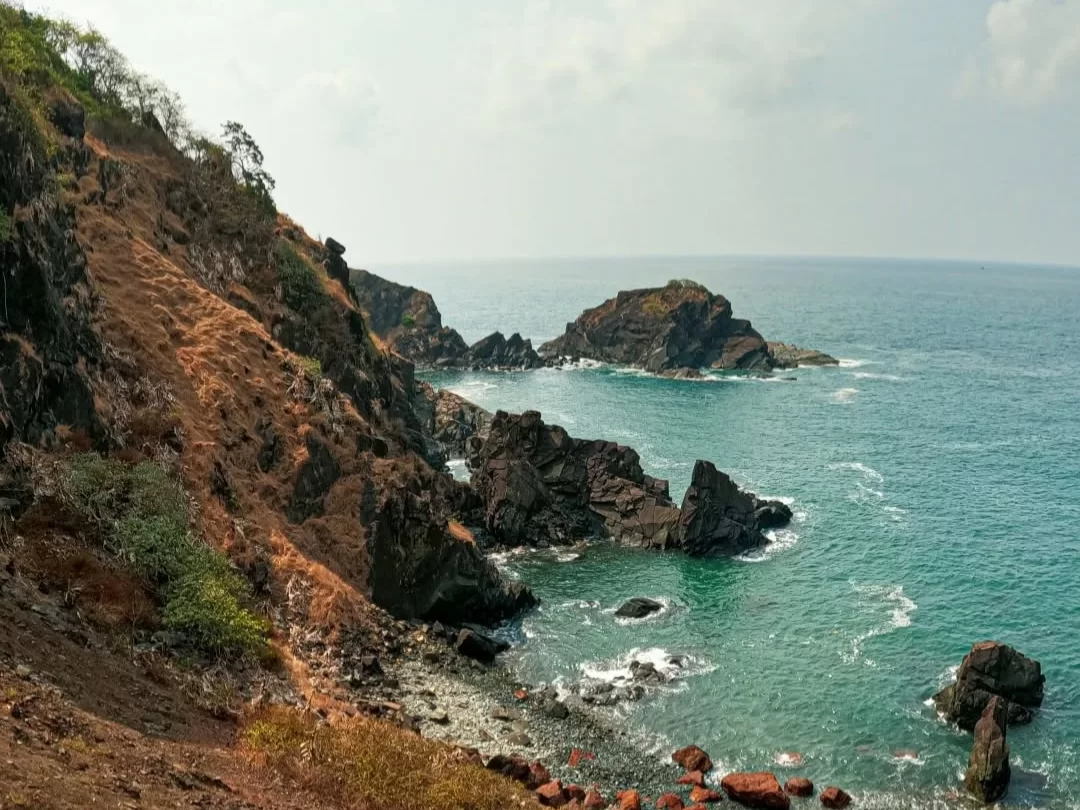
Cabo de Rama Fort, South Goa – History, Views, Timings, and Visitor Guide

Cabo de Rama Fort , South Goa
Cabo de Rama Fort is located in Canacona, South Goa, on a headland overlooking the Arabian Sea. The present structure dates mainly to Portuguese reconstruction in 1763, though earlier fortifications existed under local rulers. The site later served as a military outpost and prison. Today visitors can walk through laterite ramparts, see old cannons and the Chapel of St. Anthony, and explore open viewpoints along the cliffs. Facilities inside the fort are minimal, and access is best by private vehicle from Margao or nearby beaches like Agonda.

Quick Facts About Cabo de Rama Fort

Quick Facts: Cabo de Rama Fort, South Goa

Entry Fee No entry fee
Timings Generally open daily: 9:00 AM – 5:30 PM (no formal ticketed entry; access may be unrestricted but best visited during daylight hours)
Altitude (m) ~90 m above sea level
Ideal Visit Duration 60–90 minutes
Best Time of Day Late afternoon for coastal views and sunset over the Arabian Sea
Crowd Level Low to moderate; slightly busier during weekends and peak season (November–February)
Distance from City Centre (km) ~28 km from Margao city centre
Walking Difficulty Moderate; uneven stone paths, open edges, and mild inclines
Parking Available Yes; open parking area near the fort entrance
Last Mile Access Accessible by road via Canacona; final stretch includes narrow coastal roads
Suitable for Kids Yes; close supervision required due to unguarded cliff edges
Suitable for Seniors Partly; manageable with careful walking on uneven surfaces
Wheelchair Friendly No; uneven terrain and lack of paved pathways

Why Visit Cabo de Rama Fort, South Goa

Visitors come to Cabo de Rama Fort for its open cliffside viewpoints overlooking the Arabian Sea, quiet walking spaces inside the fort walls, and the chance to explore a large coastal site without heavy crowds common at North Goa landmarks.

The on-ground atmosphere is generally calm and uncrowded, with wide grassy patches, scattered ruins, and uninterrupted sea views. Apart from occasional local visitors and photographers, the area remains relatively peaceful, especially on weekday mornings.

What makes Cabo de Rama Fort distinct is its raw, less-commercialized setting compared to other Goan forts. The combination of accessible ramparts, functioning hilltop chapel, and expansive headland location offers a coastal fort experience that feels open and largely undeveloped.

History of Cabo de Rama Fort, South Goa

Cabo de Rama Fort stands on a coastal headland in Canacona and has seen multiple phases of control before Portuguese rule, including local Hindu and later Muslim rulers who used the site for coastal defense due to its strategic sea-facing position.

The present fortifications largely date to 1763, when the Portuguese captured the territory from the Raja of Sonda and rebuilt the structure with laterite walls, bastions, and internal facilities to serve as a military outpost along Goa’s southern coast.

During the later Portuguese period, the fort was also used as a prison and administrative post until the mid-20th century. A small chapel dedicated to St. Anthony, still standing within the fort complex, reflects its continued local religious use during and after colonial occupation.

Best Time to Visit Cabo de Rama Fort, South Goa

Cabo de Rama Fort is most comfortable to explore during Goa’s dry winter season when temperatures are milder and walking conditions on the exposed laterite paths are safer. The fort remains open year-round, but heat and monsoon rains can affect the on-ground experience, especially due to limited shade and uneven surfaces.

  • Ideal months: November to February
  • Weather conditions during the best season: Dry days, clearer coastal views, lower humidity compared to summer, and more comfortable daytime walking conditions
  • Periods to avoid: June to September monsoon due to heavy rain, slippery terrain, and limited visibility; April to May afternoons due to intense heat and minimal shade inside the fort

How to Reach Cabo de Rama Fort, South Goa

  • Nearest airport: Goa International Airport (Dabolim) approx. 55–60 km; Manohar International Airport (Mopa) approx. 100–105 km. Travel onward by taxi or self-drive vehicle.
  • Nearest railway station: Canacona (Chaudi) Railway Station approx. 17–20 km; Madgaon (Margao) Junction approx. 28–30 km with wider train connectivity. Taxis and rented bikes available outside stations.
  • Road access and last-mile connectivity: Reachable via South Goa coastal roads through Agonda or via Chinchinim–Assolna–Betul route from Margao. Final stretch includes narrow village roads with limited signage; public buses do not reach the fort entrance, so private transport or hired taxi is the practical option.

What to Expect When You Visit Cabo de Rama Fort, South Goa

  • Environment and surroundings: A large, open laterite fort complex on a sea-facing headland with grassy patches, ruined walls, cliffside viewpoints, and a small operational chapel; minimal commercial development within the site.
  • Facilities and amenities: Limited infrastructure inside the fort; visitors should not expect formal restrooms, food stalls, or shaded seating areas. Carry water, sun protection, and basic supplies.
  • Accessibility and movement: Entry through a main gate followed by walking across uneven surfaces, slopes, and unmarked paths; terrain can be slippery during or after rain, and there are open cliff edges without barriers in some areas.
  • Typical visitor behavior and conditions: Usually low to moderate footfall with more activity during weekends and around sunset; common visitors include photographers and independent travelers, with quiet conditions on weekday mornings.

Important Visitor Information and Safety for Cabo de Rama Fort, South Goa

  • Crowd and weather notes: Generally uncrowded compared to major Goan forts; exposure to direct sun and coastal winds is high due to open terrain. Surfaces become slippery during monsoon rains.
  • Peak and quiet visiting hours: Higher footfall on weekends and around sunset viewpoints; quieter conditions typically during weekday mornings.
  • Dress code: No formal dress code, but modest clothing is recommended when entering the active Chapel of St. Anthony within the fort complex.
  • Safety notes and practical cautions: Open cliff edges and uneven laterite ground require careful movement; limited barriers in some sections. Carry water, wear sturdy footwear, and remain cautious of monkeys occasionally seen near quiet areas.

Photography and Viewpoints at Cabo de Rama Fort, South Goa

  • Best viewpoints and angles: Sea-facing ramparts along the western edge provide wide Arabian Sea panoramas; elevated bastions near the main walls offer headland coastline perspectives; open grassy sections inside the fort give clear views of surrounding cliffs.
  • Lighting and time-of-day considerations: Late afternoon and sunset create strong coastal light and long shadows over the ramparts; mornings offer clearer visibility with fewer heat distortions and less haze during dry-season months.
  • Photography rules or restrictions: Photography is generally permitted in open areas; maintain respectful behavior and modesty when photographing near the active Chapel of St. Anthony and avoid disturbing ongoing worship.
  • Crowd and access factors: Weekends and sunset periods attract more photographers, which can limit space on narrow ramparts; uneven surfaces and open cliff edges require cautious positioning when setting up shots.

Near By Attraction

Dynamic leaping dolphin spotting Arabian Sea partly cloudy, featuring arched jump water splash turquoise ocean, perfect Goa dolphin safari boat tour package. Tourist Attraction

Dolphin Spotting

Experience the thrill of watching playful dolphins in their natural habitat along the scenic coastline of South Goa.
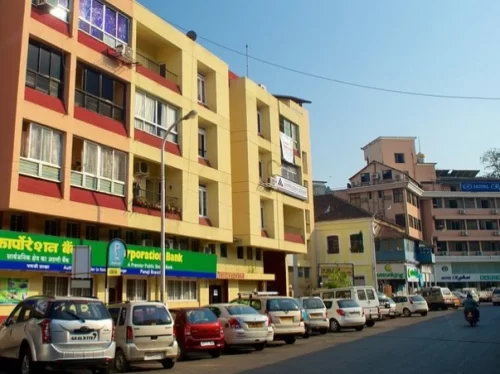
18th June Road Panaji Goa bustling market street with shops, banks and parked cars in city center Shopping Street

18th June Road

Primary commercial street in Panaji known for retail shops, cafés, and daily city activity.
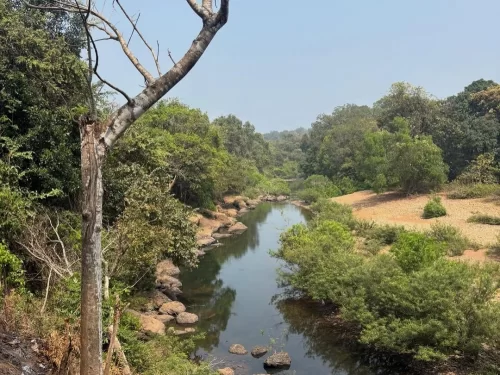
Cotigao Wildlife Sanctuary Goa dense forest reserve with river stream and lush greenery in South Goa Wildlife Sanctuary

Cotigao Wildlife Sanctuary

Protected forest area known for dense vegetation, walking trails, and watchtowers for wildlife observation.

Frequently Asked Questions About Cabo de Rama Fort

Cabo de Rama Fort Goa is located in South Goa near Canacona between Colva and Agonda. The fort stands on a cliff overlooking the Arabian Sea.
There is no entry fee to visit Cabo de Rama Fort Goa. Visitors can access the fort premises free of charge.
The best time to visit Cabo de Rama Fort Goa is between November and March when the weather remains suitable for walking and sightseeing.
A visit to Cabo de Rama Fort Goa typically takes 1 to 2 hours depending on time spent exploring the fort ruins and viewpoints.
Cabo de Rama Fort Goa is known for panoramic sunset views due to its elevated cliffside location overlooking the sea.
Cabo de Rama Fort Goa is approximately 30 to 35 kilometers from Margao. Travel time by car usually ranges between 1 to 1.5 hours depending on road conditions.
Parking facilities are available near Cabo de Rama Fort Goa in designated areas close to the entrance.
Cabo de Rama Fort Goa has limited facilities. Visitors should not expect restrooms or food stalls inside the fort premises.
Cabo de Rama Fort Goa is generally less crowded than popular North Goa forts, though visitor numbers increase between December and January.
Cabo de Rama Fort Goa is suitable for families comfortable with walking on uneven terrain and open cliffside areas. Visitors should wear appropriate footwear.

Loved this place ? Let’s Plan Your Goa Trip

Get customized Delhi tour planning designed around traffic flow, seasonal weather comfort, heritage site exploration time, and realistic city pacing. Whether you are visiting for historical monuments, cultural experiences, food walks, shopping districts,

⚡ Quick Response | 💰 Free consultation | 🕒 24×7 expert support

×

Plan Your Trip