Quick Facts About Arvalem Waterfalls
Quick Facts About Arvalem Waterfalls Goa
| Entry Fee | No entry fee free to visit the waterfall area |
|---|---|
| Timings | Open daily from 8 00 AM to 6 00 PM visitors advised to avoid late evening hours |
| Altitude (m) | Located at approximately 50 meters above sea level near Sanquelim in North Goa |
| Ideal Visit Duration | 45 minutes to 1.5 hours for sightseeing photography and short nature walk |
| Best Time of Day | Morning hours during monsoon and post monsoon season for fuller waterfall flow |
| Crowd Level | Moderate especially during monsoon months from July to September |
| Distance from City Centre (km) | About 30 kilometers from Panaji and around 15 kilometers from Mapusa |
| Walking Difficulty | Low to moderate walking difficulty with paved steps leading to viewing area |
| Parking Available | Yes parking available near the entrance and viewing area |
| Last Mile Access | Accessible by taxi scooter or private vehicle via Sanquelim road |
| Suitable for Kids | Yes suitable for children under supervision due to wet and slippery areas |
| Suitable for Seniors | Yes generally suitable though steps may require careful walking |
| Wheelchair Friendly | Not fully wheelchair accessible due to steps leading to the waterfall viewpoint |
Why Visit Arvalem Waterfalls, Goa
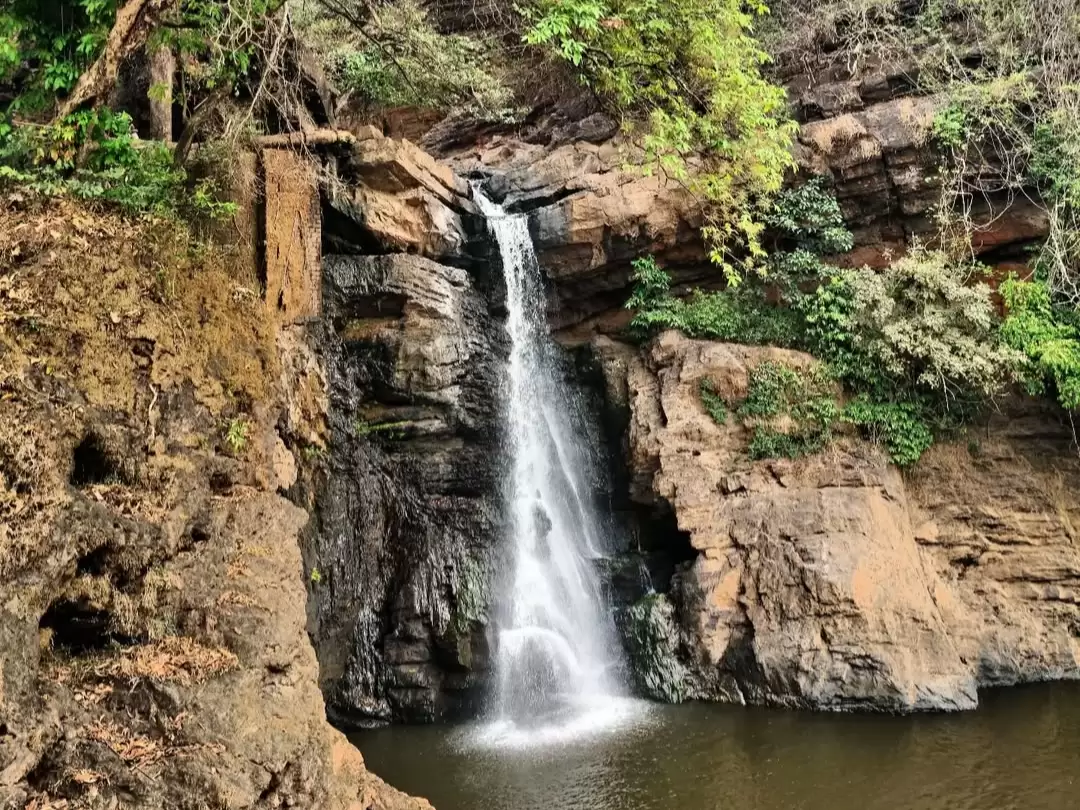
Atmosphere at Arvalem Waterfalls is refreshing and nature-filled, offering a tranquil retreat surrounded by lush greenery and rocky terrain. Located near Sanquelim in North Goa, the waterfall cascades gracefully from a considerable height, creating a misty ambiance and soothing soundscape. During the monsoon season, the flow becomes more dramatic, enhancing the visual and sensory experience.
What makes Arvalem Waterfalls special is its seasonal transformation and scenic accessibility. The site is relatively easy to reach, making it a convenient yet rewarding nature stop for travelers exploring inland Goa. The viewing platforms allow visitors to safely admire the cascading waters and capture photographs of the surrounding landscape. The nearby Arvalem Caves and temple add cultural depth, making the visit a blend of natural beauty and historical interest.
Beyond its visual charm, Arvalem Waterfalls offers a refreshing escape from Goa’s coastal bustle. It attracts nature lovers, photographers, families, and monsoon travelers seeking a greener and quieter side of the state. The visit leaves guests with lasting impressions of cascading waters, vibrant foliage, and the serene inland landscapes of Goa.
History of Arvalem Waterfalls
Arvalem Waterfalls, located near Sanquelim in North Goa, is a natural cascade that has been part of the region’s landscape long before the arrival of Portuguese rule in the 16th century. While the waterfall itself is a geological formation shaped by seasonal monsoon flows and the rocky terrain of the Western Ghats foothills, the surrounding area holds historical importance due to nearby ancient cave temples known as the Arvalem Caves.
The Arvalem Caves, believed to date back to the 6th or 7th century, indicate early habitation and religious activity in the region during pre-Portuguese times. These rock-cut caves are associated with Shaivite traditions and are considered among Goa’s oldest surviving archaeological remnants. The proximity of the waterfalls to these caves connects the site to early cultural and spiritual activity in the area.
During Portuguese rule, the region remained largely rural and forested, preserving its natural features. In the post-independence period, Arvalem Waterfalls gained recognition as both a scenic attraction and a heritage-linked site due to its association with the ancient caves. Today, it represents the blend of Goa’s natural geography and its layered historical past.
Best Time to Visit Arvalem Waterfalls
The best time to visit Arvalem Waterfalls in North Goa depends on water flow, weather comfort, and overall travel conditions. Also known as Harvalem Falls, this scenic cascade near Sanquelim is most impressive when seasonal rainfall enhances its volume.
June to September is considered the peak season to witness Arvalem Waterfalls in full glory. During the monsoon months, heavy rainfall significantly increases the water flow, creating a powerful and dramatic cascade surrounded by lush green hills. However, pathways may be slippery, and visitors should exercise caution.
October to February offers a pleasant and comfortable climate for sightseeing. While the water flow reduces slightly compared to peak monsoon, the surroundings remain green and scenic, making it ideal for photography and relaxed exploration.
Summer months from March to May can be warm and humid, and the waterfall’s water volume may decrease further. Morning visits are recommended during this period to avoid peak heat.
- June to September for witnessing the waterfall at its strongest flow
- October to February for pleasant weather and comfortable sightseeing
- March to May for quieter visits, though water flow may be reduced
- Carry proper footwear during monsoon due to slippery surfaces
- Early mornings ideal for peaceful exploration and photography
How to Reach Arvalem Waterfalls, Goa
- By Air: The nearest airport is Manohar International Airport (Mopa), approximately 30 km from Arvalem Waterfalls. Goa International Airport (Dabolim) is about 50 km away. Taxis and app-based cab services are available from both airports for a direct and comfortable transfer.
- By Train: The closest railway stations are Thivim (around 30 km) and Karmali (about 35 km). Visitors can hire taxis or use local transport from the station to reach the waterfalls.
- By Road: Arvalem Waterfalls is located near Sanquelim in North Goa and is accessible via well-maintained state highways. Private taxis, rental scooters, self-drive cars, and local buses operate from Panaji, Mapusa, and nearby towns.
- Local Transport: Within North Goa, rental scooters, motorcycles, taxis, and private cars are convenient options. Vehicles can reach near the designated parking area, followed by a short walk to the waterfall viewpoint.
What to Expect When You Visit Arvalem Waterfalls
- Immersive surroundings that reflect the true natural, cultural, or spiritual character of the destination, offering a peaceful and enriching travel experience.
- Well-maintained visitor pathways and accessible viewing points designed to provide comfortable exploration while preserving the authenticity of the location.
- Opportunities to engage with local traditions, regional architecture, or natural landscapes, allowing travelers to gain deeper cultural understanding.
- Scenic photo spots and panoramic viewpoints that highlight the area’s unique beauty throughout different times of the day.
- Informational boards, guides, or locally available assistance that help visitors learn the historical or environmental importance of the site.
- Seasonal changes in atmosphere, crowd levels, and visual appeal, ensuring a different yet memorable experience depending on the time of visit.
- Nearby amenities such as refreshment stalls, rest areas, or small markets offering local flavors and handicrafts.
- A calm and respectful environment that allows visitors to fully absorb the significance and charm of the destination.
Important Visitor Information and Safety of Arvalem Waterfalls
- Crowd & Peak Hours: Visitor numbers increase during monsoon season and weekends when the waterfall is at its fullest. Early mornings are generally quieter and more peaceful.
- Weather Notes: The area experiences heavy rainfall during monsoon months, making pathways wet and slippery. Summers can be warm, while post-monsoon months offer pleasant conditions.
- Dress Code: Wear light, comfortable clothing and sturdy footwear with good grip suitable for wet and uneven surfaces.
- Safety Tips: Avoid venturing too close to the waterfall edge, be cautious on slippery rocks, follow local safety advisories, and keep personal belongings secure during your visit.
Photography and Viewpoints at Arvalem Waterfalls
- The cascading waterfall framed by rocky cliffs and dense greenery creates dramatic vertical compositions ideal for landscape photography.
- Monsoon season enhances water volume, producing powerful flow patterns perfect for long-exposure silky water effects.
- Viewing platforms provide balanced vantage points to capture the full height of the falls along with surrounding forest cover.
- Mist rising from the base adds a soft atmospheric layer, enhancing depth and mood in wide-angle shots.
- Close-up photography of water splashes, rock textures, and moss-covered surfaces reveals intricate natural details.
- Early morning light filtering through trees creates natural highlights and contrast across cascading water and rugged terrain.