+91 9910402252
admin@chalbanjare.com


| Entry Fee | No entry fee |
| Timings | Open 24 hours; swimming safest during daylight and calm sea conditions |
| Altitude (m) | 0 m (sea level) |
| Ideal Visit Duration | 2–4 hours; longer for beach stays or relaxation |
| Best Time of Day | Early morning or sunset for lower heat and clearer conditions |
| Crowd Level | Moderate in peak season (Nov–Feb); lower during monsoon months |
| Distance from City Centre (km) | Approx. 70 km from Panaji city centre; travel time varies by traffic |
| Walking Difficulty | Easy on flat sand; soft sand may slow movement |
| Parking Available | Limited roadside and small private parking areas near beach access points |
| Last Mile Access | Paved road to Agonda village followed by short walk across sand |
| Suitable for Kids | Yes, with adult supervision and attention to sea conditions |
| Suitable for Seniors | Yes, though uneven sand may require slower walking |
| Wheelchair Friendly | No dedicated beach pathways; access limited due to sand surface |
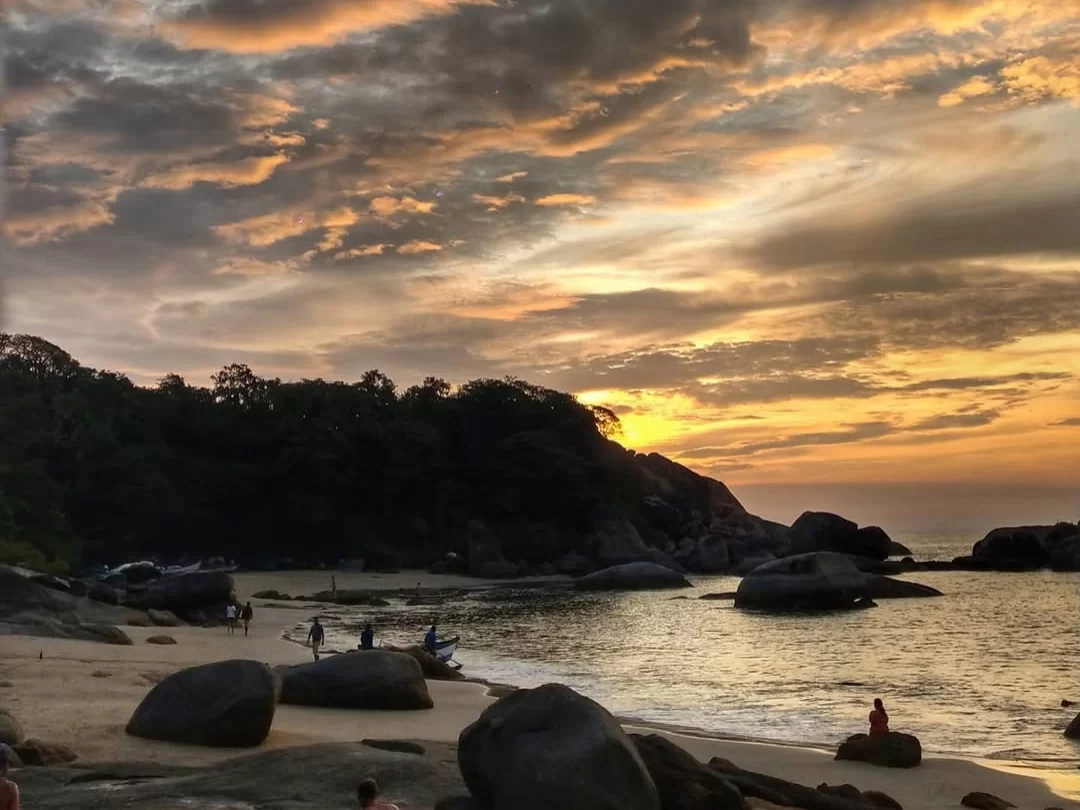
Visitors come to Agonda Beach for a long, relatively quiet stretch of sand suitable for walking, seasonal swimming during calm sea periods, and extended stays in beach huts and small guesthouses.
The on-ground atmosphere is low-key, with fewer large nightlife venues than North Goa beaches; days are typically centered on beach time, yoga sessions, small cafés, and sunset views along the shoreline.
Agonda is distinct for its comparatively less commercialized setting and for designated Olive Ridley turtle nesting zones that restrict certain beach activities during parts of the season, shaping a more regulated and quieter visitor experience.
Agonda Beach developed from a traditional fishing village on Goa’s southern coast, where small-scale fishing and coconut cultivation supported local communities for decades.
Tourism began increasing gradually in the late 20th and early 21st centuries as travelers looked for quieter coastal areas beyond North Goa, leading to the growth of beach huts, guesthouses, and small restaurants while retaining village-scale development.
Parts of the beach are now recognized for Olive Ridley sea turtle nesting, resulting in regulated construction and seasonal activity restrictions that influence how tourism operates along the shoreline.
Agonda Beach is most suitable to visit during the dry winter season when sea conditions are generally calmer and most beach accommodations and cafés operate fully; the monsoon months bring strong waves, heavy rain, and many seasonal closures.
 Tourist Attraction
Experience the thrill of watching playful dolphins in their natural habitat along the scenic coastline of South Goa.
 Shopping Street
Primary commercial street in Panaji known for retail shops, cafés, and daily city activity.
 Wildlife Sanctuary
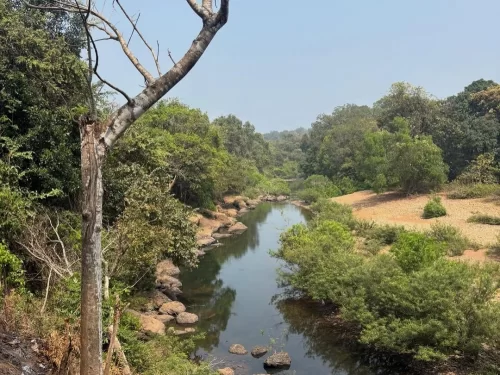
Protected forest area known for dense vegetation, walking trails, and watchtowers for wildlife observation.
Get customized Delhi tour planning designed around traffic flow, seasonal weather comfort, heritage site exploration time, and realistic city pacing. Whether you are visiting for historical monuments, cultural experiences, food walks, shopping districts,
⚡ Quick Response | 💰 Free consultation | 🕒 24×7 expert support

