+91 9910402252
admin@chalbanjare.com


| Entry Fee | No entry fee (public city area) |
| Timings | Open 24 hours (individual markets, churches, and shops typically operate between 8:00 AM – 8:00 PM; closed hours vary by establishment) |
| Altitude (m) | Approximately 10 m above sea level |
| Ideal Visit Duration | 2–4 hours for city highlights and municipal market |
| Best Time of Day | Morning (9:00 AM – 12:00 PM) for market visits and sightseeing |
| Crowd Level | Moderate to high during market hours; lower in late afternoon |
| Distance from City Centre (km) | 0 km (city centre location) |
| Walking Difficulty | Easy; mostly flat urban roads and pavements |
| Parking Available | Yes; paid and limited street parking near Municipal Market and Church Square |
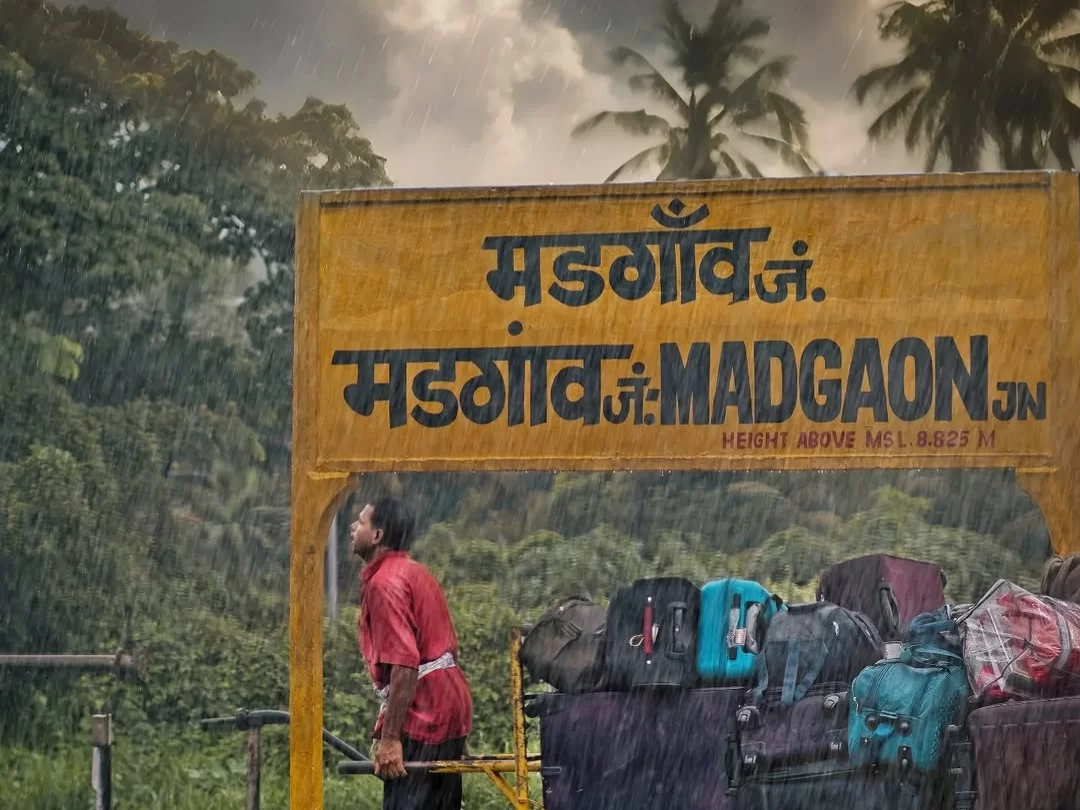
| Last Mile Access | Accessible by taxi, auto-rickshaw (pilots), local buses, and on foot from Margao Railway Station (~2 km) |
| Suitable for Kids | Yes |
| Suitable for Seniors | Yes; benches available near Church Square |
| Wheelchair Friendly | Partially; sidewalks available but uneven in some areas |
Visitors come to Margao for an authentic look at everyday Goan life beyond the beach resorts. The city is known for the busy Margao Municipal Market, traditional bakeries selling Goan pão, and its role as South Goa’s main transport and commercial hub. It also serves as a convenient base for reaching nearby beaches like Colva and Benaulim.
On the ground, Margao feels active and local rather than resort-focused. The area around Church Square and the market sees steady foot traffic through the day, with vendors selling fish, spices, and produce alongside clothing and household goods. Streets are lined with Indo-Portuguese houses, small cafés, and long-established shops catering primarily to residents.
What makes Margao distinct is its strong local character combined with practical accessibility. As a major railway station in Goa, it is often the first stop for travelers heading south, yet it retains a lived-in atmosphere that reflects Goan culture, food habits, and daily routines more clearly than coastal tourist strips.
Margao developed as one of Goa’s principal settlements during the Portuguese period, when it emerged as an important administrative and commercial centre in Salcete taluka. The construction of the Holy Spirit Church in the 16th century established the town as a key parish centre, around which civic and residential areas expanded. Many of the large Indo-Portuguese houses seen today date from the 18th and 19th centuries, reflecting the prosperity of local landowners and traders during that time.
In the late 19th century, the arrival of the railway line connecting Goa to British India strengthened Margao’s role as a trade hub. Its position as a transport junction continues today, with Madgaon Railway Station remaining one of the busiest in the state. Unlike coastal resort towns that developed primarily for tourism, Margao’s growth was shaped by commerce, religion, and regional administration, which still influence its urban layout and daily life.
Margao can be visited year-round, but the most comfortable period for sightseeing and market visits is during the dry winter season when humidity is lower and daytime temperatures are manageable for walking around Church Square and the Municipal Market.
 Tourist Attraction
Experience the thrill of watching playful dolphins in their natural habitat along the scenic coastline of South Goa.
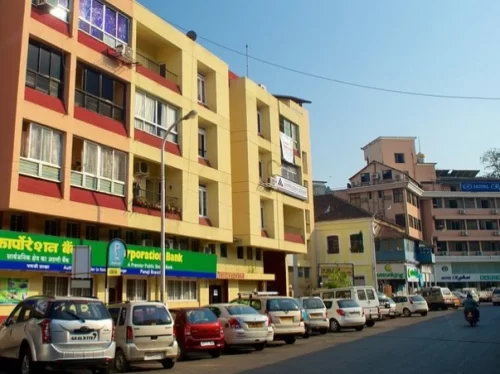 Shopping Street
Primary commercial street in Panaji known for retail shops, cafés, and daily city activity.
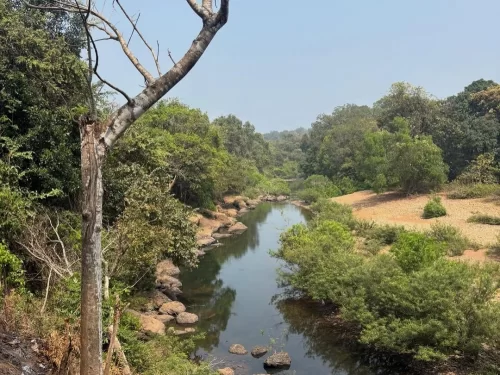 Wildlife Sanctuary
Protected forest area known for dense vegetation, walking trails, and watchtowers for wildlife observation.
Get customized Delhi tour planning designed around traffic flow, seasonal weather comfort, heritage site exploration time, and realistic city pacing. Whether you are visiting for historical monuments, cultural experiences, food walks, shopping districts,
⚡ Quick Response | 💰 Free consultation | 🕒 24×7 expert support

