Quick Facts About Caranzalem Beach
Caranzalem Beach, Goa – Quick Facts for Visitors
| Entry Fee | Free public access |
| Timings | Open access; no fixed official hours (daytime visits recommended) |
| Altitude (m) | 0 |
| Ideal Visit Duration | 1–2 hours |
| Best Time of Day | Early morning or sunset |
| Crowd Level | Low to moderate; higher on weekends and evenings |
| Distance from City Centre (km) | Approx. 4 km from Panaji city centre |
| Walking Difficulty | Easy on flat sand and paved access points |
| Parking Available | Limited roadside parking near beach access points |
| Last Mile Access | Paved road access followed by a short walk onto the sand |
| Suitable for Kids | Yes, with supervision near water |
| Suitable for Seniors | Yes, easy access areas available |
| Wheelchair Friendly | Partially; access roads are usable but loose sand limits mobility on the beach |
Why Visit Caranzalem Beach, Goa
Visitors come to Caranzalem Beach for a quieter coastal stop near Panaji, suitable for relaxed walks, sunset views, and short beach breaks without the party-focused scene found in many North Goa areas. Its proximity to Miramar and Dona Paula makes it an easy addition to a city-based itinerary.
On the ground, the beach has a local neighborhood feel, with joggers, families, and students frequenting the shoreline, especially in the mornings and evenings. The long stretch of sand and relatively open space create a calmer atmosphere compared to more commercial beaches.
What sets Caranzalem Beach apart is its urban accessibility combined with a less crowded environment, allowing visitors to experience a Panaji-side beach that is practical for quick visits, casual photography, and low-key coastal time close to the capital.
History of Caranzalem Beach, Goa
Caranzalem Beach is part of the coastal stretch near Panaji that historically served local fishing communities and nearby residential villages rather than being a standalone historic landmark. The shoreline developed gradually alongside the growth of Panaji city and its surrounding neighborhoods.
In recent decades, improved coastal roads and urban expansion connected Caranzalem more closely with Miramar and Dona Paula, turning the area into a residential and recreational seafront used mainly by locals for daily walks, beach activities, and community gatherings.
Best Time to Visit Caranzalem Beach, Goa
Caranzalem Beach is most comfortable to visit during Goa’s dry winter season when the sea is calmer and outdoor conditions are suitable for walking and beach activities. The open shoreline offers limited shade, so weather and timing of the day significantly affect the on-ground experience.
- Ideal months: November to March
- Weather during best season: Pleasant temperatures, lower humidity, clearer skies, and relatively calm sea conditions suitable for casual beach visits
- Periods to avoid: June to September monsoon season due to heavy rainfall, rough seas, water sports shutdowns, and reduced beach usability
How to Reach Caranzalem Beach, Goa
- Nearest Airport: Goa International Airport (Dabolim) approx. 28 km; Manohar International Airport (Mopa) approx. 35–40 km. Taxis and app-based cabs are the most practical options to reach the Panaji–Dona Paula coastal road.
- Nearest Railway Station: Karmali Railway Station approx. 14 km for closer access; Madgaon (Margao) Junction approx. 35 km with wider train connectivity. Local taxis or buses to Panaji followed by a short road transfer are required.
- Road Access and Last-Mile Connectivity: Located on the Miramar–Dona Paula coastal road about 4 km from Panaji city centre. City buses, taxis, and rental scooters reach nearby access points; final access involves a short walk from roadside parking or entry paths onto the beach.
What to Expect When You Visit Caranzalem Beach, Goa
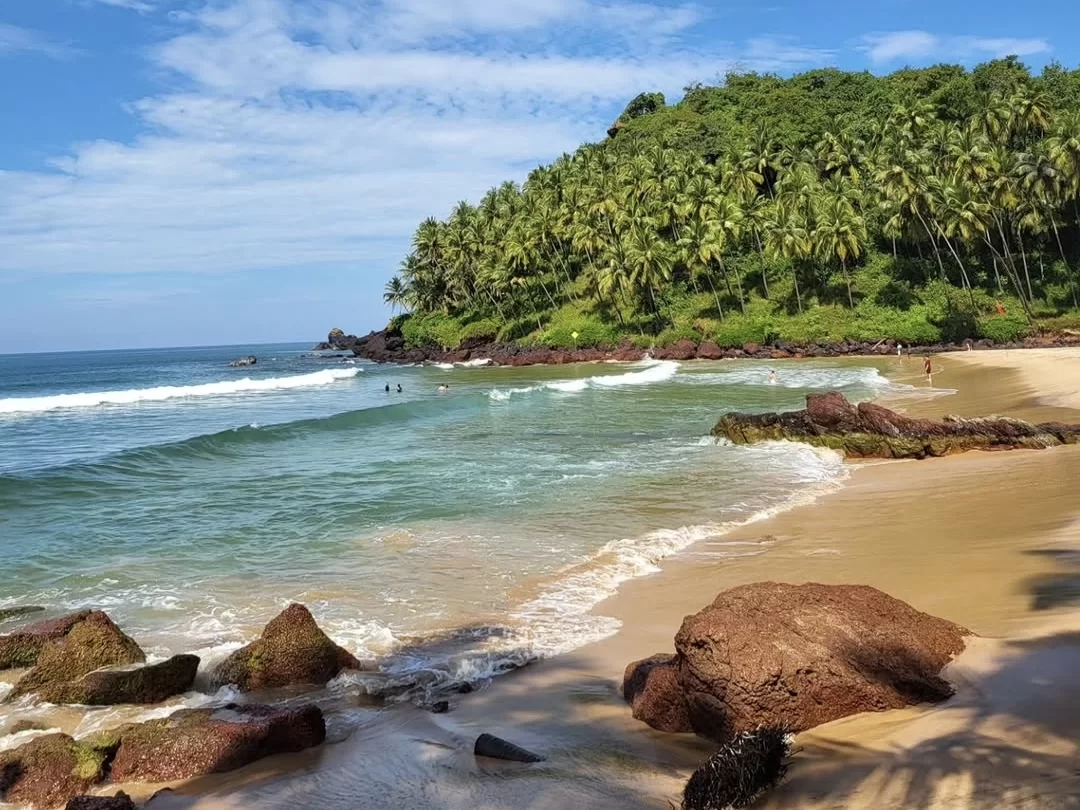
- Environment and Surroundings: A long sandy urban beach along the Panaji–Dona Paula road with open shoreline views, nearby residential areas, and fewer commercial setups compared to popular North Goa party beaches.
- Facilities and Amenities: Limited beach shacks and small food stalls operate seasonally; basic roadside parking and occasional lifeguard presence are available, but public restrooms and shade options are limited.
- Accessibility and Movement: Easy access from paved roads with short walking paths onto loose sand; flat terrain makes general movement simple, though wheelchair access is restricted once on the beach surface.
- Typical Visitor Behavior and Conditions: Frequented by locals for morning walks, jogging, and evening relaxation; relatively quieter on weekdays, with increased footfall during weekends and sunset hours.
Important Visitor Information for Caranzalem Beach, Goa
- Crowd and Weather Notes: Generally less crowded than nearby Miramar Beach but busier during weekends and local holidays; the open shoreline has strong sun exposure with limited natural shade.
- Peak and Quiet Visiting Hours: Early mornings and late afternoons attract walkers and joggers; sunset hours see increased local footfall, while mid-day is usually quieter due to heat.
- Dress Code: No formal restrictions; typical beachwear is common, with more casual and family-oriented local visitors compared to party beaches.
- Safety Notes and Practical Cautions: Follow lifeguard instructions where present; sea conditions can change during monsoon months, and strong sun exposure requires hydration and sun protection due to minimal shaded areas.
Photography and Viewpoints at Caranzalem Beach, Goa
- Best Viewpoints and Angles: Wide shoreline shots along the long sandy stretch facing the Arabian Sea; coastal road sections and open sand areas provide unobstructed sea and horizon views.
- Lighting and Time of Day: Sunset offers warm light and clear horizon views over the sea; early morning provides softer light with fewer people on the beach.
- Photography Rules or Restrictions: No formal photography restrictions on the public beach; standard privacy considerations apply in residential surroundings and near local activities.
- Crowd and Access Factors: Weekends and sunset hours bring more walkers and locals, which may affect clear frames; open beach areas allow flexible positioning but loose sand can make carrying equipment slower.