Quick Facts About Carambolim Lake Watch Tower
Carambolim Lake Watch Tower – Quick Facts
| Entry Fee | No fixed entry fee for the lake and watch tower area (open natural site; policies may change) |
| Timings | Open access; typically visited between sunrise and sunset due to lack of formal facilities |
| Altitude (m) | Not officially specified; located in a low-lying freshwater wetland area close to sea level |
| Ideal Visit Duration | 1–2 hours for birdwatching and short walks |
| Best Time of Day | Early morning or late afternoon for bird activity and softer light |
| Crowd Level | Low on most days; moderate during winter birdwatching season (Dec–Feb) |
| Distance from City Centre (km) | Approx. 12 km from Panaji city centre; distance varies depending on access point |
| Walking Difficulty | Easy; mostly flat rural paths with some uneven ground |
| Parking Available | Limited informal roadside parking near access paths |
| Last Mile Access | Narrow village roads followed by a short walk on unpaved paths |
| Suitable for Kids | Yes, with supervision due to open water and lack of barriers |
| Suitable for Seniors | Generally suitable for mobile seniors; minimal seating and uneven surfaces |
| Wheelchair Friendly | No; unpaved paths and uneven terrain limit accessibility |
Why Visit Carambolim Lake Watch Tower, Goa
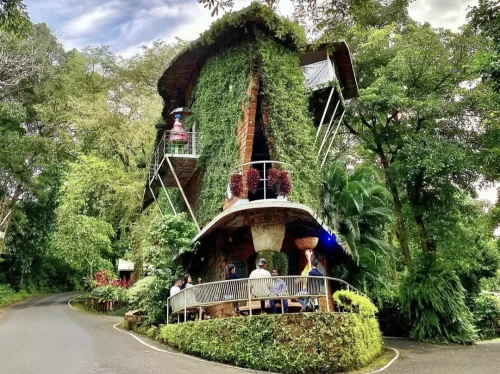
Visitors come to Carambolim Lake Watch Tower mainly for birdwatching and quiet nature observation within the Carambolim wetland area near Old Goa. The elevated viewpoint allows clear views of freshwater habitats where migratory ducks, jacanas, herons, and other wetland birds are commonly seen during winter months.
The on-ground atmosphere is calm and rural, with paddy fields, still water, and minimal built infrastructure. Early mornings are especially quiet, with local farmers and a small number of birdwatchers sharing the paths, while afternoons remain low-key compared to Goa’s beach locations.
What makes this place distinct is its accessibility to a functioning wetland ecosystem rather than a landscaped park or formal sanctuary setup. The watch tower provides a simple but practical vantage point for photographers and travelers seeking a short, nature-focused stop close to Panaji and Old Goa.
History of Carambolim Lake Watch Tower, Goa
Carambolim Lake itself is a man-made freshwater reservoir created historically to support traditional irrigation and paddy cultivation in the surrounding villages of Tiswadi taluka. Over time, the wetland ecosystem attracted large numbers of resident and migratory birds, leading to its recognition as an important birdwatching area near Old Goa.
The Carambolim Lake Watch Tower was later added as a simple viewing structure to help visitors and birdwatchers observe the wetland without disturbing wildlife. It reflects the area’s gradual shift from an agricultural water body to a locally known nature observation point rather than a formally developed historical site.
Best Time to Visit Carambolim Lake Watch Tower, Goa
The best time to visit Carambolim Lake Watch Tower is during the winter bird migration season when water levels are stable and bird activity is high. Seasonal conditions directly affect visibility, access paths, and the variety of species present around the wetland.
- Ideal months: November to February for peak migratory bird presence; October and March are suitable shoulder months with moderate activity.
- Weather conditions during the best season: Cooler mornings, relatively dry conditions, and clearer visibility across the wetland make observation from the watch tower easier.
- Periods to avoid: June to September monsoon months due to heavy rainfall, waterlogged access paths, reduced visibility, and significantly lower migratory bird activity.
How to Reach Carambolim Lake Watch Tower, Goa
- Nearest Airport: Manohar International Airport (Mopa) approx. 30–35 km; Goa International Airport (Dabolim) approx. 25 km. Taxis or self-drive vehicles are the most practical onward options.
- Nearest Railway Station: Karmali (Carambolim) Railway Station approx. 2 km from the lake area; limited local transport, so auto-rickshaw or pre-arranged taxi is recommended.
- Road Access & Last-Mile Connectivity: Reachable via village roads from Old Goa and Panaji; final stretch involves narrow rural lanes and a short walk on unpaved paths to the watch tower. Signage is limited, and public buses do not stop directly at the access point.
What to Expect When You Visit Carambolim Lake Watch Tower, Goa
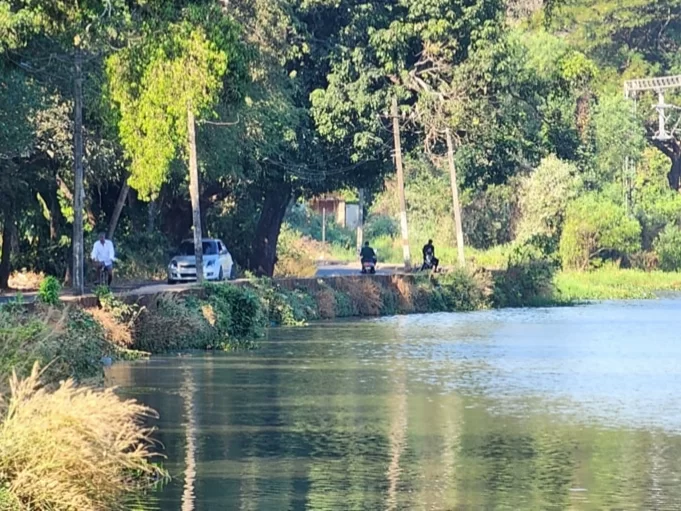
- Environment and surroundings: A freshwater wetland landscape with paddy fields, still water, marsh vegetation, and open views from a simple watch tower structure used for bird observation.
- Facilities and amenities: Minimal infrastructure; typically no formal ticket counters, restrooms, food stalls, or seating areas near the watch tower, so visitors should carry essentials.
- Accessibility and movement: Access involves narrow village roads followed by walking on uneven, unpaved paths that may become muddy after rain; limited signage in the area.
- Typical visitor behavior and conditions: Mostly birdwatchers, photographers, and nature enthusiasts; quiet surroundings expected, with best activity early morning and fewer visitors compared to major Goa tourist spots.
Important Visitor Information for Carambolim Lake Watch Tower, Goa
- Crowd and weather notes: Generally low visitor numbers; slightly busier during winter bird migration months (Dec–Feb). Monsoon season (Jun–Sep) brings heavy rain, muddy access paths, and reduced visibility.
- Peak and quiet visiting hours: Early mornings see most birdwatchers; mid-day is typically quiet with less bird activity; late afternoons attract a small number of photographers.
- Dress code: No formal dress rules; practical outdoor clothing and closed footwear recommended due to rural terrain and marshy areas.
- Safety notes and practical cautions: Open wetland edges without barriers; watch footing on uneven paths and tower steps; limited signage and no on-site supervision or medical facilities.
Photography and Viewpoints at Carambolim Lake Watch Tower, Goa
- Best viewpoints: The elevated watch tower offers unobstructed views across the freshwater lake and surrounding marshes; ground-level paths along the paddy fields provide lower-angle shots of waterbirds and wetland vegetation.
- Lighting and time-of-day: Early morning light illuminates the lake surface and attracts active bird movement; late afternoon provides softer light with reflections on calmer water.
- Photography rules or restrictions: No formal posted restrictions in the open-access area; visitors are expected to avoid disturbing birds or entering sensitive marsh zones.
- Crowd and access factors: Limited space on the watch tower can restrict tripod setup during peak winter mornings; uneven paths and seasonal mud can affect equipment movement and positioning.