What Makes Goa a Unique Travel Region
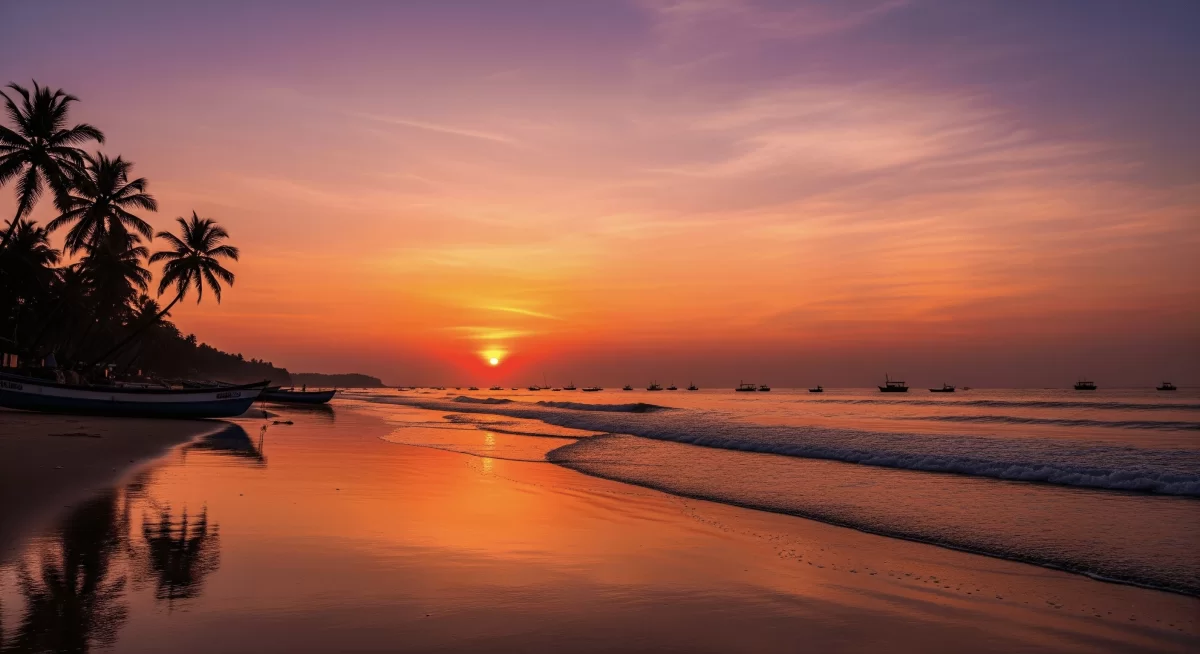
Goa is shaped by its coastline, tropical climate, and centuries of maritime exchange, creating a travel experience that feels open, relaxed, and culturally blended. The Arabian Sea influences daily rhythm, architecture, food habits, and social life. Unlike purely beach-focused destinations, Goa combines coastal living with layered heritage, music culture, and village traditions. Travel here moves at an unhurried pace, encouraging long afternoons, scenic drives, and immersive local interactions rather than fast sightseeing. The region offers a rare balance between leisure, culture, and landscape.
- Geography: Coastal terrain with beaches, river estuaries, and tropical hinterlands
- Culture: Indo-Portuguese heritage blended with coastal community traditions
- Travel vibe: Relaxed, social, and rhythm-driven
- Distinct experience type: Leisure-oriented coastal journeys enriched by history and music
Popular Tourist Circuits Across Goa
Travel across Goa is structured along its coastline and inland heritage zones rather than long cross-state routes. The state is geographically compact, but beach clusters, river belts, and forest interiors are best explored in sections to avoid unnecessary backtracking. Seasonal weather strongly influences pacing, with monsoon months suited for scenic and cultural exploration, while dry months favor coastal and water-based activities. Three to five days allow comfortable coverage of one coastal belt and selected inland experiences without rushing between distant zones.
| Circuit Type |
Areas Covered (generic descriptions only, no place names) |
Ideal Duration (realistic and safety based) |
Travel Style |
| Coastal Leisure Circuit |
Beach stretches, waterfront promenades, and seaside villages |
3–4 days |
Relaxed coastal travel with short road transfers |
| Heritage & Cultural Circuit |
Colonial-era architecture, old settlements, and traditional neighborhoods |
2–3 days |
Slow-paced cultural exploration with guided visits |
| Nature & Hinterland Circuit |
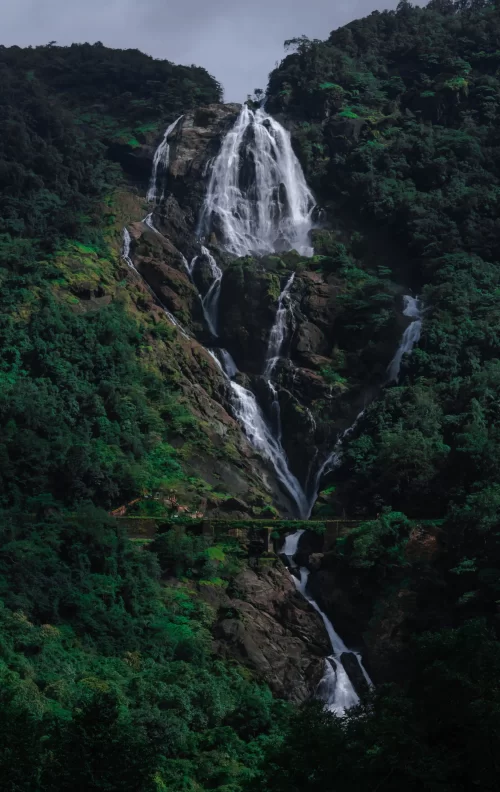
Forest reserves, river islands, spice plantations, and rural landscapes |
2–3 days |
Road-based exploration with nature walks |
| Mixed Coastal & Inland Circuit |
Combination of beaches, heritage zones, and countryside experiences |
4–5 days |
Balanced travel with varied daily pacing |
Best Time to Travel to Goa
Plan your Goa trip based on your comfort with humidity levels, beach conditions, and whether you prefer lively coastal energy or a quieter seaside atmosphere.
| Season |
Months |
Weather Conditions |
Travel Suitability |
| Winter |
November to February |
Pleasant temperatures, lower humidity, sunny days, and calm sea conditions. |
Most comfortable period for beach activities, water sports, sightseeing, and festive coastal experiences. |
| Summer |
March to May |
Warm temperatures with increasing humidity and bright sunny days. |
Suitable for travelers comfortable with heat who prefer relaxed beach time and off peak travel atmosphere. |
| Monsoon |
June to October |
Frequent rainfall, lush greenery, and a dramatic coastal landscape. |
Ideal for those who enjoy scenic beauty, peaceful surroundings, and a slower travel pace. |
How Travelers Usually Explore Goa
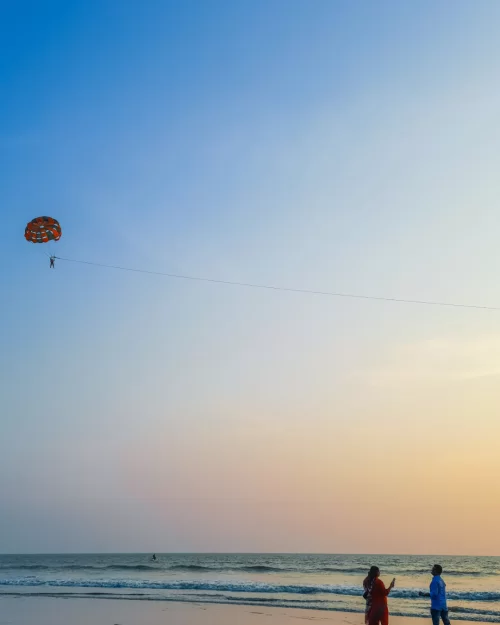
Travel to Goa usually begins via its airport or major railway stations, after which visitors choose a base along either the northern or southern coastline depending on their travel style. Exploration flows along coastal stretches, with short road transfers between beaches, cultural quarters, and inland areas. Pacing is generally relaxed, allowing time for leisure mornings, sunset experiences, and optional activity-based outings without frequent hotel changes.
- Road travel is the primary way to explore, with rented scooters, bikes, and cars offering flexibility.
- Rail connectivity links Goa to major Indian cities, making it a convenient arrival option.
- Local transport includes taxis, bike rentals, app-based cabs, and short-distance buses.
- Travelers often choose either stay-based day explorations from one coastal base or a short two-region circuit covering different beach belts.
Culture, Food & Everyday Life in Goa
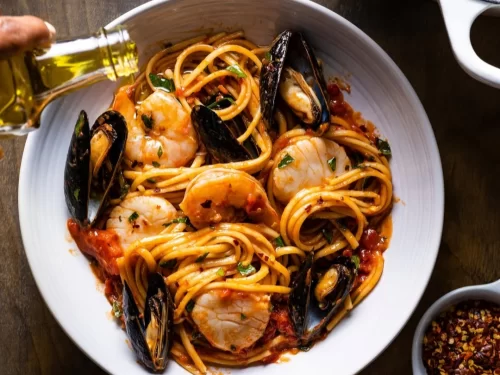
Life in Goa is shaped by its long coastline, humid tropical climate, and centuries of maritime exchange. The sea influences daily schedules, occupations, and even architecture, with many routines aligned to fishing cycles, tourism patterns, and afternoon heat. Social behavior often feels relaxed yet respectful, with strong family ties and neighborhood connections forming the core of community life. Travelers may notice an easy balance between tradition and modern influences, reflected in language, music, and everyday customs. Food habits are guided by climate and coastal availability, focusing on fresh ingredients that provide hydration and steady nourishment in warm conditions. Meals tend to be flavorful yet practical, suited to an outdoor-oriented lifestyle. The overall pace is unhurried compared to larger metropolitan centers, allowing visitors to experience a calm, open atmosphere where sea breezes and social warmth shape everyday living.
- Coast-driven lifestyle shaped by tropical climate
- Relaxed yet community-focused social structure
- Fresh, climate-suited nourishment patterns
- Unhurried pace with strong maritime cultural roots



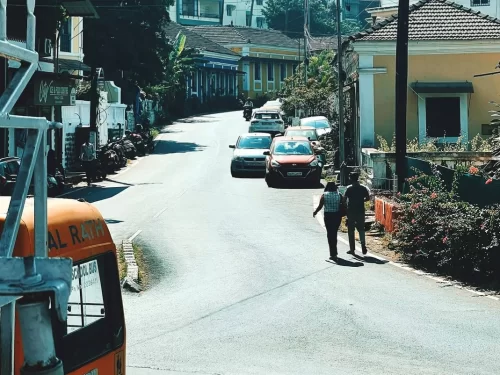 Market / Bazaar
 City
City
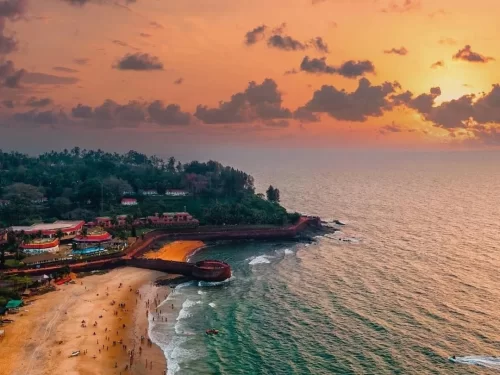 Beach
Beach