

How to Plan a Tamil Nadu Trip for the First Time
Planning your first Tamil Nadu trip becomes easier when you understand the best destinations, travel routes, weather, budget, and itinerary options before you begin your journey.
+91 9910402252
admin@chalbanjare.com


Understanding public transport in Tamil Nadu helps tourists travel efficiently between cities, hill stations, beaches, temple towns, and heritage destinations while managing both travel time and budget.
Tamil Nadu has one of India's most extensive public transportation systems, making it easy for tourists to travel between cities, hill stations, temple towns, coastal destinations, and major tourist attractions. Visitors can choose from government buses, private buses, Indian Railways, Chennai Metro, suburban trains, taxis, auto rickshaws, and app-based cab services depending on their destination and travel preferences. The wide availability of transport allows both budget travellers and comfort seekers to explore the state conveniently.
Large cities such as Chennai, Coimbatore, Madurai, Tiruchirappalli, and Salem enjoy excellent transport connectivity, while smaller towns are served by regional buses and railway services. Most popular tourist destinations can be reached through a combination of public transport options without requiring a private vehicle.
Understanding the available public transport options allows travellers to plan economical and efficient journeys throughout Tamil Nadu.
Different transport options are suitable for different types of itineraries. Trains work well for long-distance travel between major cities, while buses connect towns, villages, and destinations without railway stations. Chennai Metro provides fast urban transport within the capital, whereas taxis and app-based cabs are useful for sightseeing, airport transfers, and destinations with limited public transport.
Travellers covering multiple destinations should combine different transport modes rather than depending entirely on a single option. This approach improves travel efficiency while reducing both journey time and transportation costs.
| Transport Mode | Best Use | Suitable For |
|---|---|---|
| Train | Long distance travel | Major cities |
| Bus | Regional connectivity | Towns and villages |
| Metro | Urban travel | Chennai |
| Taxi | Flexible sightseeing | Door to door travel |
Selecting transport according to your itinerary creates smoother journeys while improving overall travel convenience.
Budget-conscious travellers can comfortably explore Tamil Nadu by combining trains, government buses, metro services, and occasional taxis where necessary. Planning transport in advance helps minimise unnecessary expenses while ensuring convenient connections between destinations. Railway journeys are generally ideal for long distances, while buses provide economical access to smaller towns and tourist attractions.
Travellers should prepare a route before departure, allowing sufficient transfer time between stations and bus terminals. Careful planning reduces delays while making sightseeing more efficient across different regions of Tamil Nadu.
Affordable transport planning allows travellers to cover more destinations comfortably while keeping overall travel costs under control.
Tamil Nadu has one of the largest bus networks in India, operated by both state transport corporations and private companies. Government buses connect almost every city, town, village, hill station, and pilgrimage destination, making them the backbone of public transport across the state. Private operators complement these services by providing additional intercity routes and comfortable overnight travel options.
Frequent bus services operate between Chennai, Madurai, Coimbatore, Salem, Tiruchirappalli, Ooty, Kodaikanal, Rameswaram, Kanyakumari, and numerous other destinations. This extensive connectivity allows travellers to reach places that may not have direct railway access.
The widespread bus network makes travelling throughout Tamil Nadu convenient even without private transportation.
Bus services in Tamil Nadu range from economical ordinary buses to express, deluxe, semi-sleeper, sleeper, and luxury coaches. Ordinary buses stop at numerous intermediate locations and are suitable for shorter regional journeys. Express buses reduce travel time by making fewer stops, while luxury buses offer additional comfort through reclining seats, air conditioning, and overnight travel facilities.
Travellers should choose the service type according to journey length, comfort requirements, and available budget. Long-distance overnight travel is generally more comfortable on premium services, whereas shorter daytime journeys can easily be completed using ordinary or express buses.
| Bus Type | Main Feature | Suitable Journey |
|---|---|---|
| Ordinary | Lowest fare | Short regional travel |
| Express | Fewer stops | Intercity travel |
| Deluxe | Improved comfort | Long routes |
| Luxury Sleeper | Overnight travel | Extended journeys |
Choosing the appropriate bus category improves travel comfort while matching transportation costs with your overall budget.
Selecting the most suitable bus depends on travel distance, available time, luggage, and personal comfort preferences. Budget travellers often prefer government buses because of their affordability and extensive coverage, while travellers undertaking overnight or long-distance journeys frequently choose private luxury coaches for additional convenience and comfort.
Travellers should also consider departure times, arrival schedules, and the availability of connecting transport at the destination. Planning these details in advance helps create a smoother travel experience while avoiding unnecessary waiting during transfers.
Choosing the right bus service allows travellers to enjoy affordable, efficient, and comfortable journeys throughout Tamil Nadu.
Tamil Nadu has one of the most extensive railway networks in southern India, making train travel one of the easiest, most economical, and most comfortable ways to explore the state. Almost every major tourist destination is connected either directly or through an important railway junction. Chennai serves as the primary railway gateway, while cities such as Madurai, Coimbatore, Tiruchirappalli, Salem, Erode, Tirunelveli, Thanjavur, Rameswaram, and Kanyakumari are connected by frequent passenger, express, and superfast trains. This excellent network allows travellers to cover long distances comfortably while avoiding highway traffic and reducing travel fatigue.
Railways are particularly useful for travellers planning multi-city itineraries because overnight trains allow visitors to travel while sleeping, saving both time and accommodation expenses. Whether you are travelling from Chennai to Madurai for temple sightseeing, Coimbatore for hill stations, or Rameswaram for pilgrimage, the railway system provides reliable connectivity throughout the year. Most major railway stations also have good onward transportation through buses, taxis, app-based cabs, and auto rickshaws, making transfers convenient after arrival.
For first-time visitors, train travel offers an opportunity to experience Tamil Nadu's changing landscapes while travelling through agricultural plains, bustling cities, rivers, forests, and coastal regions. Comfortable reserved seating, sleeping berths, onboard catering on many routes, and well-developed station facilities make railway journeys suitable for solo travellers, families, senior citizens, and international visitors alike.
Travelling by train combines affordability, comfort, and convenience, making it one of the best transportation choices for visitors planning to explore multiple regions of Tamil Nadu during a single holiday.
First-time travellers can easily build an efficient Tamil Nadu itinerary around the state's major railway corridors. Chennai has direct rail connectivity with Madurai, Tiruchirappalli, Coimbatore, Salem, Erode, Thanjavur, Rameswaram, Tirunelveli, and Kanyakumari, allowing visitors to move comfortably between cultural, religious, coastal, and hill station gateways. Coimbatore serves as an important railway base for travellers continuing towards Ooty by road, while Madurai acts as a convenient junction for Rameswaram and southern Tamil Nadu.
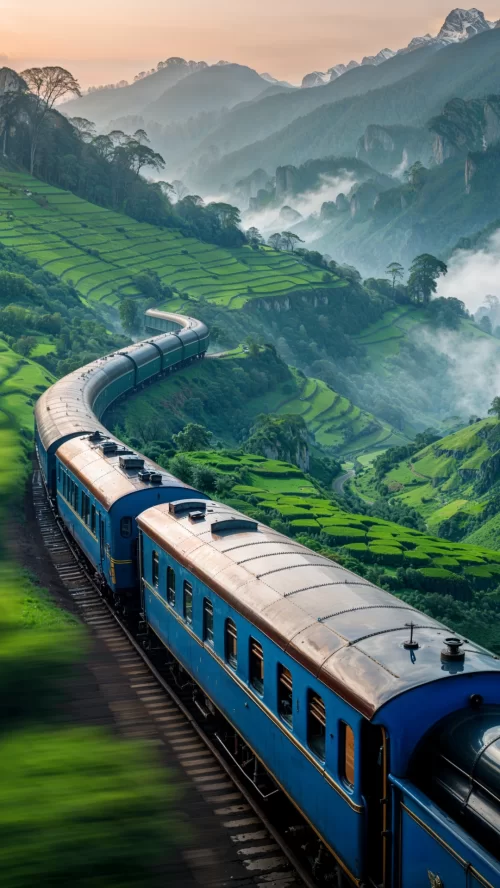
Temple travellers often use rail routes connecting Chennai, Kanchipuram, Tiruchirappalli, Thanjavur, Madurai, and Rameswaram. Visitors interested in hill stations generally travel by train to Coimbatore or Mettupalayam before continuing by road or by the famous Nilgiri Mountain Railway towards Ooty. Coastal travellers frequently combine Chennai, Mahabalipuram, Pondicherry, and Kanyakumari using railway journeys together with short road transfers.
Planning train routes before finalising accommodation helps reduce unnecessary travel time. Booking seats in advance is highly recommended during festivals, school holidays, and long weekends because popular tourist routes experience high demand throughout the year.
| Rail Route | Main Gateway | Popular Destinations |
|---|---|---|
| Chennai - Madurai | Madurai | Temple circuit |
| Chennai - Coimbatore | Coimbatore | Ooty Coonoor Nilgiris |
| Chennai - Tiruchirappalli | Trichy | Thanjavur temple region |
| Madurai - Rameswaram | Rameswaram | Pilgrimage travel |
Choosing well-connected railway routes allows first-time travellers to cover Tamil Nadu efficiently while minimising travel costs and enjoying comfortable long-distance transportation.
Efficient intercity travel begins with understanding how Tamil Nadu's railway network connects major tourist destinations. Instead of relying entirely on road transport, visitors can use trains for long-distance journeys and reserve buses or taxis for shorter transfers after reaching the destination. This combination often reduces travel expenses while making the journey considerably more comfortable.
Travellers should select train timings that maximise sightseeing opportunities. Overnight trains are particularly useful because they save daytime hours for exploring attractions instead of spending them travelling. Morning arrivals also allow visitors to begin sightseeing immediately after checking into their accommodation. Careful scheduling helps create relaxed itineraries without unnecessary rushing between destinations.
Booking train tickets several weeks in advance, especially during tourist seasons, improves seat availability and provides greater flexibility when planning accommodation and onward transportation. Keeping digital copies of tickets and allowing sufficient transfer time between stations and hotels further contributes to a smooth travel experience.
A well-planned railway itinerary allows travellers to experience more destinations comfortably while reducing transportation costs and travel fatigue throughout their Tamil Nadu holiday.
Chennai Metro has become one of the fastest and most convenient ways to travel within the city. The modern metro system connects important commercial areas, residential neighbourhoods, shopping districts, educational institutions, railway stations, and the airport, allowing travellers to avoid heavy road traffic. Air-conditioned trains, clearly marked stations, and regular services make the metro especially attractive for first-time visitors unfamiliar with Chennai's busy road network.
Tourists staying in Chennai can use the metro to travel efficiently between important transport hubs while reducing dependence on taxis during peak traffic hours. Metro stations are well organised, easy to navigate, and supported by clear signage, making the system accessible even for travellers visiting the city for the first time. The predictable travel time also helps visitors plan sightseeing schedules more accurately.
For travellers combining flights, trains, and local sightseeing, Chennai Metro provides an excellent transport option that saves both time and money. Instead of spending long periods in road traffic, visitors can travel quickly between different parts of the city while enjoying a comfortable journey.
Using Chennai Metro allows travellers to move around the city efficiently while making the most of their sightseeing time without worrying about traffic congestion.
Alongside the metro system, Chennai's suburban railway network serves thousands of daily commuters while also providing valuable transportation for tourists. The suburban network connects Chennai with surrounding suburbs, nearby towns, and several important railway junctions, making it useful for visitors staying outside the city centre or travelling to destinations beyond the metro network.
Suburban trains offer economical transportation and operate throughout the day with frequent departures on major routes. Travellers heading towards outer Chennai, nearby residential districts, or connecting railway stations often find suburban trains both faster and more affordable than travelling entirely by road. Although these trains may become crowded during office commuting hours, they remain one of the city's most important public transport systems.
Visitors should familiarise themselves with station names, train timings, and platform information before beginning their journey. Avoiding peak office hours generally results in a more comfortable travel experience, particularly for tourists carrying luggage.
| Transport | Best Used For | Advantages |
|---|---|---|
| Metro | City travel | Fast and comfortable |
| Suburban Train | Outer Chennai | Economical long routes |
| Taxi | Door to door travel | Flexible timings |
| Auto Rickshaw | Short city trips | Quick local travel |
Suburban rail complements Chennai Metro by extending affordable public transport to many additional parts of the metropolitan region.
Travellers arriving in Chennai should choose transportation according to their destination, luggage requirements, and sightseeing plans. Metro services are ideal for airport transfers to areas connected by the metro network, while taxis and app-based cabs provide convenient door-to-door transportation for hotels and attractions not directly served by rail. Auto rickshaws remain useful for shorter local journeys after reaching the city centre.
Visitors planning multiple sightseeing stops during a single day often benefit from combining different transport modes. For example, metro services can be used for longer urban journeys, while taxis or auto rickshaws complete the final distance to museums, beaches, temples, or shopping districts. This approach reduces travel expenses without sacrificing convenience.
Choosing the right transport according to time, distance, traffic conditions, and comfort preferences allows travellers to move around Chennai efficiently while maximising their sightseeing opportunities.
Combining Chennai Metro, suburban trains, taxis, and auto rickshaws creates an efficient urban transport strategy that allows visitors to explore the city comfortably and economically.
Auto rickshaws are one of the most common forms of local transportation throughout Tamil Nadu and are available in almost every city, town, railway station, bus stand, shopping district, and tourist area. They are especially useful for short-distance travel where buses may involve multiple stops or where walking is not practical. Visitors arriving at railway stations or bus terminals can usually find auto rickshaws immediately outside the exit, making them convenient for reaching nearby hotels, restaurants, markets, and attractions.
In major cities such as Chennai, Madurai, Coimbatore, Tiruchirappalli, Salem, and Tirunelveli, auto rickshaws operate throughout the day, while smaller towns also have sufficient availability around transport hubs and commercial areas. They are particularly useful when travelling with light luggage or when visiting attractions located a short distance from railway stations or bus terminals. Since auto rickshaws can easily navigate narrow streets and busy markets, they often provide faster local mobility than larger vehicles.
Travellers should confirm the fare before starting the journey whenever a meter is not being used. App-based booking options are also available in some cities, providing greater pricing transparency and reducing communication difficulties for visitors unfamiliar with the local language.
Auto rickshaws remain one of the quickest and most practical ways to travel short distances while exploring Tamil Nadu's cities and towns.
Taxis and app-based cab services provide comfortable transportation throughout Tamil Nadu, particularly in larger cities and major tourist destinations. Chennai, Coimbatore, Madurai, Tiruchirappalli, Salem, and several other urban centres have good availability of app-based cabs, allowing travellers to book vehicles quickly through mobile applications. Traditional taxi operators also continue to serve railway stations, airports, hotels, and tourist attractions across the state.
App-based services are particularly useful because they offer estimated fares, digital payments, live vehicle tracking, and driver information before the journey begins. These features provide additional convenience for travellers visiting Tamil Nadu for the first time. For destinations outside city limits or for full-day sightseeing, many taxi operators also provide fixed-price packages covering popular tourist circuits.
In remote villages and smaller hill stations, app-based services may be limited compared to major cities. Travellers planning to visit these destinations should arrange taxis through hotels, local operators, or travel agencies when required.
| Transport | Availability | Best Used For |
|---|---|---|
| Auto Rickshaw | Cities and towns | Short local trips |
| Taxi | Statewide | Longer local journeys |
| App Based Cab | Major cities | Airport city travel |
| Private Cab | Tourist destinations | Full-day sightseeing |
Taxis and app-based cab services offer flexibility, comfort, and reliable transportation for travellers exploring both urban and tourist destinations across Tamil Nadu.
Selecting the most suitable local transport depends on travel distance, available time, luggage, and budget. Auto rickshaws are ideal for nearby attractions and short city journeys, while taxis are better suited for airport transfers, hotel transfers, and longer sightseeing trips. Travellers planning multiple stops throughout the day often find taxis more convenient because they eliminate the need to repeatedly search for transportation.
Visitors should also consider weather conditions before choosing local transport. During periods of heavy rain or extreme summer temperatures, air-conditioned taxis may provide a more comfortable experience than open-sided auto rickshaws. Likewise, travellers carrying large suitcases generally find taxis more practical when moving between hotels, airports, and railway stations.
Combining buses, metro services, trains, auto rickshaws, and taxis according to the day's itinerary allows travellers to balance convenience with affordability while exploring Tamil Nadu efficiently.
Choosing local transport according to distance and convenience creates smoother daily travel while allowing visitors to explore more attractions comfortably.
Tamil Nadu's famous hill stations attract visitors throughout the year and are well connected by a combination of trains, buses, taxis, and private vehicles. Ooty is commonly reached by road from Coimbatore or Mettupalayam, while travellers also have the opportunity to experience the historic Nilgiri Mountain Railway between Mettupalayam and Ooty. Kodaikanal is generally accessed from Kodai Road railway station or nearby cities through regular bus and taxi services, whereas Coonoor enjoys excellent connectivity with both road transport and the heritage mountain railway.
Government buses operate regular services to these hill stations from nearby cities, providing economical transportation for budget travellers. Private buses and taxis offer additional comfort, especially for visitors carrying luggage or travelling with family members. Since hill station routes involve winding roads and changing elevations, journey times are usually longer than the actual distance may suggest.
Travellers should schedule adequate travel time and avoid planning multiple long-distance transfers on the same day. Reaching hill stations during daylight hours also allows visitors to enjoy scenic mountain landscapes while travelling safely through forested roads and hairpin bends.
Combining trains, buses, and taxis provides convenient access to Tamil Nadu's beautiful hill stations while allowing travellers to choose transportation according to their comfort and budget.
Within Ooty, Kodaikanal, and Coonoor, buses connect important local areas, nearby villages, and neighbouring towns, while taxis remain the preferred option for sightseeing because many attractions are spread across different locations. Taxi operators offer local sightseeing packages that cover lakes, viewpoints, botanical gardens, waterfalls, tea estates, and popular photography locations. These services are particularly useful for families, senior citizens, and travellers with limited time.
During weekends, summer holidays, and festival periods, demand for taxis increases significantly because visitor numbers rise considerably. Booking taxis through hotels or local travel operators often provides greater convenience than searching for transport after arrival. Budget travellers can combine local buses with occasional taxi rides depending on their sightseeing plans.
Weather conditions occasionally influence transportation in hill regions. Heavy rain or fog may slow traffic, so travellers should maintain flexible schedules and avoid rushing between attractions.
| Transport | Main Purpose | Suitable For |
|---|---|---|
| Government Bus | Regional travel | Budget travellers |
| Taxi | Local sightseeing | Families and groups |
| Nilgiri Railway | Scenic travel | Tourist experience |
| Private Cab | Flexible itinerary | Comfort-focused visitors |
Understanding local transport availability allows visitors to move comfortably between attractions while making the most of their hill station holiday.
Mountain roads require more travel time than highways because of numerous bends, steep gradients, and changing weather conditions. Travellers should therefore avoid tightly packed itineraries and instead allow sufficient time for sightseeing, photography, meals, and rest breaks. Starting journeys early in the morning often results in smoother traffic conditions while providing better visibility throughout the drive.
Those travelling with children or senior citizens should consider hiring taxis or private cabs for local sightseeing rather than relying entirely on buses. Comfortable seating, flexible schedules, and direct access to attractions make taxi travel particularly suitable for visitors who wish to enjoy a relaxed holiday in the Nilgiris or Kodaikanal region.
Keeping drinking water, light snacks, and warm clothing during hill station travel is also advisable because weather conditions can change rapidly throughout the day. Proper planning helps travellers enjoy both the journey and the destination without unnecessary stress.
Careful planning and realistic travel schedules make hill station transportation more comfortable while allowing visitors to fully appreciate Tamil Nadu's beautiful mountain landscapes.
Madurai, Rameswaram, and Thanjavur are among Tamil Nadu's most important cultural and religious destinations, and each enjoys excellent public transport connectivity. Madurai functions as a major transport hub with an international airport, a busy railway junction, extensive government and private bus services, and numerous taxis and auto rickshaws. Travellers arriving in Madurai can easily continue their journey to nearby temple towns and heritage destinations using regular public transport services throughout the day.
Rameswaram is connected by both railway and road, making it accessible from Madurai, Chennai, Tiruchirappalli, and several other cities. Trains crossing the famous Pamban Bridge provide one of the most scenic railway journeys in southern India, while buses operate frequently between Madurai and Rameswaram for travellers preferring road transport. Upon arrival, local buses, taxis, and auto rickshaws help visitors travel between Ramanathaswamy Temple, Dhanushkodi, beaches, and other attractions.
Thanjavur is another well-connected destination famous for the Brihadeeswarar Temple and Chola heritage. Railway services connect the city with Chennai, Tiruchirappalli, Madurai, and other important destinations, while buses operate throughout the Cauvery Delta region. Travellers can comfortably combine these three destinations using trains for longer journeys and local transport for sightseeing.
Strong transport connectivity allows travellers to explore Tamil Nadu's famous temple towns comfortably without depending entirely on private vehicles.
Chennai serves as the primary gateway for most visitors arriving in Tamil Nadu and offers excellent onward connectivity to Mahabalipuram, Kanyakumari, and other coastal destinations. Mahabalipuram is easily reached by frequent buses operating along the scenic East Coast Road, while taxis and app-based cabs provide faster and more flexible transportation for travellers wishing to stop at beaches, viewpoints, or nearby attractions along the route.
Kanyakumari, located at India's southern tip, is connected by long-distance trains from Chennai, Madurai, Coimbatore, and several other cities. Government and private buses also operate regular services throughout the day. After reaching Kanyakumari, travellers can conveniently explore Vivekananda Rock Memorial ferry point, beaches, temples, sunrise viewpoints, and nearby attractions using auto rickshaws or taxis.
The excellent transport network linking Chennai, Mahabalipuram, Pondicherry, and Kanyakumari allows travellers to build diverse itineraries that combine heritage, beaches, culture, and coastal scenery without requiring extensive private transportation.
| Destination | Best Public Transport | Local Transport |
|---|---|---|
| Mahabalipuram | Bus | Taxi Auto Rickshaw |
| Chennai | Train Metro Bus | Metro Taxi Auto |
| Kanyakumari | Train Bus | Taxi Auto Rickshaw |
| Madurai | Train Bus | Taxi Auto Rickshaw |
Combining rail, bus, metro, and local transport allows travellers to comfortably explore Tamil Nadu's coastal and heritage destinations while keeping transportation affordable.
The most efficient way to explore Tamil Nadu is by combining different modes of transportation according to each day's itinerary. Long-distance train journeys minimise travel fatigue between major cities, while government buses provide economical access to nearby towns and attractions. Once visitors arrive at their destination, taxis and auto rickshaws offer convenient transportation between hotels, temples, museums, beaches, and shopping districts.
Travellers should avoid depending on only one transport mode throughout their holiday. For example, trains are ideal for travelling between Chennai and Madurai, buses work well for regional connections, and taxis provide flexibility for local sightseeing. This combination reduces travel costs while ensuring that visitors spend more time exploring attractions rather than waiting for transport connections.
Planning transport according to attraction opening hours and local traffic conditions further improves sightseeing efficiency. Starting early in the morning allows travellers to visit major landmarks before crowds increase while making better use of available public transport throughout the day.
A combination of trains, buses, taxis, and local transport creates the most practical sightseeing strategy for visitors exploring Tamil Nadu's diverse cultural and coastal destinations.
One of the biggest advantages of travelling in Tamil Nadu is the wide range of transportation options available for every budget. Government buses remain the most economical choice for regional travel, while trains provide excellent value for long-distance journeys between major cities. Chennai Metro offers affordable and time-saving transportation within the city, whereas taxis and app-based cabs provide greater convenience at a higher cost, particularly for airport transfers and sightseeing.
Travellers should compare total transportation expenses instead of looking only at individual ticket prices. For example, a train journey followed by a short taxi ride may cost less than travelling entirely by private cab over a long distance. Similarly, metro services often provide faster airport transfers than road transport during peak traffic hours. Choosing the appropriate combination helps travellers manage expenses without sacrificing convenience.
Families and groups may also find taxis economical when travel costs are shared between several passengers. Understanding the strengths of each transport mode allows visitors to create an efficient itinerary while keeping transportation within their planned travel budget.
Comparing transportation costs carefully allows travellers to create economical itineraries while still enjoying comfortable travel across Tamil Nadu.
Budget-friendly travel begins by selecting the most appropriate transport mode for each section of the journey. Trains should generally be used for long intercity routes, government buses for regional travel, metro services for moving around Chennai, and taxis only where flexibility or direct access is necessary. This balanced approach significantly reduces transportation costs while maintaining travel convenience.
Booking train tickets in advance helps secure lower fares and preferred seating, especially during festivals and holiday periods. Travellers should also group nearby attractions together instead of travelling repeatedly between distant locations. This reduces both travel time and transportation expenses throughout the trip.
Keeping a flexible schedule also helps visitors take advantage of convenient transport connections while avoiding unnecessary taxi rides caused by missed buses or trains. Good planning often results in both financial savings and a more relaxed holiday experience.
| Transport Type | Budget Level | Best Use |
|---|---|---|
| Government Bus | Low | Regional travel |
| Train | Low to Moderate | Intercity journeys |
| Metro | Low | Urban transportation |
| Taxi | Moderate to High | Flexible local travel |
Careful transport planning allows visitors to experience more destinations while keeping overall travel expenses well within their planned budget.
Daily transportation expenses vary depending on destination, travel style, and the number of attractions included in the itinerary. Travellers exploring cities primarily by metro, buses, and auto rickshaws generally spend much less than visitors relying exclusively on taxis or private vehicles. Similarly, long-distance train travel often reduces costs compared to road transport over the same route.
Visitors should also allow for additional expenses such as station transfers, luggage handling, local sightseeing transport, and occasional app-based cab rides during poor weather or late evening arrivals. Maintaining a small transportation contingency fund helps manage these unexpected expenses without affecting the overall travel budget.
Reviewing the next day's transport requirements every evening allows travellers to prepare tickets, confirm departure timings, and estimate expected expenses. This simple habit contributes to smoother travel while helping visitors stay within their planned daily budget.
Estimating daily transportation costs in advance allows travellers to enjoy Tamil Nadu confidently while maintaining full control over their overall travel budget.
One of the most common mistakes first-time visitors make is assuming that every destination in Tamil Nadu has the same level of public transport connectivity as Chennai, Madurai, or Coimbatore. While major cities enjoy frequent buses, trains, taxis, and app-based cab services throughout the day, many remote villages, wildlife areas, hill station viewpoints, and coastal attractions have fewer transport options. Public buses may operate only at specific times, and taxis may not always be immediately available without prior booking.
Travellers visiting destinations such as remote sections of the Nilgiris, interior villages near Kodaikanal, smaller temple towns, or lesser-known beaches should always verify local transport availability before departure. Depending entirely on finding transport after reaching these places may result in long waiting times, delayed sightseeing, or unnecessary changes to the itinerary.
A practical approach is to plan onward transportation before leaving major cities or transport hubs. Booking a taxi for the return journey, confirming bus departure timings, or requesting assistance from your hotel can help avoid unnecessary travel difficulties. Carrying offline maps and keeping important transport contact numbers also proves useful when travelling beyond major tourist circuits.
Preparing transportation in advance for remote destinations allows travellers to enjoy their visit without worrying about finding a return journey or missing important connections.
Tamil Nadu experiences a significant increase in tourist movement during school vacations, Pongal, Deepavali, Christmas, New Year, long weekends, and major temple festivals. During these periods, trains, buses, hotels, and taxis often operate at very high occupancy levels. Travellers who wait until the last moment to arrange transportation may find fewer available seats, longer waiting times, or higher travel costs.
Popular destinations such as Ooty, Kodaikanal, Rameswaram, Madurai, Kanyakumari, Mahabalipuram, and Chennai attract thousands of additional visitors during holiday seasons. Railway reservations on important routes may sell out several weeks before departure, while premium bus services and taxis also experience heavy demand. Careful planning becomes especially important during these peak periods.
Booking transportation early not only guarantees availability but also provides greater flexibility when choosing travel times and accommodation. Visitors should also allow additional travel time because traffic congestion near popular attractions and major transport terminals increases significantly during festivals and public holidays.
| Travel Period | Possible Challenge | Recommended Preparation |
|---|---|---|
| School Holidays | High tourist demand | Book transport early |
| Pongal and Festivals | Crowded trains and buses | Reserve tickets in advance |
| Long Weekends | Traffic congestion | Travel during off-peak hours |
| Peak Summer | Busy hill stations | Confirm hotel and transport together |
Understanding seasonal travel patterns allows visitors to avoid unnecessary delays while enjoying smoother transportation throughout their Tamil Nadu holiday.
Another frequent mistake is underestimating travel distances between Tamil Nadu's major tourist destinations. Although the state's transport network is excellent, cities such as Chennai, Madurai, Coimbatore, Ooty, Rameswaram, Kanyakumari, and Kodaikanal are separated by considerable distances. Attempting to visit multiple far-apart destinations within a single day often results in rushed sightseeing, travel fatigue, and missed experiences.
Travellers should organise their itinerary region by region instead of travelling across the entire state every day. Combining nearby destinations such as Chennai, Mahabalipuram, and Pondicherry or Madurai, Rameswaram, and Kanyakumari creates a much more comfortable travel experience. Likewise, Coimbatore, Ooty, and Coonoor can easily be explored together without unnecessary backtracking.
Allowing realistic travel time between destinations also provides flexibility for weather changes, traffic congestion, delayed trains, or extended sightseeing. A relaxed itinerary almost always produces a more enjoyable holiday than trying to cover the maximum number of attractions in the shortest possible time.
Planning realistic transportation schedules allows travellers to experience Tamil Nadu's attractions comfortably while reducing unnecessary travel stress throughout the journey.
Tamil Nadu offers one of the most comprehensive transportation networks in India, giving travellers the flexibility to choose transport according to their itinerary, comfort preferences, and available budget. Long-distance trains provide economical and comfortable intercity travel, government buses connect smaller towns and villages, Chennai Metro offers fast city transportation, while taxis and auto rickshaws make local sightseeing convenient. Rather than depending entirely on one mode of transport, visitors achieve the best results by combining multiple options throughout their holiday.
Your destination also plays an important role when selecting transportation. Railway travel is ideal for journeys between Chennai, Madurai, Coimbatore, Tiruchirappalli, and Kanyakumari, while buses provide excellent regional connectivity to temple towns, beaches, wildlife destinations, and hill station gateways. Once you reach your destination, taxis and auto rickshaws allow comfortable access to hotels and attractions.
Travellers should compare overall travel time, convenience, ticket availability, and total expenses before confirming transportation. A carefully planned transport strategy improves sightseeing opportunities while reducing both travel fatigue and unnecessary costs.
Selecting transportation thoughtfully allows visitors to experience Tamil Nadu comfortably while making the most of every day of their journey.
The most successful travel itineraries combine several transport options instead of relying entirely on one system. For example, travellers can use trains for long-distance travel between major cities, buses for regional connections, Chennai Metro for urban transportation, and taxis or auto rickshaws for local sightseeing. This balanced approach offers excellent flexibility while keeping transportation costs under control.
Combining transport also helps travellers minimise waiting time and adapt to changing travel conditions. If railway schedules do not suit your itinerary, buses often provide additional flexibility, while taxis become valuable for reaching destinations without direct public transport. Understanding how these systems complement one another allows visitors to move smoothly throughout the state.
Maintaining flexibility throughout the trip also allows travellers to adjust plans according to weather, festivals, road conditions, or personal interests. Rather than viewing each transport option separately, treating them as parts of one integrated travel plan creates a much more enjoyable holiday experience.
| Transport Mode | Primary Purpose | Best Situation |
|---|---|---|
| Train | Intercity travel | Long-distance journeys |
| Government Bus | Regional connectivity | Towns and villages |
| Metro | Urban travel | Chennai city transport |
| Taxi and Auto | Local sightseeing | Hotels attractions airports |
Using every transport system according to its strengths allows travellers to explore more destinations efficiently while enjoying greater comfort and better value.
Before beginning your journey, prepare a transportation plan covering railway bookings, bus routes, local sightseeing arrangements, airport transfers, and estimated travel times between destinations. Confirm train reservations well in advance, particularly during festivals and holidays, and always allow extra time for transfers between stations, bus terminals, hotels, and tourist attractions.
Carry both digital and printed copies of important tickets whenever possible, keep sufficient cash for smaller transport services where digital payments may not always be available, and download offline maps before visiting remote destinations. Travellers should also keep emergency contact numbers, hotel information, and transportation helpline details easily accessible throughout the journey.
Most importantly, remain flexible. Weather conditions, festivals, traffic, and unexpected delays occasionally affect transportation schedules. Allowing sufficient buffer time between journeys helps ensure that minor delays do not disrupt the overall itinerary. With careful planning and realistic expectations, public transport becomes one of the most convenient and economical ways to explore every region of Tamil Nadu.
With its extensive railways, buses, metro system, taxis, and local transport, Tamil Nadu is one of the easiest Indian states to explore independently. Careful transport planning ensures a safe, economical, and memorable journey while allowing travellers to focus on experiencing the state's remarkable temples, beaches, hill stations, heritage, and cultural attractions.


Get customized Tamil Nadu tour planning designed around temple visit timing, seasonal weather comfort, road travel distances, and realistic pacing across regions. Whether you are visiting for architectural heritage, spiritual journeys, coastal relaxation,
⚡ Quick Response | 💰 Free consultation | 🕒 24×7 expert support

