

How to Plan a Tamil Nadu Trip for the First Time
Planning your first Tamil Nadu trip becomes easier when you understand the best destinations, travel routes, weather, budget, and itinerary options before you begin your journey.
+91 9910402252
admin@chalbanjare.com


Ooty is the most popular hill station in Tamil Nadu, offering tea gardens, toy train rides, scenic lakes, mountain viewpoints, waterfalls, and charming colonial-era experiences for first-time visitors.
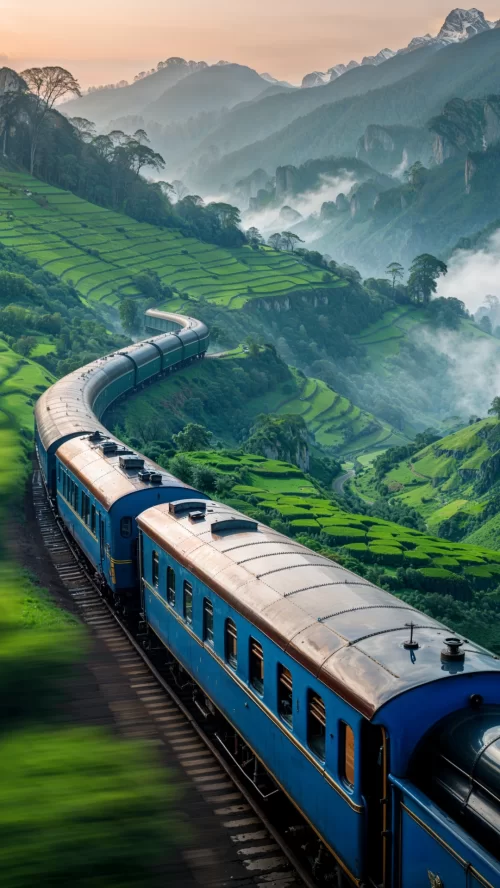
The Nilgiri Mountain Railway is one of the most memorable travel experiences in Ooty, especially for visitors who want to enjoy the hill station slowly instead of only moving between viewpoints by road. The train journey connects the plains with the Nilgiri Hills and passes through changing landscapes, from warmer lowland sections to cooler mountain stretches near Ooty. For many first-time travelers, the ride becomes a major part of the Ooty experience because it combines heritage travel, mountain scenery and a relaxed pace.
The most popular stretch for tourists is usually between Mettupalayam, Coonoor and Ooty, though seats can be limited during weekends, holidays and summer vacation periods. Travelers should plan this ride in advance because tickets often get booked early, especially for preferred morning services. The journey is slow compared to road travel, but that is part of its charm, as the train moves through forests, slopes and old railway sections that show a different side of the Nilgiri region.
Visitors should keep the railway experience flexible within their Ooty plan because mountain weather, crowd levels and seat availability can affect timing. It is better to treat the toy train as a scenic highlight rather than a fixed sightseeing transfer, especially when planning onward visits to Coonoor, Doddabetta Peak, tea gardens or Ooty town attractions on the same day.
The toy train route is known for its changing views, where travelers pass through tunnels, old bridges, wooded slopes, tea-growing areas and deep valley sections. The scenery changes gradually as the train climbs higher, making the journey feel different from a normal hill road drive. Mist, sharp bends, mountain cuttings and green slopes are common sights, especially during the post-monsoon and winter months when the Nilgiri landscape looks fresh and clear.
The section between Coonoor and Ooty is especially popular with tourists who want scenic views without spending too many hours on the train. This stretch includes hill settlements, tea estates, forested patches and open valley views that are easy to enjoy from the coach windows. During misty weather, visibility may reduce, but the foggy atmosphere often adds to the mountain railway experience.
Travelers should avoid expecting fast movement or luxury seating on this route because the main value lies in the heritage character and outdoor scenery. Carrying a light jacket is useful because the temperature can feel cooler as the train approaches Ooty, especially during early morning, evening or misty weather conditions.
The Nilgiri Mountain Railway can be planned in different ways depending on how much time a visitor has in Ooty. Travelers arriving from Coimbatore or Mettupalayam may choose the longer climb toward Ooty, while those already staying in Ooty often prefer a shorter ride between Ooty and Coonoor. The shorter route is easier to manage because it leaves enough time for tea gardens, Coonoor viewpoints, Botanical Garden or Ooty Lake on the same day.
For first-time visitors, the train ride should be placed early in the itinerary if possible, because ticket availability and weather conditions are usually more manageable when planned ahead. Families with children and senior travelers should check timings carefully, as long waiting periods at stations can become tiring during busy seasons. Keeping one flexible sightseeing block after the train ride is helpful in case the schedule changes.
A practical Ooty itinerary can use the Nilgiri Mountain Railway as a heritage start to the trip, followed by nearby sightseeing depending on the final station. If ending at Coonoor, visitors can explore tea estates and viewpoints before returning by road. If ending at Ooty, they can continue with town attractions such as Ooty Lake, Botanical Garden or Rose Garden.
Ooty Lake is one of the most visited attractions in the hill station and is commonly included in first-time sightseeing plans. The lake is located close to the main town area, making it easy to reach from most hotels, markets and local transport points. Its calm water, surrounding trees and boating activity create a relaxed lakeside experience, especially for families and travelers who want a simple break from viewpoint-heavy sightseeing.
Boating is the main activity here, with different boat options usually available depending on crowd level and operating conditions. The experience is most pleasant during cooler parts of the day, as afternoons can become crowded during peak tourist months. The lake area is developed for tourism, so visitors should expect activity, ticket counters, waiting time and local stalls rather than a completely untouched natural setting.
Ooty Lake works best as a relaxed sightseeing stop rather than a full-day attraction. Travelers can include it after visiting the Botanical Garden, Rose Garden or local market area, depending on their hotel location and daily route. During peak season, keeping extra time for parking, ticketing and boating queues makes the visit smoother.
The area around Ooty Lake is not limited to boating, as visitors often spend time walking around the lakeside, enjoying small recreation zones and exploring nearby attractions. The surroundings are more developed than remote nature spots, but they are convenient for travelers who want easy movement without long climbs or difficult access. Families with children often prefer this area because activities are close together and do not require heavy walking.
Cycling and short walks around the lake area can be enjoyable when the weather is cool and the crowd is manageable. However, during busy travel periods, the lakeside can feel congested due to vehicle movement, tourist groups and local stalls. Visitors should plan realistically and avoid expecting complete silence, especially during summer holidays and long weekends.
Travelers should use Ooty Lake as a flexible town-based attraction, especially on arrival day or after covering higher viewpoints. It is also a practical option when weather is not suitable for distant sightseeing, though heavy rain can affect outdoor comfort and boating plans. Comfortable footwear is useful for walking around the lakeside areas.
Ooty Lake offers a softer and more relaxed side of the hill station compared to busy viewpoints, steep roads and packed sightseeing circuits. The atmosphere is lively but easygoing, with visitors spending time near the water, taking boat rides, enjoying snacks and moving slowly around the lake area. For many travelers, it becomes a simple evening or half-day stop where they can pause between more active sightseeing plans.
The lake is especially useful for tourists who prefer light activities over long treks or distant drives. Senior travelers and families may find it easier than forest viewpoints or high-altitude locations, although crowd levels should still be considered. The best experience depends heavily on timing, because the same place can feel peaceful in quieter hours and crowded during peak holiday rush.
Ooty Lake should be planned with realistic expectations because it is one of the hill station’s most popular tourist spots. Visitors looking for quiet natural landscapes may prefer nearby lakes outside town, while those wanting convenience, boating and easy access will find Ooty Lake a practical and enjoyable stop in their itinerary.
The tea gardens surrounding Ooty are among the defining landscapes of the Nilgiri Hills. Rolling plantations spread across mountain slopes, creating a patchwork of neatly maintained green fields that change appearance throughout the day as sunlight and mist move across the hills. Unlike formal tourist parks, many tea estates remain active agricultural properties, so visitors should understand that tea cultivation continues alongside tourism. The journey through these plantations is often as rewarding as the destination itself, with winding hill roads revealing fresh viewpoints around almost every bend.
Tea plantations can be seen in several directions from Ooty, especially along the roads leading toward Coonoor, Doddabetta, Avalanche, Emerald and Kotagiri. Some viewpoints provide broad panoramic views of the estates from above, while others allow visitors to walk near plantation edges where permitted. Every season presents a different atmosphere, from bright green post-monsoon landscapes to crisp winter mornings with light mist covering the hills. Early mornings usually provide the clearest mountain scenery before tourist traffic increases.
Tea gardens are best enjoyed without rushing from one viewpoint to another. Spending time observing workers, changing weather and layered mountain scenery provides a better understanding of why the Nilgiri region has become one of India's most recognized tea-producing landscapes. Visitors should also remember that weather changes quickly, making every visit slightly different even along the same route.
Several tea factories around Ooty welcome visitors who wish to understand how fresh tea leaves are transformed into the finished product. Factory visits usually explain each production stage, including withering, rolling, oxidation, drying, sorting and packaging. Instead of simply purchasing tea, travelers gain practical knowledge about why Nilgiri tea has its own distinct flavor profile and how climate, altitude and processing methods influence the final taste.
Many factory visits conclude with tasting sessions where different grades and varieties of Nilgiri tea are offered. Visitors can compare stronger black teas with lighter aromatic blends while learning how tea quality is evaluated. Factory outlets often sell freshly packed tea directly from the producer, making them popular stops for travelers looking to purchase authentic local products. Since production continues throughout the year, the experience remains interesting regardless of the travel season.
Combining a tea factory visit with nearby viewpoints creates a balanced day of sightseeing. Instead of focusing only on scenic photography, visitors leave with a better appreciation of the agricultural heritage that continues to support local communities across the Nilgiri Hills. Planning factory visits during daytime operating hours is recommended because demonstrations may not be available late in the evening.
Tea cultivation has shaped the economy, settlements and everyday life of the Nilgiri Hills for generations. The expansion of tea plantations transformed large areas of the region into productive agricultural landscapes while creating employment for local communities living across Ooty, Coonoor and nearby villages. Even today, tea remains one of the strongest identities associated with the Nilgiris, influencing local markets, tourism and regional traditions.
Visitors exploring tea-growing regions often notice how plantations exist alongside small villages, schools and worker settlements. Local tea shops frequently serve freshly brewed Nilgiri tea prepared using regional methods, offering travelers an opportunity to experience the product where it is grown. Purchasing locally processed tea also supports businesses directly connected to the region's agricultural economy rather than only commercial souvenir outlets.
Understanding the relationship between tea cultivation and daily life adds depth to an Ooty visit beyond sightseeing alone. Rather than viewing plantations simply as beautiful landscapes, travelers gain insight into how agriculture continues to shape the identity, livelihoods and heritage of the Nilgiri region throughout the year.
Doddabetta Peak stands as the highest point in the Nilgiri Hills and is one of the most visited viewpoints near Ooty. Located only a short drive from the town, it attracts visitors looking for expansive mountain scenery without undertaking a long trek. The road climbs steadily through forested sections before reaching the summit area, where visitors can continue on foot for a short distance to reach the main viewing locations. Because of its elevation, the weather remains noticeably cooler than central Ooty.
The viewpoint is suitable for most travelers, including families and senior visitors, since the final walking distance is relatively short. During weekends and holiday seasons, however, the summit becomes crowded with sightseeing vehicles and tourist groups. Visiting during early morning generally offers a quieter experience along with better visibility before clouds begin developing over the surrounding mountains later in the day.
Doddabetta is best included early in the day's itinerary before visiting Botanical Garden, Tea Factory, Ooty Lake or Coonoor. Weather conditions at higher elevations change quickly, so travelers should carry a light jacket even during warmer months and remain prepared for sudden mist reducing visibility.
The summit provides one of the widest panoramic views available around Ooty. On clear days, visitors can see layers of Nilgiri mountains stretching across the horizon along with valleys, forests, tea estates and distant settlements. The changing landscape demonstrates the varied geography of the Nilgiris, where cultivated slopes gradually merge into dense woodland and mountain ridges.
Visibility depends heavily on weather conditions. During winter and immediately after the monsoon, clear skies often provide excellent long-distance views. During cloudy afternoons or periods of heavy mist, however, visibility may reduce significantly. Even when the mountains are partially hidden, the drifting clouds create a dramatic atmosphere that many photographers enjoy.
Travelers should allow enough time to enjoy changing weather instead of leaving immediately after reaching the viewpoint. Clouds frequently move across the mountains within minutes, revealing entirely different perspectives. Patience often rewards visitors with clearer views than those available immediately upon arrival.
Doddabetta Peak is one of the strongest photography locations around Ooty because of its elevated position above the surrounding valleys. Wide-angle landscape photography works particularly well here, allowing photographers to capture multiple mountain ranges, rolling hills and changing cloud formations within a single frame. During winter mornings, low mist sometimes fills the valleys while nearby peaks remain visible above the clouds.
Photographers should expect changing light conditions throughout the day. Morning sunlight often creates softer illumination across the mountains, while afternoon light becomes stronger and may produce higher contrast. During cloudy weather, diffused lighting reduces harsh shadows and can enhance the appearance of forests and tea-covered hills.
Rather than rushing to capture photographs immediately, visitors benefit from spending additional time observing changing weather and shifting clouds. Since visibility constantly changes at higher elevations, waiting even a few minutes often results in dramatically different photographic opportunities across the Nilgiri landscape.
The Government Botanical Garden is one of Ooty's oldest and most visited attractions, offering visitors an opportunity to explore the natural diversity of the Nilgiri Hills within a carefully maintained landscape. Spread across gently sloping terrain, the garden features extensive lawns, ornamental plants, flowering shrubs, native mountain vegetation and exotic species collected from different parts of the world. Unlike a simple public park, the garden functions as both a recreational destination and an important botanical collection that reflects the unique climate of the Nilgiri region.
Walking through the garden allows visitors to experience different themed sections, each displaying plants suited to Ooty's cool mountain environment. Large mature trees provide shade across several areas, making exploration comfortable during most of the year. Seasonal blooms continuously change the appearance of the garden, so repeat visits at different times can offer a noticeably different experience. The well-maintained layout also makes it suitable for visitors of all age groups who prefer relaxed sightseeing without steep climbs.
The Government Botanical Garden works best as a relaxed half-day attraction rather than a quick stop. Visitors who enjoy nature, photography and peaceful surroundings often spend considerable time exploring the different sections. Comfortable walking shoes are recommended because the garden covers a large area with gently rising pathways throughout the property.
One of the main attractions of the Botanical Garden is its network of walking paths that connect beautifully maintained lawns, flower beds and themed planting areas. These pathways allow visitors to move comfortably between different sections while enjoying changing views of the surrounding hills. The gradual slopes are easier to navigate than many mountain viewpoints around Ooty, making the garden accessible for a wider range of travelers.
Seasonal flower displays are among the highlights of the garden, especially during spring and the annual flower exhibition period when thousands of blooming plants create vibrant landscapes. Even outside the flowering season, carefully maintained greenery and mature trees ensure that the garden remains visually appealing throughout the year. Visitors can explore at their own pace while taking frequent breaks on open lawns or shaded resting areas.
Visitors should allow enough time to explore beyond the entrance because many attractive sections are spread across different elevations within the garden. Walking slowly through the landscaped areas provides a better appreciation of both the botanical collections and the cool mountain environment that supports them.
The Government Botanical Garden has become one of the signature attractions of Ooty because it combines natural beauty with easy accessibility. Located close to the town, it is frequently included alongside Ooty Lake, Rose Garden and Doddabetta Peak in full-day sightseeing itineraries. The atmosphere remains peaceful despite its popularity, particularly during weekday mornings when visitor numbers are lower.
Families appreciate the spacious lawns where children can enjoy open surroundings, while photographers and nature enthusiasts spend time observing plant collections and changing mountain light. Educational groups also visit the garden to learn about high-altitude flora and the botanical importance of the Nilgiri ecosystem. Since the garden remains well maintained throughout the year, it continues to attract visitors in every travel season.
Including the Botanical Garden early in the day allows visitors to enjoy cooler weather and more comfortable walking conditions. Because the attraction covers a large landscaped area, planning sufficient time ensures that the experience remains enjoyable without feeling rushed before continuing to other Ooty sightseeing destinations.
The Government Rose Garden is one of Ooty's most visually attractive attractions, featuring thousands of rose plants arranged across beautifully designed terraced slopes. Located on a hillside overlooking parts of the town, the garden takes advantage of Ooty's cool climate, which supports healthy rose cultivation for much of the year. Visitors are greeted by multiple levels of flowering beds that display a wide variety of colors, sizes and bloom patterns.
The terraced design allows visitors to enjoy changing perspectives while walking through different sections of the garden. Each level reveals new arrangements of roses alongside panoramic views of nearby hills and town landscapes. Although flowering intensity varies with the season, the garden remains attractive because of its carefully maintained layout and surrounding greenery.
Visitors should explore the terraces gradually because each level offers slightly different perspectives of both the flower collections and surrounding hills. Carrying drinking water and comfortable footwear is useful since the garden involves gentle uphill and downhill walking between different sections.
The Rose Garden provides a calm environment where visitors can enjoy slow walks through carefully maintained flower beds rather than fast-paced sightseeing. Wide pathways connect the terraces, allowing easy movement between different planting areas while providing frequent opportunities to pause and appreciate the surrounding scenery. The atmosphere remains particularly pleasant during weekday mornings when visitor numbers are relatively low.
Unlike viewpoints that require constant movement, the garden encourages leisurely exploration. Families, couples and senior travelers often spend time sitting near landscaped sections while enjoying the cool mountain breeze. Seasonal maintenance ensures that different areas continue displaying healthy plants even when some rose varieties are not in full bloom.
Allowing at least one to two hours for the Rose Garden provides enough time to appreciate its layout without rushing. Since the attraction is close to other town landmarks, it can easily be included with Botanical Garden and Ooty Lake during a full day of sightseeing.
The Rose Garden is one of Ooty's finest locations for flower photography, offering colorful foregrounds against the backdrop of surrounding hills. The terraced arrangement creates natural depth within photographs, allowing visitors to capture wide garden scenes as well as detailed close-ups of individual blooms. Soft mountain light during morning and late afternoon enhances flower colors while reducing harsh shadows.
Photography opportunities extend beyond the flowers themselves. Elevated sections provide viewpoints overlooking lower terraces, landscaped lawns and parts of Ooty town. Since flowering changes with seasonal conditions, photographers visiting during different months often capture noticeably different compositions despite exploring the same pathways.
Photographers should move through the garden patiently instead of focusing only on the entrance displays. Some of the most attractive viewpoints are found on the upper terraces, where layered flower beds combine beautifully with the surrounding Nilgiri landscape to create memorable images of Ooty's famous Rose Garden.
Beyond Ooty's gardens and lakes, the surrounding forests form an equally important part of the Nilgiri experience. Pine forests, eucalyptus groves, shola forests and rolling grasslands create a landscape that changes continuously as travelers move away from the town. The Pine Forest area, located along the road toward Pykara, is one of the best-known natural attractions and has gained popularity for its tall, straight trees, quiet atmosphere and cinematic scenery. Walking beneath the towering pine canopy offers a completely different experience from exploring the busy streets of Ooty.
The surrounding landscapes remain attractive throughout the year, although each season presents different scenery. During the post-monsoon months, the forests appear exceptionally green and fresh, while winter mornings often bring mist drifting between the trees, creating a peaceful mountain atmosphere. Summer provides pleasant weather for nature walks, though visitor numbers increase considerably. Since many forest sections are environmentally sensitive, visitors should remain on established paths and avoid disturbing the natural surroundings.
The forests around Ooty are best enjoyed slowly, allowing time to appreciate changing light, birdsong and mountain silence rather than rushing through multiple viewpoints. Travelers who combine forest visits with nearby lakes and viewpoints gain a much deeper understanding of the natural diversity that makes the Nilgiri Hills one of southern India's most scenic mountain regions.
The Nilgiri Hills offer numerous natural viewpoints beyond the famous tourist attractions. Roads leading toward Avalanche, Emerald, Pykara, Glenmorgan and Upper Bhavani pass through peaceful stretches where visitors can enjoy valleys, forests, reservoirs and mountain ridges without the crowds often found near central Ooty. These locations reward travelers willing to spend more time exploring beyond the town's main sightseeing circuit.
Many viewpoints do not require difficult trekking and can be reached by short walks from nearby parking areas. The atmosphere changes throughout the day, with early mornings providing clearer mountain views and evenings offering softer light across the valleys. During misty weather, visibility may change within minutes, creating constantly changing scenery that makes every stop unique. Visitors should remain cautious near cliff edges and avoid crossing safety barriers for photographs.
Rather than visiting many viewpoints quickly, travelers often enjoy a better experience by selecting a few locations and spending more time observing the surrounding landscape. The peaceful atmosphere, cool climate and constantly changing mountain scenery are among the strongest reasons visitors return to Ooty multiple times.
The Nilgiri Hills are internationally recognized for their ecological importance, supporting a rich variety of forests, grasslands, birds and wildlife. The combination of shola forests and high-altitude grasslands creates habitats that differ significantly from the plains of Tamil Nadu. While large wildlife sightings are uncommon during regular sightseeing trips, visitors often observe numerous bird species, butterflies and native plant life while traveling through the region.
Protected forests surrounding Ooty contribute to the larger Nilgiri Biosphere landscape, which extends across parts of Tamil Nadu, Karnataka and Kerala. Responsible tourism plays an important role in preserving these ecosystems. Travelers should avoid littering, making excessive noise or feeding wildlife, as these activities negatively affect the delicate mountain environment. Respecting local conservation rules helps maintain the region's natural beauty for future visitors.
Exploring Ooty's forests with patience allows visitors to appreciate more than scenic views alone. Observing the changing vegetation, mountain climate and diverse wildlife provides valuable insight into why the Nilgiri Hills remain one of India's most important natural landscapes and continue attracting nature lovers throughout the year.
Pykara Lake is one of the most popular day-trip destinations from Ooty, located amidst forests and rolling hills west of the town. The lake is known for its calm waters, surrounding pine forests and scenic boating facilities that offer a quieter atmosphere than Ooty Lake. The drive itself is part of the attraction, passing through forested stretches and open grasslands before reaching the lakeside. Visitors often combine Pykara Lake with nearby viewpoints and the famous Pykara Waterfalls during the same excursion.
Pykara Waterfalls are formed by the Pykara River descending through rocky terrain before continuing downstream. Although the waterfalls are not extremely tall, the surrounding forest setting enhances their appeal. During the monsoon and post-monsoon seasons, water flow becomes stronger and the surrounding vegetation turns exceptionally green. Safety barriers should always be respected because wet rocks near the falls become slippery.
A visit to Pykara is ideal for travelers seeking a balance of scenic driving, lakeside relaxation and waterfall views. Starting early helps avoid peak crowds while providing more time to enjoy the surrounding forest landscapes before returning to Ooty later in the day.
Emerald Lake and Avalanche Lake provide a quieter alternative to Ooty's more heavily visited attractions. Located within the Upper Nilgiri region, these lakes are surrounded by forests, tea estates and rolling hills that remain relatively undisturbed compared to central tourist areas. The journey toward these lakes passes through picturesque mountain roads where visitors frequently stop to admire panoramic views of valleys and plantations.
Emerald Lake is particularly appreciated for its peaceful atmosphere and reflections of surrounding hills on calm days. Avalanche Lake lies further into the forested landscape and offers excellent opportunities to experience the natural beauty of the Nilgiris away from commercial tourist activity. Since certain sections fall within environmentally sensitive areas, visitors should follow local access regulations and respect any restrictions implemented by forest authorities.
Travelers who enjoy quiet natural landscapes often consider Emerald and Avalanche among the highlights of their Ooty visit. Allowing a full day for these locations ensures enough time to enjoy the scenery without rushing between viewpoints or returning before changing mountain weather affects visibility.
The region surrounding Ooty contains numerous smaller lakes, streams, forests and picnic locations that receive fewer visitors than the town's main attractions. Exploring these areas provides a slower travel experience where natural scenery becomes the primary focus rather than crowded sightseeing spots. Scenic drives through the Nilgiri countryside frequently reveal hidden valleys, quiet reservoirs and forest clearings suitable for short photography stops.
Many of these attractions do not require extensive planning but are best explored with a local driver familiar with mountain roads and seasonal access conditions. Weather remains an important factor because fog, rain or landslides can occasionally affect travel during the monsoon period. Carrying light snacks, drinking water and warm clothing is recommended for longer nature excursions outside the town.
Visitors looking beyond Ooty's famous landmarks often discover that the surrounding countryside provides some of the region's most memorable experiences. Taking time to explore these peaceful nature attractions allows travelers to appreciate the quieter side of the Nilgiri Hills while enjoying landscapes that remain remarkably untouched compared to the busy town center.
Ooty is one of the most rewarding hill stations in South India for landscape photography because of its combination of rolling tea estates, mountain ridges, dense forests and constantly changing weather. Every direction from the town offers different photographic opportunities, whether it is the neatly arranged tea plantations near Coonoor, the forest roads leading toward Pykara or the panoramic views from Doddabetta Peak. The cool climate and frequent movement of clouds create natural depth that enhances landscape photographs throughout the day.
The best photographs are usually captured during the early morning when soft sunlight illuminates the tea gardens and low-lying mist drifts across the valleys. During the post-monsoon season, the hills appear especially vibrant, while winter mornings often provide excellent visibility before clouds develop later in the day. Even during overcast weather, the diffused light helps produce balanced landscape images without harsh shadows. Visitors should remain patient because mountain weather changes rapidly, often transforming the scenery within a few minutes.
Landscape photographers should avoid trying to cover every location in one day. Spending more time at fewer viewpoints often results in stronger photographs because changing light, drifting clouds and shifting weather continually create new compositions across the Nilgiri Hills.
The Nilgiri Mountain Railway provides some of Ooty's most recognizable photography opportunities. The heritage train passing through tunnels, bridges, tea gardens and forested slopes creates memorable scenes that combine history with mountain landscapes. Travelers riding the train can photograph the surrounding valleys through the windows, while selected viewpoints along the route allow photographers to capture the train moving through the hills.
Ooty Lake, Pykara Lake, Emerald Lake and Avalanche Lake also provide excellent subjects for photography. Calm water often reflects nearby forests and hills, especially during the morning when wind conditions are lighter. Viewpoints such as Doddabetta Peak offer expansive mountain panoramas, while roadside stops toward Emerald and Avalanche reveal peaceful valley landscapes that are less crowded than the town's main attractions.
Visitors should allow additional travel time between photography locations because mountain roads are winding and viewpoints often encourage longer stops than originally planned. Carrying a fully charged camera, spare batteries and sufficient storage is useful, especially during full-day sightseeing around Ooty and nearby valleys.
Although Ooty is not widely known as a classic sunrise destination like coastal locations, early mornings provide some of the hill station's finest photography conditions. Soft golden light gradually spreads across tea estates, forests and mountain ridges while mist slowly lifts from the valleys. Doddabetta Peak, selected tea estate viewpoints and roads toward Coonoor often provide excellent sunrise photography opportunities when skies remain clear.
Evening photography is equally rewarding, particularly around lakes and elevated viewpoints where warm sunlight highlights the rolling hills before sunset. Forest roads, Botanical Garden, Rose Garden and the countryside surrounding Emerald Lake also produce attractive evening compositions. Weather remains the deciding factor for successful photography, so flexibility within the itinerary allows photographers to respond to changing light conditions instead of following a rigid schedule.
Successful photography in Ooty depends more on patience than on visiting numerous attractions. Waiting for changing clouds, shifting sunlight and clearing mist often transforms ordinary viewpoints into exceptional photography locations, making the Nilgiri Hills rewarding for both casual visitors and serious landscape photographers.
Ooty offers a wide variety of attractions, making it useful for travelers to organize sightseeing according to personal interests instead of trying to visit every location. Nature lovers generally enjoy destinations such as Doddabetta Peak, Pine Forest, Pykara, Emerald Lake and Avalanche, while heritage enthusiasts often prioritize the Nilgiri Mountain Railway, tea factories and historical gardens. Families usually combine lakes, gardens and short scenic drives to create a balanced itinerary that avoids excessive travel time.
Visitors interested in photography should focus on sunrise viewpoints, tea estates and mountain roads, whereas travelers seeking relaxation may spend more time around Ooty Lake, Botanical Garden and Rose Garden. Since several attractions are spread across different directions from the town, grouping nearby destinations on the same day reduces unnecessary driving and provides a more comfortable sightseeing experience.
Planning sightseeing according to interests instead of popularity helps create a more enjoyable visit. Ooty rewards travelers who move at a relaxed pace, allowing enough time to appreciate the mountain scenery rather than rushing through a long checklist of attractions.
First-time visitors generally require at least three days to experience Ooty comfortably without feeling rushed. One day can be dedicated to attractions within Ooty town, including Botanical Garden, Rose Garden and Ooty Lake. Another day is ideal for exploring Doddabetta Peak, tea estates and the Nilgiri Mountain Railway, while a third day can cover Pykara, Emerald Lake, Avalanche or nearby Coonoor depending on personal preferences.
Travelers arriving by road from Coimbatore or Mysuru should account for mountain driving times because hill roads naturally increase travel duration. Booking accommodation close to the town center provides easier access to restaurants, transport and local sightseeing. During summer holidays and long weekends, advance reservations for hotels, toy train tickets and private taxis are strongly recommended because visitor demand increases significantly.
A well-planned itinerary balances sightseeing with relaxation instead of attempting to cover every destination. Allowing time for tea breaks, scenic stops and unplanned viewpoints often becomes one of the most memorable parts of an Ooty holiday.
Preparing properly before exploring Ooty helps visitors enjoy the hill station comfortably in changing mountain conditions. Although daytime temperatures are generally pleasant, mornings, evenings and higher viewpoints can feel considerably cooler. Carrying layered clothing, comfortable walking shoes, drinking water and basic medicines ensures that sightseeing remains comfortable throughout the trip. Travelers visiting during the monsoon should also carry rain protection because showers may develop unexpectedly.
Vehicle fuel, cash availability and mobile network coverage are generally reliable around Ooty town, but remote areas such as Avalanche and Emerald may have fewer facilities. Respecting local traffic rules, maintaining cleanliness at tourist sites and following forest department guidelines contribute to a safer and more responsible travel experience. Visitors should also keep identification documents and confirmed booking details readily accessible during the journey.
With sensible planning and realistic expectations, Ooty offers a rewarding combination of mountain landscapes, heritage attractions, gardens and peaceful countryside. A flexible itinerary that allows time for changing weather and scenic pauses ensures visitors experience the Nilgiri Hills at their best while enjoying a comfortable and memorable journey.


Get customized Tamil Nadu tour planning designed around temple visit timing, seasonal weather comfort, road travel distances, and realistic pacing across regions. Whether you are visiting for architectural heritage, spiritual journeys, coastal relaxation,
⚡ Quick Response | 💰 Free consultation | 🕒 24×7 expert support

