
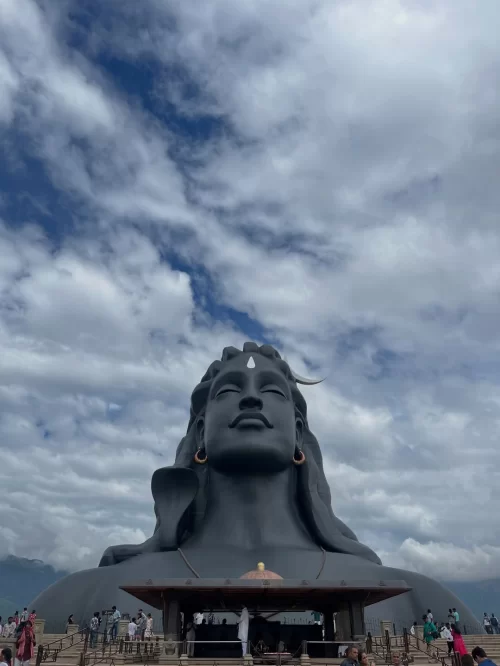



How to Plan a Tamil Nadu Trip for the First Time
Planning your first Tamil Nadu trip becomes easier when you understand the best destinations, travel routes, weather, budget, and itinerary options before you begin your journey.
+91 9910402252
admin@chalbanjare.com


The Nilgiri Hills offer some of South India’s finest nature experiences, featuring rolling tea estates, mist-covered mountains, forests, waterfalls, lakes, wildlife, and scenic viewpoints spread across Ooty, Coonoor, and Kotagiri.
Coonoor is one of the most picturesque tea-growing regions in the Nilgiri Hills and is renowned for its rolling plantations that stretch across mountain slopes. The neatly maintained tea bushes, cool climate, and mist-covered hills create landscapes that are among the finest in southern India. Unlike busier tourist locations, many plantation areas around Coonoor retain a peaceful atmosphere where visitors can enjoy uninterrupted mountain views while driving through winding estate roads.
The changing light throughout the day transforms the appearance of the plantations, with early mornings offering mist-filled valleys and afternoons revealing vibrant green hills beneath clear skies. Scenic routes around Coonoor provide countless opportunities to stop safely, appreciate the surroundings, and enjoy the refreshing mountain air that makes the region famous.
The tea estates of Coonoor provide visitors with an unforgettable introduction to the natural beauty, agricultural heritage, and peaceful atmosphere of the Nilgiri Hills.
Several tea estates in Coonoor welcome visitors to learn about Nilgiri tea production through guided factory tours and plantation experiences. Visitors can observe the journey of freshly harvested leaves through different stages including withering, rolling, drying, sorting, and packaging before the finished tea reaches consumers. These visits provide valuable insight into one of the Nilgiri region's most important industries.
Many estates also include tasting sessions where visitors sample different grades of Nilgiri tea while learning about flavor variations created by altitude, climate, and processing techniques. Plantation walks through designated visitor areas further enhance the experience by allowing close views of tea cultivation against spectacular mountain backdrops.
Factory visits and plantation walks allow travelers to appreciate both the craftsmanship and natural beauty that have made Coonoor internationally known for premium tea production.
The countryside surrounding Coonoor's tea plantations features numerous viewpoints overlooking valleys, forests, villages, and mountain ridges. Scenic drives often pass through quiet rural landscapes where tea gardens blend seamlessly with eucalyptus forests and traditional settlements. These viewpoints provide excellent opportunities to observe the scale of tea cultivation across the Nilgiri Hills while enjoying peaceful natural surroundings.
Visitors exploring beyond the main tourist routes often discover less crowded roads, small villages, and hidden viewpoints that reveal some of the most beautiful scenery in the region. The combination of mountain landscapes and plantation views creates memorable experiences for nature lovers and photographers alike.
The viewpoints surrounding Coonoor's tea estates showcase the remarkable beauty of the Nilgiris while providing peaceful escapes away from crowded tourist locations.
Ooty is surrounded by expansive tea plantations that have become one of the defining features of the Nilgiri landscape. The estates extend across gently rolling hills, creating endless patterns of vibrant green that contrast beautifully with forests, mountain peaks, and blue skies. Driving through these plantations is one of the most enjoyable experiences in the region, with scenic roads offering uninterrupted views of tea gardens stretching across the valleys.
Many visitors choose to explore these plantations during the morning when mist hangs over the hills and the cool mountain air creates an especially refreshing atmosphere. Throughout the year, the plantations remain visually impressive, making them a highlight for both first-time visitors and returning travelers.
Ooty's tea gardens remain among the most iconic attractions in the Nilgiri Hills, offering visitors spectacular scenery throughout every season.
The Nilgiri region is internationally recognized for producing aromatic tea that benefits from high altitude, cool temperatures, and fertile mountain soils. Visitors can learn how tea bushes are cultivated, maintained, and harvested before the leaves are transported to nearby processing units. Understanding these agricultural practices provides valuable insight into the importance of tea production within the local economy.
Tea factories explain each stage of processing while introducing visitors to different grades and varieties produced throughout the Nilgiris. Sampling freshly prepared tea directly from the region further enriches the experience and allows travelers to appreciate the distinctive characteristics of Nilgiri tea.
Learning about tea cultivation helps visitors appreciate how the Nilgiri Hills have developed into one of India's most respected tea-producing regions.
The tea gardens around Ooty are among the finest photography locations in Tamil Nadu. Early mornings often reveal drifting mist, soft sunlight, and dew-covered tea bushes that create atmospheric compositions across the hills. The carefully maintained plantation rows provide strong visual patterns while the surrounding forests and valleys add depth to every landscape photograph.
Changing weather conditions ensure that every visit offers different photographic opportunities. Winter mornings often provide crystal-clear mountain views, while monsoon clouds create dramatic scenery across the plantations. Visitors should carry suitable weather protection for cameras because mountain conditions can change quickly throughout the day.
Ooty's tea gardens provide outstanding opportunities to capture the beauty of the Nilgiri Hills through constantly changing mountain light and spectacular natural scenery.
Kotagiri is one of the oldest hill stations in the Nilgiris and offers a quieter alternative to Ooty and Coonoor. Its extensive tea plantations spread across gentle mountain slopes, creating peaceful landscapes where visitors can enjoy nature without the larger crowds found at more popular tourist destinations. The roads winding through the estates reveal uninterrupted views of green hills, traditional villages, and distant valleys that define the charm of this region.
The calm atmosphere makes Kotagiri particularly attractive for travelers seeking slow-paced exploration. Unlike busier hill stations, many plantation roads remain quiet throughout the day, allowing visitors to appreciate the sounds of birds, cool mountain breezes, and the scenic beauty of the tea gardens without distractions.
Kotagiri's tea estates provide a refreshing escape where nature, fresh mountain air, and peaceful landscapes create one of the Nilgiris' most relaxing experiences.
The countryside around Kotagiri is dotted with traditional villages surrounded by tea plantations, vegetable farms, forests, and mountain streams. Driving through these settlements allows visitors to observe rural life in the Nilgiri Hills while enjoying constantly changing scenery. Small farms, traditional homes, and narrow roads contribute to the region's authentic mountain character.
Unlike urban destinations, Kotagiri's villages maintain a close relationship with tea cultivation and agriculture. Visitors can appreciate the slower rhythm of life while exploring quiet roads that connect plantations, viewpoints, and local communities across the hills.
The villages surrounding Kotagiri enrich the travel experience by combining tea cultivation, mountain landscapes, and authentic rural traditions within the Nilgiri Hills.
Kotagiri's scenic roads rank among the most enjoyable drives in the Nilgiri region. Winding through forests, tea plantations, valleys, and mountain ridges, these routes offer continuous panoramic views that change with every curve. During clear weather, visitors can see distant peaks and expansive tea estates stretching across the hillsides, while misty mornings create dramatic mountain scenery.
Several roads also lead toward nearby viewpoints, waterfalls, and forest areas, allowing travelers to combine scenic driving with nature exploration. Taking frequent stops at safe viewpoints adds depth to the journey and provides opportunities to appreciate the remarkable landscapes surrounding Kotagiri.
Kotagiri's scenic roads provide memorable driving experiences where tea estates, forests, and panoramic mountain views accompany travelers throughout the journey.
Avalanche Lake is one of the most beautiful natural destinations in the Nilgiri Hills, located around 25 kilometers from Ooty. Surrounded by dense forests, rolling grasslands, mountain slopes, and flowering shrubs, the lake offers an atmosphere of remarkable peace that contrasts with the busier tourist attractions closer to town. The journey to the lake passes through scenic countryside, making the drive itself an important part of the experience.
The calm waters reflect the surrounding hills during clear weather, creating spectacular scenery throughout the year. Visitors often spend time simply enjoying the tranquil environment, observing changing mountain light, and appreciating one of the least disturbed natural landscapes in the Nilgiris.
Avalanche Lake offers one of the Nilgiris' most peaceful nature experiences, combining untouched landscapes with spectacular mountain scenery.
The region surrounding Avalanche Lake features beautiful natural trails that pass through forests, grasslands, streams, and mountain valleys. These routes allow visitors to experience the biodiversity of the Western Ghats while enjoying fresh mountain air and quiet surroundings. Walking through the area provides opportunities to observe native vegetation, seasonal flowers, and the changing landscapes that characterize this protected part of the Nilgiris.
The gentle mountain terrain around the lake encourages slow exploration rather than hurried sightseeing. Every season offers different natural features, from vibrant greenery after the monsoon to crisp visibility during the cooler winter months.
The nature trails around Avalanche Lake provide rewarding opportunities to experience the untouched landscapes and ecological richness of the Nilgiri Mountains.
Avalanche Lake is one of the finest photography destinations in the Nilgiris because of its unspoiled wilderness, forested hills, open grasslands, and peaceful waters. Early mornings often produce mist-covered valleys and soft reflections across the lake, while afternoons reveal dramatic contrasts between forests, mountains, and blue skies. The absence of large crowds allows photographers to work comfortably in a quiet natural setting.
Visitors interested in landscape photography should carry suitable clothing for changing mountain weather and allow enough time to explore different viewpoints around the lake. Every season offers unique compositions that showcase the natural beauty of this remarkable region.
The wilderness surrounding Avalanche Lake rewards photographers and nature lovers with some of the most pristine landscapes found anywhere in the Nilgiri Hills.
Emerald Lake is one of the most tranquil destinations in the Nilgiri Hills, situated within the Silent Valley region a short drive from Ooty. Surrounded by rolling grasslands, tea plantations, forests, and gently rising mountains, the lake offers an atmosphere of remarkable calm that appeals to travelers seeking quiet natural surroundings. Unlike the busier attractions in Ooty town, Emerald Lake remains relatively uncrowded, allowing visitors to appreciate uninterrupted views across the water and surrounding hills.
The scenic drive to the lake is equally rewarding, passing through picturesque countryside where tea estates blend with forests and mountain valleys. Early morning visits are particularly memorable as mist often drifts across the water while sunlight gradually illuminates the surrounding landscapes.
Emerald Lake provides visitors with one of the Nilgiris' most peaceful nature escapes where calm waters, fresh mountain air, and beautiful scenery create a relaxing experience.
The Silent Valley region surrounding Emerald Lake is characterized by extensive grasslands, dense forests, mountain streams, and open valleys that showcase the ecological diversity of the Nilgiri Hills. These landscapes remain largely undisturbed, making them especially attractive for travelers interested in nature, photography, and peaceful outdoor experiences. The changing terrain creates constantly evolving views as visitors explore different parts of the area.
Throughout the year, seasonal weather transforms the landscape. The monsoon brings lush greenery and flowing streams, while winter often offers excellent visibility across the surrounding mountain ranges. The combination of forests and open grasslands creates one of the most scenic environments in the Nilgiris.
The forests and grasslands surrounding Emerald Lake reveal the quieter side of the Nilgiris, offering remarkable scenery throughout every season.
Emerald Lake and Silent Valley are ideal for visitors who prefer slow travel and peaceful outdoor experiences instead of crowded sightseeing locations. The calm atmosphere encourages leisurely walks, photography, birdwatching, and quiet relaxation while surrounded by forests, tea plantations, and mountain scenery. The absence of commercial development preserves the area's natural character and enhances the overall experience.
Visitors can spend several hours exploring scenic viewpoints, enjoying picnic breaks, or simply appreciating the silence that gives the valley its name. Responsible tourism practices, including respecting the natural environment and avoiding littering, help preserve this beautiful landscape for future generations.
Emerald Lake and Silent Valley provide one of the Nilgiris' most rewarding experiences for travelers seeking untouched nature, tranquility, and spectacular mountain scenery.
Doddabetta Peak is the highest summit in the Nilgiri Hills and remains the region's most celebrated viewpoint. Rising above 2,600 meters, it offers breathtaking panoramic views across forests, valleys, tea plantations, mountain ridges, and distant hill stations. The well-developed access road allows visitors to reach the summit comfortably while enjoying spectacular scenery throughout the journey.
On clear days, the observation area provides uninterrupted views that extend far beyond Ooty, making it one of the finest places to appreciate the scale and beauty of the Nilgiri Mountains. Early mornings usually offer the clearest visibility, while cooler temperatures create pleasant conditions for sightseeing.
Doddabetta Peak offers visitors an unforgettable perspective of the Nilgiri Hills while showcasing the region's forests, valleys, and rolling tea-covered landscapes.
Lamb's Rock and Dolphin's Nose are among the most famous viewpoints near Coonoor, each offering spectacular perspectives across deep valleys, tea plantations, forests, and distant mountain ranges. These viewpoints are reached through scenic roads passing tea estates and peaceful countryside, making the journey itself as rewarding as the destination.
Dolphin's Nose is particularly well known for its dramatic rock formation projecting above the valley, while Lamb's Rock offers wide panoramic views across the surrounding hills and plains. Clear weather provides exceptional visibility, allowing visitors to appreciate the remarkable diversity of the Nilgiri landscape.
The viewpoints around Coonoor rank among the finest in southern India, combining dramatic cliffs, tea plantations, and panoramic mountain landscapes.
Numerous lesser-known viewpoints between Ooty and Coonoor provide equally impressive views across valleys, forests, plantations, and mountain roads. Exploring these scenic locations allows travelers to appreciate different perspectives of the Nilgiri landscape while avoiding the busiest tourist areas. Every viewpoint offers unique compositions shaped by elevation, surrounding vegetation, and changing weather conditions.
Sunrise and late afternoon remain the best times for photography as soft light enhances the contours of the hills and highlights the vibrant green tea plantations below. Taking time to stop at multiple viewpoints throughout the journey reveals the remarkable geographical diversity of the Nilgiri Hills.
The many viewpoints connecting Ooty and Coonoor provide unforgettable opportunities to appreciate the extraordinary landscapes that define the Nilgiri Hills.
The Nilgiri Hills are home to extensive protected forests that form part of the larger Nilgiri Biosphere Reserve, one of India's most important ecological regions. These forests include evergreen woodlands, shola forests, grasslands, and mountain valleys that support exceptional biodiversity throughout the Western Ghats. Visitors driving through the region often pass dense forest stretches that contrast beautifully with the surrounding tea plantations and open hillsides.
Many scenic routes around Ooty, Coonoor, Kotagiri, Pykara, Avalanche, and Emerald Lake pass through these protected landscapes, offering opportunities to experience cool mountain air, towering native trees, and peaceful natural surroundings. The forests remain especially attractive during the monsoon and post-monsoon seasons when fresh vegetation covers the hills.
The protected forests of the Nilgiris provide visitors with an opportunity to experience one of India's richest mountain ecosystems while enjoying remarkable natural beauty.
The forests of the Nilgiri Hills support diverse wildlife habitats that are home to numerous bird species, butterflies, reptiles, and mammals. While wildlife sightings are never guaranteed, the region remains an excellent destination for nature enthusiasts interested in observing native ecosystems. Several designated nature trails pass through forested areas, allowing visitors to appreciate the region's ecological richness while exploring safely.
Walking through these trails introduces travelers to native trees, flowering plants, seasonal streams, and quiet forest environments rarely experienced in urban settings. Exploring during the early morning hours often provides cooler temperatures and increased opportunities to observe birds and other wildlife activity.
The Nilgiri forests offer rewarding experiences for travelers who appreciate biodiversity, peaceful walking trails, and the opportunity to explore protected mountain ecosystems.
Forest walks in the Nilgiris allow visitors to slow down and fully appreciate the natural environment beyond the region's famous viewpoints and tea estates. Gentle walking routes near Avalanche, Emerald Lake, Pykara, and surrounding forest areas provide opportunities to enjoy birdsong, cool breezes, and the fragrance of native vegetation while surrounded by tranquil mountain scenery.
Visitors should always remain on designated paths, respect local regulations, and avoid disturbing wildlife or vegetation. Carrying drinking water, wearing comfortable walking shoes, and checking weather conditions before beginning longer walks helps ensure a safe and enjoyable forest experience.
Walking through the Nilgiri forests offers one of the most relaxing ways to experience the region's remarkable landscapes while encouraging responsible appreciation of its natural heritage.
Pykara Waterfalls is one of the best-known waterfalls in the Nilgiri Hills and is located close to the scenic Pykara Lake. The waterfall flows through forested landscapes before cascading over rocky formations surrounded by dense greenery. During the monsoon and post-monsoon months, the increased water flow creates dramatic scenery that attracts photographers, families, and nature lovers alike.
The surrounding area includes forests, grasslands, and scenic viewpoints that make the journey as enjoyable as the destination itself. Visitors often combine Pykara Waterfalls with boating at Pykara Lake and scenic drives through the nearby tea-growing countryside, creating a full day of nature exploration.
Pykara Waterfalls combines flowing water, forests, lakes, and mountain scenery to create one of the Nilgiris' most enjoyable natural attractions.
Catherine Falls is a spectacular double-cascading waterfall located near Kotagiri, surrounded by tea plantations, forests, and rolling hills. The waterfall descends from considerable height through dense greenery, creating impressive views that are especially striking after the monsoon. Scenic roads leading toward the viewpoint pass through peaceful tea estates and mountain villages, adding to the overall travel experience.
Visitors can admire the waterfall from designated viewpoints that provide broad panoramas across the valley while maintaining a safe distance. The surrounding tea gardens and cool mountain climate make Catherine Falls one of the most rewarding nature destinations in the eastern part of the Nilgiris.
Catherine Falls beautifully combines dramatic waterfalls with tea-covered hills, making it a highlight for visitors exploring the Kotagiri region.
In addition to Pykara and Catherine Falls, several smaller seasonal waterfalls appear throughout the Nilgiri Hills during and after the monsoon. Many of these cascades can be seen while driving through forest roads, tea plantations, and mountain valleys connecting Ooty, Coonoor, Kotagiri, and nearby villages. Although some are temporary, they significantly enhance the beauty of the surrounding landscapes.
Travelers exploring the Nilgiris during the rainy season should remain cautious near waterfalls because rocks and pathways may become slippery. Enjoying the scenery from designated viewpoints while respecting local safety guidance ensures a rewarding experience throughout the journey.
The seasonal waterfalls scattered throughout the Nilgiri Hills add another dimension to the region's natural beauty, particularly during the lush monsoon months.
The road connecting Ooty and Coonoor is one of the most scenic drives in the Nilgiri Hills. Winding through rolling tea plantations, eucalyptus forests, mountain villages, and panoramic valleys, this route offers constantly changing landscapes that make the journey as memorable as the destinations themselves. Every curve reveals fresh views of tea-covered slopes, misty hills, and colonial-era hill station surroundings that have made the Nilgiris famous among travelers.
The drive is enjoyable throughout the year, although each season offers a different atmosphere. Winter usually provides clear mountain views, while the monsoon transforms the hills into vibrant green landscapes with drifting clouds and flowing streams. Travelers should drive at a relaxed pace to safely enjoy the scenery and stop at designated viewpoints along the route.
The Ooty–Coonoor road journey showcases the classic beauty of the Nilgiri Hills through tea plantations, forests, valleys, and charming mountain scenery.
The Nilgiri region is renowned for its winding mountain roads that pass through vast tea plantations, dense forests, and peaceful countryside. Routes leading toward Kotagiri, Avalanche, Emerald Lake, and Pykara provide equally rewarding driving experiences where travelers encounter cool mountain air, spectacular viewpoints, and quiet landscapes throughout the journey. These roads are carefully engineered to follow the natural contours of the hills while offering magnificent scenery at every turn.
Driving through these mountain routes requires careful attention because of frequent bends, changing weather, and occasional fog during early mornings. Allowing extra travel time enables visitors to stop safely at scenic locations while appreciating the remarkable beauty of the Nilgiri countryside.
The winding roads of the Nilgiris transform every journey into a memorable experience where tea plantations and mountain landscapes accompany travelers throughout the route.
One of the greatest pleasures of exploring the Nilgiris by road is discovering small villages, hidden viewpoints, local tea shops, and peaceful countryside stops between the major attractions. These lesser-known locations provide opportunities to appreciate authentic hill life while enjoying panoramic views across forests, tea estates, and distant valleys. Many travelers find these unexpected stops among the most memorable parts of their journey.
Taking time to explore local villages also offers opportunities to purchase fresh Nilgiri tea, homemade chocolates, locally grown produce, and handcrafted products directly from regional businesses. Respecting village communities and preserving the natural environment helps maintain the charm of these beautiful mountain destinations.
Exploring beyond the main tourist attractions allows visitors to experience the authentic character of the Nilgiris through quiet villages, spectacular viewpoints, and welcoming mountain communities.
The Nilgiri Hills offer remarkable variety, allowing travelers to customize their journey according to personal interests. Visitors fascinated by tea plantations should prioritize Ooty, Coonoor, and Kotagiri, while those seeking peaceful nature experiences may enjoy Avalanche Lake, Emerald Lake, Silent Valley, and the surrounding forests. Travelers interested in panoramic scenery can include Doddabetta Peak, Dolphin's Nose, Lamb's Rock, and Catherine Falls within their itinerary for outstanding mountain views.
Rather than attempting to visit every attraction in a short period, selecting a balanced combination of tea estates, lakes, viewpoints, forests, and scenic drives creates a far more enjoyable travel experience. Spending sufficient time at each location allows visitors to appreciate the calm atmosphere that makes the Nilgiris unique.
Thoughtful planning allows travelers to experience the best of the Nilgiris while enjoying its remarkable combination of mountains, forests, tea gardens, and peaceful countryside.
A three to five-day itinerary provides enough time to explore the major attractions across the Nilgiri Hills. Travelers can spend time in Ooty visiting gardens, viewpoints, and the Nilgiri Mountain Railway before continuing to Coonoor for tea estates and panoramic viewpoints. Additional days can include Kotagiri, Avalanche Lake, Emerald Lake, Pykara, Catherine Falls, and scenic countryside drives that showcase the region's natural diversity.
Families may focus on lakes, gardens, and easy sightseeing, while photographers often prefer early morning visits to viewpoints and plantations. Nature enthusiasts can dedicate additional time to forests, quieter lakes, and protected landscapes throughout the Nilgiri Biosphere Reserve.
A carefully planned itinerary allows visitors to experience the diverse landscapes and unique attractions that make the Nilgiri Hills one of India's finest mountain destinations.
Before beginning your Nilgiri journey, check weather forecasts because temperatures and visibility can change rapidly in mountain regions. Pack warm clothing for mornings and evenings, comfortable walking shoes, rain protection during the monsoon season, sunscreen, drinking water, and essential medicines. Visitors planning to ride the Nilgiri Mountain Railway should reserve tickets in advance, particularly during weekends and holiday seasons.
Drive cautiously on winding mountain roads, start sightseeing early for clearer views, respect wildlife and protected forest regulations, and avoid littering natural areas. Supporting local tea estates, village businesses, and regional handicraft shops contributes to sustainable tourism while helping preserve the cultural and natural heritage of the Nilgiri Hills.
With thoughtful preparation and a relaxed approach, the Nilgiri Hills reward travelers with unforgettable experiences through tea estates, mountain landscapes, forests, lakes, waterfalls, and some of southern India's most spectacular natural scenery.


Get customized Tamil Nadu tour planning designed around temple visit timing, seasonal weather comfort, road travel distances, and realistic pacing across regions. Whether you are visiting for architectural heritage, spiritual journeys, coastal relaxation,
⚡ Quick Response | 💰 Free consultation | 🕒 24×7 expert support

