

How to Plan a Tamil Nadu Trip for the First Time
Planning your first Tamil Nadu trip becomes easier when you understand the best destinations, travel routes, weather, budget, and itinerary options before you begin your journey.
+91 9910402252
admin@chalbanjare.com


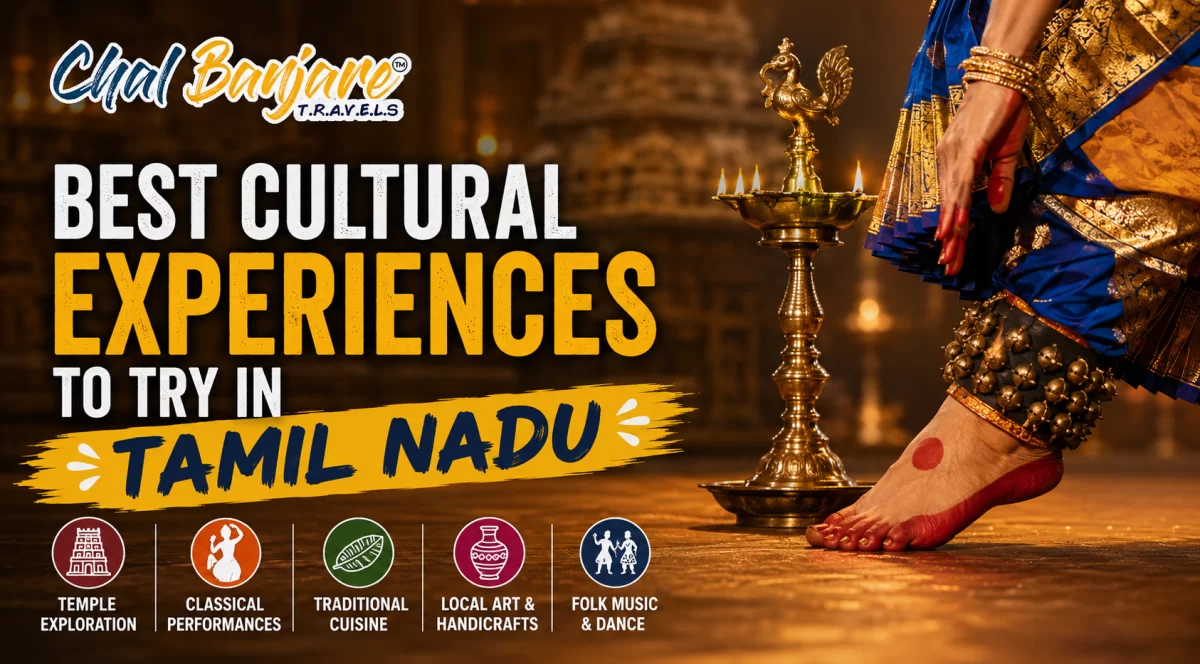
Tamil Nadu is one of India’s richest cultural destinations, offering ancient temple traditions, classical arts, heritage towns, local festivals, traditional crafts, and centuries-old customs that continue to thrive today.
Meenakshi Amman Temple in Madurai is one of the finest examples of Dravidian temple architecture and remains among India's most celebrated religious monuments. Spread across a vast complex, the temple is renowned for its towering gopurams decorated with thousands of brightly painted sculptures depicting deities, mythological characters, saints, and symbolic figures. Every gateway showcases extraordinary craftsmanship that reflects centuries of artistic and architectural excellence.
Inside the temple complex, visitors encounter beautifully carved halls, sacred shrines, stone corridors, temple tanks, and intricately sculpted pillars that demonstrate the remarkable achievements of the Nayak rulers. The layout combines religious symbolism with architectural precision, making the temple one of Tamil Nadu's most important cultural and historical landmarks.
The remarkable architecture of Meenakshi Amman Temple showcases centuries of artistic achievement while preserving one of South India's greatest religious monuments.
The temple remains an active place of worship where centuries-old rituals continue to be performed daily according to traditional Hindu customs. Priests conduct regular ceremonies throughout the day, while devotees visit the temple to offer prayers, participate in religious observances, and celebrate important festivals associated with Goddess Meenakshi and Lord Sundareswarar.
Beyond its religious role, the temple serves as a cultural center that has influenced literature, music, dance, architecture, and community life across Tamil Nadu for generations. Visitors observing temple rituals gain valuable insight into the living traditions that continue to shape Tamil spiritual culture.
The daily rituals and religious traditions of Meenakshi Amman Temple demonstrate the enduring importance of faith and culture within Tamil society.
Walking through the temple complex allows visitors to experience a peaceful spiritual atmosphere shaped by devotional chants, temple bells, incense, and centuries of continuous worship. Despite welcoming thousands of visitors each day, the temple maintains an atmosphere of reverence that encourages quiet observation and respectful exploration.
Early mornings and evenings are particularly rewarding, as traditional ceremonies, softer lighting, and cooler temperatures enhance the overall experience. Visitors should dress modestly, follow temple guidelines, and respect photography restrictions in designated areas to ensure a meaningful visit.
Meenakshi Amman Temple offers a profound combination of architecture, spirituality, and living tradition that remains central to the cultural identity of Tamil Nadu.
Bharatanatyam is one of India's oldest classical dance forms and originated in Tamil Nadu, where it continues to flourish through performances, festivals, and cultural institutions. Characterized by graceful movements, rhythmic footwork, expressive gestures, and precise body postures, the dance reflects centuries of artistic tradition rooted in temple culture and classical literature.
Visitors attending Bharatanatyam performances gain insight into one of Tamil Nadu's most treasured cultural traditions. Whether performed in historic auditoriums, cultural festivals, temples, or dedicated performance venues, the dance showcases the elegance and discipline that have made it internationally respected.
Bharatanatyam performances provide visitors with an inspiring introduction to Tamil Nadu's rich classical performing arts and enduring cultural heritage.
Every Bharatanatyam performance combines expressive facial gestures, symbolic hand movements, rhythmic footwork, and Carnatic music to narrate stories drawn from Hindu mythology, devotional literature, and classical poetry. The dance communicates emotions, characters, and spiritual themes through carefully choreographed movements that have been refined over generations.
Even visitors unfamiliar with the language can appreciate the artistry through the dancers' expressions, costumes, and musical accompaniment. Understanding the connection between movement and storytelling adds depth to the performance experience while highlighting the sophistication of Tamil classical arts.
Bharatanatyam beautifully combines music, movement, and storytelling to preserve centuries of Tamil artistic and spiritual expression.
Throughout Tamil Nadu, Bharatanatyam performances are presented in temples, cultural academies, heritage venues, music festivals, and dedicated art centers. Chennai's annual Music Season remains one of the most important occasions for experiencing classical dance, while Madurai, Thanjavur, and other historic cities also host cultural events throughout the year.
Attending performances in traditional settings enhances the overall experience by connecting the dance with the architecture, music, and religious traditions that shaped its development. Checking local event schedules before travel helps visitors include performances within their cultural itinerary.
Watching Bharatanatyam in its cultural setting allows travelers to experience one of Tamil Nadu's greatest artistic traditions in an authentic and memorable way.
Tamil Nadu's temple festivals are among the state's most vibrant cultural experiences, bringing together centuries-old religious traditions, community participation, music, and ceremonial processions. Major temples across Madurai, Chidambaram, Kanchipuram, Thanjavur, Rameswaram, Palani, and Srirangam host annual festivals that attract thousands of devotees and visitors from across India. These celebrations transform temple towns into lively cultural centers filled with devotional activities.
Decorated temple complexes, illuminated streets, traditional performances, and elaborate rituals create an atmosphere that reflects the living heritage of Tamil Nadu. Every festival has its own historical significance, local customs, and ceremonial practices that have been preserved through generations.
Temple festivals offer visitors an unforgettable opportunity to witness Tamil Nadu's rich religious heritage through vibrant community celebrations and centuries-old customs.
Festival days feature beautifully decorated temple chariots, ceremonial processions, devotional singing, traditional percussion ensembles, Carnatic music, and sacred rituals performed according to ancient customs. Priests, musicians, artisans, and local communities participate together, creating celebrations that reflect both spiritual devotion and cultural continuity.
Visitors observing these ceremonies gain a deeper understanding of Tamil religious traditions while witnessing artistic practices that continue to play an important role in community life. Respectful observation and appropriate attire help ensure a meaningful experience during festival visits.
Traditional processions and rituals demonstrate the enduring cultural importance of temple festivals throughout Tamil Nadu's historic temple towns.
Travelers interested in Tamil culture can plan their itinerary around important temple festivals such as the Meenakshi Thirukalyanam in Madurai, Panguni festivals, Chithirai celebrations, Vaikunta Ekadasi, Navaratri, and Pongal. Festival schedules follow the traditional Hindu calendar, so confirming dates before travel is recommended when planning cultural visits.
During major festivals, accommodation and transport may become busier because of increased visitor numbers. Booking hotels in advance and arriving early at temple complexes helps visitors experience the celebrations comfortably while avoiding unnecessary travel delays.
Well-planned festival visits allow travelers to experience Tamil Nadu's cultural traditions at their most colorful while enjoying some of the state's most significant religious celebrations.
Chettinad is renowned for its remarkable heritage mansions built by the prosperous Chettiar merchant community between the nineteenth and early twentieth centuries. These grand residences are distinguished by spacious courtyards, intricately carved wooden doors, imported materials, decorative pillars, handcrafted tiles, and elegant architectural layouts that combine Indian and international influences. Walking through Chettinad villages provides visitors with an opportunity to appreciate one of Tamil Nadu's finest architectural traditions.
Many heritage mansions continue to be maintained by local families, while others have been carefully restored as heritage accommodations or museums. The architecture reflects the wealth, craftsmanship, and global trading connections that shaped the history of the Chettiar community.
Chettinad's magnificent mansions remain among the most impressive examples of residential heritage architecture in South India.
Chettinad cuisine is one of Tamil Nadu's most celebrated culinary traditions, known for its rich use of spices, freshly ground masalas, aromatic herbs, and carefully balanced flavors. Meals often feature regional rice dishes, vegetable preparations, traditional breads, and a wide variety of vegetarian and non-vegetarian specialties prepared using recipes that have been preserved for generations.
Dining in traditional Chettinad homes or heritage restaurants provides visitors with insight into local hospitality and cultural customs. Food remains closely connected with family traditions, festivals, and community celebrations throughout the region.
Chettinad cuisine offers travelers one of Tamil Nadu's richest culinary experiences through distinctive flavors and generations of traditional cooking.
The villages of Chettinad preserve a peaceful rural atmosphere where broad streets, historic mansions, temples, artisan workshops, and traditional lifestyles continue to define everyday life. Exploring these settlements allows visitors to experience Tamil culture beyond the state's larger cities while appreciating architecture, craftsmanship, and community traditions that remain deeply rooted in the region.
Local artisans continue producing handcrafted items including Athangudi tiles, woodwork, metal crafts, and textiles that contribute to Chettinad's distinctive cultural identity. Visiting workshops and local markets provides opportunities to observe these traditional skills while supporting regional craftsmanship.
Chettinad's villages preserve a remarkable combination of architecture, craftsmanship, cuisine, and cultural traditions that continue to enrich Tamil Nadu's heritage.
Traditional Tamil cuisine reflects the diversity of the state's geography, history, and agricultural heritage. Every region contributes unique recipes, creating a culinary landscape that ranges from simple vegetarian meals to elaborate festive feasts. Rice forms the foundation of most meals and is accompanied by sambar, rasam, kuzhambu, poriyal, kootu, curd, pickles, papad, and seasonal vegetables prepared with locally grown ingredients. These balanced meals highlight the freshness and simplicity that characterize Tamil cooking.
Different cities and regions offer distinctive specialties, with Chettinad known for its aromatic spice blends, Madurai for traditional street food and local delicacies, Kanchipuram for its famous temple-style idli, and coastal districts for seafood prepared using traditional Tamil recipes. Exploring these regional differences allows travelers to appreciate the richness of Tamil Nadu's culinary traditions.
Traditional Tamil cuisine introduces visitors to centuries of culinary heritage through carefully prepared meals that celebrate local ingredients and regional diversity.
Tamil cooking continues to preserve traditional preparation methods that emphasize freshly ground spices, stone grinding, slow cooking, clay pots, and seasonal ingredients. Coconut, tamarind, curry leaves, mustard seeds, lentils, fresh vegetables, and locally grown rice varieties remain essential components of everyday meals throughout the state.
Many traditional recipes have been passed through generations within families and continue to be prepared during festivals, celebrations, and religious occasions. Visitors dining at heritage restaurants, family-run eateries, and village homes often experience cooking techniques that have changed very little over time.
The traditional cooking methods of Tamil Nadu preserve both culinary knowledge and cultural identity, offering visitors an authentic taste of the region's heritage.
One of the best ways to understand Tamil Nadu's culture is by exploring its food across different destinations. Temple towns often serve traditional vegetarian meals, coastal communities specialize in seafood, hill stations offer locally grown produce and homemade chocolates, while rural villages preserve family recipes that reflect agricultural traditions and seasonal ingredients.
Travelers who include local restaurants, traditional markets, village eateries, and heritage dining experiences within their itinerary gain a broader understanding of Tamil Nadu's regional diversity. Each destination contributes unique flavors while maintaining the shared culinary traditions that define Tamil cuisine.
Exploring Tamil Nadu through its cuisine provides meaningful cultural experiences where every destination contributes its own distinctive flavors and traditions.
Kanchipuram has earned international recognition for its exquisite silk sarees, which are regarded among the finest handwoven textiles in India. For centuries, skilled weaving families have preserved techniques that produce richly colored silk fabrics featuring intricate borders, traditional motifs, and durable craftsmanship. The weaving tradition remains closely connected with the city's cultural and religious heritage, making Kanchipuram one of Tamil Nadu's most important textile centers.
Visitors exploring the city can learn about the weaving process while appreciating the precision and patience required to create each saree. Many weaving workshops continue to operate using traditional handlooms, allowing travelers to observe artisans practicing skills that have been passed through generations.
Kanchipuram's weaving tradition preserves centuries of craftsmanship while continuing to produce some of India's most respected silk textiles.
The creation of a traditional Kanchipuram silk saree involves multiple stages, including silk preparation, dyeing, thread arrangement, weaving, and finishing. Skilled artisans work carefully on handlooms to produce detailed patterns inspired by temple architecture, nature, mythology, and classical Tamil art. Every completed saree represents many days of patient craftsmanship and technical expertise.
Visiting weaving centers allows travelers to better understand the dedication required for this traditional art form. Conversations with local artisans often reveal the cultural importance of weaving within family traditions and the continued efforts to preserve these historic techniques.
Traditional weaving practices demonstrate the remarkable skill and cultural knowledge that continue to define Kanchipuram's internationally respected textile heritage.
Kanchipuram's local markets provide opportunities to explore authentic silk products while interacting with artisan families and traditional textile businesses. Visitors can compare different weaving styles, colors, patterns, and craftsmanship while learning about the significance of silk sarees in Tamil weddings, festivals, and religious ceremonies.
Purchasing directly from reputable weaving cooperatives or established artisan stores helps support local communities that continue preserving this centuries-old tradition. Exploring markets alongside the city's famous temples creates a rewarding cultural experience that combines architecture, spirituality, and craftsmanship.
Kanchipuram's markets and artisan communities provide visitors with meaningful opportunities to experience one of Tamil Nadu's most celebrated cultural traditions firsthand.
Mahabalipuram, also known as Mamallapuram, is one of India's finest centers of ancient stone architecture and sculpture. Developed during the Pallava dynasty between the seventh and eighth centuries, the town is home to remarkable rock-cut caves, monolithic temples, stone chariots, and intricate bas-relief carvings that collectively form a UNESCO World Heritage Site. These monuments demonstrate the extraordinary artistic vision and engineering skills of early South Indian craftsmen.
Walking through the heritage complex allows visitors to appreciate masterpieces such as Arjuna's Penance, the Five Rathas, Krishna's Butter Ball, and the Shore Temple. Every monument showcases detailed craftsmanship while illustrating stories from Hindu mythology and classical traditions through carefully sculpted stone.
Mahabalipuram preserves one of India's greatest collections of ancient stone monuments, reflecting centuries of artistic excellence and cultural heritage.
The tradition of stone carving continues in Mahabalipuram today through workshops where skilled artisans preserve techniques that have been practiced for generations. Craftsmen carefully shape granite using traditional tools while producing sculptures inspired by temples, mythology, animals, and classical decorative patterns. Their work demonstrates remarkable patience, precision, and artistic skill.
Visitors exploring artisan workshops gain valuable insight into the processes involved in transforming solid stone into detailed works of art. Watching experienced sculptors at work provides a deeper appreciation of both the ancient monuments and the living craft traditions that continue to thrive in Mahabalipuram.
Mahabalipuram's artisan community continues to preserve one of Tamil Nadu's oldest artistic traditions through exceptional stone craftsmanship.
Mahabalipuram demonstrates how architecture, sculpture, religion, and history were closely connected during the Pallava period. The monuments served not only as places of worship but also as expressions of artistic achievement, political influence, and cultural identity. Every carved pillar, relief panel, and temple façade reflects the sophisticated knowledge of design and symbolism possessed by ancient craftsmen.
Exploring the monuments alongside the nearby coastline creates a unique cultural experience where heritage and natural beauty complement each other. Visitors can appreciate both the architectural significance of the site and its continuing importance within Tamil Nadu's cultural landscape.
Mahabalipuram beautifully illustrates the lasting relationship between art, architecture, religion, and history within Tamil civilization.
Tamil Nadu is one of the principal centers of Carnatic music, a classical tradition that has evolved over centuries through devotion, scholarship, and artistic excellence. The music emphasizes complex melodic structures, rhythmic precision, and compositions created by renowned composers whose works continue to be performed today. Chennai, in particular, has become internationally recognized as one of the world's leading destinations for experiencing Carnatic music.
Visitors attending concerts gain insight into a musical tradition that plays an important role in Tamil cultural identity. Performances feature vocalists accompanied by instruments such as the violin, mridangam, veena, flute, and ghatam, creating rich and sophisticated musical experiences.
Carnatic music remains one of Tamil Nadu's greatest artistic traditions, preserving centuries of musical knowledge through live performance and cultural education.
Throughout the year, Tamil Nadu hosts concerts, music festivals, temple performances, and cultural events celebrating classical music. Chennai's annual Music Season is among the world's largest classical music festivals, attracting distinguished musicians and audiences from across India and abroad. Numerous auditoriums, sabhas, and cultural organizations organize performances that showcase both established artists and emerging talent.
Beyond Chennai, visitors can also experience music during temple festivals and regional cultural celebrations where devotional performances continue longstanding traditions. These events allow travelers to witness classical music within its traditional cultural setting.
Classical music concerts provide visitors with memorable cultural experiences while highlighting the enduring importance of music in Tamil society.
Music has long been intertwined with Tamil literature, dance, temple traditions, and religious ceremonies. Carnatic music frequently accompanies Bharatanatyam performances and devotional rituals, illustrating the close relationship between different forms of Tamil artistic expression. Through these connections, music continues to play a central role in preserving cultural identity across generations.
Visitors exploring museums, cultural centers, and heritage institutions often encounter exhibitions and performances that explain the historical development of Tamil classical music. Experiencing music alongside dance, architecture, and temple traditions provides a broader understanding of the state's remarkable cultural heritage.
The enduring role of classical music within Tamil culture demonstrates how artistic traditions continue to enrich everyday life, religious practice, and cultural celebrations throughout the state.
Local markets across Tamil Nadu provide one of the best opportunities to experience the state's living culture. Markets in Chennai, Madurai, Kanchipuram, Thanjavur, Chettinad, Coimbatore, Salem, and numerous temple towns display an impressive variety of regional products including handwoven textiles, brassware, wooden handicrafts, stone carvings, pottery, spices, flowers, traditional jewelry, palm-leaf products, and locally produced food items. Walking through these lively marketplaces introduces visitors to the craftsmanship and trading traditions that continue to support local communities.
Every market reflects the identity of its surrounding region. Temple towns often specialize in religious articles and handicrafts, while rural markets showcase agricultural produce, handmade goods, and locally prepared snacks. These markets remain active centers of commerce where traditional skills continue to flourish alongside modern businesses.
Tamil Nadu's local markets preserve centuries of commercial and artistic traditions while offering visitors authentic cultural experiences beyond major tourist attractions.
Beyond the state's famous monuments and temples, everyday life in Tamil Nadu unfolds through village streets, neighborhood markets, agricultural communities, traditional homes, and family-run businesses. Exploring these places allows visitors to observe local customs, seasonal farming activities, religious practices, and the strong sense of community that continues to define daily life throughout the state.
Village visits often reveal beautifully maintained temples, quiet streets, local tea shops, and small workshops where traditional occupations continue across generations. Respectful interaction with local residents and appreciation for community customs create meaningful travel experiences that extend beyond conventional sightseeing.
Experiencing everyday life in Tamil Nadu offers travelers valuable insight into the traditions, values, and communities that shape the state's rich cultural identity.
Shopping in Tamil Nadu extends beyond purchasing souvenirs, offering opportunities to experience local food traditions, artisan skills, and community interactions. Visitors can explore spice shops, silk stores, flower markets, sweet shops, pottery workshops, and handcrafted textile outlets while learning about the products that remain important to Tamil culture and daily life.
Many travelers find that conversations with shopkeepers, artisans, and local residents provide a deeper understanding of regional traditions than guidebooks alone. Choosing locally made products also supports traditional industries while helping preserve valuable cultural skills for future generations.
Traditional shopping experiences connect visitors with Tamil Nadu's living heritage through craftsmanship, cuisine, and meaningful interactions with local communities.
Tamil Nadu offers an extraordinary range of cultural experiences that can be tailored to individual interests. Travelers interested in architecture may focus on Madurai, Mahabalipuram, Thanjavur, and Kanchipuram, while those drawn to performing arts can attend Bharatanatyam performances and Carnatic music concerts in Chennai and other cultural centers. Food enthusiasts can explore Chettinad cuisine, temple town specialties, and local markets, while heritage travelers can discover artisan villages, weaving traditions, and historic temple festivals throughout the state.
Rather than attempting to visit every attraction, selecting experiences that align with personal interests allows visitors to enjoy a deeper understanding of Tamil culture while maintaining a comfortable travel pace.
A thoughtfully planned cultural itinerary helps visitors experience the diversity of Tamil Nadu through its architecture, performing arts, cuisine, and living traditions.
A well-rounded cultural journey can begin in Chennai with museums, classical music, Bharatanatyam performances, and heritage neighborhoods before continuing to Mahabalipuram for UNESCO monuments and stone carving traditions. Travelers can then visit Kanchipuram for silk weaving, Thanjavur for Chola heritage, Chettinad for architecture and cuisine, Madurai for Meenakshi Amman Temple, and Rameswaram for spiritual experiences. This route presents a comprehensive introduction to Tamil Nadu's artistic, religious, and historical heritage.
Allowing sufficient time at each destination encourages meaningful exploration of museums, temples, artisan workshops, markets, and local communities instead of rushing through multiple attractions in a limited period.
A carefully planned itinerary allows travelers to appreciate the remarkable cultural diversity that makes Tamil Nadu one of India's richest heritage destinations.
Before visiting Tamil Nadu's cultural attractions in 2026, confirm opening hours, festival schedules, and photography regulations, especially for temples and museums. Dress modestly when entering religious sites, remove footwear where required, and respect local customs during ceremonies and festivals. Booking accommodation early is recommended during major cultural events and holiday periods when visitor numbers increase significantly.
Carry comfortable walking footwear, drinking water, sun protection, and cash for purchases in smaller markets or artisan villages where digital payment options may be limited. Supporting local artisans, preserving heritage sites, avoiding littering, and following cultural etiquette contribute to responsible tourism while helping protect Tamil Nadu's remarkable cultural legacy for future generations.
With careful planning and respectful travel, visitors can experience Tamil Nadu's extraordinary cultural heritage through its temples, festivals, music, dance, cuisine, architecture, traditional crafts, and welcoming communities in one unforgettable journey.


Get customized Tamil Nadu tour planning designed around temple visit timing, seasonal weather comfort, road travel distances, and realistic pacing across regions. Whether you are visiting for architectural heritage, spiritual journeys, coastal relaxation,
⚡ Quick Response | 💰 Free consultation | 🕒 24×7 expert support

