
Trimbakeshwar Temple Nashik – Darshan, Timings and Travel Guide
Learn about darshan at Trimbakeshwar Temple near Nashik, with an overview of temple timings and travel considerations to help you prepare for your pilgrimage.
+91 9910402252
admin@chalbanjare.com


Learn about Lonavala’s monsoon weather, waterfall outings and travel considerations to help you plan sightseeing around rainfall, visibility and seasonal access.
Monsoon generally brings frequent rain and humid, misty conditions to Lonavala from June to September. The pattern varies between years and between individual days, with intense spells sometimes affecting visibility and road movement.
A valley visible when you arrive can disappear into cloud minutes later. Treat clear views as an opportunity rather than something guaranteed by choosing a particular hour.
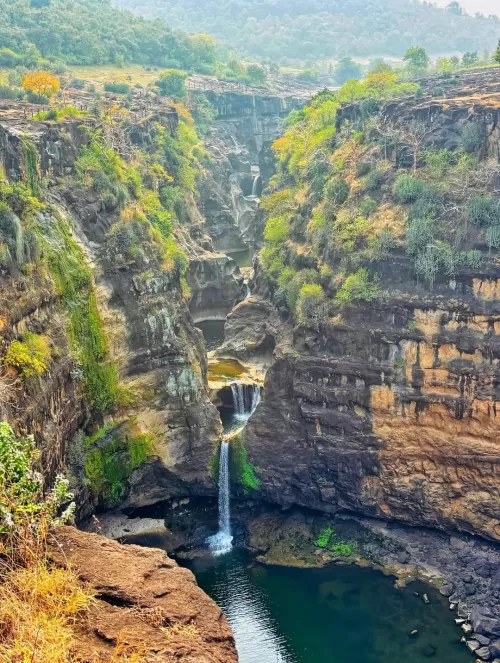
Seasonal water is a major attraction during Lonavala’s rains, but strong flow also creates the greatest risk. Bhushi Dam and nearby waterfall areas can be subject to restrictions, crowd controls or temporary closure.
Check current local police and district instructions before travelling. Do not rely on an old video, an operator’s advertisement or the presence of other visitors as proof that entry is permitted.
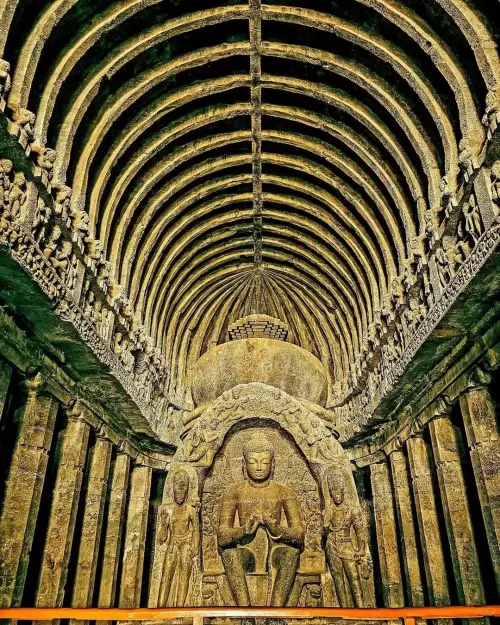
Karla and Bhaja Caves offer Buddhist rock-cut heritage alongside the region’s natural scenery. They can add variety to a monsoon visit, but neither should be treated as a completely sheltered attraction.
Both visits involve stepped or sloping access, and rain can make stone surfaces slippery. Choose one cave complex if your group prefers a slower pace or includes visitors who find climbing difficult.
Visit in daylight and allow extra time for the descent in wet conditions.
Lohagad, Visapur and other nearby fort routes can become slippery, crowded and harder to navigate during monsoon. A route described as easy in dry weather may be unsuitable for an inexperienced group after heavy rain.
Check current restrictions, use competent local guidance and assess the least experienced walker’s ability. Water flowing over steps or paths is a reason to reconsider, not an attraction to seek out.
Lonavala is accessible by road and rail from Mumbai and Pune, but monsoon weekends can make the final approach and local sightseeing slow. Journey time depends on your starting point, service and traffic conditions.
A train can avoid some road congestion, but you still need a plan for reaching your hotel and attractions from the station. Confirm a local taxi or hotel transfer rather than assuming immediate availability.
A one-night stay works for a short rainy-season break, while two nights provide more flexibility if heavy rain interrupts sightseeing. Choose accommodation for access, maintenance and meal options as well as scenery.
Use arrival day for check-in and a nearby outing if conditions permit. The next morning, choose one cave visit or a short viewpoint circuit before returning.
A distant property may be peaceful, but repeated taxi journeys can reduce both convenience and savings.
Pack for getting wet even on a short trip. Rainwear and dependable footwear are more useful than trying to keep an ambitious sightseeing schedule during unsuitable conditions.
Never cross a flooded path or enter moving water to complete an outing. Follow closures, turn back when conditions worsen, and allow the weather to decide how much sightseeing is practical.


Get customized Maharashtra tour planning designed around seasonal weather shifts, long-distance road travel flow, hill station comfort, coastal timing, and heritage exploration pacing. Whether you are visiting for historic caves, spiritual journeys, beach
⚡ Quick Response | 💰 Free consultation | 🕒 24×7 expert support

