
Trimbakeshwar Temple Nashik – Darshan, Timings and Travel Guide
Learn about darshan at Trimbakeshwar Temple near Nashik, with an overview of temple timings and travel considerations to help you prepare for your pilgrimage.
+91 9910402252
admin@chalbanjare.com


Get an overview of Lonavala and Khandala’s viewpoints, caves and natural attractions to help you choose sightseeing stops and organise your hill station getaway.
Tiger’s Leap and Lion’s Point are commonly combined as a viewpoint outing, but map labels and advertised stop names can overlap.
Ask your driver which viewing areas are included rather than paying separately for several names describing nearby locations.
Allow time for the drive, parking and a short walk at each permitted viewpoint.
Fog can obscure the valley, while rain makes surfaces slippery. Stay within safe viewing areas and do not approach edges for photographs.
Check current access hours and restrictions before planning sunrise, sunset or an after-dark visit.
Rajmachi Point suits a short Khandala sightseeing circuit, offering views when visibility is favourable.
Rajmachi Point is not the same experience as trekking to Rajmachi’s forts and settlement. Do not use a viewpoint visit as evidence that the longer trek is nearby or easy.
Combine a few permitted Khandala viewpoints instead of spending the day travelling between similar overlooks. Ask about parking and the approach walk.
Heavy cloud can remove the main attraction temporarily. Retain a cave visit or relaxed meal as an alternative rather than waiting close to an exposed edge.
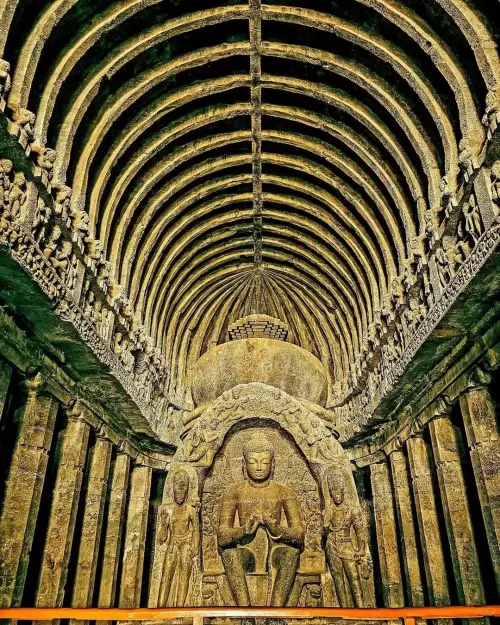
Karla and Bhaja provide a substantial heritage alternative to viewpoints and water attractions. Both involve stepped approaches.
Allow time to appreciate the Buddhist prayer hall and carved details. The nearby Ekvira shrine attracts worshippers, so religious occasions can affect the approach and crowd levels.
Bhaja offers another important early Buddhist cave complex, with architectural and sculptural features worth examining slowly.
Give each site approximately one-and-a-half to two hours including the climb, adjusting for fitness and interest. Check tickets and visiting hours independently.
Wet steps can be slippery, and neither visit should be assumed step-free.
Lohagad and Visapur suit travellers who want a walking-based excursion rather than a quick roadside stop.
Lohagad’s stepped sections are a familiar trekking option, but the climb can still be tiring and slippery. Visapur involves more uneven terrain and route-finding considerations on common approaches.
Check the trail, access restrictions, weather and guide requirements before departure. Start early enough to descend in daylight.
Carry water, food and footwear with reliable grip. Avoid climbing through flowing water or following social-media routes without local verification.
Combining both forts is unsuitable for many casual sightseeing groups, particularly in heavy rain.
Bhushi Dam and Lonavala Lake change significantly with rainfall. Visit for permitted landscape viewing rather than assuming access to overflowing water.
Monsoon photographs often show people on wet steps, but strong currents and sudden increases in flow can be dangerous. Follow barriers and police instructions, and do not enter restricted areas.
Water levels and the surrounding appearance vary seasonally. Confirm the authorised approach and avoid parking or walking on unsafe roadside sections.
Neither site should be treated as a guaranteed swimming or boating destination. During dry periods, expect a different experience from peak-monsoon images.
Duke’s Nose, also called Nagphani, is a trekking objective with an exposed hill setting. It requires a different level of preparation from a roadside viewpoint.
Arrange guidance if unfamiliar with the approach, and confirm access before setting out. Trail duration depends on the starting point, weather and group pace.
Strong wind, fog and wet rock can make the outing unsuitable. Stay away from cliff edges and turn back when conditions deteriorate.
Rappelling or other technical activities require appropriate operators, equipment and permissions. They should not be attempted as an informal addition to an ordinary trek.
Pawna, also written Pavana, suits a separately planned lakeside outing or overnight stay rather than a rushed addition after several viewpoints.
The reservoir has multiple approaches, and a general lake map pin may not lead to a usable visitor area. Confirm the final road and parking with your host.
Ask about toilets, drinking water, bedding, meals, weather shelter and emergency access. A tent photograph does not establish the standard of the whole campsite.
Do not assume swimming, boating or campfires are permitted. Water levels, wind and rainfall affect conditions, so retain a cancellation or alternative-stay plan where possible.
Two days allow a useful combination of sightseeing and one substantial heritage or walking activity.
Do not combine every option into one day. Weekend congestion can substantially extend short drives.
Cooler, drier months generally simplify walking. Monsoon offers green landscapes but can bring poor visibility, hazardous water flow and temporary access controls.
Check current Pune district and police notices before departure. Restrictions are specific to dates and locations; an old closure or reopening announcement does not establish today’s access.
Keep a flexible alternative and avoid risky detours when a planned site is unavailable.


Get customized Maharashtra tour planning designed around seasonal weather shifts, long-distance road travel flow, hill station comfort, coastal timing, and heritage exploration pacing. Whether you are visiting for historic caves, spiritual journeys, beach
⚡ Quick Response | 💰 Free consultation | 🕒 24×7 expert support

