Homepage Banner

Best Time to Visit Lonavala – Monsoon, Winter or Summer?

Compare Lonavala in monsoon, winter and summer, considering weather, sightseeing conditions and seasonal travel needs to choose when to plan your hill station break.

Weather / Best Time


16 Sep, 2026 By: Tanvi Deshmukh

Monsoon vs Winter vs Summer: Choosing Your Lonavala Travel Season

Choose winter for a flexible sightseeing break, monsoon for rainy hill scenery, and summer for a short getaway with carefully timed outdoor activities.

  • Monsoon: Green slopes, seasonal waterfalls and frequent mist, accompanied by slippery surfaces and possible restrictions.
  • Winter: More comfortable walking conditions and better chances of open views, although haze and cloud remain possible.
  • Summer: Warmer afternoons, with early mornings and evenings better suited to exposed attractions.

For a first visit focused on several attractions, the drier months are usually easier to manage. A monsoon visit needs fewer fixed stops and a willingness to change plans.

Monsoon in Lonavala: Rainfall, Mist and Seasonal Waterfalls

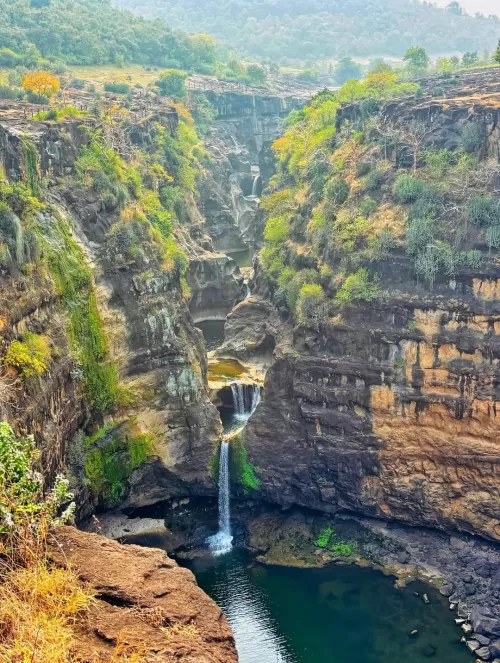
Lonavala’s monsoon scenery is appealing because rain transforms the surrounding hills. However, persistent cloud can hide valley views, and a waterfall flowing strongly may be unsuitable for close access.

Prioritise safe viewing

Use permitted viewpoints and maintained approaches. Do not climb barriers, walk through flowing channels or assume a popular social-media location is legally accessible.

  • Check Pune district and local police updates before travelling.
  • Expect wet footwear and reduced visibility throughout the day.
  • Keep a café or hotel break available during intense rain.
  • Avoid scheduling an essential return connection immediately after a hill outing.

Winter in Lonavala: Clearer Views, Walking and Fort Visits

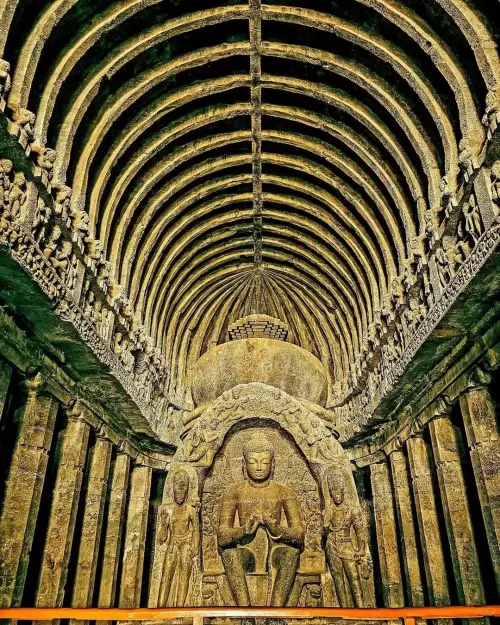
Winter generally makes it easier to combine viewpoints, Buddhist caves and outdoor walking. Rain is less likely to dominate the itinerary, and longer routes are more manageable than during hot afternoons or persistent monsoon downpours.

Use the morning well

Start a fort outing early enough to return in daylight. If you prefer gentler sightseeing, choose one cave complex and a viewpoint rather than attempting multiple steep approaches.

  • Carry a light layer for early starts and breezy viewpoints.
  • Take drinking water even when the air feels cool.
  • Check trail difficulty before choosing Lohagad or Visapur.
  • Expect winter weekends to remain busy despite the more convenient weather.

Summer in Lonavala: Daytime Heat and Evening Outings

Lonavala can feel more comfortable than nearby lower-lying cities at some times of day, but it is not reliably cool throughout summer. Exposed paths, fort climbs and stone steps can become tiring in the afternoon.

Keep the midday schedule light

Visit a viewpoint or begin a manageable outdoor outing early, then return for lunch and rest. Plan a shorter evening stop close to your accommodation rather than another long drive.

  • Choose accommodation with effective ventilation or air-conditioning.
  • Carry water and sun protection.
  • Do not expect seasonal waterfalls to resemble monsoon photographs.
  • Watch for thunderstorms and lightning during late-season outdoor trips.

Best Season for Viewpoints, Lakes, Caves and Trekking

Different attractions respond differently to the season. A green landscape does not automatically provide a good view, and high water levels do not guarantee that lakeside activities are operating.

  • Viewpoints: Prefer drier weather for visibility; monsoon offers atmosphere but frequent cloud cover.
  • Lakes: Visit only permitted public access points. Treat reservoirs as working water bodies, not unrestricted swimming areas.
  • Karla and Bhaja Caves: Drier conditions make their stepped approaches easier, although steps remain physically demanding.
  • Fort treks: Cooler, drier months are more suitable for visitors unfamiliar with slippery rock and exposed terrain.

Check the individual attraction’s access status before setting out.

Weekend Crowds, Traffic and Seasonal Hotel Prices

Lonavala receives strong weekend demand from Mumbai and Pune. Long weekends, school holidays and rainy-season sightseeing peaks can bring congestion around the town, popular viewpoints and narrow access roads.

Compare the complete cost of the stay

A cheaper room outside town may require additional taxi journeys, while a central hotel may be noisier. Check parking, meal availability and the approach road alongside the room rate.

  • Consider a weekday visit for easier movement.
  • Book family rooms and suitable transport ahead for holiday dates.
  • Check minimum-stay and cancellation conditions.
  • Allow extra time for the return journey rather than relying on an uncongested driving estimate.

Choosing Your Trip Dates and Planning a Short Itinerary

One night is enough for a relaxed introduction, provided you choose attractions near each other. Two nights give more flexibility for a cave visit, a fort outing and changing weather.

A practical one-night plan

On arrival day, check in and visit a nearby viewpoint if conditions permit. Use the following morning for Karla or Bhaja Caves, or a suitable guided outdoor route, before returning.

  • Choose one demanding activity rather than stacking several climbs.
  • Keep distant attractions optional during monsoon.
  • Reserve time for meals and town traffic.
  • Leave before dark if unfamiliar hill roads form part of your return route.

What to Pack and How to Check Weather and Access Conditions

Check the local forecast, weather warnings and current access orders separately. A forecast showing light rain does not cancel a closure imposed after earlier heavy rainfall.

  • Every season: Drinking water, comfortable walking shoes, identification and a charged phone.
  • Monsoon: Rainwear, a waterproof bag, spare clothes and footwear with dependable grip.
  • Winter: A light warm layer for mornings and evenings.
  • Summer: A hat, sunscreen and a less demanding afternoon schedule.

Ask your accommodation about its immediate approach road before arrival. For treks, use current local guidance and a competent guide where appropriate; saved online routes may not reflect restrictions or damaged sections.

Frequently Asked Questions About Best Time to Visit Lonavala – Monsoon, Winter or Summer?

October to February is generally the best time to visit Lonavala for comfortable sightseeing, outdoor walks and clearer valley views. Winter conditions make it easier to explore viewpoints, Buddhist caves and nearby forts. However, weekends and holidays can be crowded. Travellers who prefer green landscapes and seasonal waterfalls may find the monsoon more appealing.
The monsoon season, generally from June to September, is popular for lush green hills, misty valleys and seasonal waterfalls in Lonavala. However, frequent rainfall can reduce visibility and make roads, steps and trekking routes slippery. Some viewpoints and outdoor attractions may face temporary restrictions. Check local weather warnings and access conditions before travelling.
Monsoon is better for travellers interested in greenery, misty landscapes and seasonal waterfalls, while winter is generally more convenient for sightseeing, walking and fort visits. Rain can interrupt outdoor plans during monsoon, whereas winter usually provides more flexibility. First-time visitors wanting to explore several attractions may prefer winter, while nature lovers may enjoy the rainy season.
Lonavala can be visited during summer, particularly for short hill station getaways from Mumbai and Pune. However, afternoons may become warm, especially at exposed viewpoints and fort trails. Plan sightseeing early in the morning or during the evening. Choose accommodation with suitable cooling facilities, carry drinking water and avoid expecting the same waterfall scenery seen during monsoon.
Seasonal waterfalls around Lonavala are generally most prominent during the June to September monsoon, depending on rainfall. However, strong water flow does not mean a waterfall is safe for swimming or close access. Visitors should use permitted viewpoints and avoid flooded streams, slippery rocks and restricted areas. Confirm local safety advisories before planning waterfall sightseeing.
October to February generally offers more comfortable conditions for trekking around Lonavala, including routes associated with Lohagad and Visapur forts. Cooler temperatures and relatively dry paths make walking easier than during heavy monsoon rainfall. Trek difficulty still varies by route. Beginners should check trail conditions, start early, carry sufficient water and return before darkness.
Winter and other relatively dry periods are generally suitable for visiting Karla and Bhaja Caves because their stepped approaches are easier to manage without persistent rainfall. These historic Buddhist cave complexes involve walking and climbing, so comfortable footwear is important. Monsoon visits require additional caution on wet steps. Check current opening hours and access arrangements before travelling.
Lonavala attracts many weekend visitors from Mumbai and Pune, particularly during monsoon, long weekends and school holidays. Popular viewpoints, town roads and hotel areas can experience congestion. Travellers seeking a quieter experience should consider weekdays or non-holiday dates. Book accommodation early, check parking facilities and allow additional time for sightseeing and the return journey.
One night and two days are sufficient for a relaxed introduction to Lonavala, including a nearby viewpoint and one major sightseeing attraction. Two nights provide more flexibility for Karla or Bhaja Caves, a suitable fort excursion and changing weather conditions. Avoid combining several demanding climbs in one day, particularly during monsoon or hot summer afternoons.
Packing requirements vary by season. During monsoon, carry rainwear, spare clothes, waterproof bags and footwear with reliable grip. Winter visitors should bring a light warm layer for early mornings and breezy viewpoints. Summer travellers need sunscreen, a hat and sufficient drinking water. In every season, carry identification, a charged phone and comfortable walking shoes.

Explore Maharashtra Tour Packages

Explore All Packages

Latest Travel Blogs

View all Blogs →

Loved this place ? Let’s Plan Your Maharashtra Trip

Get customized Maharashtra tour planning designed around seasonal weather shifts, long-distance road travel flow, hill station comfort, coastal timing, and heritage exploration pacing. Whether you are visiting for historic caves, spiritual journeys, beach

⚡ Quick Response | 💰 Free consultation | 🕒 24×7 expert support

×

Plan Your Trip