Homepage Banner

Ajanta vs Ellora Caves – Differences and Which to Visit First

Understand the differences between Ajanta and Ellora Caves in art, architecture and sightseeing needs to decide which site to visit first on your trip.

Comparison


08 Oct, 2026 By: Tanvi Deshmukh

Ajanta vs Ellora: Age, Religious Traditions and Historical Context

Ajanta’s earliest Buddhist monuments date to the second and first centuries BCE, with important later additions. Ellora’s principal monuments developed much later, broadly between the sixth and tenth centuries CE.

  • Ajanta: Buddhist worship and monastic life across different phases.
  • Ellora: Buddhist, Hindu and Jain monuments within one extensive complex.

Neither site represents a single moment or ruler. Their development reflects changing patronage, religious practice and artistic choices.

Choose Ajanta if you want to concentrate on Buddhist art history. Choose Ellora if comparing different religious architectural traditions is a priority.

Art and Architecture: Ajanta’s Paintings vs Ellora’s Monumental Carvings

Ajanta is particularly valuable for its surviving mural traditions, while Ellora makes an immediate impression through the scale of its excavated architecture.

Different ways of looking

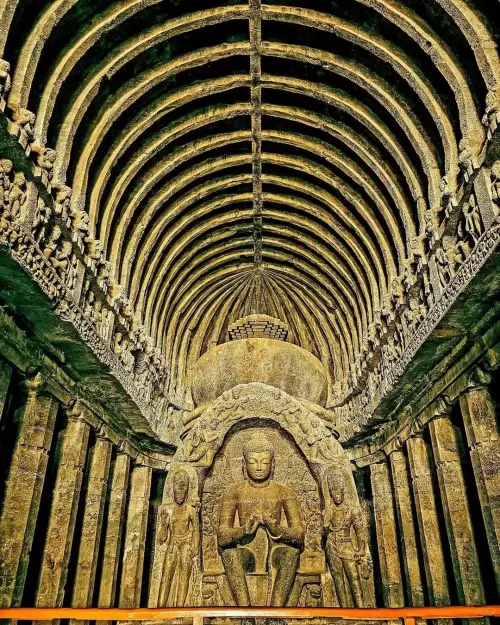
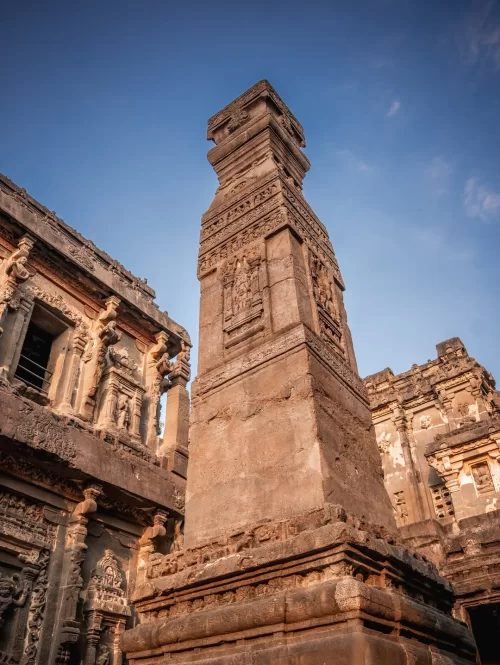
At Ajanta, slow observation helps reveal narrative scenes, gestures and decorative details in dim interiors. At Ellora, visitors can examine how courtyards, pillars, shrines and sculptural panels were organised within rock-cut spaces.

This distinction is not absolute: Ajanta also has important sculpture and architecture, while Ellora contains detailed imagery beyond its monumental scale.

  • Allow interpretation time at both sites.
  • Never touch painted or carved surfaces.

Main Highlights: Ajanta’s Buddhist Caves and Ellora’s Kailasa Temple

At Ajanta, choose a selection of painted monasteries and prayer halls rather than attempting to give every cave equal time. At Ellora, begin with Kailasa if that is your main reason for visiting.

  • Ajanta: Painted interiors, Buddhist figures, narrative scenes and contrasting cave layouts.
  • Ellora: Kailasa Temple, Cave 16, followed by selected Buddhist and Jain monuments.

A guide can help connect the architecture with religious use and historical context. Ask for a focused route suited to your interests and walking ability.

Check conservation closures locally; access to every chamber or upper section should not be assumed.

Location and Travel Time from Chhatrapati Sambhajinagar

Ellora is substantially closer to Chhatrapati Sambhajinagar than Ajanta, making it easier to fit around arrival or departure arrangements.

  • Ajanta: Approximately 107 km away; allow roughly two-and-a-half to three hours each way initially.
  • Ellora: Approximately 30 km away; allow roughly 45–75 minutes each way initially.

These are planning allowances, not guaranteed journey times. Your hotel location, traffic, road conditions and site approach arrangements affect the total.

If you have only a partial day, Ellora is usually the more workable choice. Ajanta deserves a dedicated excursion rather than a rushed long-distance transfer.

Time Needed, Walking Distances and Accessibility Compared

Allow approximately three to four hours for a focused Ajanta visit after reaching the visitor area, and roughly four to five hours for a varied Ellora programme. Detailed art or architecture visits can take longer.

Consider movement as well as distance

Ajanta combines its approach with movement along the cave frontage. Ellora spreads its cave groups over a wider area, although local transport arrangements may reduce some transfers.

  • Expect steps and uneven stone at both sites.
  • Ask about current shuttles and assistance.
  • Prioritise selected monuments if walking is difficult.

Neither site should be advertised as fully step-free without checking the exact proposed route.

Tickets, Opening Hours and Weekly Closure Planning

ASI’s published arrangements require separate admission for the two sites:

  • Ajanta: 9:00 am–5:00 pm; closed Mondays.
  • Ellora: Sunrise to sunset; closed Tuesdays.
  • Indian, SAARC and BIMSTEC category: ₹40 at the counter or ₹35 online at each site.
  • Other foreign visitors: ₹600 at the counter or ₹550 online at each site.
  • Below 15 years: Free monument admission.

Reconfirm prices, booking conditions and last entry through ASI. Guides, parking and transport services are separate unless explicitly included.

Choose the visiting order before booking non-refundable excursion transport.

Which Site to Visit First Based on Your Interests and Available Time

Choose the first site according to your strongest interest, available daylight and the weekly closure calendar.

  • Paintings and Buddhist art: Prioritise Ajanta.
  • Large-scale architecture and sculpture: Prioritise Ellora.
  • Only a partial day: Ellora is generally easier from the city.
  • Two full days: Visit both without combining them into one rushed day.

If both are equally important, consider Ajanta on your first full day, when you have energy for the longer transfer. Reverse that order whenever closures or arrival arrangements make it more sensible.

Planning Both Sites: Suggested Two-Day Route and Best Season

Use Chhatrapati Sambhajinagar as your base and keep each cave complex as the principal activity of its day.

A practical sequence

  • Day 1: Early departure for Ajanta, a focused cave visit and return to the city.
  • Day 2: Ellora, beginning with Kailasa and continuing to selected groups.

For Monday and Tuesday travel, reverse the sequence: Ellora on Monday, Ajanta on Tuesday.

The cooler months generally suit walking best. Summer requires water and heat breaks, while monsoon needs shoes with grip and flexible travel time. Avoid a tightly timed departure immediately after the Ajanta return journey.

Frequently Asked Questions About Ajanta vs Ellora Caves – Differences and Which to Visit First

Ajanta Caves are better for travellers interested in ancient Buddhist paintings, monasteries and religious art. Ellora Caves are more suitable for visitors who enjoy monumental rock-cut architecture, sculptures and multiple religious traditions. Both are UNESCO World Heritage Sites. Choose Ajanta for detailed artistic exploration and Ellora for impressive architecture, including the famous Kailasa Temple.
The main difference between Ajanta and Ellora Caves lies in their artistic traditions and religious heritage. Ajanta primarily contains Buddhist monuments known for paintings and sculptures. Ellora includes Buddhist, Hindu and Jain caves, with a greater emphasis on large-scale rock-cut architecture. Ajanta is especially famous for its murals, while Ellora is recognised for its extraordinary Kailasa Temple.
Ajanta Caves are older than Ellora Caves. The earliest monuments at Ajanta date to approximately the second and first centuries BCE, with important additions during later periods. Ellora's principal monuments developed mainly between the sixth and tenth centuries CE. Both sites reflect different phases of Indian religious history, artistic development and rock-cut architectural traditions.
Ajanta Caves are more famous for their ancient Buddhist paintings, including narrative scenes, religious figures and decorative artwork. The murals provide valuable insights into historical artistic techniques and Buddhist traditions. Ellora is better known for monumental sculptures and architectural achievements. Travellers interested in paintings should prioritise Ajanta and allow sufficient time to observe its interiors carefully.
Kailasa Temple, identified as Cave 16 at Ellora, is famous for its remarkable monolithic rock-cut architecture dedicated to Lord Shiva. Its courtyards, sculpted pillars and detailed carvings demonstrate extraordinary craftsmanship. The temple is one of Ellora's principal attractions and an important reason many travellers choose to visit Ellora first. Allow sufficient time to explore its architectural details.
Ajanta Caves are approximately 107 kilometres from Chhatrapati Sambhajinagar, requiring around two-and-a-half to three hours of road travel each way. Ellora Caves are approximately 30 kilometres away and generally take 45 to 75 minutes to reach. Ellora is more convenient for shorter excursions, while Ajanta deserves a dedicated sightseeing day because of its longer travel distance.
Ajanta generally opens from 9:00 AM to 5:00 PM and remains closed on Mondays. Ellora follows sunrise-to-sunset timings and closes on Tuesdays. The article lists Indian visitor admission at INR 40 at the counter or INR 35 online for each site. Separate tickets are required. Confirm current prices and visiting arrangements through the Archaeological Survey of India.
Travellers should allow approximately three to four hours for a focused visit to Ajanta Caves and four to five hours for exploring selected monuments at Ellora. Additional time is required for road transfers, walking and local transport arrangements. Visitors interested in detailed paintings or architecture may need longer. Exploring both sites on separate days is generally more comfortable.
Ellora may be more convenient for senior citizens because it is closer to Chhatrapati Sambhajinagar and allows visitors to prioritise selected monuments. However, both Ajanta and Ellora involve walking, uneven stone surfaces and steps. Accessibility varies between cave groups. Families should confirm current shuttle services, assistance arrangements and walking requirements before planning a visit.
Yes, a two-day itinerary is ideal for exploring Ajanta and Ellora Caves from Chhatrapati Sambhajinagar. Visit Ajanta on the first day with an early departure and sufficient time for paintings and Buddhist monuments. Explore Ellora on the second day, beginning with Kailasa Temple. Reverse the order when necessary because Ajanta closes on Mondays and Ellora closes on Tuesdays.

Explore Maharashtra Tour Packages

Explore All Packages

Latest Travel Blogs

View all Blogs →

Loved this place ? Let’s Plan Your Maharashtra Trip

Get customized Maharashtra tour planning designed around seasonal weather shifts, long-distance road travel flow, hill station comfort, coastal timing, and heritage exploration pacing. Whether you are visiting for historic caves, spiritual journeys, beach

⚡ Quick Response | 💰 Free consultation | 🕒 24×7 expert support

×

Plan Your Trip