


How to Reach Ladakh in Winter
Learn how to reach Ladakh during winter, including flight options, seasonal road closures, local transport and important travel considerations.
+91 9910402252
admin@chalbanjare.com


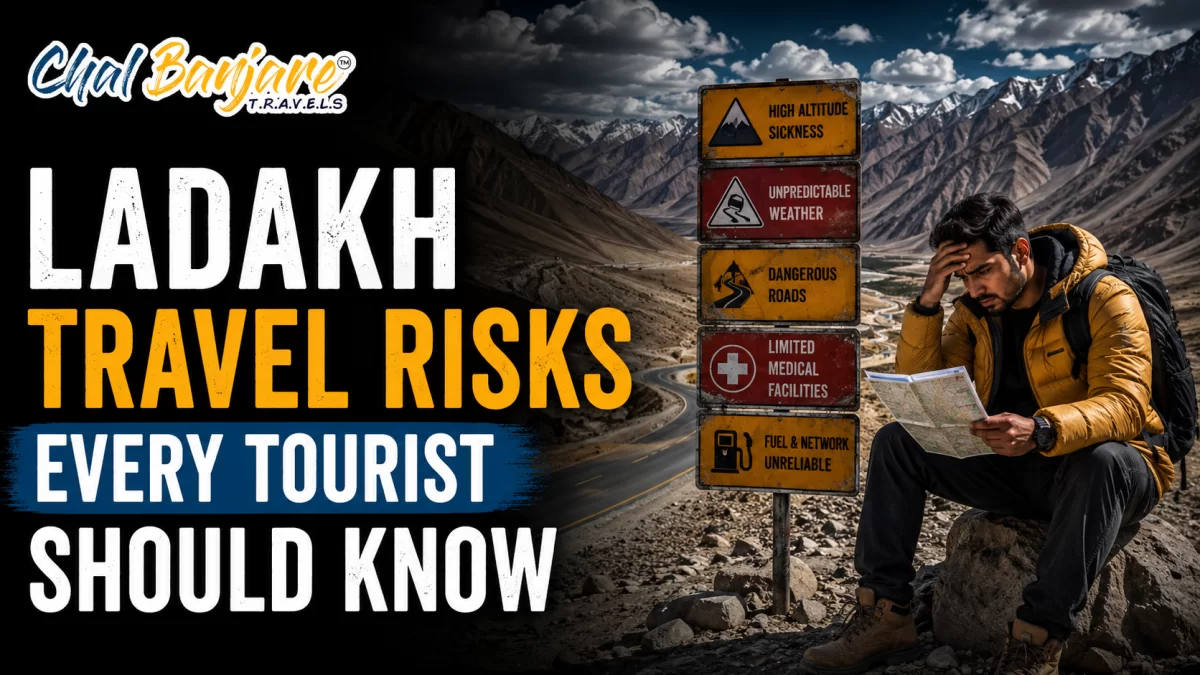
Ladakh is one of India’s most breathtaking travel destinations, but its extreme altitude, remote terrain, unpredictable weather, and difficult road conditions create several risks that every traveler should understand before planning the journey.
Ladakh is one of India's highest inhabited regions, with many destinations located well above 3,000 meters above sea level. As elevation increases, oxygen availability decreases, requiring the body to gradually adjust to the thinner air. This natural process is known as acclimatization and is essential for comfortable high-altitude travel.
Every traveler responds differently to altitude. Physical fitness alone does not determine how well someone adapts, making proper preparation important for everyone visiting Ladakh.
Understanding how altitude affects the body is the first step toward planning a safer and more enjoyable Himalayan journey.
Allowing the body sufficient time to adapt greatly improves comfort while exploring Ladakh's high-altitude landscapes.
Altitude sickness may develop when the body has not yet adjusted to reduced oxygen levels. Early recognition of symptoms is important because timely action can help prevent more serious complications during the journey.
Travelers should remain aware of how they feel during the first few days in Ladakh and avoid ignoring symptoms that suggest difficulty adapting to altitude. Paying attention to physical well-being contributes to safer travel decisions.
Understanding early warning signs allows visitors to respond appropriately while prioritizing their health.
Recognizing early symptoms helps travelers respond promptly and enjoy a safer high-altitude experience.
Many travelers are eager to begin sightseeing immediately after arriving in Ladakh, but spending adequate time acclimatizing often contributes to a safer and more comfortable experience. Gradual adjustment allows the body to adapt before visiting even higher destinations.
Building acclimatization into the itinerary helps reduce unnecessary physical stress while improving overall travel comfort throughout the trip.
Patience during the first stage of the journey often leads to a far more enjoyable Ladakh experience.
| Acclimatization Step | Purpose |
|---|---|
| Rest After Arrival | Support altitude adjustment. |
| Gradual Activity | Reduce physical stress. |
| Hydration | Support overall well-being. |
| Health Monitoring | Recognize symptoms early. |
| Flexible Itinerary | Allow proper adaptation. |
Proper acclimatization remains one of the most effective ways to improve comfort and reduce health risks during a Ladakh trip.
One of the most common mistakes first-time visitors make is traveling directly to Pangong Lake or Nubra Valley immediately after arriving in Leh. These destinations involve additional altitude changes before the body has fully adjusted to Ladakh's already high elevation.
Skipping the recommended acclimatization period can increase physical strain and reduce overall travel comfort. Allowing sufficient time in Leh before continuing the journey helps travelers adapt more gradually.
Planning the itinerary carefully contributes to a safer and more enjoyable high-altitude travel experience.
Taking time to acclimatize before visiting higher destinations helps reduce physical stress throughout the journey.
Leh serves as an important acclimatization base for most Ladakh itineraries. Spending time here before visiting higher regions allows travelers to adjust gradually while enjoying local attractions at a more relaxed pace.
This gradual approach supports better comfort during the remainder of the trip and allows visitors to evaluate how their bodies respond to the altitude before continuing into more remote mountain areas.
Beginning the journey slowly often results in a more enjoyable overall Ladakh experience.
Using Leh as the starting point for acclimatization helps travelers prepare more effectively for the rest of their itinerary.
A well-designed Ladakh itinerary gradually increases altitude rather than moving immediately to the highest destinations. This approach provides the body with valuable time to adapt while allowing travelers to enjoy sightseeing more comfortably.
Balancing rest, sightseeing, and transportation creates a safer travel experience than attempting to visit multiple high-altitude destinations immediately after arrival.
Thoughtful itinerary planning supports both health and overall travel enjoyment throughout the journey.
| Itinerary Practice | Recommendation |
|---|---|
| Arrival Day | Rest and acclimatize. |
| Leh Exploration | Begin gradually. |
| Higher Destinations | Visit after acclimatization. |
| Flexible Schedule | Strongly recommended. |
| Health Monitoring | Continue throughout the trip. |
Gradual itinerary planning remains one of the most effective ways to improve comfort and reduce unnecessary risks while exploring Ladakh's spectacular high-altitude destinations.
Ladakh is known for its unpredictable mountain weather, where conditions can change within a short period. A clear sunny morning may be followed by strong winds, clouds, snowfall at higher passes, or a sharp drop in temperature later in the day. These rapid weather changes are a normal part of high-altitude travel.
Travelers should avoid assuming that weather will remain constant throughout the journey. Preparing for different conditions each day helps improve both safety and overall travel comfort.
Understanding Ladakh's changing climate allows visitors to plan activities more realistically and remain prepared throughout the trip.
Travelers who expect changing weather are generally better prepared to enjoy Ladakh comfortably in every season.
One of Ladakh's unique characteristics is the large variation in temperature between different times of the day. Mornings and evenings are often cold, afternoons can become pleasantly warm under direct sunlight, and nights may become extremely cold, particularly at higher elevations.
Layered clothing allows travelers to adjust easily as temperatures change throughout the day without carrying unnecessarily heavy luggage. This flexible approach improves comfort during sightseeing and long road journeys.
Understanding daily temperature variations helps visitors pack more efficiently and travel more comfortably.
Layered clothing provides the flexibility needed to remain comfortable across Ladakh's changing daily temperatures.
Proper packing is one of the simplest ways to prepare for Ladakh's weather. Warm layers, wind-resistant outerwear, rain protection during suitable seasons, gloves, caps, and comfortable footwear all contribute to a safer and more enjoyable travel experience.
Travelers should avoid relying on a single weather forecast because mountain conditions can change rapidly. Carrying practical clothing and weather protection throughout the journey helps visitors remain comfortable regardless of changing conditions.
Thoughtful packing ensures greater flexibility while exploring Ladakh's diverse mountain landscapes.
| Weather Essential | Purpose |
|---|---|
| Layered Clothing | Temperature adjustment. |
| Warm Jacket | Cold weather protection. |
| Gloves and Cap | Additional warmth. |
| Comfortable Footwear | Outdoor travel comfort. |
| Wind Resistant Layer | Protection from mountain winds. |
Well-planned packing allows travelers to adapt confidently to Ladakh's rapidly changing mountain weather throughout the journey.
Ladakh's road network includes steep mountain climbs, high-altitude passes, narrow sections, unpaved stretches, and rugged terrain that differ greatly from standard highway driving. These conditions require patience, careful planning, and respect for mountain driving realities.
Although many routes are accessible during the travel season, road quality can vary depending on weather, maintenance work, and altitude. Travelers should prepare for slower travel speeds and changing road conditions throughout the journey.
Understanding the nature of Ladakh's roads helps visitors plan realistic travel schedules and avoid unnecessary stress.
Recognizing the unique characteristics of Himalayan roads allows travelers to enjoy the journey more safely and comfortably.
Many of Ladakh's most scenic destinations are located in remote regions where road conditions, weather, and limited facilities require thoughtful planning. Drivers should remain patient, avoid unnecessary risks, and allow sufficient time for each day's journey.
Mountain driving is very different from city or highway travel. Reduced speeds, careful route planning, and awareness of changing conditions all contribute to a safer road trip experience across the Himalayas.
Safe driving practices allow travelers to appreciate Ladakh's spectacular landscapes while minimizing unnecessary risks.
Careful driving and realistic daily schedules help create a more enjoyable and safer Ladakh road trip.
Weather conditions play an important role in determining road accessibility across Ladakh. Rain, snowfall, strong winds, or road maintenance activities may occasionally affect travel plans, making flexibility an essential part of itinerary planning.
Checking local road updates before departure and allowing extra travel time helps visitors adapt more easily to changing conditions. Flexible planning often contributes more to safety than attempting to follow rigid schedules.
Well-informed route planning supports smoother travel throughout Ladakh's remote mountain regions.
| Road Planning Factor | Recommendation |
|---|---|
| Weather Updates | Check before departure. |
| Road Conditions | Review regularly. |
| Driving Speed | Remain moderate. |
| Daily Travel Time | Allow flexibility. |
| Mountain Awareness | Essential throughout the trip. |
Planning road journeys according to current weather and mountain conditions helps travelers enjoy Ladakh safely while respecting the challenges of high-altitude driving.
Leh has the most comprehensive healthcare facilities in Ladakh, while many remote destinations have only basic medical services or limited emergency support. Travelers visiting isolated regions should understand that advanced medical care may not be immediately available outside the main town.
Long travel distances between remote villages and healthcare centers make preparation especially important. Visitors should plan responsibly before traveling into less-developed mountain areas.
Understanding the availability of medical facilities helps travelers make informed decisions and prepare more effectively for remote Himalayan travel.
Knowing where medical services are available helps visitors prepare for a safer journey across Ladakh.
Although emergencies are uncommon, travelers should always prepare for unexpected situations before entering remote parts of Ladakh. Carrying important documents, emergency contacts, and personal medical information can be valuable if assistance becomes necessary.
Travelers should also inform companions about medical conditions or emergency requirements before beginning long mountain journeys. Good preparation improves confidence while exploring isolated Himalayan regions.
Emergency readiness is an essential part of responsible adventure travel.
Practical emergency preparation supports safer travel while exploring Ladakh's remote landscapes.
Every traveler should carry essential personal medicines along with a basic first aid kit while visiting Ladakh. Travelers who rely on prescription medications should bring an adequate supply for the entire journey because availability may vary outside Leh.
Basic medical supplies can provide additional convenience during long road trips through remote areas where pharmacies are limited. Organized packing contributes to a more comfortable travel experience.
Thoughtful medical preparation helps visitors travel more confidently across Ladakh.
| Medical Essential | Purpose |
|---|---|
| Prescription Medicines | Personal health management. |
| First Aid Kit | Minor travel needs. |
| Emergency Contacts | Quick reference. |
| Medical Information | Emergency preparedness. |
| Personal Health Supplies | Travel convenience. |
Carrying appropriate medicines and first aid supplies improves preparedness while traveling through Ladakh's remote mountain regions.
Bike trips across Ladakh are popular among adventure travelers, but they require careful preparation, physical endurance, and respect for challenging mountain conditions. Riders should be prepared for high-altitude passes, changing weather, long riding hours, and varying road surfaces throughout the journey.
Unlike ordinary road trips, Himalayan motorcycle journeys demand continuous attention, patience, and realistic daily riding distances. Proper preparation contributes significantly to both safety and enjoyment.
Understanding the demands of mountain riding helps travelers decide whether a Ladakh bike trip matches their experience and expectations.
Prepared riders are generally able to enjoy Ladakh's spectacular mountain roads with greater confidence and comfort.
Road and weather conditions can change quickly in the Himalayas, making preparation an important part of every bike trip. Riders should expect varying road surfaces, occasional rough sections, strong winds, and significant temperature differences throughout the day.
Appropriate riding gear, regular weather checks, and flexible travel plans help riders adapt safely to changing mountain conditions while minimizing unnecessary risks.
Preparation allows travelers to focus on the journey while respecting the realities of Himalayan riding.
Good preparation improves both riding comfort and overall safety during long mountain journeys.
Safe riding habits are essential throughout every stage of a Ladakh motorcycle trip. Riders should maintain moderate speeds, respect changing road conditions, avoid unnecessary risks, and remain attentive during long travel days.
Taking regular breaks, monitoring personal energy levels, and avoiding fatigue all contribute to safer riding experiences. Responsible riding allows travelers to enjoy Ladakh's dramatic landscapes while minimizing avoidable hazards.
Consistent safety practices remain the foundation of a successful Himalayan bike adventure.
| Bike Travel Safety | Recommendation |
|---|---|
| Protective Riding Gear | Essential. |
| Weather Monitoring | Check daily. |
| Regular Breaks | Prevent fatigue. |
| Moderate Riding Speed | Improve safety. |
| Flexible Itinerary | Allow weather adjustments. |
Careful preparation, responsible riding, and realistic expectations help create a safer and more enjoyable motorcycle adventure across Ladakh's remarkable mountain landscapes.
Many parts of Ladakh have limited mobile network coverage due to the region's mountainous terrain and remote location. While connectivity is generally available in Leh and a few larger settlements, travelers may experience weak signals or complete network loss while traveling through high-altitude passes and isolated destinations.
Visitors should not expect uninterrupted communication throughout the journey. Understanding these limitations helps travelers prepare more effectively before entering remote areas.
Planning for periods without mobile connectivity allows travelers to enjoy the journey with greater confidence and realistic expectations.
Understanding connectivity limitations helps travelers plan communication more effectively throughout their Ladakh trip.
Internet services may be slower or unavailable in several remote regions of Ladakh. Travelers who depend on online navigation, digital bookings, or constant communication should prepare alternative solutions before leaving Leh.
Downloading important travel information in advance and informing family members about possible communication gaps helps reduce unnecessary concern during the journey.
Good preparation allows travelers to remain organized even when internet access becomes limited.
Preparing for limited connectivity ensures smoother travel across Ladakh's remote mountain landscapes.
Offline maps, saved accommodation details, emergency contact numbers, and printed travel information can become extremely useful when mobile networks are unavailable. These simple preparations help travelers remain confident even when communication services are interrupted.
Keeping important information accessible without relying entirely on internet connectivity is considered good practice for remote Himalayan travel.
Offline planning supports safer navigation and improves overall travel convenience.
| Communication Essential | Purpose |
|---|---|
| Offline Maps | Navigation support. |
| Emergency Contacts | Emergency communication. |
| Accommodation Details | Travel reference. |
| Offline Itinerary | Journey planning. |
| Important Phone Numbers | Quick access. |
Preparing offline travel resources allows visitors to travel more confidently through Ladakh's remote regions where communication may be limited.
Fuel stations are widely available in Leh, but they become much less frequent along several remote routes across Ladakh. Travelers driving cars or riding motorcycles should understand that long stretches of road may have limited opportunities for refueling.
Careful fuel planning becomes especially important when visiting isolated destinations where services are widely spaced. Knowing the approximate distances between refueling points helps travelers prepare more effectively.
Understanding fuel availability is an essential part of planning safe and comfortable road trips in Ladakh.
Thoughtful fuel planning reduces uncertainty and supports smoother travel across Ladakh's remote mountain roads.
Before beginning any long-distance drive, travelers should identify available refueling locations along the planned route. Waiting until fuel levels become very low is not advisable when traveling through isolated Himalayan regions.
Advance planning helps visitors travel with greater confidence while reducing the possibility of unexpected delays caused by fuel shortages during the journey.
Proper route preparation contributes significantly to overall travel safety and convenience.
Planning refueling stops before departure helps create a more relaxed and dependable Ladakh road trip.
Fuel planning is only one part of responsible travel preparation. Travelers should also consider weather forecasts, road conditions, daily travel distances, accommodation locations, and emergency support while planning remote Himalayan routes.
A balanced itinerary that allows flexibility often proves more reliable than tightly scheduled road trips. Careful preparation helps reduce avoidable risks while allowing travelers to fully enjoy Ladakh's extraordinary mountain scenery.
Comprehensive planning remains one of the most effective ways to improve safety during remote road travel.
| Planning Priority | Recommendation |
|---|---|
| Fuel Planning | Complete before departure. |
| Route Review | Check daily. |
| Weather Monitoring | Essential. |
| Flexible Schedule | Strongly recommended. |
| Emergency Preparedness | Maintain throughout the journey. |
Careful fuel and route planning allows travelers to explore Ladakh's remote landscapes more safely while minimizing avoidable travel challenges.
Many travelers associate dehydration with hot climates, but it is also a common concern during high-altitude travel in Ladakh. The combination of dry mountain air, reduced humidity, and increased breathing rates can lead to gradual fluid loss even when temperatures remain cold.
Because dehydration is less noticeable in cooler weather, travelers may unintentionally drink less water than their bodies require. Remaining aware of hydration needs is an important part of staying comfortable throughout the journey.
Understanding how high-altitude environments affect hydration helps visitors prepare for a healthier and more enjoyable travel experience.
Maintaining good hydration is one of the simplest ways to improve comfort while exploring Ladakh's high-altitude destinations.
Long road journeys, sightseeing activities, and outdoor exploration often keep travelers occupied for several hours, making it easy to forget regular water intake. Carrying a reusable water bottle and drinking water consistently throughout the day helps support overall well-being.
Rather than waiting until feeling thirsty, travelers should develop a habit of staying hydrated during the entire journey. Consistent hydration supports a more comfortable travel experience across Ladakh.
Simple hydration habits contribute significantly to enjoyable high-altitude travel.
Regular hydration helps travelers remain comfortable during long days spent exploring Ladakh's landscapes and attractions.
Ladakh's climate is not only cold but also extremely dry for much of the year. Travelers may notice dry skin, dry lips, or general discomfort if they are unprepared for these conditions. Proper clothing, hydration, and personal care products can help improve comfort throughout the trip.
Protecting yourself from the dry mountain environment is just as important as preparing for low temperatures. Small preventive measures often make a noticeable difference during longer visits.
Thoughtful preparation helps visitors adapt more comfortably to Ladakh's unique climate.
| Hydration Essential | Purpose |
|---|---|
| Water Bottle | Maintain hydration. |
| Lip Balm | Protect against dryness. |
| Moisturizer | Reduce dry skin. |
| Warm Clothing | Cold weather protection. |
| Regular Hydration | Support overall comfort. |
Combining adequate hydration with protection from Ladakh's dry climate helps travelers stay comfortable throughout their high-altitude adventure.
Many first-time visitors attempt to include every major destination in a limited number of days. While Ladakh offers remarkable attractions, continuous travel at high altitude without sufficient rest can increase physical fatigue and reduce overall travel enjoyment.
Frequent movement between distant destinations, long driving hours, and changing elevations place additional demands on the body. A balanced itinerary often provides a far more rewarding experience than an overly ambitious schedule.
Understanding the physical demands of high-altitude travel helps visitors build more realistic itineraries.
A slower travel pace often allows visitors to appreciate Ladakh more fully while reducing unnecessary physical exhaustion.
Rest is an essential part of every Ladakh itinerary, particularly during the first few days of the trip. Allowing time for recovery between long drives and sightseeing activities helps the body adapt to altitude while maintaining energy levels throughout the journey.
Travelers who include adequate breaks within their itinerary are generally able to enjoy attractions more comfortably and experience less travel fatigue.
Rest should be viewed as an important part of successful high-altitude travel rather than lost sightseeing time.
Well-planned rest periods contribute significantly to a safer and more enjoyable Ladakh travel experience.
Daily travel distances in Ladakh may appear short on a map, but mountain roads, high passes, and changing weather often increase journey times considerably. Travelers should avoid scheduling too many activities within a single day.
Realistic planning allows sufficient time for transportation, sightseeing, meals, photography, and unexpected delays without creating unnecessary pressure. A flexible itinerary helps visitors appreciate the journey rather than simply rushing between destinations.
Comfort-focused planning remains one of the most effective ways to reduce travel exhaustion across Ladakh.
| Itinerary Principle | Recommendation |
|---|---|
| Daily Travel Time | Keep realistic. |
| Rest Periods | Include every day. |
| Sightseeing Pace | Avoid rushing. |
| Altitude Adjustment | Allow sufficient time. |
| Flexible Planning | Highly recommended. |
A thoughtfully planned itinerary helps travelers experience Ladakh's mountains, lakes, monasteries, and valleys comfortably while minimizing unnecessary physical fatigue.
Winter and shoulder seasons present a very different travel experience compared to Ladakh's peak tourist months. Heavy snowfall, freezing temperatures, and changing weather patterns may lead to seasonal road closures, delayed transportation, and reduced accessibility across several high-altitude routes.
Travelers planning off-season visits should understand that some destinations may not be reachable depending on weather conditions. Flexibility is an important part of planning during these seasons.
Understanding seasonal accessibility helps visitors set realistic expectations before beginning their Ladakh journey.
Awareness of seasonal travel limitations allows visitors to build safer and more realistic Ladakh itineraries.
Cold temperatures, snowfall, icy roads, and shorter daylight hours increase the challenges of winter travel across Ladakh. Visitors should prepare appropriate clothing, monitor weather forecasts, and allow extra travel time throughout the journey.
Reduced accessibility also means that transportation schedules may change depending on weather conditions. Flexible planning allows travelers to adapt more comfortably to changing mountain environments.
Proper preparation improves both comfort and confidence while traveling during colder months.
Careful planning helps travelers experience Ladakh safely even during more challenging travel seasons.
Each season offers a different perspective of Ladakh. Summer provides broader road access and comfortable sightseeing conditions, while winter offers dramatic snow-covered landscapes but requires greater preparation and flexibility.
Travelers should select their travel season according to their interests, comfort level, road accessibility, and overall expectations rather than choosing solely based on photographs or social media content.
Matching travel expectations with seasonal realities helps create a more enjoyable Ladakh experience.
| Seasonal Factor | Travel Consideration |
|---|---|
| Road Accessibility | Varies by season. |
| Weather Conditions | Monitor regularly. |
| Travel Flexibility | Highly recommended. |
| Warm Clothing | Essential during winter. |
| Trip Planning | Match seasonal expectations. |
Selecting the right travel season helps visitors enjoy Ladakh comfortably while minimizing avoidable weather-related challenges.
Ladakh offers one of India's most spectacular travel experiences, but its high-altitude environment, remote geography, rapidly changing weather, and challenging road conditions require thoughtful preparation. Travelers who understand these factors before arrival are generally better equipped to enjoy the region safely and comfortably.
Most travel risks can be minimized through proper acclimatization, realistic itinerary planning, appropriate packing, and staying informed about weather and road conditions throughout the journey.
Preparation remains the foundation of a successful Ladakh adventure regardless of the season or travel style.
Travelers who prepare carefully are generally able to experience Ladakh's remarkable landscapes with greater confidence and comfort.
A well-planned Ladakh itinerary balances sightseeing with acclimatization, travel time, and adequate rest. Travelers should consider personal health, seasonal weather patterns, road accessibility, and destination elevations before finalizing their travel plans.
Flexible schedules allow visitors to adapt to changing mountain conditions while reducing unnecessary physical strain. Responsible planning supports both safety and overall travel enjoyment.
Every successful Ladakh journey begins with realistic expectations and thoughtful preparation.
| Planning Factor | Recommendation |
|---|---|
| Health Assessment | Complete before travel. |
| Acclimatization | Allow sufficient time. |
| Weather Monitoring | Check regularly. |
| Flexible Itinerary | Strongly recommended. |
| Remote Travel Preparation | Essential. |
| Season Selection | Match travel goals. |
Combining health awareness with careful itinerary planning helps travelers enjoy Ladakh while minimizing avoidable travel risks.
Before beginning the journey, travelers should confirm accommodation bookings, review weather forecasts, check road conditions, organize travel permits where required, pack appropriate clothing, carry essential medicines, and prepare for periods of limited connectivity in remote areas.
Remaining flexible throughout the trip allows visitors to adapt to changing weather, road conditions, and altitude-related challenges. Careful preparation creates a safer and more enjoyable Himalayan experience from beginning to end.
Well-informed travelers are generally able to appreciate Ladakh's extraordinary mountains, lakes, monasteries, and valleys while traveling responsibly.
| Final Travel Checklist | Status Before Departure |
|---|---|
| Accommodation Confirmed | Ready |
| Weather Forecast Checked | Ready |
| Road Conditions Reviewed | Ready |
| Required Permits Arranged | Ready |
| Warm Clothing Packed | Ready |
| Medicines and First Aid | Ready |
| Offline Maps and Contacts Saved | Ready for Travel |
Ladakh rewards well-prepared travelers with unforgettable mountain scenery, unique cultural experiences, and remarkable high-altitude adventures. By understanding the region's challenges and planning responsibly, visitors can explore its remote landscapes with greater confidence, comfort, and safety while making the most of every stage of their journey.


Get customized Ladakh tour planning designed around altitude comfort, acclimatization time, weather windows, and real Himalayan road conditions. Whether you are visiting for high mountain passes, monasteries, lakes, or remote valley experiences, our exper
⚡ Quick Response | 💰 Free consultation | 🕒 24×7 expert support

