How to Travel Around Kerala
Travelling around Kerala is convenient with trains, buses, taxis, rental vehicles, and local transport options connecting beaches, backwaters, hill stations, wildlife areas, and cultural destinations.
+91 9910402252
admin@chalbanjare.com


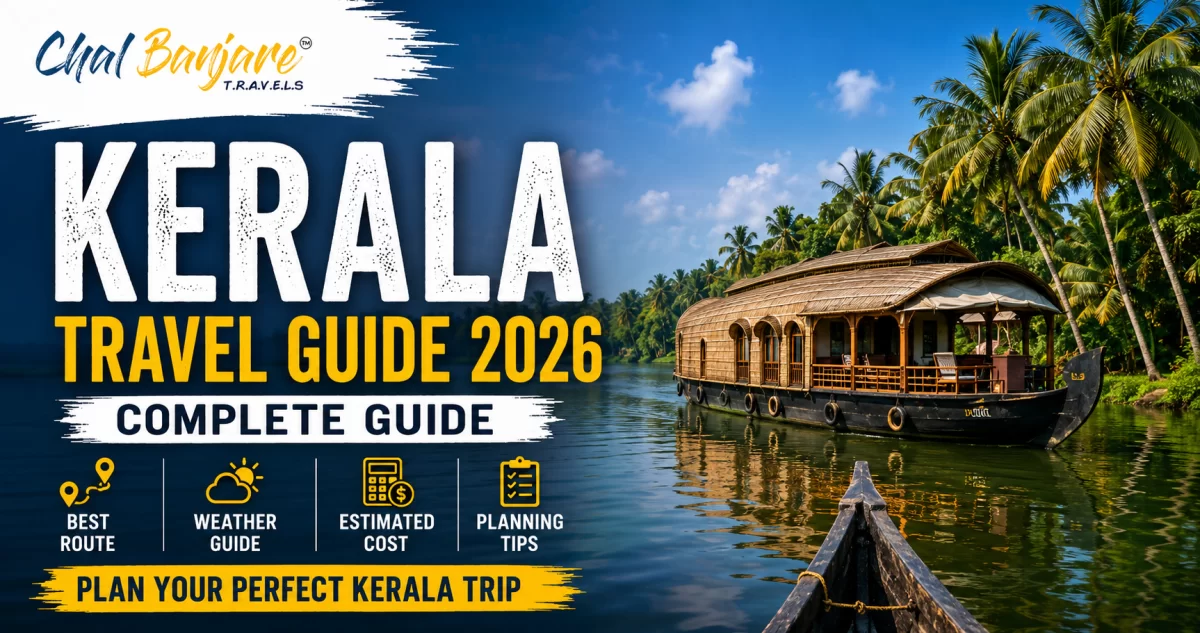
Kerala travel requires proper planning around routes, weather, backwaters, hill stations, beaches, transport, and budget for a smooth 2026 trip.
Kerala is a narrow coastal state on the southwestern edge of India, shaped by the Western Ghats on one side and the Arabian Sea on the other, creating a rich mix of backwaters, beaches, hills, and forests.
Its tourism regions are naturally divided into coastal, central, and highland circuits.
The ideal duration for a Kerala trip depends on how deeply you want to explore its regions, but most travelers need around 6 to 10 days to experience a balanced mix of hills, backwaters, and beaches.
Longer itineraries allow a more relaxed and immersive journey.
Kerala offers four distinct travel experiences—serene backwaters, relaxing beaches, misty hill stations, and rich wildlife zones—each providing a different atmosphere and travel style.
Choosing the right combination depends on your travel preference and time availability.
The central Kerala region is best known for its iconic backwaters and cultural hubs, where Kochi offers colonial heritage, while Alleppey and Kumarakom showcase serene houseboat cruises and interconnected lagoons.
It is ideal for relaxed travel, cultural exploration, and water-based experiences.
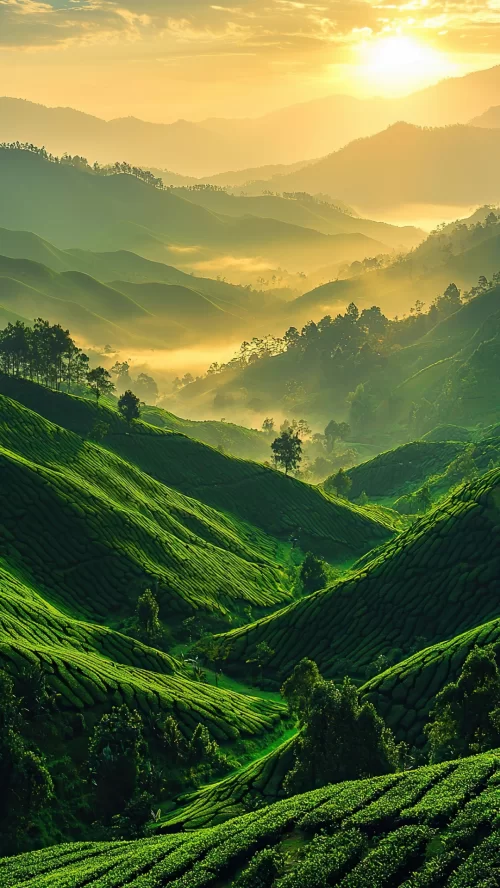
Kerala’s highland regions are dominated by misty hills, tea plantations, wildlife sanctuaries, and spice plantations, making them perfect for nature lovers and adventure seekers.
These destinations offer cooler climates and scenic mountain landscapes.
Kerala’s coastline stretches along the Arabian Sea, offering diverse beach experiences from cliffside views in Varkala to resort-style relaxation in Kovalam and untouched coastal charm in Kannur.
It is perfect for sunsets, leisure travel, and coastal exploration.
Winter (October to February) is the most pleasant time to visit Kerala, with cool temperatures, clear skies, and ideal conditions for exploring backwaters, beaches, and hill stations without humidity discomfort.
This season is perfect for full-route Kerala itineraries.
The monsoon season (June to September) transforms Kerala into a lush green paradise, making it famous for Ayurvedic treatments, rejuvenation stays, and dramatic waterfall landscapes.
However, heavy rainfall can affect outdoor travel plans.
Summer (March to May) in Kerala can be warm and humid in coastal areas, but hill stations like Munnar and Wayanad remain cool and refreshing, making them the best escape during this season.
It is suitable for mixed itineraries focused on highland travel.
Kerala is well connected by air through four major international airports, making it one of the most accessible travel destinations in South India for both domestic and international tourists.
Each airport serves different travel circuits across the state.
Kerala has an extensive railway network running along its coastal and inland regions, connecting major tourist cities like Kochi, Alleppey, Trivandrum, and Kozhikode efficiently.
Train travel is scenic, affordable, and widely preferred for intercity movement.
Kerala is easily accessible by road from nearby metro cities like Bangalore, Chennai, and Coimbatore, offering scenic highway journeys through Western Ghats and lush landscapes.
Road trips are ideal for flexible and immersive travel experiences.
A 5 to 7 day Kerala itinerary is perfect for first-time travelers, covering Kochi’s heritage, Munnar’s tea gardens, Thekkady’s wildlife experiences, and Alleppey’s iconic backwaters in a balanced circuit.
This route combines culture, nature, and relaxation in a compact journey.
A 7 to 10 day itinerary allows deeper exploration of Kerala, combining hill stations, serene backwaters, and relaxing beaches for a complete and immersive travel experience.
It is ideal for slow travel and diverse landscape coverage.
An extended Kerala itinerary of 10+ days includes offbeat destinations like Wayanad’s forests, Kannur’s quiet beaches, and Varkala’s cliffside views, offering a deeper and less commercial travel experience.
It is ideal for travelers seeking slow and immersive exploration.
Accommodation in Kerala varies widely depending on the destination and experience, ranging from budget homestays to luxury resorts and premium houseboat stays in the backwaters.
Planning ahead helps balance comfort and overall trip cost.
Local transportation in Kerala includes taxis, private cabs, buses, and scooter rentals, with costs depending on distance, season, and route connectivity between destinations.
Travel style greatly affects overall budget.
Daily expenses in Kerala include food, sightseeing activities, entry tickets, and occasional hidden costs such as parking fees, guide charges, and seasonal surcharges.
Understanding these helps in accurate budgeting.
Kerala’s cultural identity is deeply rooted in classical art forms like Kathakali and Kalaripayattu, which showcase dramatic storytelling, martial traditions, and centuries-old heritage performances.
These experiences are commonly performed in cultural centers across Kochi, Thekkady, and Trivandrum.
Kerala’s cuisine is a flavorful mix of traditional vegetarian Sadya meals served on banana leaves, fresh coastal seafood dishes, and soft rice-based staples like appam and stew.
Food experiences vary across coastal, backwater, and hill regions.
Kerala is globally known for Ayurveda wellness therapies, scenic tea estate walks in the hills, and immersive village tourism experiences that highlight traditional rural life.
These activities offer relaxation and cultural connection beyond sightseeing.
Kerala’s monsoon season brings lush greenery but also real travel challenges, including flooding in low-lying areas, landslides in the Western Ghats, and temporary road disruptions in hilly regions.
Flexible planning is essential during heavy rains.
While Kerala is generally safe for tourists, travelers should follow basic precautions at beaches, maintain hygiene during backwater stays, and respect wildlife safety rules in forest reserves.
Responsible travel ensures a safe and enjoyable experience.
Kerala may look compact on the map, but winding roads, hill terrain, and urban traffic can significantly increase travel times between destinations, requiring realistic itinerary planning.
Proper scheduling helps avoid rushed travel experiences.
One of the most common mistakes in Kerala travel is trying to cover too many distant regions in a short time, which leads to rushed experiences and long road transfers instead of enjoyable sightseeing.
A balanced itinerary ensures better comfort and deeper exploration.
Houseboat experiences in Alleppey and Kumarakom vary widely in quality, so it is important to carefully check inclusions like meals, AC usage hours, hygiene standards, and cruise routes before booking.
Transparent booking helps avoid unexpected costs and disappointment.
Kerala’s tropical climate requires smart packing, including light cotton clothing for humidity, rainwear for sudden showers, and mosquito protection especially near backwaters and forest regions.
Proper preparation improves comfort throughout the trip.
For first-time visitors, the most balanced Kerala route combines Kochi, Munnar, Thekkady, and Alleppey, offering a perfect mix of culture, hills, wildlife, and backwaters within a comfortable travel circuit.
This route ensures minimal travel fatigue and maximum experience variety.
Kerala offers different travel experiences depending on your purpose, whether it’s a romantic getaway, a family vacation, an adventure-focused trip, or a wellness retreat.
Selecting the right theme helps shape a more meaningful itinerary.
Before planning a Kerala trip, ensure all essentials like itinerary structure, weather planning, bookings, and packing are well organized to avoid last-minute issues and travel stress.
A well-prepared plan ensures a smooth and enjoyable journey.


Get customized Kerala tour planning designed around monsoon seasons, backwater cruising routes, hill travel timing, and comfortable coastal stays. Whether you are visiting for houseboat experiences, beach relaxation, wildlife reserves, cultural heritage,
⚡ Quick Response | 💰 Free consultation | 🕒 24×7 expert support