
Best Hidden and Less Crowded Beaches in Goa
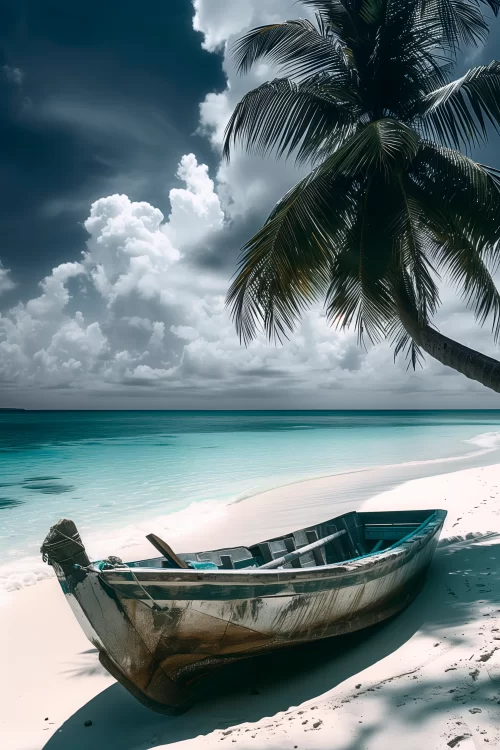
Discover quieter beaches in Goa away from the busiest tourist areas, with insights into secluded coastal spots, accessibility, facilities and tips for peaceful beach outings.
+91 9910402252
admin@chalbanjare.com


Plan your Goa trip with practical guidance on popular attractions, beaches, travel expenses, local transport, accommodation areas and essential tips for exploring North and South Goa.
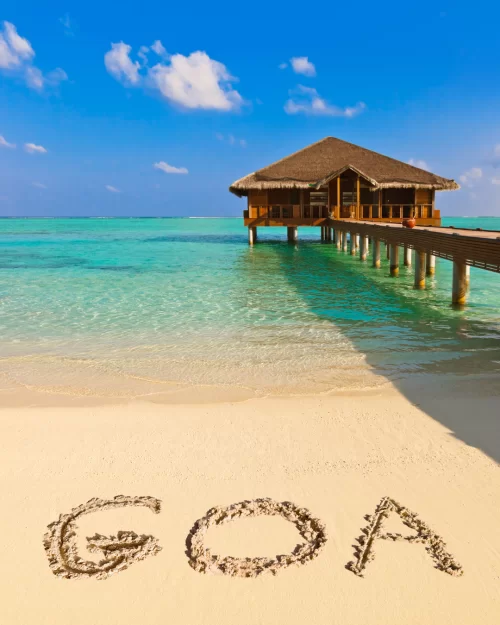
Goa is one of India's most popular holiday destinations, known for its sandy beaches, Portuguese-influenced architecture, historic forts, churches, traditional villages, seafood and lively coastal atmosphere. However, Goa offers much more than beaches and nightlife. Visitors can explore heritage neighbourhoods, temples, spice plantations, waterfalls, markets and scenic countryside.
The best places to visit in Goa depend on the length of your holiday, where you stay and your travel interests. North Goa is generally popular for busy beaches and entertainment, while South Goa offers several quieter coastal destinations. Panaji, Old Goa and the inland regions are particularly suitable for history, culture and nature.
Calangute is one of Goa's most visited beaches, known for its wide sandy shoreline, restaurants, shops and tourist facilities. It is particularly popular among first-time visitors and families.
Best for: Beach holidays, family outings, restaurants and shopping.
Travel tip: Visit early in the morning for a relatively quieter experience, especially during the winter tourist season.
Baga is famous for its lively atmosphere, restaurants, nightlife and seasonal beach activities. The surrounding area has numerous hotels, cafés and entertainment venues.
Best for: Friends, couples, nightlife and beachside dining.
Travel tip: Expect heavy crowds and traffic during weekends, Christmas and New Year.
Candolim offers a combination of established hotels, restaurants and beach activities. Some sections are comparatively quieter than the busiest areas of Calangute and Baga.
Best for: Couples, families and comfortable resort stays.
Anjuna is known for its distinctive rocky coastal sections, cafés and nearby shopping experiences. The area attracts travellers interested in a relaxed yet lively atmosphere.
Best for: Cafés, photography, markets and coastal sightseeing.
Safety tip: Avoid entering the sea near dangerous rocks or strong currents.
Vagator is known for its dramatic coastline, surrounding hills and proximity to Chapora Fort. It is especially popular for photography and scenic sightseeing.
Best for: Couples, photography and coastal viewpoints.
Morjim and Ashwem offer relatively relaxed coastal surroundings compared with the busiest North Goa beaches. Both have accommodation and dining options, although facilities vary seasonally.
Best for: Couples, relaxed holidays and peaceful beach walks.
Visitors should respect marked wildlife protection areas and local restrictions.
Colva is one of South Goa's well-known beaches, offering a long sandy shoreline, restaurants and nearby accommodation.
Best for: Families, beach outings and visitors staying near Margao.
Benaulim is popular for its relatively peaceful surroundings and nearby seafood restaurants. It is suitable for travellers seeking a slower holiday pace.
Best for: Families, couples and relaxed dining.
Palolem is known for its curved sandy shoreline, coastal scenery and seasonal cafés. It is a popular choice for visitors interested in a scenic beach stay.
Best for: Couples, photography and relaxed coastal holidays.
Agonda offers a quieter atmosphere than Goa's busiest tourist beaches. It is suitable for travellers who prefer scenic surroundings and a slower travel experience.
Best for: Couples and peaceful beach holidays.
Fort Aguada is a historic fort near Sinquerim, known for its Portuguese-era architecture and views of the Arabian Sea. The site is an important part of Goa's colonial history.
Best for: History, architecture and coastal photography.
Travel tip: Visit during the morning or later afternoon to avoid strong midday sunshine.
Chapora Fort overlooks the surrounding coastline and is one of North Goa's popular viewpoints. Visitors must walk uphill to reach the fort.
Best for: Scenic views and photography.
Travel tip: Wear comfortable footwear and carry drinking water.
Reis Magos Fort is a restored historical fort overlooking the Mandovi River. It offers an opportunity to explore Goa's history away from the busiest beaches.
Best for: History, architecture and cultural sightseeing.
The Basilica of Bom Jesus is one of Goa's most important historic churches. It forms part of the Churches and Convents of Goa UNESCO World Heritage Site.
Best for: Religious heritage, architecture and history.
Visitors should dress respectfully and follow restrictions during religious services.
Se Cathedral is a major historic church known for its grand architecture and religious significance. It can be explored alongside other Old Goa heritage attractions.
Best for: Architecture and cultural sightseeing.
Fontainhas is a heritage neighbourhood known for colourful houses, narrow streets and Portuguese-influenced architecture.
Best for: Heritage walks, photography and local culture.
Respect residential privacy and avoid blocking narrow streets.
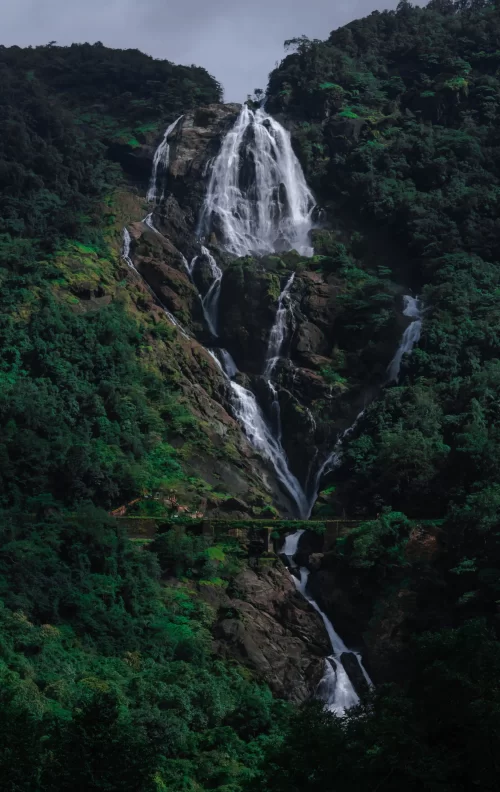
Dudhsagar Waterfalls is among Goa's most famous natural attractions, located within the Western Ghats landscape near the Goa–Karnataka border.
Best for: Nature enthusiasts and scenic excursions.
Important: Access depends on forest permissions, seasonal operations and weather conditions. Do not attempt unauthorised railway-track walks or restricted forest routes.
Selected spice plantations in the Ponda region offer visitors an introduction to regional agriculture and cultivated spices. Some provide guided experiences and traditional meals.
Best for: Families, nature lovers and cultural learning.
These prominent temples in the Ponda region are important religious and cultural attractions. They are suitable for travellers interested in Goa's spiritual heritage.
Best for: Religious sightseeing and architecture.
Follow temple-specific dress codes and visitor regulations.
Travel recommendation: First-time visitors should combine North Goa's beaches and forts with Panaji and Old Goa's heritage attractions. Travellers staying for five days or longer can also include South Goa's quieter beaches.
Choosing between North Goa and South Goa is one of the most important decisions when planning a Goa holiday. Both regions offer beaches, hotels, restaurants and sightseeing opportunities, but the overall atmosphere differs.
North Goa is generally associated with lively beaches, nightlife, markets and tourist entertainment. South Goa is often preferred for quieter beaches, relaxed resort stays and scenic coastal surroundings. However, neither region is exclusively busy or peaceful, and individual beaches can have different atmospheres.
North Goa is particularly popular among first-time visitors, groups of friends and travellers interested in beach activities and nightlife.
Popular destinations include Calangute, Baga, Candolim, Anjuna, Vagator, Morjim and Ashwem.
South Goa is often preferred by couples, families and travellers seeking a peaceful coastal holiday.
Popular beaches include Colva, Benaulim, Varca, Cavelossim, Palolem, Patnem and Agonda.
Both regions can suit families. North Goa provides access to developed tourist areas and a wide selection of accommodation, while South Goa offers several quieter resort locations.
Families should prioritise hotel facilities, beach safety, transport convenience and proximity to restaurants rather than choosing solely by region.
Couples interested in nightlife, cafés and entertainment may prefer Baga, Anjuna or Vagator.
Those seeking a peaceful holiday may prefer Ashwem, Benaulim, Cavelossim, Palolem or Agonda.
Both regions offer budget and premium accommodation. North Goa has a broad selection of guesthouses and hotels, while South Goa also has affordable stays in areas such as Colva and Palolem.
Accommodation prices depend on travel dates, location and property facilities rather than region alone.
North Goa generally offers more concentrated nightlife around Baga, Anjuna, Vagator and nearby areas.
South Goa has restaurants and selected entertainment venues, but its overall atmosphere is generally quieter.
Authorised water sports may be available at selected beaches in both regions during suitable seasons.
Availability depends on sea conditions, local permissions and operators. Activities should not be assumed to operate during the southwest monsoon.
Yes, particularly if you have five days or more. Visiting both regions allows you to experience Goa's lively beaches and quieter coastal areas.
However, travelling between distant beaches can take considerable time. Avoid planning too many locations in a single day.
Travel recommendation: Choose North Goa for lively beaches, nightlife and tourist facilities. Choose South Goa for a quieter coastal holiday. For a balanced first trip of five days or more, consider splitting your stay between the two regions.
Goa offers a wide variety of activities beyond beach sightseeing. Visitors can enjoy water sports, boat cruises, heritage walks, shopping, traditional cuisine, cultural experiences and nature excursions.
Activity availability changes by season. November to April generally provides more favourable conditions for many sea-based activities, while the southwest monsoon often brings restrictions due to rough seas and unsafe weather.
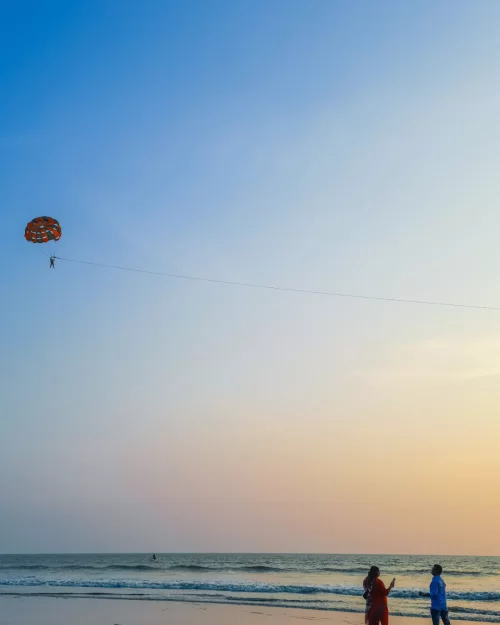
Parasailing is a popular adventure activity offered by authorised operators at selected beaches. Participants are lifted above the sea using a parachute connected to a motorboat.
Best for: Adventure enthusiasts.
Safety tip: Confirm operator authorisation, equipment standards and weather suitability.
Jet skiing is available at selected tourist beaches through commercial operators. Ride duration and supervision vary.
Best for: Short adventure experiences.
Wear suitable safety equipment and follow operator instructions.
Banana boat rides are group water activities available at selected authorised locations.
Best for: Groups and travellers interested in adventure activities.
Participants must follow safety instructions and meet the operator's requirements.
Scuba diving experiences may be available through qualified operators in suitable marine locations.
Visibility, sea conditions and dive suitability vary by season.
Best for: Travellers interested in underwater experiences.
Choose qualified instructors and disclose relevant medical conditions before participating.
Snorkelling may be offered at selected locations when water visibility and sea conditions are suitable.
Best for: Marine observation and guided water activities.
Not every beach is suitable for snorkelling.
Selected operators offer kayaking experiences in suitable rivers, backwaters and coastal environments.
Best for: Nature lovers and active travellers.
Availability depends on tides, weather and local permissions.
Boat cruises on the Mandovi River are popular among visitors staying around Panaji. Different operators may offer sightseeing, entertainment or evening cruises.
Best for: Families, couples and groups.
Confirm departure points, timings, inclusions and cancellation conditions.
Some operators offer boat excursions to observe dolphins in coastal waters.
Wildlife sightings are not guaranteed, and responsible operators should avoid chasing or disturbing marine animals.
Best for: Wildlife enthusiasts and families.
North Goa is known for nightlife areas around Baga, Anjuna and Vagator. Visitors can explore restaurants, cafés and entertainment venues.
Best for: Friends and couples seeking evening entertainment.
Event schedules and venue operations vary by season.
Goa offers numerous coastal restaurants and seasonal beach shacks serving regional and international cuisine.
Best for: Couples, families and relaxed evenings.
Temporary beach shacks may close during the monsoon.
Popular Goan dishes include fish curry rice, chicken xacuti, chicken cafreal, vegetable tonak and bebinca.
Visitors can also explore local bakeries serving traditional breads such as poi.
Best for: Food lovers and cultural travellers.
Anjuna is associated with a popular seasonal flea market offering handicrafts, clothing and souvenirs.
Best for: Shopping and casual sightseeing.
Confirm current operating days and seasonal arrangements.
Mapusa Market offers an introduction to local produce, spices, snacks and everyday shopping.
Best for: Local culture and food exploration.
Fontainhas in Panaji is known for colourful houses and Portuguese-influenced architecture.
Best for: History, photography and cultural experiences.
Respect residential privacy and avoid obstructing narrow streets.
Fort Aguada, Chapora Fort and Reis Magos Fort offer opportunities to explore Goa's colonial history and scenic landscapes.
Best for: History and photography.
The Basilica of Bom Jesus and Se Cathedral are among Goa's most important heritage attractions.
Best for: Architecture, religious heritage and cultural sightseeing.
Selected plantations in the Ponda region offer guided experiences introducing visitors to cultivated spices and local agricultural practices.
Best for: Families and nature enthusiasts.
Goa's inland regions include forests, waterfalls and scenic countryside. Authorised nature excursions may be available depending on the season and local permissions.
Best for: Nature lovers and photographers.
Avoid restricted forest routes and unsafe waterfall areas.
Activity recommendation: Combine beaches, heritage sightseeing and local food experiences with one or two selected activities. Avoid filling every day with water sports, particularly when travelling with children or senior citizens.
Goa is connected to major Indian cities by air, rail and road. The most convenient travel option depends on your departure city, budget, available time and preferred accommodation location.
Flights are generally the fastest option for long-distance travellers. Trains can be economical and scenic, while road travel offers flexibility for visitors coming from neighbouring states.
Goa has two commercial airports serving domestic travellers and selected international services.
Goa International Airport at Dabolim is located in central Goa, near Vasco da Gama.
It can be convenient for travellers staying in parts of central and South Goa, although actual transfer times depend on the destination and road conditions.
Manohar International Airport at Mopa is located in North Goa.
It can be convenient for travellers staying around several North Goa destinations, including parts of the Pernem, Mapusa and northern coastal areas.
Neither airport is automatically better for every traveller. The best choice depends on flight availability, airfare, hotel location and airport transfer cost.
Always check the airport name carefully when booking flights and transfers.
Goa is connected to the Indian railway network through stations on the Konkan Railway and other connecting routes.
Train travel can be an economical option, particularly for travellers coming from Maharashtra, Karnataka and other connected regions.
Not every train stops at every station. Travellers should verify train routes, station names and schedules before booking.
Travellers staying in North Goa often consider Thivim, while Madgaon Junction is useful for many South Goa destinations.
However, the nearest practical station depends on the specific hotel and train route.
Goa is connected by highways and state roads to Maharashtra, Karnataka and neighbouring regions.
Road travel is popular among visitors travelling from Mumbai, Pune, Bengaluru, Belagavi and other nearby cities.
Actual routes and journey times depend on road conditions, traffic, construction and seasonal restrictions.
Intercity buses connect Goa with several cities in Maharashtra, Karnataka and neighbouring states.
Services may include ordinary, sleeper and air-conditioned buses, depending on the operator and route.
Confirm the exact boarding point, drop-off location and luggage arrangements before booking.
Driving can be convenient for travellers who want flexibility and plan to explore multiple destinations.
However, long journeys require adequate rest, and hilly routes can become difficult during heavy rainfall.
Drivers should avoid unnecessary night travel on unfamiliar roads and follow official weather advisories.
Travel recommendation: For a short Goa holiday, flights are generally the most convenient option. For longer or budget-focused trips, trains can provide good value. Choose your arrival point according to your hotel location rather than assuming every Goa airport or railway station is equally convenient.
Local transport is an important part of planning a Goa holiday because beaches, forts, churches and other attractions are spread across different areas. The most suitable transport option depends on your accommodation location, group size, budget and driving experience.
Travellers can use taxis, pre-arranged private vehicles, rental scooters, self-drive cars and public buses. However, transport availability and convenience vary between busy tourist areas, towns and quieter coastal villages.
Taxis are commonly used for airport transfers, railway station pickups, sightseeing and travel between beaches.
They can be convenient for families, groups and travellers who do not want to drive.
Best for: Airport transfers, family holidays and longer sightseeing journeys.
Taxi fares depend on distance, vehicle type, operator, waiting time and seasonal demand.
Travellers should confirm the fare before starting the journey and ask whether parking, waiting charges or other fees are included.
Do not assume that every taxi uses the same pricing method.
Goa has app-based and other authorised taxi arrangements, including GoaMiles. Service coverage, availability and booking conditions may vary.
Travellers should verify current availability in their location rather than assuming that an app-based vehicle will always be available immediately.
A private cab can be useful for travellers who want to explore several attractions in one day without driving.
Some operators offer point-to-point transfers, while others provide sightseeing arrangements for a fixed duration or route.
Best for: Families, senior citizens and groups.
Rental scooters are popular among travellers who want flexibility for short journeys between beaches, cafés and nearby attractions.
However, they are suitable only for travellers with the required licence and sufficient riding experience.
Best for: Experienced riders travelling short distances.
Daily rental charges vary by scooter model, location, season and rental duration. As a broad budgeting illustration, basic scooter rentals may cost approximately Rs 300 to Rs 700 or more per day.
Fuel, security deposits and other charges may be additional. Peak-season prices can be higher.
Self-drive cars can be convenient for families and small groups who want flexibility while travelling between different areas of Goa.
They may be more comfortable than scooters during hot weather or light rain.
Best for: Families, groups and experienced drivers.
As a broad planning estimate, basic self-drive cars may cost approximately Rs 1,200 to Rs 3,000 or more per day, depending on vehicle type, season and rental terms.
Fuel, deposits, delivery charges and insurance conditions may affect the final price.
Public buses connect many towns and selected villages across Goa. They are generally among the most economical transport options.
However, bus services may not directly reach every beach, resort or tourist attraction.
Best for: Budget travellers and journeys between well-connected towns.
Routes, fares and service frequencies vary. Confirm the current schedule locally.
Public buses can be economical for selected journeys, but they are less convenient for tightly scheduled sightseeing involving several beaches or remote attractions.
Travellers may need additional walking or local transport to reach their final destination.
Auto-rickshaws are available in some towns and local areas, although coverage and fares vary.
They can be useful for short journeys where available.
Confirm the fare before travelling.
Goa has ferry services connecting selected river crossings and island areas.
These services can be useful for local travel and exploring destinations such as Divar Island.
Operating arrangements may be affected by weather and local conditions.
Transport recommendation: For families and first-time visitors, a private cab is often the most convenient option. Budget travellers can use public buses for suitable routes, while rental scooters and cars are practical only for appropriately licensed and experienced drivers.
A Goa trip can be planned across different budgets, from economical guesthouse holidays to luxury beachfront resort stays. The total cost depends on travel dates, accommodation category, number of travellers, transport arrangements, food preferences and planned activities.
December and the New Year period are generally among the most expensive times to visit Goa. Selected summer and monsoon dates may offer lower accommodation rates, although seasonal restrictions can affect the overall experience.
Hotel prices vary considerably by location, facilities and season. The following are broad illustrative ranges rather than verified live quotations.
Prices can rise significantly during Christmas, New Year and other high-demand periods.
Goa offers local eateries, cafés, seafood restaurants and premium dining establishments.
Seafood prices depend on the type of fish, size, restaurant and seasonal availability.
Transport expenses depend on the number of sightseeing days, distances travelled and vehicle type.
Public buses are generally economical, while private taxis provide greater convenience.
Rental vehicle costs vary by season and provider.
Many beaches and public viewpoints can be visited without a conventional entry ticket, although parking or other charges may apply.
Forts, museums, plantations, cruises and organised excursions may have entry or activity fees.
Confirm current charges before visiting.
Water sports prices depend on the activity, duration, operator, season and location.
Package offers may combine several activities, but inclusions vary.
Travellers should ask whether safety equipment, transport, photographs and taxes are included.
The following example assumes three nights in a mid-range hotel and excludes flights or long-distance railway tickets.
Illustrative total: Approximately Rs 15,500 to Rs 38,000 for two adults.
The following example assumes five nights of accommodation and a combination of North Goa, Panaji and South Goa sightseeing.
Illustrative total: Approximately Rs 25,500 to Rs 64,000 for two adults, excluding travel to Goa.
These examples are planning estimates, not package quotations. Peak festive dates and luxury accommodation can cost substantially more.
Budget trip: Guesthouses, local restaurants, selected public transport and limited paid activities.
Mid-range trip: Comfortable hotels, private transport for some sightseeing and selected activities.
Luxury trip: Premium resorts, private transfers, upscale dining and personalised experiences.
Selected summer and monsoon dates may offer lower hotel rates than the winter tourist season.
However, travellers should consider weather, seasonal closures and activity availability before choosing dates based only on price.
Budget recommendation: Plan your Goa budget around the complete holiday cost, including accommodation, transport, meals and activities. Travellers seeking value should compare different seasons and choose accommodation that reduces daily travel expenses.
Choosing the right area to stay in Goa can significantly improve your holiday experience. Goa's beaches and attractions are spread across different regions, so accommodation location affects travel time, transport costs and access to restaurants and activities.
North Goa is generally suitable for lively beach holidays and nightlife, while South Goa offers several quieter coastal destinations. Panaji and Margao can be practical for travellers interested in local culture and transport connections.
Calangute offers a wide selection of hotels, guesthouses, restaurants and tourist services.
Best for: First-time visitors and families.
Advantages: Established tourist facilities and convenient access to nearby beaches.
Considerations: Can become crowded during peak season.
Baga is popular among travellers interested in restaurants, nightlife and a lively beach atmosphere.
Best for: Friends and nightlife-focused travellers.
Advantages: Entertainment venues and restaurants.
Considerations: Noise, crowds and traffic during busy periods.
Candolim offers established hotels, restaurants and a comparatively relaxed atmosphere in some areas.
Best for: Couples and families.
Advantages: Accommodation variety and coastal access.
Anjuna is known for its cafés, rocky coastline and nearby markets.
Best for: Couples and travellers interested in a social holiday atmosphere.
Considerations: Some areas may be noisy during events.
Vagator offers dramatic coastal scenery, nearby cafés and access to Chapora Fort.
Best for: Couples and photography enthusiasts.
Morjim offers a relatively relaxed coastal environment compared with the busiest tourist beaches.
Best for: Couples and peaceful holidays.
Ashwem is suitable for travellers seeking a slower coastal experience with selected hotels and cafés.
Best for: Couples and relaxed stays.
Panaji is Goa's capital and offers restaurants, markets, heritage neighbourhoods and access to nearby cultural attractions.
Best for: Families, cultural travellers and visitors interested in exploring Old Goa.
Advantages: Urban facilities and heritage sightseeing.
Considerations: Not a conventional beachfront resort destination.
Colva is an established South Goa beach destination with restaurants and accommodation options.
Best for: Families and relaxed coastal holidays.
Benaulim offers a quieter coastal atmosphere and nearby restaurants.
Best for: Couples, families and travellers seeking relaxation.
Varca is known for its broad sandy beach and relatively peaceful surroundings.
Best for: Families and resort-focused travellers.
Cavelossim offers established resort accommodation and a scenic coastal environment.
Best for: Couples and families seeking comfortable stays.
Palolem is known for its curved shoreline, cafés and seasonal accommodation.
Best for: Couples and relaxed beach holidays.
Considerations: Some seasonal properties may close during the monsoon.
Agonda offers a quieter setting and scenic coastal surroundings.
Best for: Couples and travellers seeking a slower holiday pace.
Margao is an important commercial centre in South Goa, offering markets, restaurants and transport connections.
Best for: Budget travellers and visitors interested in local culture.
Considerations: It is not directly on the beach.
Accommodation recommendation: First-time visitors often find Candolim or Calangute convenient. Couples seeking a quieter holiday may prefer Ashwem, Benaulim or Agonda, while nightlife-focused travellers may prefer Baga, Anjuna or Vagator.
Goa can be visited throughout the year, but the experience changes significantly by season. Winter is generally best for comfortable weather and beach activities, summer brings heat and humidity, and the monsoon offers lush greenery with restrictions on swimming and water sports.
The ideal travel duration depends on your interests. Three days are suitable for a short holiday focused on selected attractions, while five to seven days allow more time to explore North Goa, South Goa and inland destinations.
November to February is generally considered the most comfortable period for visiting Goa.
However, Christmas and New Year are particularly busy and expensive.
Summer brings rising temperatures and humidity. March is generally more comfortable than April and May.
Outdoor sightseeing is best planned during the morning or later afternoon.
Pre-monsoon thunderstorms become more likely towards late May.
The southwest monsoon brings heavy rainfall, lush green landscapes and high humidity.
This season is suitable for travellers interested in nature, heritage sightseeing and relaxed resort stays.
However, rough seas, swimming restrictions and seasonal activity closures are important considerations.
October generally marks the transition from the monsoon towards drier weather.
Rainfall often decreases, but occasional showers can continue. Some seasonal beach services may gradually reopen depending on local conditions.
India's national emergency response number is 112.
Travellers should keep hotel details, transport contacts and essential identification accessible.
Follow official weather advisories, road restrictions and local safety instructions.
For most first-time visitors, November to February offers the best balance of weather, sightseeing and beach activities. A three-day holiday is suitable for exploring selected North Goa attractions, while five days allows a more balanced experience of North Goa, Panaji and South Goa.
Choose accommodation based on your preferred region, plan local transport carefully and keep a realistic sightseeing schedule. Travellers interested in quieter beaches can consider South Goa, while those seeking nightlife and entertainment may prefer North Goa.
With suitable planning, Goa offers an enjoyable combination of beaches, heritage, food, culture and natural scenery for families, couples, groups and independent travellers.


Get customized Delhi tour planning designed around traffic flow, seasonal weather comfort, heritage site exploration time, and realistic city pacing. Whether you are visiting for historical monuments, cultural experiences, food walks, shopping districts,
⚡ Quick Response | 💰 Free consultation | 🕒 24×7 expert support

