
Best Hidden and Less Crowded Beaches in Goa
Discover quieter beaches in Goa away from the busiest tourist areas, with insights into secluded coastal spots, accessibility, facilities and tips for peaceful beach outings.
+91 9910402252
admin@chalbanjare.com


Compare Goa's monsoon and winter seasons by weather, beach conditions, sightseeing, travel costs and tourist crowds to decide when to plan your holiday.
The main difference between visiting Goa in monsoon and winter is the weather and the type of activities available. Goa's southwest monsoon generally lasts from June to September, bringing frequent rainfall, high humidity, rough seas and lush green landscapes. Winter, particularly from November to February, usually offers drier weather, comfortable sightseeing conditions and a wider range of beach activities.
Neither season is universally better. Monsoon is suitable for travellers who enjoy greenery, rain and a quieter holiday, while winter is more convenient for tourists who want swimming, water sports, beach shacks and outdoor sightseeing.
During the monsoon, Goa's countryside becomes greener, rivers carry more water and the Western Ghats receive substantial rainfall. The season is attractive to visitors interested in scenic drives, nature photography, traditional villages and peaceful accommodation.
However, heavy rain can interrupt sightseeing, beaches may be unsafe for swimming and many seasonal coastal businesses reduce operations. Travellers need flexible itineraries and should be prepared for sudden weather changes.
Winter is Goa's main tourist season because the weather is generally more comfortable for beach visits, sightseeing and outdoor activities. The days are often sunny, rainfall is limited and many seasonal tourist establishments operate.
Popular beaches such as Baga, Calangute, Candolim, Palolem and Colva attract visitors seeking beachside dining, water sports and coastal experiences.
October is a transition month after the main monsoon. Rainfall usually decreases, but some seasonal tourism services may still be reopening. Sea conditions and activity permissions should be checked before booking water sports.
March is warmer than the main winter months but can still be suitable for beach holidays. Travellers should plan outdoor sightseeing during cooler hours and prepare for increasing heat and humidity.
Winter is generally the more practical choice for a traditional Goa holiday involving beaches, sightseeing and water sports. Monsoon is better for travellers who specifically want lush landscapes, rainy weather and a quieter atmosphere.
Your preferred activities should determine the season. Travellers expecting a winter-style beach holiday during the monsoon may be disappointed by sea restrictions and reduced seasonal services.
Goa has a tropical monsoon climate, with warm temperatures throughout the year. The main seasonal differences are rainfall, humidity, sunshine and sea conditions rather than extreme changes in temperature.
During the monsoon, frequent rain and cloud cover can make daytime temperatures feel slightly lower, although humidity remains high. Winter is generally drier and more comfortable for extended outdoor activities.
From June to September, Goa receives most of its annual rainfall. Heavy showers can continue for extended periods, although occasional breaks in the rain are possible.
Daytime temperatures commonly remain around 27–31°C, while nights are often around 23–26°C. These are broad seasonal ranges, not forecasts for particular dates or locations.
High humidity can make the weather feel sticky even when temperatures are relatively moderate. Rainfall intensity varies between coastal areas and inland locations near the Western Ghats.
From November to February, Goa usually experiences much less rainfall, lower humidity and more sunshine. Daytime temperatures commonly range around 29–33°C, while nights may be around 19–24°C, depending on the month and location.
Coastal areas generally remain warm, so winter visitors usually need lightweight clothing rather than heavy jackets. A light layer may be useful for cooler evenings or air-conditioned transport.
Monsoon rainfall is substantially higher than winter rainfall. July and August are generally among Goa's wettest months, while December and January are usually very dry.
Rainfall totals vary considerably from year to year, and intense rain can occasionally occur outside the main monsoon months. Travellers should check official forecasts and warnings close to departure.
Winter generally offers more reliable weather for visiting forts, churches, markets and beaches. Travellers can plan outdoor activities with a lower risk of prolonged rainfall disrupting their schedule.
Monsoon sightseeing requires greater flexibility. Heavy rain can affect visibility, road conditions, walking trails and access to outdoor attractions.
For Monsoon:
For Winter:
For comfortable beach sightseeing and outdoor activities, winter is generally preferable. For lush green landscapes and a rain-focused holiday, the monsoon offers a distinctive experience.
Goa's beaches offer very different experiences during the monsoon and winter. Winter is generally more suitable for swimming, beachside dining and organised coastal activities, while the monsoon is associated with rough seas, strong currents, heavy rainfall and seasonal restrictions.
Travellers should understand that a beautiful beach is not necessarily safe for entering the water. Swimming conditions depend on local currents, waves, weather and lifeguard instructions throughout the year.
During the southwest monsoon, the Arabian Sea often becomes rough, with strong waves and dangerous currents. Swimming is commonly restricted or prohibited at many beaches, and visitors should follow official warnings and lifeguard instructions.
Popular beaches such as Baga, Calangute, Candolim, Colva and Palolem may have fewer tourists than during winter. However, heavy rain and strong winds can make prolonged beach visits uncomfortable.
Many temporary beach shacks and seasonal coastal businesses close during the monsoon because of weather conditions and operating regulations.
Winter generally provides more suitable conditions for beach visits and organised coastal activities. Many seasonal beach shacks operate, and visitors can enjoy coastal walks, dining and photography.
Swimming may be permitted in designated areas when sea conditions are suitable. However, even during winter, visitors must follow lifeguard instructions and avoid restricted sections.
During the monsoon, beaches are better treated as scenic places to observe from safe locations rather than swimming destinations.
Visitors should avoid exposed rocks, cliff edges, creek mouths and isolated coastal sections during storms or rough sea conditions.
Winter generally offers more opportunities for supervised swimming, but conditions vary by beach and day. Monsoon sea conditions are often dangerous, and swimming restrictions should be treated seriously.
Winter is clearly more suitable for travellers whose main priorities are beachside dining, swimming where permitted, water sports and spending long hours near the sea.
Monsoon is better for travellers who enjoy watching dramatic coastal weather and do not expect swimming or commercial beach activities. Safety restrictions should always take priority over sightseeing plans.
Goa offers historical monuments, waterfalls, forests, temples, churches and scenic villages throughout the year. However, the monsoon and winter seasons create different sightseeing conditions. Monsoon brings greener landscapes and stronger waterfall flows, while winter generally provides more comfortable weather and reliable access for outdoor sightseeing.
Goa's waterfalls and forest landscapes become particularly scenic during the rainy season. Increased rainfall can create impressive water flows and lush vegetation in the Western Ghats.
However, heavy rainfall also increases the risk of flash floods, slippery trails, falling rocks and dangerous river currents. Access to waterfalls, forest routes and trekking areas may be restricted or closed by the authorities.
Travellers should never assume that a waterfall is open simply because the monsoon is considered a scenic season.
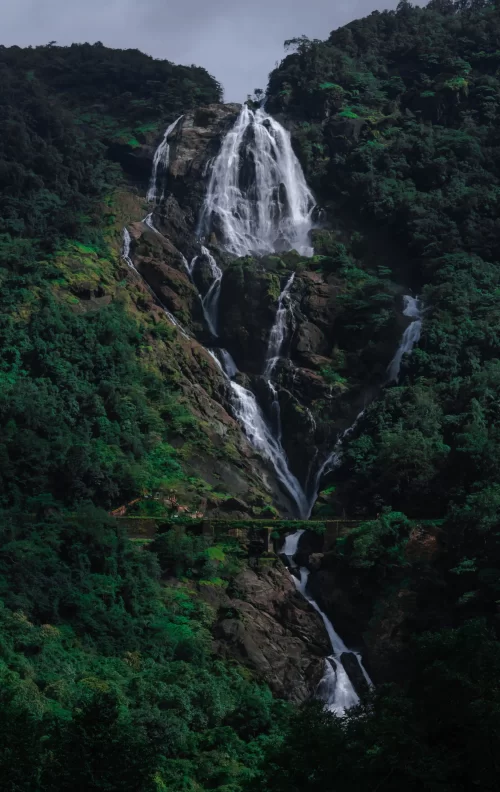
Dudhsagar Waterfalls is one of Goa's most famous natural attractions. During the monsoon, the waterfall can become especially powerful, but forest access and tourist excursions are often restricted because of safety concerns.
During the drier tourist season, authorised excursions may operate when permitted by the relevant authorities. Visitors should check current forest department rules, transport arrangements and entry requirements before planning a trip.
Do not attempt unauthorised trekking, railway-track walking or entry into restricted forest areas to reach the waterfall.
Historic forts such as Fort Aguada, Chapora Fort and Cabo de Rama offer attractive views during the monsoon. Green surroundings and dramatic cloud formations can make them appealing for photography.
However, stone pathways, slopes and steps may become slippery. Strong winds and heavy rain can also make exposed viewpoints unsafe.
Visitors should wear footwear with good grip, avoid cliff edges and follow any temporary access restrictions.
Winter is generally more comfortable for exploring forts because rainfall is limited and walking conditions are usually better.
Popular choices include Fort Aguada near Candolim, Chapora Fort near Vagator, Reis Magos Fort and Cabo de Rama Fort in South Goa.
Early morning and late afternoon visits are often more comfortable than walking uphill during the hottest part of the day.
Goa's historic churches and heritage neighbourhoods can be explored in both seasons, although heavy rain may affect travel between attractions during the monsoon.
Winter generally provides more comfortable conditions for walking between outdoor heritage sites, while monsoon visits may require umbrellas and flexible schedules.
Goa has several protected natural areas, including Bhagwan Mahavir Wildlife Sanctuary, Mollem National Park, Bondla Wildlife Sanctuary and Cotigao Wildlife Sanctuary.
Monsoon greenery can be impressive, but forest access, trails and visitor facilities may be affected by heavy rain. Winter often provides more manageable conditions for authorised nature walks and sightseeing.
Wildlife sightings are never guaranteed, and visitors must follow forest department rules and seasonal access restrictions.
Choose monsoon for green countryside, scenic rainfall and nature-focused experiences where access is officially permitted. Choose winter for forts, churches, heritage walks, outdoor photography and a more predictable sightseeing schedule.
For travellers planning several attractions in a short holiday, winter is generally the more convenient season.
Water sports, nightlife and outdoor entertainment are important reasons many tourists visit Goa. These experiences are generally more widely available during winter, while the monsoon brings seasonal closures and restrictions, especially for sea-based activities.
However, Goa does not completely close during the monsoon. Hotels, restaurants, indoor entertainment venues and selected attractions continue operating, although availability varies by location.
Commercial sea-based water sports are commonly suspended during the southwest monsoon because of rough seas, strong currents and safety regulations.
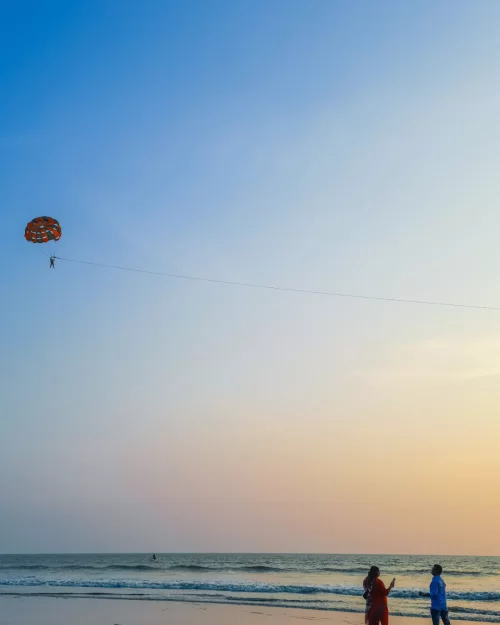
Activities such as parasailing, jet skiing and banana boat rides may not operate at popular beaches during this period. Tourists should not book a monsoon holiday expecting regular access to these activities.
Some non-sea activities may be available in authorised locations, but visitors should verify permissions, weather conditions and safety arrangements before booking.
Winter is generally the main operating season for Goa's commercial beach water sports. Popular tourist beaches such as Baga, Calangute, Candolim and selected South Goa beaches may offer organised activities when conditions permit.
Even in winter, water sports can be cancelled because of wind, waves or other safety concerns. Always use authorised operators and suitable safety equipment.
Goa has restaurants, bars and indoor entertainment venues that may continue operating during the monsoon. However, seasonal beach clubs, outdoor parties and temporary beach shacks may close or reduce services.
Popular tourist areas such as Baga, Calangute, Candolim and Panaji may still offer evening dining and entertainment, but the atmosphere is generally quieter than during peak winter.
Winter is Goa's busiest nightlife season. Baga, Anjuna, Vagator and other popular tourist areas attract visitors interested in clubs, music events, restaurants and evening entertainment.
Event schedules, venue permissions, entry charges and operating hours vary. Travellers should check arrangements for their travel dates rather than assuming that every advertised event takes place regularly.
Monsoon activities are better focused on safe countryside sightseeing, local food experiences, heritage attractions and comfortable indoor or resort-based relaxation.
Nature photography and scenic drives can be enjoyable, but heavy rainfall may cause waterlogging, reduced visibility and slippery roads. Trekking and waterfall excursions should be attempted only where officially permitted and conditions are safe.
Winter offers more reliable conditions for sightseeing, beach walks, cycling, guided tours and other outdoor activities.
Winter generally offers a wider selection of tourist activities, especially water sports, outdoor sightseeing, beachside dining and nightlife.
Monsoon is suitable for visitors who enjoy slower travel and are comfortable with fewer organised activities and possible weather-related changes.
The best season for a Goa holiday depends on who is travelling and what they want to experience. Winter is generally more convenient for families and first-time visitors because of the weather and wider availability of activities. Monsoon can be attractive for couples, repeat visitors and travellers seeking peaceful surroundings.
Winter is usually the more practical season for families with children. Relatively dry weather makes it easier to visit beaches, forts, markets and other attractions without frequent interruptions from heavy rain.
Families can choose hotels with swimming pools, child-friendly dining and convenient transport. However, children should enter the sea only where swimming is permitted and lifeguards confirm that conditions are suitable.
During the monsoon, families may prefer resorts with indoor facilities because outdoor sightseeing can be disrupted. Rough seas and slippery surroundings require additional precautions.
Couples seeking a quiet resort holiday may enjoy the monsoon because many tourist areas are less crowded and the countryside becomes lush green.
Winter is better for couples who want beach walks, outdoor dining, sightseeing and seasonal activities. South Goa destinations such as Benaulim, Cavelossim, Palolem and Agonda can provide relatively relaxed surroundings even during the main tourist season.
Winter is generally preferable for honeymooners who want a traditional beach holiday with outdoor activities and reliable sightseeing opportunities.
Monsoon can suit honeymooners who enjoy rain, greenery and spending time at a comfortable resort. However, they should be prepared for reduced beach activities and possible travel disruptions.
Winter is usually better for groups of friends planning water sports, nightlife, shopping and multiple beach visits. North Goa's popular tourist areas are particularly active during this season.
Monsoon can work for groups seeking a relaxed holiday with indoor entertainment, local food and scenic countryside visits. However, outdoor activities should remain flexible.
First-time visitors generally benefit from travelling during winter because they can experience a wider range of Goa's beaches, markets, restaurants, heritage sites and organised activities.
A monsoon visit may not match the expectations of tourists who associate Goa mainly with swimming, water sports and active beach shacks.
Winter is generally more comfortable for senior citizens because roads and walking areas are less affected by heavy rainfall. However, popular tourist destinations can be crowded during peak holidays.
Monsoon travel may involve slippery surfaces, waterlogging and transport delays. Travellers should choose accessible accommodation and avoid demanding outdoor excursions during heavy rain.
For most tourists planning their first Goa holiday, winter provides the most complete travel experience. Monsoon is better when rainy weather and quieter surroundings are part of the intended holiday.
The cost of visiting Goa changes considerably between the monsoon and winter seasons. Monsoon often brings lower accommodation demand and more competitive hotel prices, while winter generally has higher tourist demand, especially around Christmas, New Year and long weekends.
However, the overall trip cost also depends on flights, local transport, meals, activities and hotel location. A cheaper hotel does not always mean a cheaper holiday if transport or other expenses are higher.
Many hotels and resorts offer comparatively attractive rates during the monsoon because tourist demand is generally lower than in peak winter.
However, some seasonal beach huts and coastal establishments close during the rainy season. Travellers should confirm that their chosen property is operating and that essential facilities are available.
Properties with covered dining areas, comfortable rooms and reliable indoor facilities may provide better value during extended rainy periods.
Winter is Goa's main tourist season, and accommodation demand increases across popular North Goa and South Goa destinations.
Hotels near beaches such as Baga, Calangute, Candolim, Palolem and Cavelossim may charge significantly higher rates during peak holiday periods.
Christmas and New Year can be particularly expensive, and some properties may apply minimum-stay requirements or special meal and event charges.
The following are broad planning estimates rather than verified live rates. Actual prices vary by property, location, occupancy and travel dates.
Monsoon Accommodation:
Winter Accommodation:
These estimates are not guarantees. Peak holiday rates can exceed the stated ranges, while advance bookings and quieter locations may offer lower prices.
Flight prices depend on demand, booking timing, departure city and travel dates. Winter holiday periods can be expensive because more tourists travel to Goa.
Monsoon flights may sometimes be cheaper, but this is not guaranteed. Train fares depend on class and applicable pricing rules, while availability can become limited during busy travel periods.
Travellers should compare the total journey cost, including airport transfers and railway station transport.
Taxi, rental car and scooter expenses vary according to distance, demand and provider. Winter traffic can increase journey times around busy tourist areas.
During the monsoon, scooter travel may be less comfortable because of rain, slippery roads and reduced visibility. Families may prefer taxis or cars, which can increase transport spending.
Monsoon generally attracts fewer tourists to the main beach destinations. Visitors may find quieter hotels, restaurants and attractions, although some businesses operate with reduced services.
Winter attracts more tourists, particularly during December and January. Popular beaches, markets and sightseeing areas can become crowded, and traffic congestion may increase.
Monsoon is often cheaper for accommodation and can be good value for travellers seeking a resort-focused holiday. However, weather-related limitations and the need for private transport may reduce some savings.
Winter generally costs more during peak periods but offers a wider range of activities and tourist services.
Monsoon generally offers better accommodation value, while winter provides more predictable access to popular tourist activities. The better financial choice depends on what you want from the holiday.
Choosing between Goa in monsoon and winter depends on your travel priorities, budget and expectations. Winter is generally the better season for a traditional beach holiday, while monsoon is suitable for visitors who enjoy green landscapes, rainy weather and quieter surroundings.
Monsoon is suitable for travellers who want to experience Goa's countryside at its greenest. The season offers scenic views, quieter tourist areas and opportunities for relaxed resort stays.
Winter is generally the most suitable season for travellers who want to explore beaches, enjoy outdoor sightseeing and experience Goa's main tourist activities.
Winter is generally better for visiting popular North Goa destinations such as Baga, Calangute, Candolim, Anjuna and Vagator. Many seasonal activities, restaurants and entertainment venues are active during this period.
Monsoon offers a quieter atmosphere in these areas, but beach activities and outdoor entertainment can be limited by rain and rough seas.
Winter is suitable for visiting South Goa beaches such as Colva, Benaulim, Cavelossim, Palolem and Agonda. Seasonal accommodation, dining and tourist activities are generally more widely available.
Monsoon can be appealing for visitors staying at comfortable year-round resorts, but many temporary beach cottages and shacks may be closed. Travellers should verify accommodation operations before booking.
Winter is generally more practical for a three-day Goa holiday because dry weather makes it easier to visit several attractions within a limited period.
During the monsoon, a short trip may be affected by prolonged rain. Travellers should keep the itinerary flexible and avoid scheduling too many outdoor attractions.
A five-day winter holiday allows time for North Goa beaches, South Goa sightseeing, heritage attractions and selected activities.
A five-day monsoon holiday is better planned around a comfortable hotel, local food, safe countryside sightseeing and flexible day trips when weather permits.
Winter provides enough time to explore both North Goa and South Goa, including beaches, forts, markets and cultural attractions.
During the monsoon, a seven-day holiday can provide a relaxed experience with additional time for weather changes. However, waterfall visits, forest activities and coastal excursions must remain subject to official access and safety conditions.
Winter is generally the better season for most Goa tourists because it offers relatively dry weather, active beaches, sightseeing opportunities and a wider range of organised activities. It is particularly suitable for families, friends and first-time visitors.
Monsoon is better for travellers who specifically enjoy rain, lush green landscapes and quieter surroundings. It can also offer attractive accommodation value, provided visitors are comfortable with restricted beach activities and possible weather-related disruptions.
If your ideal Goa holiday includes beaches, water sports, nightlife and sightseeing, choose winter. If you prefer greenery, peaceful accommodation and a slower travel experience, monsoon can be equally rewarding when planned with suitable safety precautions and flexible expectations.


Get customized Delhi tour planning designed around traffic flow, seasonal weather comfort, heritage site exploration time, and realistic city pacing. Whether you are visiting for historical monuments, cultural experiences, food walks, shopping districts,
⚡ Quick Response | 💰 Free consultation | 🕒 24×7 expert support

