
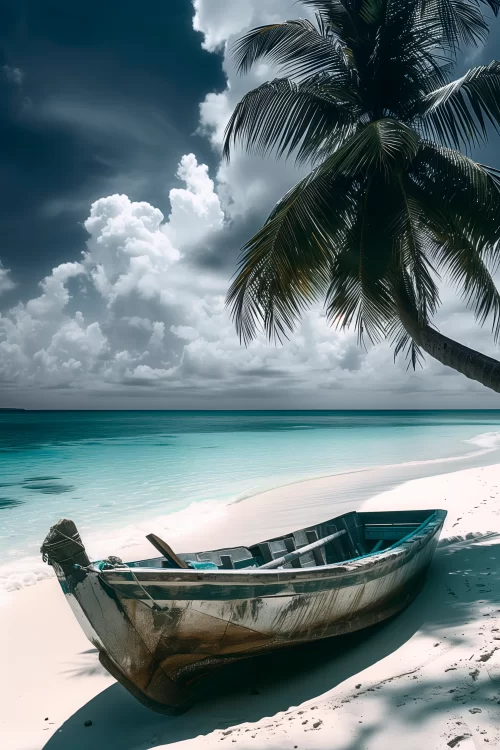

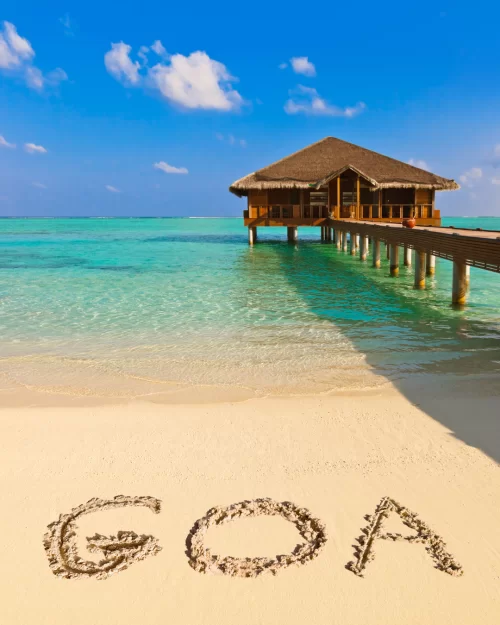
Best Hidden and Less Crowded Beaches in Goa
Discover quieter beaches in Goa away from the busiest tourist areas, with insights into secluded coastal spots, accessibility, facilities and tips for peaceful beach outings.
+91 9910402252
admin@chalbanjare.com


Understand Goa's weather throughout the year, including winter, summer and monsoon conditions, to choose suitable travel months for beaches, sightseeing and outdoor activities.
The best time to visit Goa is generally from November to February, when the weather is relatively pleasant, humidity is lower than in summer and conditions are usually suitable for beach holidays, sightseeing and outdoor activities. This period is particularly popular among families, couples and first-time visitors who want to explore North Goa and South Goa comfortably.
However, the ideal time depends on your travel preferences. December and January are popular for beach holidays and festive celebrations, while October and March can offer a useful balance between weather and tourist crowds. The monsoon months are better suited to travellers interested in greenery, rainfall and a quieter atmosphere rather than swimming or water sports.
January: Generally pleasant, with daytime temperatures commonly around 29°C to 33°C and relatively comfortable evenings. Popular for beaches and sightseeing.
February: Usually warm and comparatively dry, with daytime temperatures often around 30°C to 33°C. Suitable for coastal holidays and outdoor exploration.
March: Temperatures and humidity begin increasing. Daytime temperatures are commonly around 31°C to 34°C.
April: Hot and humid conditions become more noticeable. Daytime temperatures often range around 32°C to 35°C.
May: Hot, humid and increasingly unsettled towards the end of the month. Pre-monsoon showers and thunderstorms are possible.
June: The southwest monsoon usually arrives, bringing frequent rainfall, high humidity and rough sea conditions.
July: Typically among the wettest months, with prolonged rainfall and limited beach activities.
August: Heavy or frequent rainfall often continues, although daily conditions vary.
September: Rainfall generally begins decreasing as the monsoon approaches withdrawal, but wet weather and rough seas can persist.
October: Weather gradually improves, although occasional heavy showers and humidity remain possible.
November: Generally drier and more comfortable, with improving beach conditions and the start of the main tourist season.
December: Usually pleasant for outdoor activities, with strong tourist demand around Christmas and New Year.
These temperature ranges are broad planning estimates. Actual weather varies by year, location and daily conditions. Goa's coastal climate can also feel warmer because of humidity.
Both North Goa and South Goa generally have similar seasonal weather patterns. The main difference lies in the type of travel experience.
North Goa is popular for lively beaches, restaurants, markets and nightlife, while South Goa is often preferred for quieter coastal stays and relaxed sightseeing.
November to February is suitable for both regions. During the monsoon, established resorts and inland attractions may remain accessible, but many seasonal beach establishments operate differently or close.
There is no single season that every traveller must avoid. However, June to September is generally unsuitable for visitors whose main priorities are swimming, boat trips and water sports. April and May can be uncomfortable for people sensitive to heat and humidity.
Travellers who dislike crowds and high accommodation prices may prefer to avoid the Christmas and New Year holiday period.
Travel recommendation: Choose November to February for the most versatile Goa holiday. Consider October or March if you want a balance between weather and seasonal demand, and choose the monsoon only when your plans can accommodate heavy rain and restricted marine activities.
Winter is generally the most popular tourist season in Goa. From November to February, the weather is usually drier, daytime temperatures are warm rather than excessively hot and evenings can feel comparatively comfortable. These conditions make it a suitable period for beaches, sightseeing, heritage walks, coastal restaurants and outdoor activities.
Daytime temperatures commonly range from approximately 29°C to 33°C, while nights are usually milder. Coastal humidity remains present, but conditions are generally more comfortable than during the hotter months.
Rainfall is typically limited during the core winter season, although unusual weather changes are possible.
November marks the beginning of Goa's main tourist season. Weather generally becomes drier, beaches become more active and seasonal tourism services gradually resume.
Some water sports and beach establishments may restart earlier or later depending on weather, permissions and operating schedules.
Best for: Beach holidays, sightseeing and travellers seeking pleasant weather before the busiest holiday period.
December is one of Goa's busiest tourist months, particularly around Christmas and New Year.
Popular beaches, hotels, restaurants and entertainment venues can experience high demand. Accommodation prices may increase significantly during the festive period.
Best for: Festive holidays, nightlife and beach experiences.
Travel consideration: Advance booking is strongly advisable for late December.
January generally offers pleasant weather for beach activities and sightseeing.
Tourist demand can remain high, especially during the first part of the month and around major events or holidays.
Best for: Families, couples, water sports and outdoor sightseeing.
February is generally warm and relatively dry, making it suitable for exploring beaches, forts, markets and heritage attractions.
Some dates may be less crowded than the Christmas and New Year period, although popular destinations remain busy.
Best for: Beach holidays, sightseeing and couples.
Winter is generally one of the most suitable periods for water sports because the southwest monsoon has ended and sea conditions are often more favourable.
However, activities such as parasailing, jet skiing, banana boat rides and boat excursions remain subject to local weather, sea conditions, permissions and operator availability.
No activity should be considered guaranteed simply because it is winter.
Tourist numbers are generally higher from November to February, with especially strong demand around Christmas, New Year and long weekends.
Popular North Goa beaches may become crowded during afternoons and evenings.
Travellers seeking quieter surroundings can consider selected South Goa beaches and less commercial areas.
Accommodation prices are usually higher during the main tourist season than during the monsoon.
Rates can rise sharply during festive dates, particularly at popular beachfront resorts and hotels.
Prices depend on property category, location, booking lead time and demand.
Travel recommendation: November, January and February are particularly suitable for travellers prioritising comfortable sightseeing and beach activities. December is appealing for festive travel but often involves higher prices and larger crowds.
Summer in Goa generally lasts from March to May. During this period, temperatures rise, humidity becomes more noticeable and outdoor sightseeing can feel uncomfortable during the hottest parts of the day. However, Goa remains a possible holiday destination for travellers who plan activities carefully and choose accommodation with suitable cooling facilities.
Daytime temperatures commonly range from approximately 31°C to 35°C, although hotter conditions can occur. High humidity can make the weather feel warmer than the measured temperature.
March is often more manageable than April and May, while late May can bring pre-monsoon showers and thunderstorms.
March marks the transition from the relatively comfortable winter season to hotter summer conditions.
Beach visits and sightseeing are still possible, particularly during mornings and evenings.
Best for: Travellers comfortable with warm weather who want to visit before peak summer humidity.
April is usually hotter and more humid. Outdoor sightseeing can become tiring during midday.
Visitors should plan beach activities for cooler hours and take regular breaks.
Best for: Short beach holidays with comfortable accommodation and flexible schedules.
May is generally hot and humid, with increasing chances of pre-monsoon showers towards the end of the month.
Thunderstorms and changing sea conditions can affect outdoor activities.
Best for: Travellers who are comfortable with humid weather and can adjust plans around rain.
Yes, beaches remain accessible during much of summer, but the heat can be intense.
Early mornings and late afternoons are generally more comfortable for walking and relaxing near the coast.
Swimming should be considered only where permitted and under suitable sea conditions, with lifeguard guidance.
Some water sports may operate during March and April when conditions and permissions allow.
Availability can reduce as the monsoon approaches, particularly during periods of rough seas, thunderstorms or changing weather.
Operators may suspend activities at short notice for safety reasons.
Some hotels may offer lower rates than during the peak winter season, especially outside school holidays and busy weekends.
However, summer vacation demand can keep prices high at selected family resorts.
Travellers should compare actual rates rather than assuming every summer date is inexpensive.
Travellers who are highly sensitive to heat, families with very young children and visitors with health conditions affected by hot weather may prefer the cooler months.
Individual medical considerations should be discussed with a qualified healthcare professional when necessary.
Travel recommendation: March is generally preferable to April and May for travellers who want a summer visit with relatively more manageable conditions. Plan outdoor sightseeing around cooler hours and choose accommodation that offers a comfortable indoor environment.
Goa's southwest monsoon generally lasts from June to September, bringing frequent rainfall, lush green landscapes and high humidity. This season transforms the state's forests, countryside and inland scenery, making it attractive to travellers who enjoy rain, nature and a quieter holiday atmosphere.
However, monsoon Goa is very different from the main beach season. Rough seas, strong currents, heavy rainfall and safety restrictions can limit swimming, water sports, boat excursions, trekking and access to certain natural attractions.
Daytime temperatures commonly range from approximately 27°C to 31°C, although humidity remains high.
Rainfall can be intense, particularly during June, July and August. Some periods experience prolonged showers, thunderstorms or localised flooding.
Actual conditions vary from year to year.
June usually marks the onset of the southwest monsoon.
Rainfall becomes more frequent, the sea can turn rough and many seasonal beach activities begin shutting down.
Best for: Travellers interested in the beginning of Goa's green season.
July is typically one of Goa's wettest months.
Heavy rain can affect roads, outdoor sightseeing and access to natural attractions.
Best for: Rain-focused holidays with flexible plans and suitable accommodation.
August generally remains wet and humid, with frequent showers and lush greenery.
Visitors should be prepared for activity cancellations and weather-related travel delays.
Best for: Travellers seeking a quieter stay and scenic monsoon landscapes.
September often brings a gradual reduction in rainfall as the monsoon approaches withdrawal.
However, heavy showers and rough sea conditions may continue, and water sports should not be assumed to have resumed.
Best for: Nature-focused holidays with flexible sightseeing plans.
Beaches may remain accessible for walking and sightseeing, but sea conditions are often dangerous.
Swimming may be prohibited or strongly discouraged because of rough waves, rip currents and other hazards.
Visitors should follow official warnings, lifeguard instructions and local restrictions. Never enter the sea when swimming is prohibited.
Most commercial sea-based water sports are generally suspended during the southwest monsoon because of unsafe sea conditions and seasonal restrictions.
Activities such as parasailing, jet skiing, banana boat rides and many boat excursions should not be expected during this period.
Resumption depends on official permissions, weather and operator readiness.
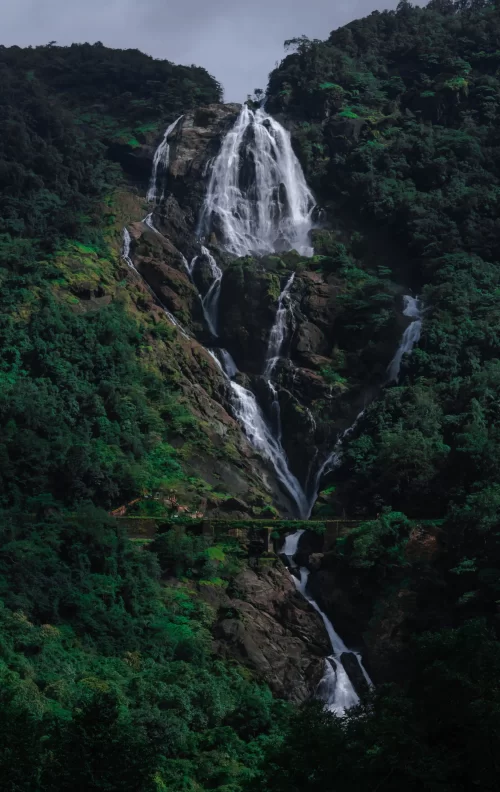
Dudhsagar Waterfalls can be visually dramatic during the rainy season, but heavy rainfall and forest safety restrictions frequently limit tourist access.
Authorised jeep safaris and other access arrangements may be suspended during the monsoon.
Visitors should not attempt unauthorised forest routes, railway tracks or restricted trekking paths.
Waterfalls, streams and forest trails can become hazardous during heavy rain. Flash flooding, slippery rocks, landslides and rapidly changing water levels create serious risks.
Only visit officially permitted locations and follow local authority instructions.
Avoid swimming in unfamiliar rivers, waterfalls or natural pools.
Some hotels and resorts offer lower rates during the monsoon because overall tourist demand is often reduced.
However, prices vary by property, weekends, public holidays and special offers.
Some seasonal beach properties and restaurants may be closed.
Travel recommendation: Visit Goa during the monsoon if you enjoy rainfall, greenery and quieter resort stays. Avoid this season if swimming, sea-based water sports and unrestricted outdoor sightseeing are essential parts of your holiday.
October is a transitional month in Goa, marking the gradual shift from the southwest monsoon to the main tourist season. Rainfall usually decreases compared with the wettest monsoon months, but occasional heavy showers, thunderstorms and humid conditions can continue.
For travellers who want to visit Goa before the busiest winter period, October can be appealing. However, it is important to understand that beach activities, water sports and seasonal tourism services may not all resume at the same time.
Daytime temperatures commonly range from approximately 30°C to 33°C, with warm nights and noticeable humidity.
Rainfall generally decreases as the month progresses, although weather patterns vary by year.
Some days may be sunny, while others can experience showers or thunderstorms.
Early October may still experience lingering monsoon conditions.
Sea conditions can remain unsettled, and some seasonal beach activities may not yet be operating.
Best for: Travellers with flexible plans who do not depend on water sports.
Weather often begins improving during the middle of October, although rain remains possible.
More tourism businesses may prepare for the approaching peak season.
Best for: Sightseeing and relaxed coastal stays when weather permits.
Late October can offer increasingly favourable conditions for outdoor sightseeing as the post-monsoon transition continues.
However, occasional rain and unsettled seas remain possible.
Best for: Travellers seeking a pre-winter holiday with flexible activities.
Water sports may begin resuming after the monsoon, but there is no universal reopening date for every beach or activity.
Operations depend on official permissions, weather, sea conditions and individual operators.
Visitors should confirm availability shortly before booking and avoid making non-refundable plans based on assumed reopening dates.
Some seasonal beach shacks begin preparing or reopening during October, depending on permissions and local conditions.
Others may start later in the season.
Travellers should verify current operations rather than assuming all beachfront establishments are open.
Access to Dudhsagar Waterfalls may resume after the monsoon when forest routes and authorised safari operations are considered safe.
However, reopening dates depend on official decisions and actual road and weather conditions.
Visitors should confirm current access before travelling to Kulem or planning a safari.
October accommodation prices can be lower than peak December rates, particularly earlier in the month.
However, festivals, school holidays, long weekends and increasing tourist demand can affect prices.
Rates should be compared for the exact travel dates.
Travel recommendation: Late October can be a useful time for a Goa holiday if you are comfortable with occasional rain and flexible activity plans. Choose November or later if dependable beach-season services and water sports are your main priorities.
The best months to visit Goa depend on the activities you want to enjoy. Beach holidays, water sports, nightlife, sightseeing and nature-focused trips have different seasonal requirements. November to February is generally the most versatile period, but certain activities may remain available outside these months when conditions permit.
November to April is generally the main period for many commercial sea-based water sports, subject to weather, permissions and operator schedules.
December, January and February often provide suitable conditions, although individual activities can be suspended at any time because of rough seas or other safety concerns.
Popular water sports areas include selected stretches around Calangute, Baga and Candolim, along with other authorised operating locations.
Activities differ between beaches, and not every water sport is available at every location.
Visitors should confirm current operations and safety arrangements.
November to February is generally the most comfortable period for spending time at Goa's beaches.
March can also be suitable for travellers comfortable with warmer weather.
During the monsoon, rough sea conditions and swimming restrictions significantly change the beach experience.
November to February is suitable for exploring popular North Goa beaches such as Calangute, Baga, Candolim, Anjuna and Vagator.
These destinations can become crowded during the main tourist season, particularly around Christmas and New Year.
November to February is also suitable for South Goa beaches such as Colva, Benaulim, Palolem, Patnem and Agonda.
Some areas offer a quieter atmosphere than the busiest North Goa beaches, although popular locations still attract significant seasonal demand.
November to February generally offers the widest seasonal selection of nightlife events, entertainment venues and tourist-oriented evening activities.
Some established venues operate throughout the year, while seasonal beach events and outdoor establishments may have limited schedules during the monsoon.
The main tourist season, especially December and January, is popular for beach-related entertainment and festive events.
However, events depend on permissions, venue policies, local regulations and individual schedules.
Visitors should confirm official event details before booking travel around a particular party or festival.
November to February is generally suitable for couples seeking beach holidays, sightseeing and outdoor dining.
October and March may also appeal to couples who prefer slightly different crowd levels and are comfortable with transitional or warmer weather.
The monsoon can suit couples interested in rain, greenery and resort stays rather than beach activities.
December to February is often comfortable for families because of relatively pleasant weather.
Families travelling during school holidays should expect higher demand at popular hotels and attractions.
Beach swimming should always follow lifeguard guidance, regardless of the month.
November to February is generally the most comfortable period for visiting forts, churches, heritage neighbourhoods, markets and inland attractions.
March and October can also be suitable when sightseeing is planned around heat or rainfall.
June to September offers lush landscapes and a distinctive monsoon atmosphere.
However, forest access, trekking and waterfall visits may be restricted because of heavy rainfall and safety concerns.
October can offer green scenery with gradually improving weather.
Travel recommendation: January and February are particularly suitable for travellers seeking a combination of beach activities, sightseeing and nightlife without the intense festive demand of late December. November is also a strong option, subject to the reopening of seasonal services.
The cheapest time to visit Goa is often during the monsoon months from June to September, when overall tourist demand is generally lower and some hotels offer seasonal discounts. Selected dates in April, May and early October may also provide competitive accommodation prices.
However, the cheapest season is not automatically the best value for every traveller. Monsoon restrictions can affect beaches, water sports and outdoor sightseeing, while summer heat can reduce comfort. Travellers should compare total holiday costs and available activities rather than focusing only on hotel prices.
Accommodation demand is generally higher during the winter tourist season.
December, particularly the Christmas and New Year period, can be especially expensive.
Popular beachfront hotels and resorts may charge substantially more than during quieter months.
March and October can sometimes offer a balance between accommodation costs and travel conditions.
March is generally hotter than winter, while October can still experience post-monsoon rainfall.
Prices depend on weekends, festivals, school holidays and property demand.
Some hotels offer lower rates during the hotter months.
However, school holidays and family travel demand can keep prices elevated at selected resorts.
Air-conditioned accommodation may be particularly valuable during this period.
Many hotels and resorts offer competitive rates during the monsoon, although not every property participates in seasonal discounts.
Some beachfront accommodation and seasonal hospitality services may close.
Travellers should confirm which facilities and activities are operating before booking.
The following broad estimates are for planning purposes only and are not live hotel quotations. Actual rates can be much higher or lower depending on the property, location, dates, taxes and booking conditions.
Neither region is always cheaper. Both North Goa and South Goa have budget accommodation, mid-range hotels and luxury resorts.
Prices depend more on the specific beach, property category, travel dates and distance from major tourist areas.
Travellers should compare hotels in several locations rather than assuming one region is consistently more affordable.
June to September generally sees fewer conventional beach holiday visitors than the winter peak season.
Selected dates in April, May and October may also be quieter than December and January.
However, long weekends, festivals and school holidays can create temporary increases in demand.
Yes, for travellers interested in resort stays, greenery, local cuisine and a relaxed atmosphere. However, the monsoon is generally unsuitable for visitors expecting unrestricted swimming, beach shacks and sea-based water sports.
Travellers should weigh accommodation savings against the activities they may be unable to enjoy.
For travellers who want pleasant weather and a broad range of activities, selected dates in November, February and early March may offer better overall value than the busiest festive period, although prices are not guaranteed to be low.
For travellers whose main priority is inexpensive accommodation and a quieter stay, the monsoon can be appealing.
Budget recommendation: Compare exact hotel and transport prices before choosing dates. If beaches and water sports are essential, avoid selecting the monsoon solely because accommodation is cheaper.
Planning a Goa holiday requires more than choosing a month. Weather, accommodation location, transport, beach safety and seasonal activity availability can significantly affect the experience. Travellers should prepare according to the season and keep their itinerary flexible when weather conditions are uncertain.
Sea conditions in Goa vary by season, beach and daily weather.
Winter: Book early, especially around Christmas, New Year and long weekends.
Summer: Prioritise comfortable cooling facilities and convenient access to restaurants and sightseeing.
Monsoon: Confirm road access, drainage, indoor facilities and whether seasonal services are operating.
October: Check which beach shacks and activities have reopened after the monsoon.
North Goa is generally more suitable for travellers seeking busy beaches, nightlife, shopping and a wide range of restaurants.
South Goa is often preferred for quieter coastal stays, relaxed dining and peaceful beach surroundings.
Both regions experience the same broad seasonal weather patterns, so the choice should be based primarily on travel preferences and accommodation location.
India's national emergency response number is 112.
Travellers should also keep the contact details of their accommodation and transport provider readily available.
For beach safety, follow the instructions of lifeguards and local authorities.
3 days: Suitable for a short holiday focused on one region, such as North Goa or South Goa.
4 to 5 days: Allows a more balanced combination of beaches, heritage sightseeing and local food experiences.
6 to 7 days: Suitable for exploring both North Goa and South Goa at a more relaxed pace.
During the monsoon, keeping additional flexibility in the itinerary is advisable because outdoor activities may be affected by rainfall.
November to February is generally the best time to visit Goa for pleasant weather, beach holidays, sightseeing and a broad selection of tourist activities. January and February are particularly suitable for travellers who want comfortable weather without concentrating their trip around the busiest Christmas and New Year dates.
March can be considered by travellers comfortable with warmer conditions, while October offers a transitional post-monsoon experience with some uncertainty around rainfall and seasonal activity availability.
June to September is better suited to visitors who enjoy greenery, rainfall and quieter stays rather than swimming and water sports.
Choose your travel dates according to your priorities, compare accommodation prices for the exact dates and check current weather and activity conditions before finalising your Goa itinerary.


Get customized Delhi tour planning designed around traffic flow, seasonal weather comfort, heritage site exploration time, and realistic city pacing. Whether you are visiting for historical monuments, cultural experiences, food walks, shopping districts,
⚡ Quick Response | 💰 Free consultation | 🕒 24×7 expert support

