
Best Hidden and Less Crowded Beaches in Goa
Discover quieter beaches in Goa away from the busiest tourist areas, with insights into secluded coastal spots, accessibility, facilities and tips for peaceful beach outings.
+91 9910402252
admin@chalbanjare.com


Plan enjoyable family activities in Goa with ideas for child-friendly beaches, nature outings, heritage visits and educational experiences suited to different age groups.
Goa offers a wide variety of family-friendly experiences, from relaxing beach holidays to educational sightseeing and outdoor adventures. Families travelling with young children can enjoy gentle beach activities, museums, gardens and organised cruises, while older children and teenagers may prefer suitable water sports, kayaking and guided nature excursions. The best activities depend on children's ages, weather conditions, accommodation location and individual interests.
Beach outings are among the most popular things to do in Goa with family. Beaches such as Candolim, Calangute, Colva, Benaulim and Palolem offer opportunities for coastal walks, photography, beach games and relaxed dining.
Families should choose designated swimming areas with active lifeguard supervision and follow warning flags. No beach should be considered automatically safe for swimming because currents and sea conditions can change.
Best for: Families with children of different ages.
Fort Aguada is a famous historical attraction in North Goa, known for its Portuguese-era defensive structures and coastal views.
Children can learn about Goa's maritime history while exploring accessible sections of the fort. Parents should supervise younger children near walls, steps and exposed viewpoints.
Best for: School-age children, families and history enthusiasts.
Old Goa contains several important historical churches, including the Basilica of Bom Jesus and Se Cathedral. These landmarks provide opportunities for children to learn about architecture, religion and Goa's colonial history.
Families should dress respectfully and maintain silence in active religious areas.
Best for: Educational sightseeing and family heritage tours.
Organised Mandovi River cruises departing from the Panaji area are popular family activities. Selected cruises include sightseeing, music or cultural performances.
Families should choose an appropriate departure time, confirm seating and check safety arrangements before booking.
Best for: Families, children and senior citizens.
Goa has several museums where children can explore history, art, architecture and regional traditions. The Goa State Museum's collections and visiting arrangements should be checked in advance, while the Museum of Christian Art and the Naval Aviation Museum offer more specialised experiences.
Museums can be particularly useful during hot afternoons or rainy weather.
Best for: Curious children, teenagers and educational family outings.
Selected spice plantations in Goa offer guided visits where families can learn about plants such as pepper, cardamom, cinnamon and other tropical crops.
Some experiences include meals or demonstrations, depending on the plantation. Children should remain on designated paths and avoid touching unfamiliar plants.
Best for: Nature education and family sightseeing.
Goa's wildlife sanctuaries and bird habitats provide opportunities to observe forests, birds and natural ecosystems.
Dr Salim Ali Bird Sanctuary, Cotigao Wildlife Sanctuary and suitable guided nature trails can be considered according to the family's location and interests.
Wildlife sightings are unpredictable and should never be guaranteed.
Best for: Nature-loving families and older children.
Reis Magos Fort overlooks the Mandovi River and offers a combination of historical architecture, exhibitions and scenic views.
It can be an interesting learning experience for children interested in forts and regional history.
Families should check current visiting hours and accessibility arrangements.
Best for: School-age children and family heritage sightseeing.
Exploring local cuisine is an enjoyable family activity. Goa offers traditional dishes, seafood preparations, bakeries and restaurants serving a variety of Indian and international cuisines.
Parents can introduce children to mild regional dishes while checking ingredients, spice levels and allergies.
Best for: Families and food enthusiasts.
Panaji offers a relaxed urban sightseeing experience, while Fontainhas is known for its colourful heritage buildings and traditional streets.
Families can enjoy a short heritage walk, photography and nearby dining. Visitors should respect residents and avoid entering private properties.
Best for: Family photography, cultural sightseeing and older children.
Travel recommendation: Plan no more than two or three major attractions each day when travelling with young children. Combine outdoor sightseeing in the morning with relaxed activities during the hotter afternoon hours.
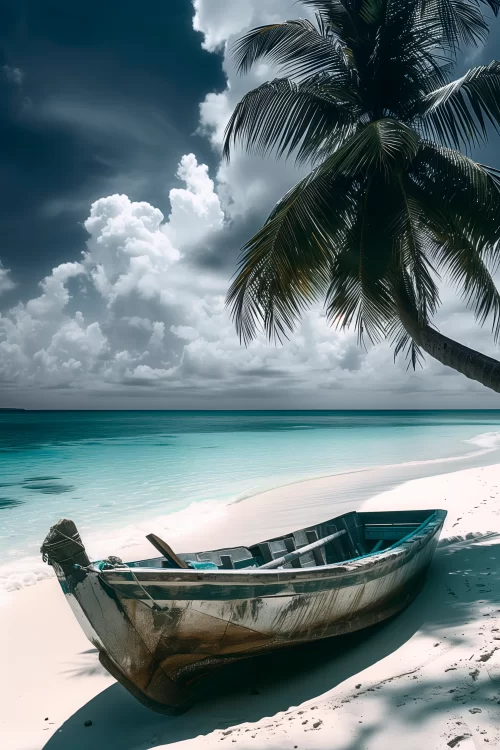
Goa's beaches are among its biggest attractions for families, offering opportunities for walking, sand play, photography and coastal dining. North Goa has several established tourist beaches with restaurants and accommodation, while South Goa offers relatively peaceful surroundings at locations such as Benaulim, Varca and Agonda. Families should select beaches according to accessibility, facilities, crowd levels and the presence of active lifeguard services.
Candolim is a popular beach destination with accommodation, restaurants and tourist facilities nearby.
Families can enjoy morning walks, sand activities and relaxed dining. The beach can be busy during peak travel periods.
Best for: Families staying in North Goa and first-time visitors.
Calangute is one of Goa's busiest beaches and offers easy access to restaurants, shops and selected recreational activities.
It can be convenient for families who prefer established tourist facilities, although crowd levels may be high during weekends and holidays.
Parents should keep children close in crowded areas and near the shoreline.
Best for: Families seeking convenient tourist facilities.
Baga is known for its busy tourist atmosphere, restaurants and seasonal water sports.
Families may enjoy daytime sightseeing and dining, but the area can become crowded and lively in the evening.
Best for: Families with older children who enjoy active tourist destinations.
Sinquerim is located near Fort Aguada and offers scenic coastal surroundings.
Families can combine a beach visit with historical sightseeing in the same area.
Swimming and water activities should only be considered where permitted and appropriately supervised.
Best for: Family sightseeing and photography.
Miramar Beach is located near Panaji and is convenient for families exploring the city.
It is suitable for beach walks and enjoying coastal views, but currents can be hazardous. Families should not assume it is a safe swimming beach.
Best for: Short outings and families staying near Panaji.
Colva is one of South Goa's established tourist beaches and is conveniently located for travellers staying near Margao.
Families can enjoy walks, photography and selected recreational activities through authorised operators.
Best for: First-time visitors and family holidays in South Goa.
Benaulim offers a relatively peaceful setting for family outings, with restaurants and accommodation in the surrounding area.
Children can enjoy supervised sand play and beach walks while adults relax nearby.
Best for: Families with young children and travellers seeking a quieter atmosphere.
Varca is known for its broad sandy shoreline and resort-oriented surroundings.
It is suitable for families interested in peaceful beach walks and relaxed holidays.
Best for: Resort stays and quiet family experiences.
Palolem is famous for its curved sandy shoreline and scenic surroundings.
Families can enjoy beach walks, restaurants and suitable organised excursions. The beach may be crowded during the main tourist season.
Best for: Family photography and relaxed coastal sightseeing.
Agonda offers a comparatively peaceful coastal environment, making it attractive for families who prefer quieter beaches.
The area is associated with sea turtle conservation, so visitors must respect nesting restrictions and avoid disturbing wildlife.
Best for: Peaceful beach walks and nature-loving families.
Travel recommendation: Candolim and Calangute are convenient for families staying in North Goa, while Colva and Benaulim are practical options in South Goa. For quieter outings, consider Varca or Agonda, while continuing to follow all beach safety instructions.
Water sports and boat excursions can be memorable experiences for families visiting Goa, but not every activity is suitable for children. Eligibility depends on the operator's rules, the participant's age, height, weight, health and swimming ability, as well as sea conditions. Families should choose authorised operators who provide appropriate safety equipment and clear instructions.
Some activities are suitable only for older children or adults, while others may be appropriate for younger participants when accompanied by responsible adults. Parents should never assume that an activity is child-friendly simply because it is advertised as part of a family package.
Organised cruises on the Mandovi River offer sightseeing and, on selected departures, music or cultural entertainment.
These cruises can be suitable for families with children when the operator permits their age group and provides appropriate safety arrangements.
Parents should confirm seating, accessibility, child fares and boarding procedures.
Best for: Families with children of different ages.
Selected operators around Palolem arrange scenic coastal boat trips during suitable weather conditions.
These experiences may include sightseeing along the coastline or dolphin-watching opportunities.
Families should choose properly equipped boats and avoid trips during rough seas.
Best for: Families seeking coastal sightseeing.
Dolphin-watching excursions are available through selected coastal operators in Goa.
These trips allow families to observe marine wildlife in its natural environment, although sightings cannot be guaranteed.
Responsible operators should avoid chasing, feeding or disturbing dolphins.
Best for: Children interested in marine life and wildlife observation.
Kayaking may be available in suitable sheltered waterways or designated coastal locations.
Some guided experiences accept older children or teenagers, subject to operator requirements.
Parents should confirm minimum age, swimming requirements, route difficulty and supervision before booking.
Best for: Eligible older children, teenagers and active families.
Stand-up paddleboarding is offered by selected operators in suitable calm-water locations.
The activity requires balance and may not be appropriate for young children or inexperienced participants.
Beginners should use professional instruction and appropriate flotation equipment.
Best for: Eligible teenagers and adults.
Banana boat rides are available at selected authorised water sports locations. Participants sit on an inflatable craft pulled by a motorboat.
These rides can involve sudden movements and falls into the water, making them unsuitable for some children.
Families should check minimum age, physical requirements and the operator's safety procedures.
Best for: Eligible older children and adults who are comfortable with water-based adventure.
Jet skiing is available at selected tourist beaches through authorised operators during permitted periods.
Some operators offer instructor-assisted rides, while independent operation may be restricted.
Parents should not assume young children can participate. Confirm eligibility and supervision requirements directly with the operator.
Best for: Eligible teenagers and adults.
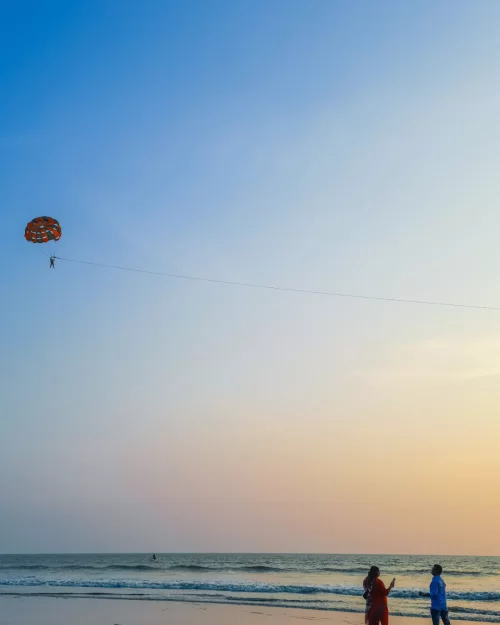
Parasailing involves being lifted above the sea using a canopy attached to a towing boat.
Age, weight, health and weather restrictions apply, and participation is not suitable for everyone.
Families should confirm whether children are permitted and whether the operator has appropriate equipment and permissions.
Best for: Eligible older participants seeking adventure.
Selected providers arrange snorkelling and scuba diving experiences at suitable offshore locations.
These activities require careful attention to medical conditions, participant eligibility, professional supervision and underwater safety.
Scuba diving programmes have specific age and training requirements that vary by programme and certification organisation.
Best for: Eligible older children, teenagers and adults under qualified supervision.
Selected operators offer sightseeing trips to coastal viewpoints and small coves.
Routes and landing permissions depend on weather and sea conditions.
Families should avoid operators who overload boats or proceed despite unsafe conditions.
Best for: Families interested in scenery rather than high-speed activities.
These are broad budgeting estimates, not verified current prices.
Travel recommendation: For families with young children, an appropriately operated Mandovi River cruise is often a more practical choice than high-speed water sports. Families with older children can consider kayaking or other activities after checking eligibility, weather conditions and operator safety standards.
Goa's historical attractions offer valuable learning opportunities for children. Portuguese-era forts, historic churches, museums and traditional neighbourhoods help families explore the region's maritime history, architecture and cultural heritage. These attractions are particularly suitable for school-age children and teenagers, although parents should consider walking distances, heat and accessibility when planning visits.
Fort Aguada is one of Goa's most recognised historical landmarks. Built during the Portuguese period, it formed part of the region's coastal defence system.
Families can explore accessible areas and enjoy scenic views while learning about Goa's maritime history.
Educational value: Coastal defence, Portuguese history and historical architecture.
Chapora Fort is situated on a hill overlooking the surrounding coastline and Chapora River region.
The fort is known for its panoramic views and historical remains.
Reaching the site involves an uphill approach, making it less suitable for strollers, very young children or travellers with limited mobility.
Educational value: Fort architecture, geography and regional history.
Reis Magos Fort overlooks the Mandovi River and has been restored as a heritage attraction.
Families can explore suitable exhibitions and historical spaces while learning about Goa's past.
Check current visiting arrangements and accessibility before travelling.
Educational value: Historical preservation, art and cultural heritage.
The Basilica of Bom Jesus is a major religious and historical landmark in Old Goa and forms part of the area's UNESCO-listed heritage.
It is associated with the relics of St Francis Xavier and is known for its historical and architectural significance.
Children can learn about Goa's religious history and the importance of preserving heritage buildings.
Educational value: Architecture, religion and world heritage.
Se Cathedral is one of Old Goa's most important historical churches and is known for its impressive scale and architectural features.
Families can include it in the same sightseeing circuit as the Basilica of Bom Jesus.
Visitors should dress respectfully and avoid disturbing religious activities.
Educational value: Architecture, colonial history and religious heritage.
The Church of St Francis of Assisi is another important landmark within Old Goa's historic church complex.
Its architecture and surrounding heritage setting can help children understand Goa's historical development.
Access to associated museum spaces may be subject to separate operating arrangements.
Educational value: Art, architecture and heritage conservation.
Cabo de Rama Fort is situated on a coastal headland in South Goa and offers views of the Arabian Sea.
Families with older children may enjoy exploring accessible sections of the historic fort.
Parents must supervise children closely near uneven surfaces, damaged structures and exposed viewpoints.
Educational value: Regional history, geography and coastal defence.
Fontainhas is a historic neighbourhood in Panaji known for its colourful houses, narrow streets and distinctive architectural character.
Families can take a short walk through public streets and discuss Goa's cultural influences.
Children should be reminded to respect residents and avoid touching or entering private property.
Educational value: Architecture, urban heritage and local culture.
Chandor is known for its traditional houses and historical associations.
Selected heritage properties may offer visits by prior arrangement.
Older children interested in architecture and history may find these experiences rewarding.
Educational value: Traditional architecture and local heritage.
Big Foot in Loutolim is a cultural attraction associated with traditional Goan village life and heritage displays.
It can be a useful educational outing for children interested in regional customs, occupations and everyday history.
Educational value: Folk culture, traditional livelihoods and local history.
Travel recommendation: Old Goa is one of the best destinations for a family heritage outing because several major historical landmarks are located relatively close together. Families with older children can also explore Fort Aguada, Reis Magos Fort and selected heritage museums.
Goa's natural attractions extend beyond its beaches and include forests, rivers, mangroves, bird habitats, spice plantations and waterfalls. These places offer families opportunities to learn about biodiversity, conservation and regional agriculture. However, wildlife sanctuaries and forest trails may involve uneven paths, insects, heat and limited facilities, so activities should be chosen according to children's ages and physical abilities.
Dr Salim Ali Bird Sanctuary is located on Chorao Island near Panaji and protects important mangrove habitats.
Families interested in birdwatching can explore authorised visitor experiences and learn about wetland ecosystems.
Access and guided boat arrangements may vary according to tides, weather and current permissions.
Best for: School-age children, birdwatching and nature education.
Bhagwan Mahavir Wildlife Sanctuary protects a large forested landscape in eastern Goa.
It offers opportunities to appreciate forest ecosystems and learn about wildlife conservation.
Families should follow designated routes and use authorised guides where required.
Best for: Older children and families interested in forests.
Cotigao Wildlife Sanctuary is situated in southern Goa and is known for its forest habitats and birdlife.
Families can consider suitable nature experiences depending on access conditions and children's stamina.
Wildlife sightings are unpredictable and should not be treated as guaranteed attractions.
Best for: Nature-loving families and older children.
Bondla is a relatively compact protected area in Goa's interior and has historically offered visitor-oriented nature facilities.
It can be considered for families interested in wildlife education and forest surroundings.
Specific facilities, including any animal enclosures or educational exhibits, should be checked for current availability before travelling.
Best for: Families seeking a manageable nature excursion.
Netravali Wildlife Sanctuary protects important forest habitats in South Goa.
It is better suited to families with older children who are comfortable with longer road journeys and outdoor environments.
Some routes may require permissions or guides, and access can be restricted during unsafe weather.
Best for: Nature enthusiasts and guided forest experiences.
Goa's spice plantations provide opportunities to learn about the cultivation of tropical plants and traditional agricultural practices.
Selected plantations in the Ponda region offer guided experiences, although programmes and facilities differ.
Children can learn how spices grow and how plants are used in local cuisine.
Best for: Educational family outings.
Sahakari Spice Farm is a recognised plantation attraction in the Ponda region.
Visitors may be able to join guided plantation experiences and learn about spice cultivation, depending on current arrangements.
Confirm operating hours, meals, accessibility and child charges before visiting.
Best for: Families interested in agriculture and food culture.
Tropical Spice Plantation is another established plantation attraction associated with the Ponda region.
Families can enquire about guided visits and educational experiences involving tropical plants and spices.
Actual programmes and inclusions should be confirmed before booking.
Best for: Children interested in plants and nature.
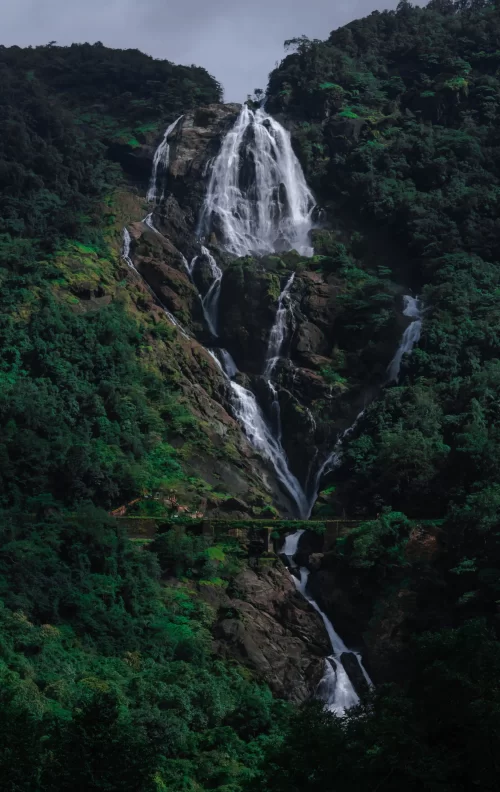
Dudhsagar Waterfalls is one of Goa's most famous natural attractions, located in the forested interior near the Goa-Karnataka border.
The waterfall offers impressive scenery, but visiting can involve long transfers, regulated access and potentially uneven conditions.
It is not suitable for every family, especially those with infants, limited mobility or children uncomfortable with long journeys.
Access can be suspended during heavy rainfall or unsafe conditions.
Best for: Families with older children who can manage a full-day excursion.
The Butterfly Conservatory of Goa, associated with the Ponda region, is a nature-focused attraction where visitors may learn about butterflies and their habitats.
Families should check current opening arrangements and whether guided visits are available.
Best for: Children interested in insects and biodiversity.
Galgibaga Beach in South Goa is associated with sea turtle nesting habitats.
Families can learn about coastal conservation while enjoying the natural scenery from permitted areas.
Visitors must not disturb nesting sites, approach turtles or use bright lights near protected areas.
Best for: Nature education and responsible coastal sightseeing.
Travel recommendation: Families with younger children may prefer a spice plantation or a shorter nature outing. Birdwatching and wildlife sanctuaries are rewarding for older children, while Dudhsagar should be considered only when the family's stamina, access conditions and transport arrangements make the excursion suitable.
Indoor attractions are useful for families visiting Goa during hot afternoons, rainy weather or days when outdoor activities are unsuitable. Museums, cultural centres and educational attractions allow children to learn about aviation, art, history and regional traditions. Some attractions are fully indoors, while others combine indoor exhibitions with outdoor displays, so families should check facilities before visiting.
The Naval Aviation Museum near Dabolim is one of Goa's most distinctive educational attractions.
It features exhibits associated with Indian naval aviation, including aircraft and aviation-related displays.
Children interested in aeroplanes, engineering and defence history may particularly enjoy the experience.
Some displays are outdoors, so sun protection may still be necessary.
Best for: School-age children and teenagers.
The Museum of Christian Art presents collections associated with Goa's religious and artistic heritage.
Families can explore historical objects and learn about the relationship between art, craftsmanship and regional history.
It can be combined with a visit to Old Goa's famous churches.
Best for: Older children interested in history and art.
The Goa State Museum is associated with collections covering archaeology, history, art and cultural heritage.
However, museum location, exhibition access and operating arrangements may change, so families should verify where collections are currently available before planning a visit.
Best for: Educational sightseeing and regional history.
Goa Science Centre near Miramar is a popular educational attraction associated with interactive science exhibits and learning activities.
Children can explore scientific concepts through suitable displays and programmes, depending on what is currently operating.
Some facilities may be outdoors, and special shows may have separate timings or charges.
Best for: School-age children and families interested in science.
Big Foot in Loutolim introduces visitors to aspects of traditional Goan culture and village life.
Families can explore cultural displays and learn about local occupations, traditions and heritage.
The attraction includes outdoor elements, so it should not be treated as a completely indoor rainy-day option.
Best for: Cultural learning and family sightseeing.
The Museum of Goa is a contemporary art attraction in the Pilerne area of North Goa.
It provides opportunities for families to experience art and creative expression through exhibitions and installations.
Parents should check whether particular exhibitions or programmes are suitable for younger children.
Best for: Creative children, teenagers and art enthusiasts.
Houses of Goa is an architectural museum associated with the Porvorim area and traditional Goan house design.
It can introduce older children to architectural styles, building materials and cultural influences.
Families should confirm current visiting arrangements and accessibility before travelling.
Best for: Architecture, design and cultural education.
Selected galleries and cultural centres in Goa host exhibitions featuring paintings, photography, sculpture and regional art.
These can be useful alternatives when beach activities are restricted by weather.
Exhibition schedules vary, and some venues may have limited opening days.
Best for: Older children and teenagers interested in creativity.
Selected hotels, resorts and commercial establishments in Goa may offer indoor play spaces or organised children's activities.
Facilities vary widely, and not all are open to visitors who are not staying at the property.
Parents should confirm age limits, supervision, hygiene standards and charges.
Best for: Toddlers and younger children.
Some resorts provide children's programmes, indoor games, creative workshops or other organised activities.
These can be useful during rainy weather or when families want a break from sightseeing.
Check whether childcare, activity supervision and participation are included in the accommodation tariff.
Best for: Families seeking convenient activities near their rooms.
Selected culinary providers may arrange cooking experiences where participants learn about Goan ingredients and regional dishes.
Some sessions may be suitable for older children when accompanied by adults.
Parents should confirm minimum age, kitchen safety measures and dietary requirements.
Best for: Older children and families interested in food culture.
Travel recommendation: Goa Science Centre and the Naval Aviation Museum are particularly interesting for children who enjoy science and technology. Families interested in art and history can explore the Museum of Christian Art, Museum of Goa and other heritage attractions according to their location.
A family holiday in Goa is easier to enjoy when sightseeing is divided into manageable areas. North Goa, Panaji, Old Goa and South Goa contain attractions that can involve substantial travel time between them. Families with young children should avoid planning too many distant stops on the same day. A three-day itinerary can cover major highlights, while five days allow a more relaxed combination of beaches, history, nature and educational experiences.
This itinerary is suitable for families who want to experience Goa's beaches, historical landmarks and organised activities without rushing through every attraction.
Families with toddlers may prefer spending more time at one beach rather than visiting multiple coastal locations.
Check church access, museum hours and cruise schedules before finalising the day.
Families staying in North Goa should account for the longer journey to South Goa. If children are tired, replace this outing with a nearby spice plantation or museum visit.
Five days allow families to enjoy Goa at a more comfortable pace and include additional cultural or nature-based experiences.
A relaxed first day is particularly helpful when travelling with young children or senior citizens.
Families interested in birdwatching may choose a suitable nature excursion instead of the plantation, subject to weather and access conditions.
If departure is early or the accommodation is far from South Goa, keep the final day free of major sightseeing.
Travel recommendation: Three days are enough for a brief introduction to Goa's beaches, heritage and family entertainment. Five days provide a more comfortable holiday, especially for families travelling with toddlers, school-age children or senior citizens.
The best time to visit Goa with children depends on the family's preferred activities, tolerance for heat and travel budget. Weather conditions influence beach safety, outdoor sightseeing, boat excursions and water sports. Families should also consider school holidays, crowd levels, accommodation facilities and the ages of children when choosing travel dates.
November to February is generally the most comfortable period for a family holiday in Goa. The weather is usually suitable for beach walks, historical sightseeing, outdoor dining and selected organised activities.
December and early January can be particularly busy because of holiday travel demand, which may increase accommodation costs and crowd levels.
October and March can also be suitable, although temperatures, humidity and seasonal conditions vary.
Goa becomes hotter and more humid during the summer months. Outdoor sightseeing can be uncomfortable for young children, especially during midday.
Families should plan beach visits and fort sightseeing during cooler hours and use museums or other indoor attractions in the afternoon.
Carry sufficient drinking water and protect children from prolonged sun exposure.
The southwest monsoon brings substantial rainfall, rough sea conditions and occasional travel disruptions.
Swimming and many sea-based water sports are restricted or suspended during unsafe conditions.
Families visiting during the monsoon should focus on suitable indoor attractions, cultural experiences and weather-permitted sightseeing.
Forest trails, waterfalls and coastal roads may also be affected by heavy rainfall.
The following figures are broad budgeting estimates rather than verified current prices. Actual charges depend on the provider, season, location and age of participants.
There is no single age rule covering every recreational activity in Goa. Operators and activities may have different eligibility requirements based on safety standards, equipment and local permissions.
Parents should confirm the exact requirements directly with the authorised activity provider before paying.
India's emergency response number is 112. Families should also keep the hotel's contact information and details of nearby medical facilities available.
Goa offers an excellent combination of beaches, educational attractions, heritage sightseeing, nature experiences and organised entertainment for families. Candolim, Calangute, Colva and Benaulim are practical choices for beach outings, while Old Goa, Panaji and the Ponda region offer historical, scientific and cultural experiences.
For families with young children, focus on relaxed beach visits, museums and short sightseeing journeys. Families with older children can add eligible guided water activities, wildlife experiences and longer heritage excursions.
A three-day itinerary is suitable for a short family break, while five days allow more time for relaxation and exploration. Choose activities according to children's ages, confirm seasonal availability and prioritise safety and comfort throughout the holiday.


Get customized Delhi tour planning designed around traffic flow, seasonal weather comfort, heritage site exploration time, and realistic city pacing. Whether you are visiting for historical monuments, cultural experiences, food walks, shopping districts,
⚡ Quick Response | 💰 Free consultation | 🕒 24×7 expert support

