
Best Hidden and Less Crowded Beaches in Goa
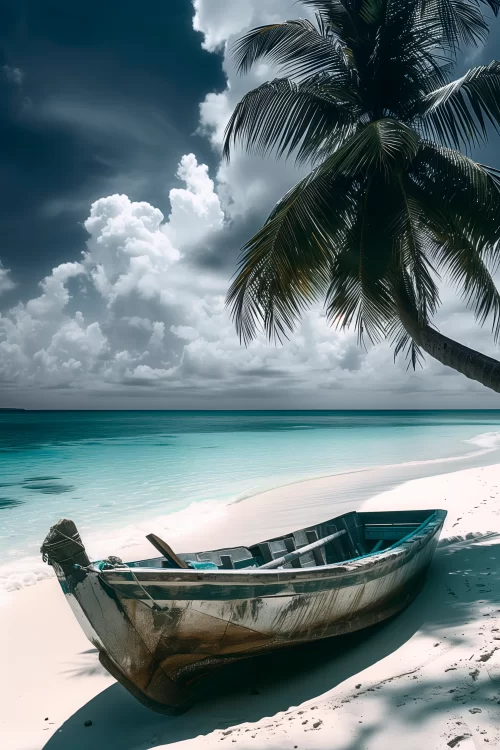
Discover quieter beaches in Goa away from the busiest tourist areas, with insights into secluded coastal spots, accessibility, facilities and tips for peaceful beach outings.
+91 9910402252
admin@chalbanjare.com


Explore North Goa's popular beaches, historic forts, lively markets and cultural attractions, with practical guidance on sightseeing routes, local transport and planning your visit.
North Goa is famous for its beaches, historic forts, colourful markets, cultural landmarks and entertainment areas. Its main tourist attractions are spread across the Bardez, Pernem and Tiswadi regions, including popular coastal destinations and the historic city of Panaji.
Most first-time visitors explore the Calangute, Baga, Candolim, Anjuna and Vagator areas. Travellers interested in quieter surroundings can continue towards Morjim, Ashwem, Mandrem and Arambol, while heritage enthusiasts can visit Old Goa, Panaji and the forts overlooking the Mandovi River.
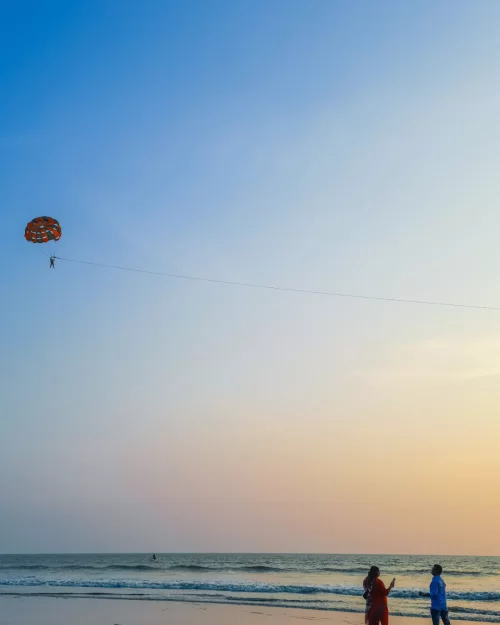
Baga Beach is one of North Goa's most popular tourist destinations, known for its lively atmosphere, restaurants, nightlife and seasonal water sports.
The beach attracts visitors interested in parasailing, jet skiing, beachside dining and evening entertainment. Activities depend on sea conditions and official permissions.
Calangute Beach is one of the best-known beaches in Goa and is often called the Queen of Beaches.
It features a broad sandy shoreline, restaurants, shops and numerous tourist facilities.
The beach is particularly suitable for first-time visitors who want convenient access to accommodation, transport and dining options.
Candolim Beach is located south of Calangute and is known for its long sandy coastline and comparatively relaxed atmosphere.
It is convenient for visitors staying near Fort Aguada and Sinquerim Beach.
The area offers restaurants, accommodation and seasonal beach activities.
Anjuna Beach is recognised for its rocky shoreline, beachside cafés and long association with Goa's alternative travel culture.
The nearby Anjuna Flea Market is a popular shopping attraction during its operating season.
Visitors can enjoy photography, shopping and coastal views, but should exercise caution around rocks and strong currents.
Vagator Beach is known for its dramatic cliffs, rocky surroundings and scenic views of the Arabian Sea.
It is located close to Chapora Fort, making the two attractions convenient to combine.
Visitors can explore the beach and enjoy coastal photography from safe viewpoints.
Chapora Fort is a historic hilltop fort overlooking the Chapora River and the surrounding coastline.
It is popularly associated with the Hindi film Dil Chahta Hai.
The fort offers panoramic views, but reaching the top requires a short uphill walk over uneven ground.
Fort Aguada is a seventeenth-century Portuguese fort located near Sinquerim Beach.
It was constructed to defend the coastline and the entrance to the Mandovi River.
The fort is known for its historic lighthouse, coastal setting and surviving defensive structures.
Reis Magos Fort overlooks the Mandovi River near Panaji.
The restored fort contains historical displays and offers views of the river and surrounding cityscape.
It is a good option for visitors who want to explore Goa's history away from the busiest beach areas.
The Basilica of Bom Jesus is an important historic church in Old Goa.
It is associated with the relics of St Francis Xavier and forms part of the UNESCO-listed Churches and Convents of Goa.
Visitors interested in architecture and religious heritage should include it in their North Goa itinerary.
Se Cathedral is one of Goa's most significant historic churches.
Its impressive scale and Portuguese-era architecture make it an important attraction in Old Goa.
It can be visited alongside the Basilica of Bom Jesus and other nearby monuments.
Fontainhas is a historic neighbourhood in Panaji known for its colourful Portuguese-influenced houses, narrow streets and traditional architecture.
It is particularly popular for heritage walks and photography.
Visitors should respect the privacy of residents and avoid entering private properties.
This famous white church is one of Panaji's most recognisable landmarks.
Its prominent staircase and distinctive architecture attract tourists and photographers.
Visitors should follow religious-site rules and avoid disturbing ongoing services.
Dona Paula is a popular coastal sightseeing destination near Panaji.
It is known for scenic views over the surrounding estuarine waters and the Arabian Sea.
Visitors can combine Dona Paula with Miramar Beach and Panaji sightseeing.
Morjim Beach is known for its broad sandy shoreline and importance as a sea turtle nesting habitat.
It offers a comparatively relaxed atmosphere compared with Baga and Calangute.
Visitors should respect protected nesting areas and avoid disturbing wildlife.
Arambol Beach is known for its relaxed coastal atmosphere, beach cafés and alternative travel culture.
It is popular among travellers seeking a different experience from the main resort areas.
The surrounding coastline offers scenic views and quieter stretches.
Dr Salim Ali Bird Sanctuary is located on Chorao Island in the Mandovi estuary.
It protects mangrove habitats and provides opportunities for birdwatching.
Visitor access and boat arrangements depend on local conditions and regulations.
Divar Island is known for its quiet village roads, churches, traditional houses and river landscapes.
It is a suitable destination for travellers interested in rural Goa and cultural experiences beyond the beaches.
Access generally involves ferry connections.
Travel recommendation: First-time visitors should focus on the Baga, Calangute, Candolim, Anjuna and Vagator coastal belt, then include Fort Aguada, Chapora Fort and Old Goa's heritage attractions. Allow at least two to three days for a comfortable introduction to North Goa.
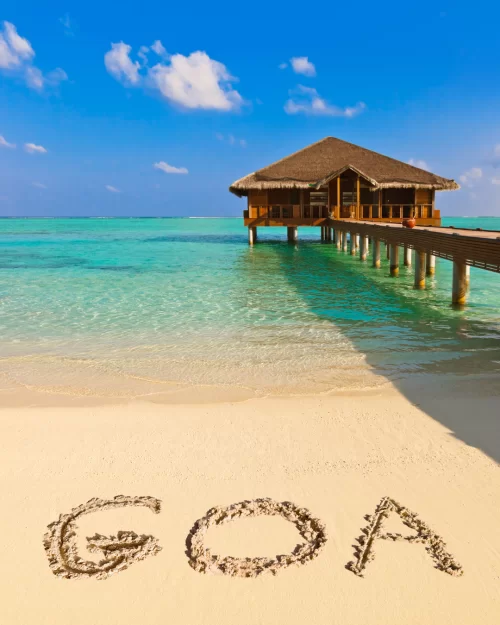
North Goa is home to some of India's most famous beaches. The coastline offers lively tourist destinations, scenic cliffs, relaxed sandy shores and quieter beaches further north. Choosing the right beach depends on whether visitors prefer nightlife, water sports, family facilities, photography or peaceful surroundings.
Baga Beach is one of North Goa's busiest tourist beaches, particularly during the winter season.
It is popular for restaurants, nightlife and seasonal water activities such as parasailing and jet skiing.
Visitors should choose authorised operators and follow lifeguard instructions.
Calangute Beach is known for its broad sandy shoreline and established tourist facilities.
It offers restaurants, shops, accommodation and access to nearby beach destinations.
It can become crowded during weekends and holidays.
Anjuna Beach is known for its rocky coastal sections, beach cafés and market culture.
The nearby Anjuna Flea Market is traditionally associated with Wednesdays during the main tourist season.
Visitors should avoid swimming near rocky sections or when sea conditions are unsafe.
Vagator Beach is famous for its scenic cliffs and dramatic coastal surroundings.
Its proximity to Chapora Fort makes it ideal for a combined sightseeing outing.
Visitors can enjoy photography and coastal views from safe areas.
Candolim Beach offers a long sandy shoreline and a generally more relaxed atmosphere than Baga.
It is convenient for visitors staying near Fort Aguada and Sinquerim.
Beachside restaurants and accommodation are available in the surrounding area.
Sinquerim Beach lies close to Fort Aguada and is known for its coastal views.
It is suitable for combining a beach visit with historical sightseeing.
Seasonal water activities may be available when permitted.
Ozran Beach, also called Little Vagator, is a smaller coastal area near Vagator.
It is known for rocky scenery and beachside establishments.
Access can involve steps and uneven paths, making it less suitable for some visitors with mobility limitations.
Morjim Beach is known for its broad sandy shoreline and ecological importance as a sea turtle nesting area.
It is generally less crowded than the main Baga-Calangute belt.
Visitors should avoid disturbing protected nesting sites and sensitive coastal habitats.
Ashwem Beach offers a relatively peaceful setting with sandy shores and relaxed dining options.
It is popular among couples and travellers seeking a quieter coastal experience.
Tourist activity increases during the peak season.
Mandrem Beach is known for its long sandy stretches and relaxed atmosphere.
It is suitable for peaceful walks, photography and enjoying the coastal landscape.
Visitors should respect local habitats and follow beach safety instructions.
Arambol Beach is known for its creative travel culture, cafés and scenic coastal surroundings.
It attracts visitors interested in relaxed beach experiences and local community activities.
The area can become busy during the winter tourist season.
Querim Beach, also known as Keri Beach, is situated near Goa's northern boundary.
It is known for its comparatively quiet setting and views near the Tiracol River mouth.
Strong currents can make swimming dangerous, so visitors should remain cautious.
Water-sports availability depends on seasonal permissions, weather and sea conditions.
Beach recommendation: Choose Baga for nightlife, Calangute for popular tourist facilities, Anjuna for shopping and cafés, Vagator for scenic views and Ashwem or Mandrem for a quieter beach experience.
North Goa has several important historical forts that reflect its maritime and colonial past. These fortifications were constructed or expanded to protect coastal settlements, monitor river entrances and defend strategic positions. Today, they attract visitors interested in architecture, history, photography and scenic viewpoints.
Fort Aguada is one of North Goa's most famous heritage attractions, located near Sinquerim Beach.
Completed in 1612, the fort was built by the Portuguese to defend the entrance to the Mandovi River and protect ships approaching the coastline.
Its name is associated with the freshwater supply once available to passing vessels.
Visitors should distinguish between the main historic fort, the lighthouse area and any separately managed attractions because access arrangements may differ.
Chapora Fort is situated on a hill overlooking the Chapora River, Vagator Beach and the surrounding coastline.
The site has a long military history, and the surviving fortifications are associated with Portuguese rebuilding in the early eighteenth century.
It became widely recognised among Indian tourists after appearing in the film Dil Chahta Hai.
Visitors should wear suitable footwear, carry water and avoid unsafe cliff edges.
Reis Magos Fort overlooks the Mandovi River from its northern bank, opposite Panaji.
The fort was established during the Portuguese period and later served different administrative and military purposes.
After restoration, it became a heritage and cultural attraction with historical displays.
Tiracol Fort, also called Terekhol Fort, stands near the Tiracol River at Goa's northern coastal boundary.
The fort occupies a scenic location overlooking the river mouth and Arabian Sea.
It has been adapted for hospitality use, so tourist access to different sections may be restricted.
Visitors should confirm current entry arrangements before travelling.
Corjuem Fort is a small historic fort in the Aldona area of North Goa.
It is associated with Portuguese-era military history and is less crowded than the major coastal forts.
Visitors can explore the surviving fortifications and surrounding rural landscape.
Access and safety conditions should be checked before visiting.
Chapora Fort is particularly popular for panoramic views of Vagator Beach and the Chapora River.
Fort Aguada offers attractive views of the Arabian Sea, while Reis Magos Fort provides scenic views across the Mandovi River towards Panaji.
Yes. Fort Aguada and Chapora Fort can be combined in one North Goa sightseeing day.
Visitors can explore Fort Aguada in the morning and continue towards Anjuna, Vagator and Chapora Fort later.
Allow sufficient travel time because traffic can be heavy during weekends and peak tourist periods.
Heritage recommendation: Visit Fort Aguada for Portuguese coastal history, Chapora Fort for panoramic views and Reis Magos Fort for a restored heritage experience. These three attractions provide a useful introduction to North Goa's fort architecture.
North Goa has a rich cultural history shaped by Hindu traditions, Portuguese colonial rule, Christian religious institutions and local Goan communities. Its historic churches, temples, old neighbourhoods and museums offer important sightseeing experiences beyond the beaches.
The Basilica of Bom Jesus is one of Goa's most important Christian religious landmarks.
It is associated with the relics of St Francis Xavier and forms part of the UNESCO World Heritage Site known as the Churches and Convents of Goa.
The church is known for its historic architecture and religious significance.
Se Cathedral is one of the most prominent historic churches in Old Goa.
It is known for its large scale and Portuguese-era architecture.
Visitors can explore the cathedral alongside other nearby religious monuments.
The Church of St Francis of Assisi is another important monument within the Old Goa heritage area.
It reflects Portuguese-era religious architecture and is associated with the wider UNESCO-listed historic complex.
Visitor access to different sections may depend on conservation and museum arrangements.
The Church of St Cajetan is known for its impressive dome and European-influenced architecture.
It is located in Old Goa and can be included in a church heritage itinerary.
This famous white church is one of Panaji's most recognisable landmarks.
Its prominent staircase and distinctive architecture make it a popular photography attraction.
Visitors should respect worship services and any restrictions on tourist entry.
Reis Magos Church is a historic church located near Reis Magos Fort.
It is associated with Goa's Portuguese religious history and offers an interesting cultural stop alongside the fort.
Visitors should confirm opening arrangements before travelling.
Shri Devaki Krishna Temple in Marcel is an important Hindu religious site in North Goa.
It is associated with the worship of Devaki and Krishna and reflects local religious traditions.
Visitors should follow temple dress and photography rules.
Shri Saptakoteshwar Temple is a historic Hindu temple dedicated to Lord Shiva, located in the Narve area.
The temple is associated with the religious history of Goa and the Maratha period.
It is a worthwhile destination for visitors interested in traditional Goan temple architecture.
Shri Mahalaxmi Temple in Panaji is an important Hindu temple dedicated to Goddess Mahalaxmi.
It provides an opportunity to experience local religious traditions within the city.
Visitors should dress modestly and respect worshippers.
Maruti Temple is a Hindu temple dedicated to Lord Hanuman, located in the Altinho area of Panaji.
Its elevated setting and distinctive architecture make it a recognisable local landmark.
Access may involve an uphill approach.
Fontainhas is a historic neighbourhood in Panaji known for colourful Portuguese-influenced houses, narrow streets and traditional architecture.
It is particularly suitable for walking tours and photography.
Visitors should respect residents' privacy and avoid entering private properties.
The former Adil Shah's Palace is an important historical building associated with Goa's pre-Portuguese and colonial past.
It has served different administrative purposes over time.
Public access may be restricted, so visitors should confirm current arrangements.
The Museum of Christian Art presents religious artworks and objects associated with Goa's Christian artistic heritage.
It helps visitors understand the interaction between European religious traditions and local craftsmanship.
Separate admission charges and opening hours may apply.
The Archaeological Museum in Old Goa contains exhibits associated with the region's history and Portuguese period.
It is suitable for visitors interested in historical artefacts, portraits and cultural heritage.
Confirm current access and ticket arrangements before travelling.
Villages such as Aldona, Saligao and parts of the Divar Island region offer examples of traditional Goan houses, churches, local markets and rural landscapes.
These areas provide a quieter cultural experience than the major tourist beaches.
Visitors should respect local communities and private property.
Cultural recommendation: Combine the Basilica of Bom Jesus, Se Cathedral and nearby Old Goa monuments in one heritage outing. Explore Fontainhas and Panaji's historic churches or temples separately for a broader understanding of North Goa's cultural heritage.
North Goa offers several lesser-known attractions beyond Baga, Calangute and Anjuna. Travellers seeking peaceful surroundings can explore quieter beaches, traditional villages, mangrove forests, birdwatching areas and scenic inland destinations.
Some hidden attractions have limited tourist facilities, difficult access routes or seasonal restrictions. Visitors should plan transport carefully and avoid entering unsafe or protected areas without permission.
Ashwem Beach is known for its broad sandy shoreline, relaxed atmosphere and beachside dining options.
It is generally quieter than the main Baga-Calangute tourist belt.
The beach is suitable for couples and travellers seeking peaceful coastal surroundings.
Mandrem Beach offers a long sandy coastline and a comparatively relaxed atmosphere.
It is popular for peaceful walks and photography.
Visitors should respect sensitive coastal habitats and avoid disturbing wildlife.
Querim Beach lies near Goa's northern coastal boundary.
It is known for its quiet setting and scenic views near the Tiracol River mouth.
Strong currents can make swimming dangerous, so visitors should remain cautious.
Morjim Beach is an important coastal habitat associated with sea turtle nesting.
It is known for its wide sandy shoreline and comparatively relaxed atmosphere.
Visitors should avoid protected nesting zones and follow wildlife conservation rules.
Ozran Beach is a smaller coastal destination near Vagator.
It offers rocky scenery and a distinctive coastal landscape.
Access may involve steps and uneven terrain.
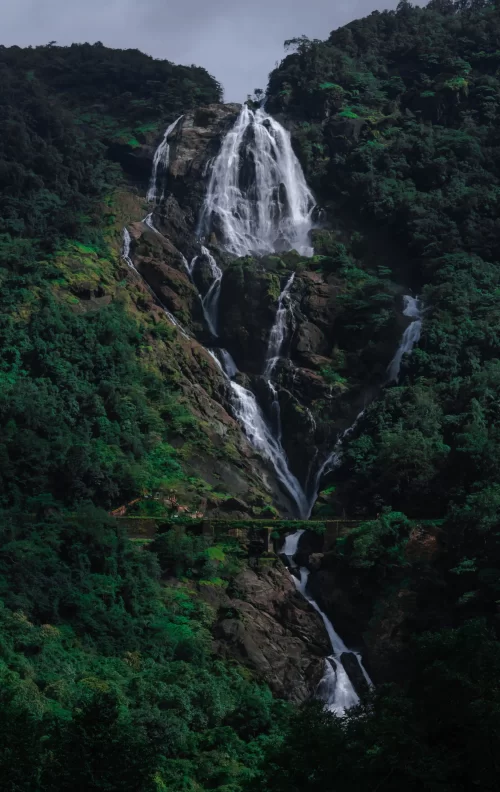
Harvalem Waterfall, also called Arvalem Waterfall, is located near Sanquelim in North Goa.
It is a scenic waterfall that can be visited alongside nearby historical attractions.
Water flow changes seasonally, and the surrounding area may become slippery during rainfall.
The Arvalem Caves are rock-cut chambers near Sanquelim.
Their original use and precise historical dating remain subjects of discussion.
They offer an interesting stop for travellers exploring inland North Goa.
Dr Salim Ali Bird Sanctuary is located on Chorao Island in the Mandovi estuary.
It protects mangrove habitats and provides opportunities to observe birds and other estuarine wildlife.
Birdwatching depends on tides, season and weather conditions.
Boat excursions may require authorised local arrangements.
Divar Island is known for its quiet village roads, churches, traditional houses and river scenery.
It offers a peaceful alternative to North Goa's busy beach destinations.
Visitors generally reach the island through ferry services.
Chorao Island is known for its rural landscape and proximity to the Dr Salim Ali Bird Sanctuary.
It is suitable for visitors interested in nature, birdwatching and traditional village surroundings.
Ferry schedules and local transport availability should be checked before travelling.
Corjuem Fort is a small historical fort located in the Aldona area.
It is less crowded than major coastal forts and offers an opportunity to explore Goa's inland heritage.
Visitors should remain cautious around uneven surfaces and old structures.
Aldona is a scenic village known for traditional houses, churches and river landscapes.
It is suitable for visitors interested in slower-paced sightseeing and local culture.
Respect private homes and avoid entering residential properties without permission.
Saligao is known for its traditional village setting and the distinctive Mae de Deus Church.
It is a convenient cultural stop for travellers staying around Calangute or Candolim.
The village provides an opportunity to explore Goa's heritage away from busy beach roads.
Mayem Lake is an inland attraction in North Goa, surrounded by green landscapes.
It offers a change from the coastal scenery of the main beach areas.
Visitor facilities and boating arrangements may change, so check current availability.
Chorla Ghat is a scenic hill region near Goa's northeastern boundary.
It is known for forested slopes, seasonal waterfalls and biodiversity.
Road conditions and visibility may deteriorate during heavy monsoon rain.
Visitors should avoid unsafe roadside stops and restricted forest areas.
Hidden-gem recommendation: Choose Ashwem or Mandrem for peaceful beaches, Harvalem Waterfall for inland scenery and Divar or Chorao Island for nature and traditional village experiences. These attractions are best explored with a relaxed schedule and suitable transport arrangements.
North Goa is one of India's best-known destinations for beach entertainment, shopping markets, restaurants and adventure activities. Baga, Calangute, Anjuna and Vagator are particularly popular for nightlife and tourism, while selected beaches offer seasonal water sports.
Baga Beach is famous for its lively evening atmosphere, restaurants, bars and entertainment venues.
The surrounding Tito's Lane area is associated with North Goa's nightlife.
Visitors should check individual venue timings, entry policies and age restrictions before planning an evening.
Tito's Lane near Baga is a well-known nightlife area with bars, restaurants and entertainment establishments.
Venue availability and operating arrangements may change.
Visitors should use reliable transport and avoid driving after consuming alcohol.
Anjuna is associated with Goa's alternative travel and music culture.
The area contains beachside cafés, restaurants and entertainment venues.
Events and operating hours vary according to the season and local regulations.
Vagator is known for its coastal scenery, restaurants and nightlife establishments.
It is popular among travellers seeking a combination of scenic views and evening entertainment.
Visitors should confirm reservations and venue policies during peak tourist periods.
Candolim offers a wide range of restaurants, cafés and evening dining options.
It is generally suitable for visitors who prefer a more relaxed atmosphere than the busiest Baga nightlife areas.
Anjuna Flea Market is one of North Goa's best-known tourist markets.
It is traditionally associated with Wednesdays during the main tourist season.
Visitors can browse clothing, jewellery, accessories, handicrafts and souvenirs.
Market dates and operating arrangements should be confirmed before travelling.
Arpora is associated with seasonal Saturday night market events featuring shopping, food and entertainment.
These markets are particularly popular during the winter tourist season.
Operating dates, locations, entry arrangements and event schedules may vary.
Mapusa Market is an important local commercial centre in North Goa.
It is known for vegetables, spices, household products, clothing and regional goods.
Friday is traditionally a particularly active market day.
It provides a more local shopping experience than tourist-focused beach markets.
Panaji offers shopping streets and markets selling clothing, local food products, handicrafts and everyday goods.
Visitors can combine shopping with Fontainhas and city sightseeing.
Baga Beach is a popular location for seasonal water activities.
Depending on permissions and sea conditions, visitors may find parasailing, jet skiing and other organised activities.
Choose authorised operators and confirm safety equipment before participating.
Calangute Beach is another well-known destination for seasonal water sports.
Visitors should compare operator arrangements and confirm what is included in the quoted price.
Activities may be suspended during rough seas or official restrictions.
Candolim and Sinquerim may offer water activities through authorised operators during suitable conditions.
These beaches can be convenient for travellers staying near Fort Aguada.
Availability varies by season and weather.
Boat excursions may be available from selected North Goa coastal areas and river locations.
Some operators advertise dolphin-watching experiences, but wildlife sightings cannot be guaranteed.
Choose responsible operators who maintain a safe distance from marine animals and follow applicable rules.
River cruises from the Panaji area are popular evening activities.
Different operators offer sightseeing and entertainment-oriented experiences.
Prices, departure locations, schedules and inclusions vary.
Water-sports prices vary according to the activity, operator, season and duration.
These are broad planning estimates rather than confirmed rates. Always check the exact activity duration, safety arrangements and total price before paying.
Experience recommendation: Choose Baga for nightlife, Anjuna for flea-market shopping, Mapusa for traditional local markets and Baga or Calangute for seasonal water sports. Travellers seeking a quieter evening can explore Candolim's restaurants and cafés.
North Goa's main attractions can be explored over two or three days, depending on the pace of travel and the locations selected. A two-day itinerary is suitable for visitors with limited time, while three days allow a better balance between beaches, forts, heritage sightseeing and relaxation.
Travellers should group nearby attractions together to reduce driving time. Baga, Calangute, Candolim and Sinquerim are conveniently connected, while Anjuna, Vagator and Chapora Fort form another practical sightseeing cluster.
This itinerary focuses on the main beaches, two famous forts and a few popular coastal attractions.
Overnight stay: North Goa, preferably around Candolim, Calangute or Baga for convenient access.
Travel note: If the second day is also your departure day, reduce sightseeing according to the airport or railway station transfer time.
A three-day itinerary allows visitors to explore beaches and forts while including Old Goa's heritage attractions and Panaji.
Overnight stay: North Goa.
Overnight stay: North Goa.
Travellers who prefer beaches over historical sightseeing can replace the Old Goa and Panaji itinerary with a relaxed northern coastal excursion.
Couples seeking quieter surroundings can substitute Ashwem or Mandrem for the busiest beach destinations.
This itinerary reduces the focus on nightlife and includes cultural sightseeing.
The best accommodation area depends on the planned activities.
Itinerary recommendation: Two days are sufficient for a quick introduction to North Goa's most famous beaches and forts. Three days are better for first-time visitors who also want to explore Old Goa, Panaji and the region's cultural attractions.
North Goa is a year-round travel destination, but weather, sea conditions, accommodation prices and tourist activities vary significantly by season. Planning the right travel period and transport arrangements can make sightseeing more comfortable and help visitors avoid unnecessary expenses.
November to February is generally the most comfortable period for beach holidays, sightseeing and outdoor activities in North Goa.
The weather is usually warm and comparatively dry, making it suitable for exploring beaches, forts, markets and heritage attractions.
However, this is also the peak tourist season, particularly around Christmas and New Year.
December and January are among the busiest months in North Goa.
Baga, Calangute, Anjuna and Vagator attract large numbers of visitors during Christmas, New Year and winter holidays.
Accommodation and transport costs may increase significantly.
Advance booking is recommended for peak holiday dates.
March to May can be hot and humid.
Visitors should schedule fort sightseeing and long walks during the morning or late afternoon.
Carry drinking water, sunscreen, sunglasses and suitable clothing.
June to September brings heavy rainfall and lush green landscapes.
However, rough seas, strong currents and official restrictions can make swimming and water sports unsafe.
Many seasonal beach establishments reduce operations or close during this period.
Travellers interested in monsoon scenery should prioritise safe inland sightseeing and check weather conditions.
Water sports are generally most widely available during the main dry-season tourism period, often from October or November through May.
Actual availability depends on weather, sea conditions, authorised operators and official permissions.
Activities may be suspended at short notice for safety reasons.
Most public beaches in North Goa do not charge a general entry fee. However, forts, museums, boat trips and organised activities may have separate charges.
Entry fees, opening hours and visitor restrictions can change. Confirm current arrangements before travelling.
North Goa is served by Manohar International Airport at Mopa, which is convenient for many northern coastal destinations.
Goa International Airport at Dabolim is another option, although it may involve a longer road transfer to popular North Goa beaches.
Choose the airport based on flight availability, accommodation location and transfer arrangements.
Important railway stations serving North Goa include Thivim and Karmali, along with other stations depending on the train route.
Thivim is commonly used by travellers staying around Calangute, Baga, Anjuna and nearby areas.
Karmali can be convenient for Old Goa and Panaji.
Station suitability depends on the exact hotel location and available train services.
North Goa is connected to Maharashtra, Karnataka and other regions through national highways and regional roads.
Travellers can arrive by private car, intercity bus or hired vehicle.
Travel time depends on the starting location, road conditions and traffic.
North Goa's attractions are spread across different beaches, towns and inland areas.
Visitors can use taxis, private cabs, public buses and properly registered rental vehicles.
Transport availability is generally better around major tourist destinations than in quieter villages.
Scooter rentals are popular among tourists because they offer flexibility for short journeys between beaches.
However, riders must hold a valid driving licence and follow applicable traffic laws.
Use a properly registered rental vehicle, wear an approved helmet and check the vehicle's condition before riding.
Inexperienced riders should consider taxis instead.
Taxis and private cabs are convenient for families, senior citizens and travellers planning multiple sightseeing stops.
Confirm the fare, route, waiting time and any additional charges before beginning the journey.
For full-day sightseeing, clarify whether parking and other expenses are included.
Public buses connect Panaji, Mapusa and several surrounding towns and villages.
They are an economical option but may require transfers and additional walking to reach some beaches.
Travellers with limited time may prefer a private cab for sightseeing.
Daily travel expenses vary according to the season, accommodation category, transport and food preferences.
These are broad planning estimates excluding travel to Goa and major paid excursions. Peak-season costs may be substantially higher.
North Goa is a major tourist destination, but visitors should follow normal travel precautions.
Important risks include unsafe swimming, road accidents, petty theft, excessive heat and unregulated adventure activities.
Use reliable transport, follow local rules and avoid isolated areas late at night.
Yes. North Goa offers beaches, forts, churches, markets and family-friendly accommodation.
Families may prefer Candolim, Sinquerim and selected areas of Calangute for convenient tourist facilities.
Plan shorter sightseeing days and avoid peak afternoon heat.
North Goa offers scenic beaches, coastal viewpoints, cafés and relaxed accommodation.
Couples seeking quieter surroundings may prefer Ashwem, Mandrem, Morjim or selected areas around Vagator.
Those interested in nightlife may prefer Baga or Anjuna.
North Goa can be suitable for senior citizens when accommodation and transport are planned carefully.
Choose hotels with convenient access and avoid steep trails at attractions such as Chapora Fort if mobility is limited.
Private transport and relaxed sightseeing schedules may be more comfortable.
North Goa offers a combination of famous beaches, historic forts, Portuguese-era churches, traditional markets, scenic villages and nightlife.
Baga and Calangute are suitable for lively tourist experiences, while Candolim, Morjim, Ashwem and Mandrem provide comparatively relaxed coastal surroundings.
Fort Aguada, Chapora Fort, Reis Magos Fort, Old Goa and Panaji add historical and cultural variety to a beach holiday.
November to February generally offers the most comfortable weather for sightseeing, although peak-season crowds and accommodation prices can be higher.
Final recommendation: Plan at least two to three days for North Goa. Explore the Baga-Calangute-Candolim coastline, visit Fort Aguada and Chapora Fort, and include Old Goa or Panaji for heritage sightseeing. Choose authorised activities, follow beach safety rules and allow sufficient time for travel between attractions.


Get customized Delhi tour planning designed around traffic flow, seasonal weather comfort, heritage site exploration time, and realistic city pacing. Whether you are visiting for historical monuments, cultural experiences, food walks, shopping districts,
⚡ Quick Response | 💰 Free consultation | 🕒 24×7 expert support

