
Best Hidden and Less Crowded Beaches in Goa
Discover quieter beaches in Goa away from the busiest tourist areas, with insights into secluded coastal spots, accessibility, facilities and tips for peaceful beach outings.
+91 9910402252
admin@chalbanjare.com


Discover family-friendly places to visit in Goa, including beaches, historic forts, nature attractions and cultural landmarks, with practical tips for planning outings with children and adults.
Goa has several family-friendly tourist attractions beyond its beaches. Families can explore coastal viewpoints, Portuguese-era architecture, historic churches, riverside attractions and natural landscapes without making every day physically demanding. The best choice depends on the ages of the children, the mobility of older family members and whether the group prefers sightseeing, outdoor activities or relaxation.
Aguada Fort in North Goa is a popular attraction for families interested in history and coastal scenery. Built by the Portuguese in the early 17th century, the fort overlooks the Arabian Sea and is known for its defensive structures and historic lighthouse.
Families can explore the accessible sections of the fort, enjoy sea views and take photographs. Some areas have uneven surfaces and limited shade, so morning or late-afternoon visits are generally more comfortable, particularly when travelling with children or senior citizens.
Located in Old Goa, the Basilica of Bom Jesus is a UNESCO World Heritage Site component and one of Goa's most important religious landmarks. The church is particularly significant because it houses the mortal remains of St Francis Xavier.
Families can appreciate the historic interiors, religious artwork and architecture while learning about Goa's Portuguese colonial period. Visitors should dress respectfully, maintain silence in prayer areas and follow the site's photography restrictions.
Dona Paula is a coastal sightseeing area near Panaji, known for its views towards the meeting area of the Mandovi and Zuari estuaries and the Arabian Sea. It is suitable for a relatively short family outing rather than an entire day of sightseeing.
The viewpoint is especially pleasant when temperatures are moderate. Families should supervise young children near railings and crowded areas and avoid visiting exposed viewpoints during severe weather.
Miramar Beach is located near Panaji and is convenient for families staying in the capital or nearby areas. Its broad sandy shoreline provides space for walking, photography and enjoying the sea breeze.
The beach is better treated as a walking and relaxation spot than an assured swimming location. Strong currents and changing sea conditions can make entering the water unsafe. Families can combine Miramar Beach with Dona Paula and sightseeing around Panaji.
Old Goa contains several important churches and historic religious buildings, including Se Cathedral and the Church of St Francis of Assisi. Visiting these landmarks together helps children understand the region's architectural and cultural history.
Families should allow sufficient time to explore the main monuments without rushing. Older travellers may prefer a vehicle-based sightseeing plan with short walking breaks between attractions.
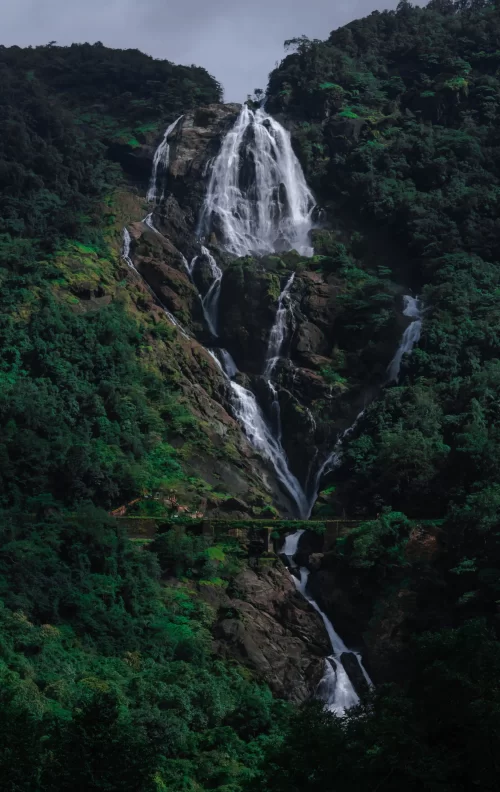
Dudhsagar Waterfalls, situated in the Western Ghats near Goa's eastern border, is one of the state's most impressive natural attractions. The waterfall is especially powerful during the monsoon, although access may be restricted when rainfall and river conditions make excursions unsafe.
Visits commonly involve regulated transport arrangements and may include walking over uneven terrain. Families with small children, elderly members or mobility limitations should check current access arrangements, physical requirements and official permissions before booking.
A Mandovi River cruise from the Panaji area can be an enjoyable evening experience for families. Depending on the operator, cruises may include music, cultural performances, entertainment and views of the riverfront.
Families should choose an established operator, confirm the cruise duration and seating arrangements, and check whether the experience is suitable for children. Life jackets and other required safety arrangements should be available on board.
Family sightseeing recommendation: Families visiting Goa for the first time can combine Aguada Fort, a few suitable beaches, Old Goa's churches and a Mandovi River cruise. Keep waterfall excursions and longer nature visits for separate days to avoid excessive travelling.
North Goa is a convenient choice for families who want beaches, restaurants, accommodation and sightseeing attractions within a relatively active tourist area. Several beaches offer good facilities and nearby food options, although some become crowded during weekends, public holidays and the peak holiday season. Families with children should choose beaches according to crowd levels, access, available shade and prevailing sea conditions rather than assuming that every popular beach is safe for swimming.
Candolim Beach is one of the more convenient family beaches in North Goa. It has a long sandy shoreline, nearby hotels, restaurants and beachside facilities that make it practical for families who prefer to spend a few relaxed hours near the sea.
Families can enjoy beach walks, photography and refreshments at licensed beach establishments operating during the tourist season. The beach can have strong currents, so children should enter the water only in designated areas when lifeguards permit swimming.
Calangute is among North Goa's busiest beaches and offers easy access to restaurants, shops, accommodation and seasonal beach activities. It is suitable for families who enjoy a lively atmosphere and prefer having facilities nearby.
The main beach area can become crowded, particularly during weekends and major holidays. Families travelling with small children should arrange a meeting point, keep valuables secure and avoid congested water-activity zones.
Baga Beach is known for its energetic tourist atmosphere, beachside restaurants and seasonal water sports. Families with older children and teenagers may enjoy the range of activities available around the beach.
However, Baga is also associated with nightlife and heavy evening crowds. Families seeking a peaceful beach experience may prefer visiting earlier in the day or choosing Candolim or another less crowded beach.
Sinquerim Beach lies close to Aguada Fort and is a useful stop for families exploring this part of North Goa. The beach offers attractive coastal scenery and opportunities for walking and photography.
It is particularly convenient for combining beach time with nearby historical sightseeing. Water conditions can vary, so swimming and water sports should only be considered where authorised and supervised.
Morjim Beach is a good option for families looking for a less hectic coastal setting than the central Calangute and Baga areas. Its broad shoreline is suitable for leisurely walks and spending time outdoors.
Parts of the Morjim coastal area are environmentally sensitive because of Olive Ridley turtle nesting activity. Families should respect conservation restrictions, avoid disturbing wildlife and follow local rules concerning lighting and beach access.
Ashwem Beach is generally quieter than North Goa's main entertainment beaches. It appeals to families who prefer beachside relaxation, scenic surroundings and a slower holiday schedule.
Facilities and seasonal beach establishments vary by location. Families should check the approach road, available parking and nearby restaurants before visiting, particularly when travelling with young children or older relatives.
Vagator Beach is known for its rocky coastal scenery, surrounding cliffs and sunset views. Families can enjoy viewpoints and photography while combining the visit with nearby Chapora Fort.
Some beach approaches and rocky sections involve steps or uneven ground. Families with toddlers or senior citizens should choose accessible viewpoints and avoid slippery rocks, especially during the monsoon.
Important beach safety advice: No beach should be considered permanently safe for swimming. Always follow lifeguard instructions, warning flags and local restrictions. Avoid entering the sea during rough weather, after dark or when swimming is prohibited.
South Goa is particularly appealing to families looking for quieter beaches, relaxed accommodation and less crowded coastal surroundings. Many beaches have long sandy stretches, attractive scenery and a slower pace than the busiest parts of North Goa. Families travelling with young children or senior citizens may find South Goa suitable for a restful holiday, provided they select beaches with convenient access and essential facilities.
Colva Beach is one of South Goa's established tourist beaches. It has a broad sandy shoreline and nearby restaurants, shops and accommodation, making it convenient for families staying around Margao and the surrounding coastal villages.
Families can enjoy walking, beach photography and refreshments. The main entrance can be busy during evenings and holidays, so visitors seeking a quieter experience may prefer arriving earlier in the day.
Benaulim Beach is a suitable choice for families who prefer a relatively peaceful setting without travelling far from restaurants and accommodation. Its long coastline provides opportunities for relaxed walks and spending time together near the sea.
Seasonal beachside dining and boat excursions may be available through local operators. Families should confirm safety arrangements before joining any activity and avoid assuming that calm-looking water is safe for swimming.
Varca Beach is known for its light-coloured sand, long coastline and generally less crowded surroundings. It is particularly appealing to families staying at nearby resorts who want to spend time relaxing rather than moving between multiple attractions.
Families can enjoy beach walks and photography, while children can play on dry sand under adult supervision. Some access points have fewer facilities than major tourist beaches, so carrying drinking water and basic essentials is advisable.
Cavelossim Beach is located near the mouth of the Sal River and offers an attractive combination of coastal scenery, resort accommodation and seasonal tourist activities. It is a good choice for families looking for a comfortable beach holiday in South Goa.
Visitors can spend time along the beach or explore nearby river-based activities with licensed operators. Families should check transport availability if staying away from the main resort and restaurant areas.
Mobor Beach lies towards the southern end of the Cavelossim coastal stretch, close to the Sal River estuary. The area is known for resort properties, scenic surroundings and a comparatively relaxed holiday atmosphere.
It can be suitable for families who prefer spending most of their holiday at a beach resort with occasional sightseeing. River currents, boat traffic and changing tidal conditions mean water activities should only be undertaken in approved locations.
Palolem Beach in southern Goa is known for its curved bay, scenic coastline and beachside accommodation. It is popular with families, couples and travellers interested in relaxed coastal experiences.
Families can enjoy beach walks, restaurants and boat excursions when conditions permit. Although parts of the bay may appear sheltered, swimming safety depends on tides, currents and lifeguard guidance. The beach can also become busy during the main tourist season.
Agonda Beach offers a comparatively peaceful coastal environment, making it appealing to families who enjoy natural scenery and quiet evenings. It is especially suitable for travellers who prefer reading, walking and relaxing by the shore.
Agonda is also associated with sea turtle conservation. Visitors should respect protected nesting areas and avoid disturbing wildlife. Families should check the distance between their accommodation and restaurants, as facilities are more spread out than at major commercial beaches.
Patnem Beach, near Palolem, is a relatively compact beach with a laid-back atmosphere. It can be a good alternative for families who find Palolem too busy but still want access to accommodation and seasonal restaurants.
The beach is suitable for leisurely outings, but the availability of facilities varies seasonally. Families should check local conditions before planning a full-day visit.
Families staying in North Goa should avoid trying to cover every South Goa beach in a single day. Selecting two or three nearby beaches provides a more enjoyable experience and reduces unnecessary road travel.
Goa's historical attractions offer families an opportunity to explore the state's Portuguese-era architecture, coastal defence structures, churches and traditional neighbourhoods. These places are particularly suitable for families who want a break from beach activities and enjoy learning about local history and culture. Many important heritage attractions can be grouped into half-day sightseeing routes, making them convenient for travellers with children and senior citizens.
Aguada Fort, near Sinquerim in North Goa, was built in 1612 by the Portuguese to protect the approaches to the Mandovi River. The fort was also associated with a freshwater supply for passing ships, which contributed to its name.
Visitors can explore the historic fort area and enjoy views of the Arabian Sea. The old lighthouse is an important landmark, although access to particular structures may be restricted. Families should allow approximately 45 minutes to one hour for a comfortable visit, depending on the areas open to visitors.
Chapora Fort stands on a hill overlooking the Chapora River and the surrounding coastline near Vagator. It is popular for its panoramic views and historical setting.
Reaching the fort involves an uphill approach and walking over uneven ground. Families with older children may enjoy the experience, but it can be tiring for toddlers, people with knee problems and senior citizens with limited mobility. Carry drinking water and avoid climbing during the hottest part of the day.
Reis Magos Fort, located across the Mandovi River from Panaji, is an interesting place for families who want to learn about Goa's military and colonial history. The restored fort has historic structures and views over the river.
Its exhibition spaces and heritage displays can make the visit more engaging for older children. Families should confirm current opening arrangements and check accessibility before visiting, as some parts of the fort involve stairs.
Cabo de Rama Fort is situated in South Goa and is known for its coastal viewpoints, old fort walls and peaceful surroundings. The fort has a history connected with local rulers and later Portuguese occupation.
It is suitable for families exploring the southern coastline, particularly those interested in photography and historic sites. However, exposed edges, uneven paths and limited facilities require extra care when travelling with young children.
The Basilica of Bom Jesus in Old Goa is part of the UNESCO-listed Churches and Convents of Goa. It is particularly important for its association with St Francis Xavier and its historic Baroque architecture.
Families can appreciate the church's interiors and learn about Goa's religious history. Visitors should wear appropriate clothing, respect worshippers and avoid photography wherever it is restricted. Allow approximately 30 to 45 minutes for an ordinary visit, excluding queues and religious services.
Se Cathedral is one of the major churches in Old Goa and is dedicated to St Catherine of Alexandria. Its large interiors, religious artwork and Portuguese-era architecture make it a worthwhile stop for families interested in history.
Because it is close to the Basilica of Bom Jesus, both attractions can be visited during the same sightseeing session. Families should allow additional time for walking between the monuments and for resting during hot weather.
The Church of Our Lady of the Immaculate Conception is one of Panaji's most recognisable landmarks, known for its white facade and prominent staircase. It is a convenient stop while exploring the city centre.
Families can appreciate the exterior architecture and visit the church when access is permitted. The steep staircase may be inconvenient for travellers with mobility difficulties, so viewing the building from the surrounding area can be a practical alternative.
Fontainhas is a historic neighbourhood in Panaji, recognised for its colourful houses, narrow streets and Portuguese-influenced architecture. It provides a different sightseeing experience from Goa's beaches and forts.
Families can take a short walk through the area to appreciate the architecture and local atmosphere. As Fontainhas is a residential neighbourhood, visitors should respect private property, avoid blocking entrances and ask permission before photographing residents.
Goa's cultural heritage also includes important Hindu temples. Shri Mangueshi Temple at Mangeshi and Shri Shanta Durga Temple at Kavlem, both in the Ponda region, are significant religious destinations.
Families interested in traditional architecture and religious customs can include these temples in a cultural sightseeing day. Dress modestly, follow temple-specific entry and photography rules, and check visiting arrangements before travelling.
Families travelling during summer should visit exposed forts in the morning or late afternoon. Old Goa's churches and Panaji's heritage attractions can be explored at a more relaxed pace with breaks between stops.
Goa's natural attractions include forests, waterfalls, birdwatching areas, lakes and protected wildlife habitats. These places are particularly rewarding for families who enjoy outdoor experiences and want to explore beyond the coastline. However, nature excursions often involve longer drives, walking on uneven surfaces or restrictions during heavy rainfall, so the physical requirements of each attraction should be considered before visiting.
Dudhsagar Waterfalls is located in the Western Ghats within the Bhagwan Mahavir Wildlife Sanctuary landscape. The waterfall descends through forested hills and is among Goa's most recognisable natural attractions.
Families can plan an excursion through the authorised access arrangements operating at the time of their visit. Depending on the season and regulations, reaching the permitted viewing areas may involve designated vehicles and walking over rocky or uneven ground.
Access is affected by rainfall, forest regulations and river conditions. The waterfall may be visually impressive during the monsoon, but this does not mean tourist access is safe or permitted. Families should confirm current operating arrangements with the relevant forest or tourism authorities before departure.
Bhagwan Mahavir Wildlife Sanctuary near Mollem is one of Goa's major protected forest areas. It forms part of the Western Ghats landscape and includes Mollem National Park within the wider protected area.
The sanctuary supports diverse birds, mammals, reptiles and forest vegetation. Families interested in nature can enjoy approved forest excursions and learn about the local ecosystem, but wildlife sightings are unpredictable and should never be guaranteed.
Visitors should follow forest department rules, avoid feeding animals and use authorised routes. Families with small children should choose manageable activities rather than difficult forest walks.
Bondla Wildlife Sanctuary is a comparatively small protected area in Goa and is often considered suitable for family-oriented nature outings. The forest surroundings provide an opportunity to introduce children to wildlife conservation and the state's natural environment.
Facilities and visitor activities may include designated nature areas and wildlife interpretation experiences, depending on current operations. Families should verify whether specific attractions and facilities are open before travelling.
Bondla can be a useful option for families who want a nature excursion without attempting a demanding trek. Comfortable footwear, drinking water and insect protection are recommended.
Dr Salim Ali Bird Sanctuary is situated on Chorao Island in the Mandovi River estuary. It protects mangrove habitats that support a variety of birds and other coastal wildlife.
Families interested in birds and ecology can explore the sanctuary through permitted visitor arrangements, which may include guided boat excursions depending on tides and availability.
Morning visits are generally preferable for birdwatching. Parents should ensure children wear properly fitted life jackets during authorised boat rides and should not expect guaranteed sightings of particular bird species.
Cotigao Wildlife Sanctuary is located in the Canacona region of South Goa. It is known for its forest vegetation, birdlife and quieter natural surroundings.
The sanctuary appeals to families interested in nature walks and forest environments rather than commercial entertainment. Some routes and viewing areas may involve uneven ground, so visitors should confirm the suitability of available trails before entering.
Families should carry essential supplies, follow forest department instructions and avoid travelling on isolated forest routes without appropriate local guidance.
Mayem Lake in North Goa offers a peaceful inland setting away from the busiest beaches. It can be a pleasant stop for families who enjoy lakeside scenery and want a change from coastal sightseeing.
Visitor facilities and recreational activities can change, so boating or other activities should only be included in a plan after confirming their current availability. Families can combine the lake with nearby sightseeing if transport arrangements are convenient.
Arvalem Waterfall, also called Harvalem Waterfall, is located near Sanquelim in North Goa. It is a scenic attraction that can be combined with the nearby Arvalem Caves for a short nature and heritage outing.
The waterfall's appearance changes considerably with seasonal rainfall. Visitors should remain in designated viewing areas and avoid approaching slippery rocks or entering pools where access is restricted.
Tambdi Surla Mahadev Temple is a historic stone temple dedicated to Lord Shiva, situated in a forested area of eastern Goa. Its traditional architecture and natural surroundings make it an interesting stop for families combining heritage and nature sightseeing.
The temple is relatively remote compared with Goa's coastal attractions. Families should arrange dependable transport, allow sufficient driving time and avoid planning isolated forest excursions after dark.
Important planning advice: Protected areas can have entry rules, seasonal restrictions and changing visitor facilities. Confirm official access arrangements before visiting and avoid combining multiple distant forest attractions in one day.
Goa offers several enjoyable activities for families with children, from relaxed river cruises and beach outings to cultural attractions and nature experiences. The most suitable activities depend on the child's age, swimming ability, weather conditions and the safety arrangements provided by operators. Families should prioritise supervised experiences rather than choosing activities solely because they are popular or inexpensive.
A Mandovi River cruise is a popular evening activity for families staying near Panaji. Depending on the cruise operator, the experience may include riverfront sightseeing, music, cultural performances and entertainment.
Children may enjoy watching the illuminated riverfront and onboard performances, while older family members can relax without extensive walking. Choose an operator with appropriate passenger safety arrangements and confirm the boarding location, cruise duration and seating facilities.
Dolphin-watching excursions are offered in selected coastal areas of Goa, including parts of North and South Goa. These trips generally involve travelling by boat through coastal waters where dolphins may occasionally be seen.
However, dolphins are wild animals, and sightings depend on natural conditions. Families should avoid operators promising guaranteed encounters or encouraging boats to chase or surround dolphins.
Properly fitted life jackets, suitable weather and a responsible boat operator are essential, particularly when travelling with children.
Simple beach activities can be among the most enjoyable experiences for younger children. Building sandcastles, collecting photographs of interesting shells without disturbing wildlife, playing beach games and taking short shoreline walks can keep children entertained without requiring expensive activities.
Families should choose a supervised beach area, avoid the strongest afternoon sun and ensure that children remain within sight at all times. Playing on dry sand is often a safer option than entering the sea when water conditions are uncertain.
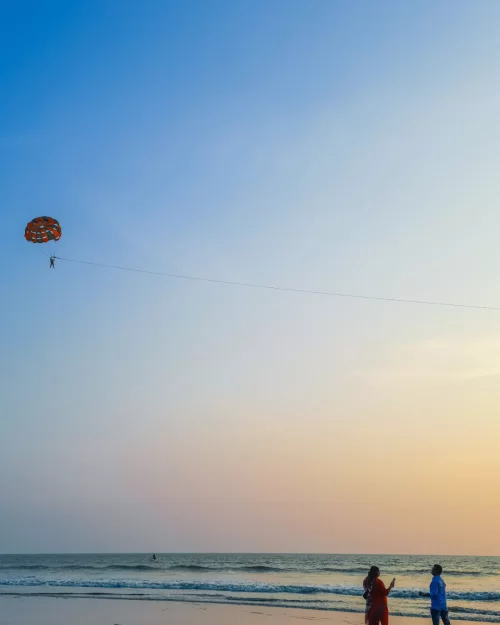
Selected beaches in Goa offer seasonal water activities such as banana boat rides, kayaking, jet skiing and parasailing. These activities are not suitable for every child, and minimum age, height, weight and health requirements vary by operator and activity.
Families should confirm whether an activity is officially permitted, whether trained personnel supervise it and whether suitable safety equipment is provided. Children should never participate in activities that exceed their physical abilities or the operator's safety limits.
Water sports may be suspended during the monsoon, rough seas or adverse weather. Parents should never pressure children to participate in an activity they find uncomfortable.
The Naval Aviation Museum near Dabolim is an interesting educational attraction for families with school-age children. It focuses on India's naval aviation history and includes aircraft-related displays and exhibits.
Children interested in aeroplanes, defence technology and engineering may find the museum particularly engaging. Families should confirm current visitor hours and exhibition access before travelling.
Goa Chitra Museum in Benaulim introduces visitors to aspects of traditional Goan life, agriculture and material culture. Its collections can help children understand how local communities lived and worked before modern tourism became a major part of the state's economy.
This is a useful activity for families who want an educational experience away from the beaches. Check current opening arrangements and whether guided visits are available.
Older children may enjoy discovering the architecture and history of Old Goa. The Basilica of Bom Jesus, Se Cathedral and surrounding heritage attractions provide opportunities to learn about religion, art and colonial history.
Parents can make the visit more engaging by explaining the purpose of the buildings and allowing children time to observe architectural details. Keep the visit reasonably short for younger children and respect religious services.
Birdwatching around Chorao Island or visiting a suitable wildlife sanctuary can introduce children to Goa's natural environment. These activities encourage observation and provide a quieter alternative to crowded tourist beaches.
Choose authorised guides and age-appropriate routes. Carry binoculars if available, use insect protection and explain to children why animals should not be fed or disturbed.
Exploring Goa's food and markets can be an enjoyable family activity. Families can sample local dishes such as Goan fish curry, vegetable preparations, poi bread and traditional sweets, depending on dietary preferences.
Markets in Panaji and Mapusa provide opportunities to see local produce, handicrafts and everyday Goan life. Families with young children should choose less crowded visiting hours and buy food from clean, established establishments.
For families travelling with toddlers or senior citizens, a resort day can be more comfortable than continuous sightseeing. Properties with supervised children's activities, shaded outdoor spaces, suitable swimming pools and family dining facilities can make the holiday easier to manage.
Check whether the property has a separate children's pool, trained supervision and clear pool safety rules. Parents should remain responsible for supervising children around water even when resort staff are present.
Family activity tip: Plan one major activity and one relaxed outing per day. This allows children to enjoy Goa without becoming exhausted from long drives, crowded attractions and excessive time in the sun.
A well-planned Goa family itinerary should balance beaches, historical attractions, cultural experiences and relaxation. North Goa and South Goa are spread across different coastal areas, so travelling between distant beaches and sightseeing locations can take considerable time, particularly during busy holiday periods. Families visiting for three days should focus on selected attractions, while a five-day holiday allows more time for both regions without rushing.
This itinerary is suitable for families visiting Goa for a short holiday and staying around Candolim, Calangute or Panaji. It covers popular North Goa attractions, Old Goa's heritage sites and a selected South Goa beach outing.
This schedule keeps sightseeing within a relatively compact area and avoids excessive travelling on the first day.
Families travelling with senior citizens can skip the heritage walk and spend more time relaxing in Panaji before the cruise.
Travelling from North Goa to South Goa can take well over an hour depending on the starting point, destination and traffic. Families should avoid adding Palolem or Cabo de Rama to this short excursion unless they are staying closer to those locations.
A five-day Goa holiday offers a better balance between sightseeing and relaxation. Families can spend the first three days exploring North Goa, Old Goa and Panaji before moving to South Goa for the remaining two days. This arrangement reduces repeated long-distance travel.
Families with toddlers or mobility limitations can skip Chapora Fort and spend more time at an accessible beach or viewpoint.
This day focuses on history, culture and city sightseeing rather than beach activities.
Staying in South Goa for the final two nights can make the journey more comfortable and provide a quieter end to the holiday.
Families with an early flight should avoid planning sightseeing on the departure day. Travellers staying in southern Goa should also allow sufficient transfer time when departing from Manohar International Airport in North Goa.
Families interested in wildlife and waterfalls can replace one beach sightseeing day with a visit to Bondla Wildlife Sanctuary, Bhagwan Mahavir Wildlife Sanctuary or Dudhsagar Waterfalls, depending on seasonal access and physical suitability.
A Dudhsagar excursion should normally be treated as a major activity for the day rather than combined with several distant beaches. Forest access, transport arrangements and weather conditions must be checked in advance.
Which itinerary is better for families? Three days are sufficient for selected beaches, forts and heritage attractions, but the schedule will be relatively compact. Five days are more suitable for families who want to explore both North and South Goa while retaining time for relaxation.
The best time to visit Goa with family is generally from November to February, when the weather is relatively comfortable for beaches, outdoor sightseeing and cultural attractions. October and March can also be suitable, although humidity and daytime temperatures may be higher. Families planning a Goa holiday should consider seasonal weather, hotel location, transport arrangements and beach safety before finalising their travel dates.
November to February is usually the most convenient period for family sightseeing in Goa. The weather is generally less humid than during the monsoon, and conditions are more comfortable for visiting forts, churches, beaches and outdoor attractions.
Many seasonal beach establishments, boat excursions and authorised water activities operate during the main tourist season, subject to local conditions and permissions.
However, Christmas, New Year and other major holiday periods can bring heavy crowds and higher accommodation prices. Families seeking a quieter experience may prefer travelling outside major holiday dates.
March to May is generally hotter and more humid, particularly during the afternoon. Beach walks and outdoor sightseeing can become uncomfortable for young children and older travellers during peak daytime heat.
Families visiting in summer should plan outdoor activities early in the morning or later in the afternoon. Midday hours are better suited to indoor attractions, hotel relaxation or other shaded activities.
Carry sufficient drinking water, use suitable sun protection and avoid prolonged exposure to direct sunlight. Swimming should only be considered in authorised zones when lifeguards confirm that conditions are safe.
Goa receives substantial rainfall during the southwest monsoon, usually from June to September. The forests, hills and countryside become greener, making this season appealing for travellers who enjoy natural scenery.
However, heavy rainfall can affect road conditions, outdoor sightseeing and access to waterfalls or protected forest areas. Sea swimming and coastal water sports are prohibited during the monsoon because of dangerous waves, strong currents and unpredictable conditions.
Families travelling during this period should focus on suitable indoor attractions, heritage sightseeing when weather permits and comfortable accommodation. Avoid entering the sea or approaching flooded streams, waterfalls and slippery viewpoints.
Goa is connected to major Indian cities by air, rail and road. The most suitable option depends on the family's starting location, budget, travelling time and the part of Goa where accommodation has been booked.
Choosing the right accommodation area can significantly improve a family holiday. North Goa is convenient for travellers who want access to popular attractions and busy tourist areas, while South Goa generally offers more options for a slower beach holiday.
Families with young children should check whether the hotel provides family rooms, additional beds, suitable dining options and child-friendly facilities. Travellers with senior citizens should prioritise lifts, accessible rooms, minimal staircases and convenient vehicle access.
Transport planning is important because Goa's beaches and tourist attractions are spread across a considerable area. Families travelling with children, grandparents or luggage may find a private air-conditioned car more comfortable than relying on multiple local transfers.
Confirm taxi fares and inclusions before travelling. For hired vehicles, check the driver's details, vehicle condition and applicable licensing requirements. Use appropriate child restraints where required and never allow children to travel without suitable safety arrangements.
Beach safety should be a priority throughout the holiday. Goa's coastal conditions vary according to tides, currents, waves and seasonal weather. A beach that looks calm from the shore may still have dangerous underwater currents.
Goa offers a wide range of food options, including local Goan dishes, vegetarian meals, seafood and familiar Indian cuisine. Families travelling with children or elderly relatives should choose restaurants according to dietary needs and food hygiene rather than relying only on popularity.
Goan cuisine includes dishes such as fish curry and rice, vegetable preparations, poi bread and traditional desserts. Some regional dishes are spicy or contain seafood, coconut or other ingredients that may not suit every traveller. Ask about ingredients when necessary.
For a first family trip to Goa, November to February is generally the most comfortable period. Families interested in beaches, forts and popular tourist attractions may prefer staying in North Goa, while those seeking peaceful surroundings and resort relaxation may find South Goa more suitable.
A three-day holiday works best with a limited sightseeing plan, while five days provide more flexibility to explore both regions. Prioritise convenient accommodation, comfortable transport, realistic daily schedules and official safety advice to make the holiday enjoyable for children, adults and senior citizens alike.


Get customized Delhi tour planning designed around traffic flow, seasonal weather comfort, heritage site exploration time, and realistic city pacing. Whether you are visiting for historical monuments, cultural experiences, food walks, shopping districts,
⚡ Quick Response | 💰 Free consultation | 🕒 24×7 expert support

