Patna Museum – Timings, History & Visitor Guide

Patna Museum , Patna
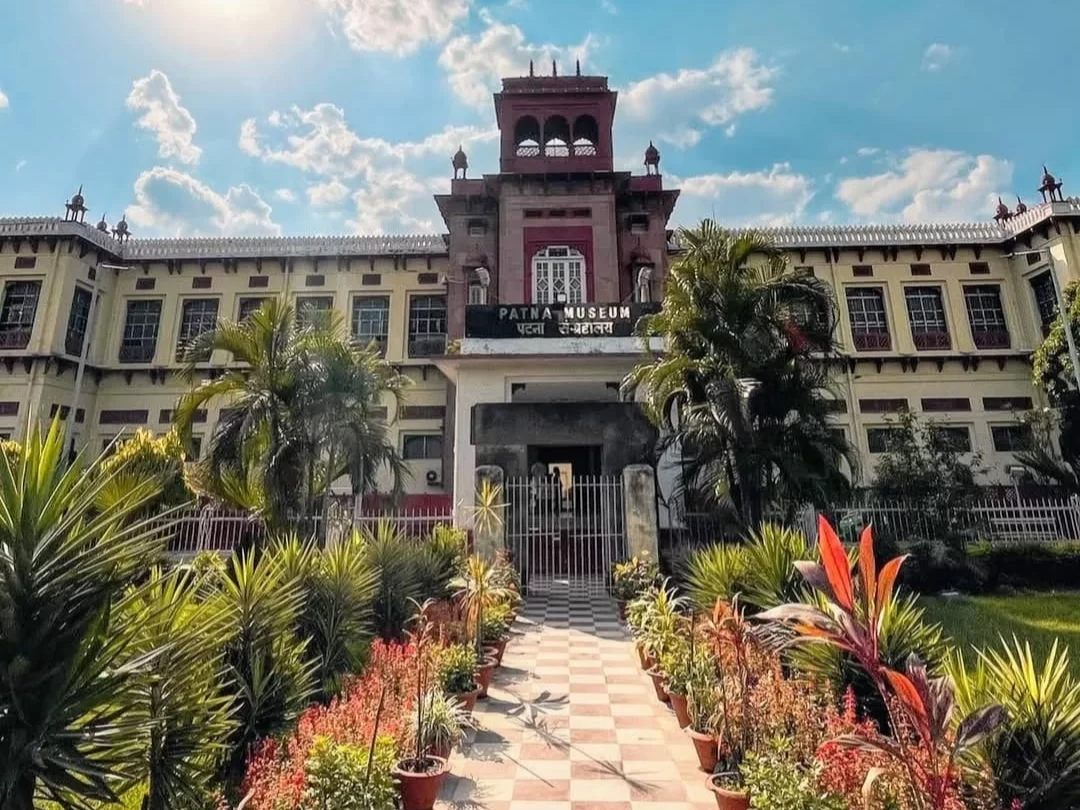
Patna Museum, also known as Bihar Museum, is a key cultural institution in Patna, Bihar, preserving and exhibiting historical, archaeological, and artistic treasures of the region. The museum houses collections ranging from ancient Buddhist and Jain artifacts to Mughal-era paintings, coins, sculptures, and manuscripts. It provides visitors with an immersive insight into Bihar’s rich heritage and history. The museum complex is well-maintained, offering galleries, display halls, and informative exhibits that cater to students, researchers, tourists, and history enthusiasts. Patna Museum serves as a hub for cultural education and historical exploration.

Quick Facts About Patna Museum

Quick Facts About Patna Museum

Entry Fee ?20 for adults, ?10 for children (5–12 years); free for children below 5 years
Timings 10:00 AM – 5:00 PM (Closed on Fridays and public holidays)
Altitude (m) Approx. 53 m above sea level
Ideal Visit Duration 1.5 – 3 hours (depending on interest in historical and cultural exhibits)
Best Time of Day Morning hours (10:00 AM – 12:00 PM) to avoid crowds and enjoy a quiet visit
Crowd Level Moderate on weekdays; High during weekends and school/college visits
Distance from City Centre (km) Approx. 4 km from Patna city centre
Walking Difficulty Easy (well-laid pathways and indoor galleries)
Parking Available Yes, parking available for cars and two-wheelers
Last Mile Access Good (autos, taxis, and cycle rickshaws available from nearby roads)
Suitable for Kids Yes, educational exhibits and galleries make it ideal for children
Suitable for Seniors Yes, comfortable walking paths and seating areas available
Wheelchair Friendly Yes, ramps and accessible galleries for wheelchair users

Why Visit Patna Museum

Patna Museum is a must-visit destination for history enthusiasts, students, researchers, and tourists interested in exploring the rich cultural and historical heritage of Bihar. It houses a diverse collection of artifacts, including ancient sculptures, inscriptions, coins, paintings, and manuscripts that showcase the region's contributions to Indian history and art over the centuries.

The atmosphere inside Patna Museum is calm, educational, and immersive, allowing visitors to experience the evolution of art, architecture, and culture from ancient to modern times. Well-organized galleries and thoughtfully curated exhibits provide an engaging journey through Bihar’s historical and religious milestones, making it an enriching and intellectually stimulating experience.

What makes Patna Museum special is its vast and varied collection that spans Buddhist, Jain, Mughal, and colonial eras. Visitors can admire exquisite miniature paintings, rare manuscripts, and archaeological finds, as well as iconic artifacts such as Buddha statues and terracotta figurines. The museum also serves as a center for learning and cultural preservation, offering visitors an authentic glimpse into Bihar’s rich heritage.

History of Patna Museum

Patna Museum, established in 1917 during the British colonial period, is one of the oldest and most prominent museums in Bihar. It was built to preserve and showcase the rich historical, cultural, and artistic heritage of the region, including artifacts from ancient, medieval, and modern times.

The museum’s collection includes Buddhist and Jain sculptures, Mughal and Pala-era artifacts, coins, manuscripts, and paintings, reflecting Bihar’s significant contributions to Indian history and civilization. Over the years, the museum has been expanded and modernized to include contemporary displays and improved visitor facilities, making it an educational and cultural hub for scholars and tourists alike.

Today, Patna Museum serves as a center for preserving historical knowledge, promoting cultural awareness, and educating visitors about Bihar’s rich heritage. Its carefully curated galleries provide insight into the region’s ancient empires, religious traditions, and artistic achievements, making it a vital institution for historical exploration.

Best Time to Visit Patna Museum

The ideal time to visit Patna Museum is during the cooler months from October to March when the weather in Patna is pleasant and comfortable for sightseeing. Visiting during the morning hours allows visitors to enjoy a calm and peaceful experience while exploring the exhibits without heavy crowds. Avoiding peak summer months ensures a more comfortable visit due to high temperatures and humidity.
  • Best Season: October to March for mild and pleasant weather.
  • Peak Visitor Period: December and January can be slightly crowded due to tourist groups and school/college visits.
  • Best Time of Day: Morning hours (10:00 AM – 12:00 PM) for a quiet and relaxed visit.
  • Summer Tip: April to June is hot and humid; early morning or late afternoon visits are recommended.
  • Monsoon Note: July to September sees occasional rainfall, which may make outdoor pathways slippery but adds greenery to the surroundings.
  • Festival Period: During local cultural festivals, visitor numbers may increase slightly, offering a vibrant atmosphere around the museum.

How to Reach Patna Museum

  • By Air: The nearest airport is Jay Prakash Narayan International Airport, Patna, approximately 6–7 km from Patna Museum. Visitors can hire taxis or app-based cabs to reach the museum in 15–20 minutes.
  • By Train: Patna Junction is the nearest railway station, well-connected to major cities such as Delhi, Kolkata, Mumbai, and Varanasi. The museum is about 5 km from the station and can be accessed via taxi, auto-rickshaw, or cycle rickshaw.
  • By Road: Patna is well-connected by national highways and state roads. Visitors can reach the museum using private vehicles, taxis, or state-run buses. The museum is centrally located in Patna, making navigation straightforward.
  • From Patna City Centre: Patna Museum is roughly 4–5 km from the city centre. Visitors can take local taxis, autos, or cycle rickshaws for a short ride.
  • Local Transport: E-rickshaws, auto-rickshaws, and cycle rickshaws are widely available around the museum for convenient last-mile connectivity.
  • Last Mile Access: The museum entrance is easily accessible with smooth pathways and ramps, ensuring comfortable access for seniors, children, and visitors with mobility requirements.

What to Expect When You Visit Patna Museum

  • Diverse Historical Collections: Visitors can explore a wide range of artifacts, including ancient Buddhist and Jain sculptures, Mughal-era paintings, coins, manuscripts, and terracotta figurines that highlight Bihar’s rich cultural and historical heritage.
  • Educational and Cultural Experience: The museum offers informative displays and well-curated exhibits, making it an excellent learning destination for students, researchers, and history enthusiasts.
  • Architectural Layout: The museum building itself is an architectural landmark with spacious galleries, well-organized pathways, and dedicated display areas for various collections.
  • Peaceful Exploration: The environment is calm and conducive to leisurely exploration, allowing visitors to study the artifacts in detail without feeling rushed.
  • Photography Opportunities: Visitors can capture the intricate sculptures, detailed manuscripts, and historical displays, though flash photography may be restricted in certain areas.
  • Interactive Learning: Some galleries provide explanatory plaques and descriptions, helping visitors understand the historical context, significance, and origin of the exhibits.
  • Accessibility: The museum has flat indoor pathways and seating areas, making it suitable for seniors and visitors with mobility challenges.
  • Family-Friendly Visit: Children can enjoy educational exposure to history and culture, making it a suitable destination for family visits.

Important Visitor Information for Patna Museum

  • Crowd & Weather Notes: Patna Museum experiences moderate crowds on weekdays and high visitor flow on weekends and during school or college excursions. The best time to visit is from October to March when Patna’s weather is cool and comfortable. Summers (April to June) are hot and humid, while monsoon season (July to September) can bring occasional rainfall.
  • Peak Hours: The museum is busiest between 11:00 AM – 2:00 PM, especially during weekends and holidays.
  • Quiet Hours: Early morning visits right after opening (10:00 AM – 11:30 AM) allow a peaceful experience with fewer visitors.
  • Dress Code: Casual and comfortable attire is recommended. Modest clothing is preferred to maintain decorum in a cultural and educational setting.
  • Safety Notes: Visitors should keep an eye on children, avoid touching delicate artifacts, and follow the museum staff instructions. Photography may be restricted in some galleries to protect sensitive exhibits.
  • General Tips: Keep the museum clean, avoid littering, and respect the exhibits and other visitors. Guided tours can enhance understanding of historical artifacts and collections.

Photography and Viewpoint at Patna Museum

  • Best Photography Spots: Patna Museum offers excellent opportunities for photography, especially the galleries with ancient sculptures, coins, manuscripts, and Mughal-era paintings. The central halls and well-lit display areas are ideal for capturing detailed shots of the artifacts.
  • Architectural Photography: The museum building itself is architecturally significant with colonial-era design and spacious galleries. Visitors can photograph the grand hall, intricate arches, and high ceilings for a visually striking experience.
  • Exhibit Photography: Close-up shots of sculptures, terracotta figurines, and artifacts provide insight into historical craftsmanship. Macro photography is ideal for detailed coins, inscriptions, and miniature paintings.
  • Best Time for Photos: Visit during morning hours (10:00 AM – 12:00 PM) when natural light illuminates the galleries, minimizing shadows and enhancing clarity for photography.
  • Rules & Respect: Photography is generally allowed in most galleries, but flash photography and touching artifacts are prohibited. Visitors should follow museum rules to preserve delicate exhibits.
  • Educational and Cultural Documentation: The museum is perfect for capturing content for research, cultural documentation, and educational purposes due to the rich diversity of exhibits spanning Bihar’s history.
  • Interactive Viewpoints: Walking paths inside galleries allow multiple angles for capturing the layout, arrangement, and scale of exhibits, providing a comprehensive perspective for visitors and photographers.
  • Family-Friendly Photography: Visitors can capture educational and cultural moments with children exploring exhibits, making it suitable for family-oriented photography and travel documentation.

Near By Attraction

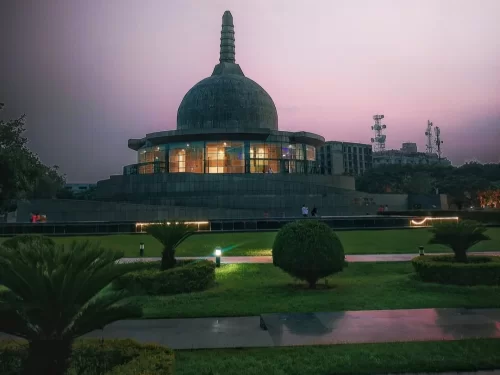
Buddha Smriti Park Patna illuminated stupa and meditation center at sunset Bihar tourist attraction Tourist Attraction

Buddha Smriti Park

Buddha Smriti Park in Patna is a serene memorial park dedicated to the life and teachings of Lord Buddha.
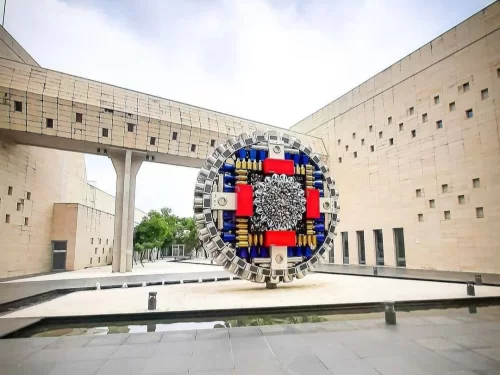
 Bihar Museum Patna modern architecture with contemporary art installation courtyard view Museum

Bihar Museum

Bihar Museum in Patna is a modern cultural and historical museum showcasing Bihar’s rich heritage, art, and archaeology.
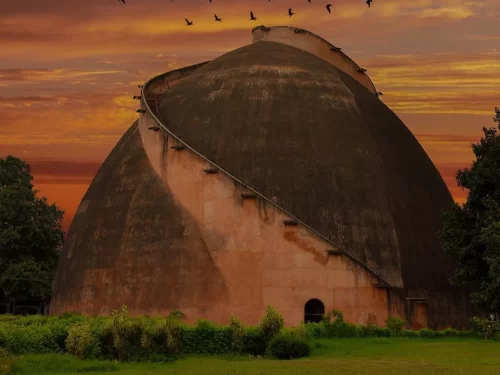
Golghar Patna historic granary with spiral staircase at sunset iconic Bihar tourist attraction Historical Site

Golghar

Golghar is a historic granary in Patna, Bihar, famous for its unique architectural design and panoramic city views.

Frequently Asked Questions About Patna Museum

Loved this place ? Let’s Plan Your Bihar Trip

Get customized Bihar tour planning designed around spiritual circuits, seasonal weather comfort, road travel flow, and realistic pacing between heritage regions. Whether you are visiting for Buddhist sites, Jain pilgrimage journeys, historical landmarks,

⚡ Quick Response | 💰 Free consultation | 🕒 24×7 expert support

×

Plan Your Trip