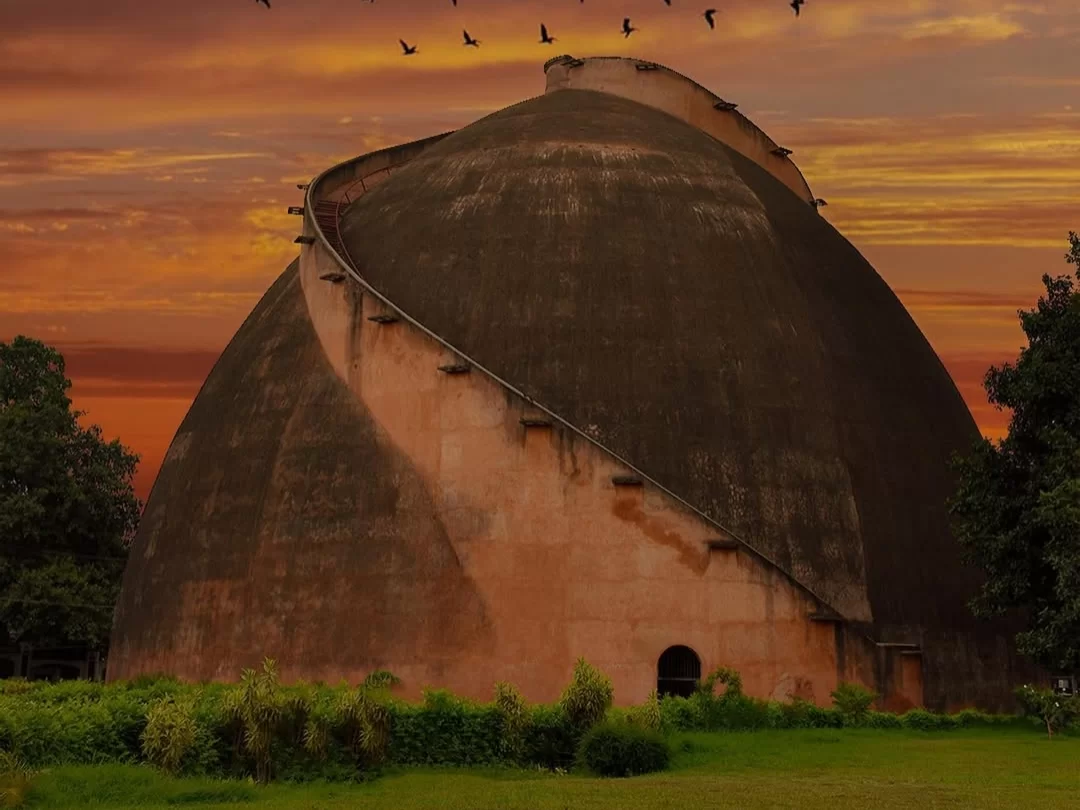
Golghar Patna – Timings, History & Visitor Guide

Golghar , Patna
Golghar, built in 1786 by Captain John Garstin during the British colonial era, is a large granary designed to store grains for famine relief in Patna. Its distinctive beehive-shaped structure with thick walls and spiral staircase makes it an architectural landmark. Visitors can climb the spiral staircase to enjoy a 360-degree view of Patna city and the Ganges River. Golghar not only represents colonial-era ingenuity but also serves as a cultural and historical attraction, drawing tourists interested in history, architecture, and photography.

Quick Facts About Golghar

Quick Facts About Golghar

Entry Fee ?0 (Free entry for all visitors)
Timings 7:00 AM – 6:00 PM daily
Altitude (m) Approx. 53 m above sea level
Ideal Visit Duration 30 – 60 minutes (including climbing and sightseeing)
Best Time of Day Early morning or late afternoon for cooler temperatures and scenic views
Crowd Level Moderate on weekdays; High on weekends and public holidays
Distance from City Centre (km) Approx. 3 km from Patna city centre
Walking Difficulty Moderate (spiral staircase climb required)
Parking Available Yes, small parking area nearby for cars and two-wheelers
Last Mile Access Good (auto-rickshaws, taxis, and cycle rickshaws available from nearby roads)
Suitable for Kids Yes, but supervision required while climbing the staircase
Suitable for Seniors Moderate suitability (stair climbing may be challenging for some)
Wheelchair Friendly No (spiral staircase prevents wheelchair access)

Why Visit Golghar

Golghar is a must-visit historical monument in Patna, offering visitors a unique glimpse into the colonial-era architectural and engineering ingenuity. Built as a granary in 1786, it stands as a symbol of resilience and foresight, designed to store grain and prevent famines in the region. Its distinct beehive shape and massive brick construction make it an architectural marvel, attracting history enthusiasts and architecture lovers alike.

The atmosphere at Golghar is calm and reflective, providing a serene setting along the banks of the Ganges River. Visitors can enjoy the open surroundings, listen to the gentle river breeze, and take in the historical significance of the structure. The monument offers a quiet yet engaging experience, perfect for photography, sketching, or casual exploration.

What makes Golghar truly special is its panoramic viewpoint. By climbing the spiral staircase that wraps around the structure, visitors are rewarded with a 360-degree view of Patna city and the Ganges, making it a prime location for photography and sightseeing. The combination of historical significance, unique architecture, and scenic vistas makes Golghar a must-visit landmark for both locals and tourists.

History of Golghar

Golghar was constructed in 1786 by Captain John Garstin of the British East India Company as a strategic solution to combat famines in Patna. The granary was designed to store large quantities of grain, ensuring food security for the region during times of scarcity. Its unique beehive-shaped architecture with thick brick walls and a conical roof reflects advanced engineering techniques of the colonial era.

The structure is surrounded by a spiral staircase that allows for easy access to the top, providing a functional as well as an aesthetic design. Golghar has withstood the test of time, surviving floods and environmental challenges, and remains a prominent example of British colonial ingenuity in India. It has become a protected heritage site and an enduring symbol of Patna’s historical significance in food storage and urban planning.

Today, Golghar not only represents an important historical monument but also serves as a popular tourist attraction. Its combination of practical design, colonial-era engineering, and scenic views of the Ganges makes it an enduring landmark for history enthusiasts, architects, and visitors exploring Patna’s heritage.

Best Time to Visit Golghar

The best time to visit Golghar is during the cooler months from October to March when Patna experiences mild and pleasant weather. Visiting in the morning or late afternoon allows you to avoid the intense heat and enjoy a comfortable climb up the spiral staircase. This timing also provides ideal lighting for photography and a peaceful atmosphere to appreciate the historical architecture and panoramic city views.
  • Best Season: October to March for cool and comfortable weather.
  • Peak Visit Times: Weekends and public holidays can be busier, so weekdays offer a quieter experience.
  • Best Time of Day: Early morning (7:00 AM – 10:00 AM) or late afternoon (4:00 PM – 6:00 PM) for pleasant temperatures and scenic lighting.
  • Summer Tip: April to June can be hot and humid; climb early morning or late afternoon to avoid heat exhaustion.
  • Monsoon Note: July to September may see occasional rainfall, which can make the staircase slippery but the surroundings lush and green.
  • Photography Advantage: Sunrise and sunset provide the best lighting for capturing panoramic views of Patna and the Ganges from the top of Golghar.

How to Reach Golghar

  • By Air: The nearest airport is Jay Prakash Narayan International Airport, Patna, approximately 4–5 km from Golghar. Visitors can hire taxis or app-based cabs to reach the monument in 15–20 minutes.
  • By Train: Patna Junction is the closest railway station, well-connected to major Indian cities like Delhi, Kolkata, Mumbai, and Varanasi. From the station, Golghar is about 3 km away and easily accessible via auto-rickshaw, taxi, or cycle rickshaw.
  • By Road: Patna is well-connected by national highways and state roads. Visitors can reach Golghar via private vehicles, taxis, or buses. The landmark is centrally located, making it easy to navigate from different parts of the city.
  • From Patna City Centre: Golghar is around 3 km from the city centre. Short rides via auto-rickshaw, e-rickshaw, or taxi are convenient for last-mile connectivity.
  • Local Transport: Cycle rickshaws, e-rickshaws, and taxis are widely available near Golghar, providing hassle-free transport for tourists and locals alike.
  • Last Mile Access: The monument has a smooth entrance and pathways, ensuring easy access for families, seniors, and visitors with mobility challenges. Footwear must be removed when climbing the spiral staircase.

What to Expect When You Visit Golghar

  • Historical and Architectural Significance: Visitors can explore a unique colonial-era granary with its distinctive beehive-shaped design, thick brick walls, and spiral staircase, showcasing innovative engineering of the 18th century.
  • Panoramic Views: Climbing the spiral staircase rewards visitors with a 360-degree view of Patna city and the Ganges River, providing excellent photography and sightseeing opportunities.
  • Educational Experience: Learn about the British colonial approach to famine prevention, urban planning, and historical grain storage methods while exploring the monument.
  • Peaceful Atmosphere: Despite being a popular tourist spot, the open area around Golghar provides a calm environment for photography, sketching, or casual relaxation.
  • Moderate Physical Activity: Visitors should be prepared to climb the spiral staircase. While it’s not very long, the ascent requires a moderate level of fitness.
  • Photography Opportunities: Both the structure itself and the views from the top offer excellent frames for cultural and heritage photography.
  • Family-Friendly Visit: The site is suitable for families and children, though kids should be supervised on the staircase for safety.
  • Local Interaction: Visitors often engage with local guides who share historical anecdotes and interesting facts about the monument, enhancing the overall experience.

Important Visitor Information for Golghar

  • Crowd & Weather Notes: Golghar attracts moderate crowds on weekdays and higher footfall during weekends and public holidays. The best time to visit is from October to March when the weather in Patna is cool and comfortable. Summers (April to June) are hot and humid, and monsoon season (July to September) may bring occasional rainfall.
  • Peak Hours: The monument is busiest between 10:00 AM – 1:00 PM and 4:00 PM – 6:00 PM, particularly during weekends and public holidays.
  • Quiet Hours: Early morning (7:00 AM – 9:00 AM) is ideal for a peaceful visit with minimal crowd, perfect for photography and enjoying panoramic views.
  • Dress Code: Casual and comfortable attire is recommended. Light cotton clothing in summer and layered clothing in winter are advisable. Sturdy footwear is suggested for climbing the spiral staircase.
  • Safety Notes: Visitors should exercise caution while climbing the spiral staircase, especially children and seniors. Avoid overcrowding on the stairs and hold the handrails for safety. Maintain cleanliness and respect the monument and other visitors.
  • Photography Tips: Early morning and late afternoon provide the best natural light for photography. Avoid obstructing pathways while taking pictures, and be mindful of other visitors.

Photography and Viewpoint at Golghar

  • Best Photography Spots: Golghar’s iconic beehive-shaped structure makes it a unique subject for architectural photography. The monument can be captured from surrounding streets, courtyards, and the Ganges riverside for dramatic perspectives.
  • Top Viewpoint: Climbing the spiral staircase provides a panoramic 360-degree view of Patna city and the Ganges River, offering excellent vantage points for capturing both urban landscapes and natural scenery.
  • Best Time for Photography: Early morning (7:00 AM – 9:00 AM) or late afternoon (4:00 PM – 6:00 PM) offers soft lighting that enhances the texture of the brickwork and provides vibrant skies for scenic shots.
  • Architectural Details: Close-up photography of the brickwork, staircases, and unique dome design allows visitors to appreciate colonial-era engineering and craftsmanship.
  • Viewpoint Photography: From the top, photographers can capture city streets, the river, and daily life below, making it ideal for travel, landscape, and urban photography.
  • Rules & Respect: Photography is allowed, but visitors should avoid blocking the staircase or walkways. Flash photography is discouraged to maintain visitor safety.
  • Travel & Heritage Documentation: Golghar is perfect for creating travel content, heritage documentation, and architectural storytelling due to its historical significance and scenic views.
  • Family-Friendly Photography: The open areas and staircase provide ample opportunities for family and group photography while exploring the monument safely.

Near By Attraction

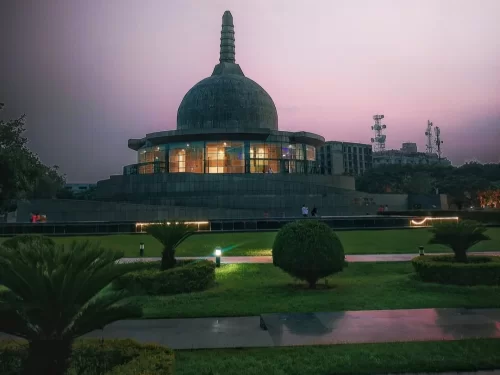
Buddha Smriti Park Patna illuminated stupa and meditation center at sunset Bihar tourist attraction Tourist Attraction

Buddha Smriti Park

Buddha Smriti Park in Patna is a serene memorial park dedicated to the life and teachings of Lord Buddha.
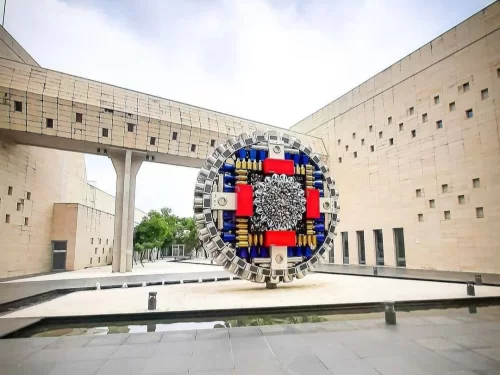
 Bihar Museum Patna modern architecture with contemporary art installation courtyard view Museum

Bihar Museum

Bihar Museum in Patna is a modern cultural and historical museum showcasing Bihar’s rich heritage, art, and archaeology.
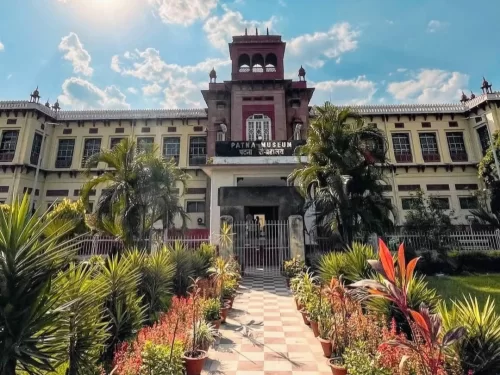
Patna Museum Bihar historic colonial architecture with landscaped garden entrance cultural heritage attraction Museum

Patna Museum

Patna Museum in Bihar is a prominent cultural and historical museum showcasing artifacts from ancient, medieval, and modern India.

Frequently Asked Questions About Golghar

Loved this place ? Let’s Plan Your Bihar Trip

Get customized Bihar tour planning designed around spiritual circuits, seasonal weather comfort, road travel flow, and realistic pacing between heritage regions. Whether you are visiting for Buddhist sites, Jain pilgrimage journeys, historical landmarks,

⚡ Quick Response | 💰 Free consultation | 🕒 24×7 expert support

×

Plan Your Trip