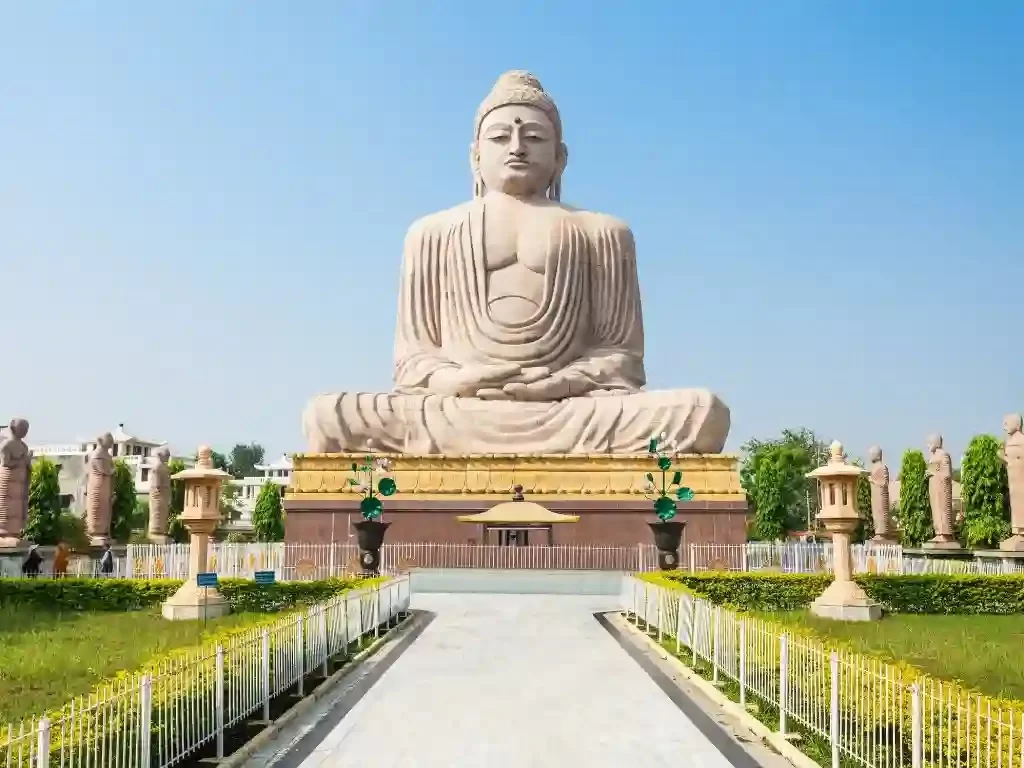
The Great Buddha Statue Bodh Gaya – Height, Timings & Visitor Guide

The Great Buddha Statue , Bodh Gaya
The Great Buddha Statue is one of the most iconic attractions in Bodh Gaya, Bihar, and a must-visit place for Buddhist pilgrims and tourists. This magnificent statue depicts Lord Buddha in a meditation posture and stands as a symbol of peace, enlightenment, and spiritual strength. Located near the Mahabodhi Temple complex, the statue is surrounded by smaller Buddha sculptures and a calm prayer area that attracts visitors from all over the world. The site is perfect for meditation, photography, and spiritual exploration, offering a serene environment and impressive architectural beauty.

Quick Facts About The Great Buddha Statue

Quick Facts About The Great Buddha Statue

Entry Fee ?0 (Free entry for all visitors; donation is optional)
Timings 6:00 AM – 7:00 PM (generally open daily; timings may vary slightly during festivals)
Altitude (m) Approx. 110 – 115 m above sea level
Ideal Visit Duration 45 minutes – 2 hours (sightseeing, photography, meditation, and peaceful walk)
Best Time of Day Morning and sunset hours for pleasant weather and best photography lighting
Crowd Level Moderate on weekdays, High during peak pilgrimage season (November to February) and Buddhist festivals
Distance from City Centre (km) Approx. 1.5 – 2.5 km from Bodh Gaya main market / Mahabodhi Temple area
Walking Difficulty Easy (flat pathways and short walking distance around the statue complex)
Parking Available Yes, parking is available near the statue complex (limited during peak season)
Last Mile Access Excellent (autos, e-rickshaws, taxis available; smooth road access up to entrance)
Suitable for Kids Yes, suitable (open area, safe environment, educational and cultural value)
Suitable for Seniors Yes, very suitable (easy walking, seating spots, peaceful environment)
Wheelchair Friendly Yes, mostly wheelchair friendly (flat campus and accessible walking paths)

Why Visit The Great Buddha Statue

The Great Buddha Statue in Bodh Gaya is one of the most iconic and spiritually significant attractions in Bihar. It is a must-visit destination for Buddhist pilgrims, spiritual travellers, and tourists exploring the sacred land of enlightenment. This massive statue represents Lord Buddha in a peaceful meditation posture and symbolizes inner peace, wisdom, and spiritual awakening. Visiting this place offers a unique experience of calmness and devotion, making it one of the best spots in Bodh Gaya for meditation and spiritual reflection.

The atmosphere around the Great Buddha Statue is serene and uplifting. The surroundings are clean, quiet, and filled with a peaceful spiritual vibe. Visitors often find monks chanting prayers, devotees meditating silently, and pilgrims walking calmly around the statue. The open space and calm environment make it perfect for relaxation, mindfulness, and enjoying the spiritual energy of Bodh Gaya away from crowded market areas.

What makes the Great Buddha Statue special is its grand size, detailed craftsmanship, and sacred setting. The statue is surrounded by smaller Buddha sculptures and beautifully designed pathways, creating a complete spiritual complex. The statue also provides an impressive visual experience, especially during sunrise and sunset when the lighting enhances its majestic appearance. Its close location to Mahabodhi Temple makes it an essential part of Bodh Gaya sightseeing, offering visitors a powerful combination of spiritual connection, cultural value, and unforgettable photography opportunities.

History of The Great Buddha Statue

The Great Buddha Statue in Bodh Gaya is one of the most famous modern Buddhist monuments in India and holds strong spiritual importance for pilgrims visiting the land of enlightenment. The statue was built as a symbol of peace, compassion, and Buddhist teachings, representing Lord Buddha in a deep meditation posture. It was created to honour Bodh Gaya’s global religious value, as this is the sacred place where Gautama Buddha attained enlightenment under the Bodhi Tree.

The statue was inaugurated in the late 20th century and is considered one of the tallest seated Buddha statues in India. It was built with the support of Buddhist organizations and devotees, and its construction reflects international Buddhist devotion and cultural unity. The statue contains sacred relics and is designed as a major centre for meditation and pilgrimage, making it an important spiritual landmark in the Bodh Gaya region.

Today, The Great Buddha Statue is not only a popular tourist attraction but also a respected Buddhist pilgrimage site. It represents the message of enlightenment and non-violence and attracts visitors from across the world, including monks and devotees from Thailand, Sri Lanka, Japan, Bhutan, Myanmar, and Tibet. The monument continues to inspire people through its peaceful presence and remains one of the most visited spiritual landmarks in Bodh Gaya.

Best Time to Visit The Great Buddha Statue

The best time to visit The Great Buddha Statue in Bodh Gaya is during the winter season when the weather is pleasant and ideal for sightseeing, photography, and meditation. Since Bodh Gaya experiences hot summers, winter months provide a comfortable environment for spending time around the statue complex. The statue looks especially beautiful during early mornings and evenings, when the peaceful atmosphere and soft sunlight create a spiritual and visually stunning experience. The peak pilgrimage season also falls in winter, making the visit more culturally rich as monks and devotees from around the world gather here.
  • Best Season: October to March is the ideal time due to cool and pleasant weather.
  • Peak Pilgrimage Period: November to February is the busiest season with international Buddhist pilgrims.
  • Best Time of Day: Early morning (6:00 AM – 9:00 AM) for peaceful surroundings and meditation.
  • Sunset Experience: Evening hours are perfect for photography as the golden light enhances the statue’s appearance.
  • Summer Tip: April to June can be very hot, so visit only during early morning or late evening hours.
  • Monsoon Note: July to September brings humidity and rain, but the surroundings become greener and calm.
  • Festival Visit: Buddhist festivals like Buddha Purnima attract more visitors and create a spiritual atmosphere.

How to Reach The Great Buddha Statue

  • By Air: The nearest airport is Gaya International Airport, located around 7–10 km from The Great Buddha Statue. From the airport, visitors can easily hire a taxi or cab to reach the statue complex within 20–30 minutes.
  • By Train: The nearest railway station is Gaya Junction (GAYA), which is well-connected to major cities like Patna, Kolkata, Delhi, Varanasi, and Ranchi. The Great Buddha Statue is approximately 12–15 km from the station and can be reached by taxi, auto-rickshaw, or e-rickshaw in 30–40 minutes.
  • By Road: Bodh Gaya is well-connected by road with Patna, Nalanda, Rajgir, and other nearby cities. Visitors can travel by private car, taxi, or government buses. The Great Buddha Statue is a well-known landmark and is easily reachable by road.
  • From Bodh Gaya Main Market: The statue is located around 1.5 – 2.5 km from Bodh Gaya market and Mahabodhi Temple area. Visitors can reach it in 5–10 minutes by auto or e-rickshaw.
  • By Local Transport: Local transport such as e-rickshaws, cycle rickshaws, autos, and taxis are easily available in Bodh Gaya. Most drivers are familiar with the statue and will drop visitors directly at the entrance.
  • Last Mile Access: Excellent last mile connectivity with smooth roads leading directly to the statue complex. Visitors may need to walk a short distance inside the campus to reach the main viewpoint area.

What to Expect When You Visit The Great Buddha Statue

  • Impressive Monumental View: Visitors can expect to see one of the tallest seated Buddha statues in India, standing majestically in a serene meditation posture. The sheer size and artistry make it an awe-inspiring sight for tourists and pilgrims alike.
  • Peaceful Spiritual Atmosphere: The statue complex offers a calm and tranquil environment ideal for meditation, prayer, and reflection. The area is quiet compared to other crowded tourist spots, allowing visitors to enjoy a spiritual experience.
  • Beautiful Surroundings: The statue is surrounded by smaller Buddha sculptures, gardens, and well-maintained pathways. Visitors can walk around the complex, enjoying the landscaped areas and peaceful ambiance.
  • Photography Opportunities: The open area around the statue provides excellent photography options, especially during sunrise and sunset when natural light enhances the grandeur of the statue and the surrounding scenery.
  • International Pilgrims: Visitors can expect to meet monks and devotees from Thailand, Sri Lanka, Japan, Bhutan, Myanmar, and other countries, adding a diverse and multicultural spiritual vibe to the visit.
  • Meditation and Reflection: Many visitors spend extended time sitting near the statue for meditation and contemplation, making it a spiritually enriching experience.
  • Accessibility: The complex is easily accessible with flat pathways suitable for seniors and children, making it a comfortable visit for families and all age groups.
  • Quiet Early Hours: Early morning visits are recommended for a serene experience with fewer crowds and a peaceful atmosphere for meditation and photography.

Important Visitor Information for The Great Buddha Statue

  • Crowd & Weather Notes: The Great Buddha Statue is a popular pilgrimage and tourist attraction, attracting moderate to high crowds, especially during peak season (November to February) and Buddhist festivals. The best time to visit is during the winter months when the weather is cool and pleasant. Summers can be hot and humid, and monsoon season brings rain, making early morning or late afternoon the most comfortable visiting hours.
  • Peak Hours: The statue area is busiest between 9:00 AM – 12:00 PM and 4:00 PM – 6:30 PM, particularly during weekends and festivals.
  • Quiet Hours: For a peaceful visit and meditation, early morning hours (6:00 AM – 8:30 AM) are ideal, with minimal crowd and calm surroundings.
  • Dress Code: Modest and respectful attire is recommended, as it is a religious and spiritual site. Avoid sleeveless tops, shorts, or revealing clothing. Comfortable and light clothing is suitable for summer, while warm layers are suggested in winter.
  • Footwear Rule: Visitors may be required to remove shoes in certain areas of the complex, especially near meditation spots.
  • Safety Notes: Maintain silence, follow signage and instructions, and avoid disturbing devotees or monks. Children should be supervised as the open area may get crowded.
  • Photography Guidelines: Photography is generally allowed in the outdoor areas, but flash photography should be avoided, and certain indoor or meditation areas may restrict it.
  • General Visitor Tip: Keep the area clean, avoid littering, and maintain a respectful demeanor to preserve the spiritual and serene environment around the statue.

Photography and Viewpoint at The Great Buddha Statue

  • Best Photography Spots: The Great Buddha Statue is visually stunning, making it ideal for photography. The wide open area around the statue allows visitors to capture the full seated Buddha in one frame, along with smaller Buddha statues, landscaped gardens, and the backdrop of the Bodh Gaya skyline.
  • Best Time for Photos: Early morning (6:00 AM – 8:30 AM) and late afternoon (4:00 PM – 6:30 PM) provide the best lighting conditions for photography. The soft sunlight enhances the golden-brown hues of the statue and creates a peaceful ambience for capturing devotional and architectural shots.
  • Wide-Angle Shots: The statue's grand scale is best captured using wide-angle lenses. The entire meditation posture, along with surrounding gardens and visitors respectfully performing pradakshina, makes for excellent cultural and spiritual photography.
  • Close-Up Details: Visitors can capture close-up shots of the intricate facial expressions, hand gestures (mudras), and detailed carvings of the statue. These details highlight the craftsmanship and artistry of the monument.
  • Viewpoints Around the Statue: Walking paths and open courtyards provide multiple viewpoints for photography. Elevated spots near the boundary walls give a comprehensive perspective of the statue and surrounding area.
  • Photography of Devotional Activities: The serene environment allows capturing monks, pilgrims, and devotees engaged in meditation and prayer rituals, creating powerful spiritual imagery.
  • Sunrise & Sunset Frames: Sunrise photography gives soft golden lighting with a calm atmosphere, while sunset provides warm tones and peaceful shadows, perfect for dramatic and serene shots.
  • Rules & Respect: Photography is allowed in open areas, but visitors must respect devotees’ privacy, avoid flash photography near meditation spots, and follow any instructions given by temple authorities.
  • Ideal for Travel Content: The combination of grand architecture, serene environment, devotional activities, and scenic gardens makes this location ideal for travel reels, spiritual documentaries, and heritage storytelling.

Near By Attraction

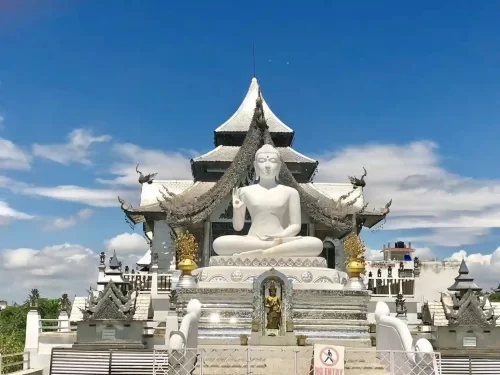
Metta Buddharam Temple Kushinagar, serene Buddhist temple featuring grand white Buddha statue and ornate Thai-style architecture in Uttar Pradesh. Temple

Metta Buddharam Temple

Metta Buddharam Temple is a peaceful Buddhist temple known for its meditation halls, spiritual ambiance, and cultural significance.
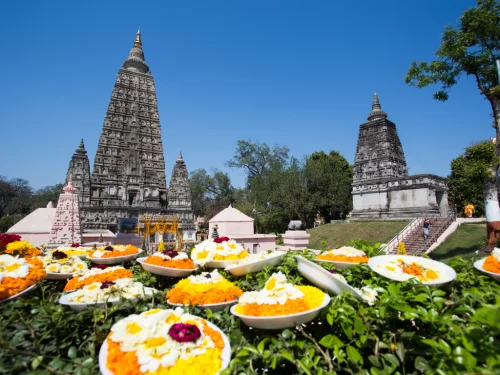
Mahabodhi Temple stupas with flower offerings in Bodh Gaya during sunny day, featuring ancient towers garlands trees lawns, perfect Bihar tour package. Temple

Mahabodhi Temple

Mahabodhi Temple in Bodh Gaya is the sacred site where Lord Buddha attained enlightenment and is a UNESCO World Heritage site.
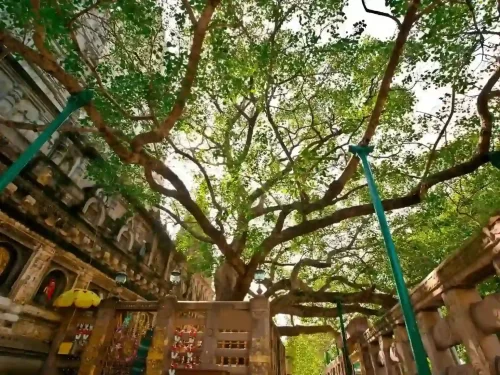
Bodhgaya Bodhi Tree, sacred Buddhist pilgrimage site where Lord Buddha attained enlightenment in Bihar India. Temple

Bodhgaya Bodhi Tree

The Bodhgaya Bodhi Tree is one of the holiest Buddhist sites in the world, believed to be the place where Gautama Buddha attained enlightenment.

Frequently Asked Questions About The Great Buddha Statue

Loved this place ? Let’s Plan Your Bihar Trip

Get customized Bihar tour planning designed around spiritual circuits, seasonal weather comfort, road travel flow, and realistic pacing between heritage regions. Whether you are visiting for Buddhist sites, Jain pilgrimage journeys, historical landmarks,

⚡ Quick Response | 💰 Free consultation | 🕒 24×7 expert support

×

Plan Your Trip