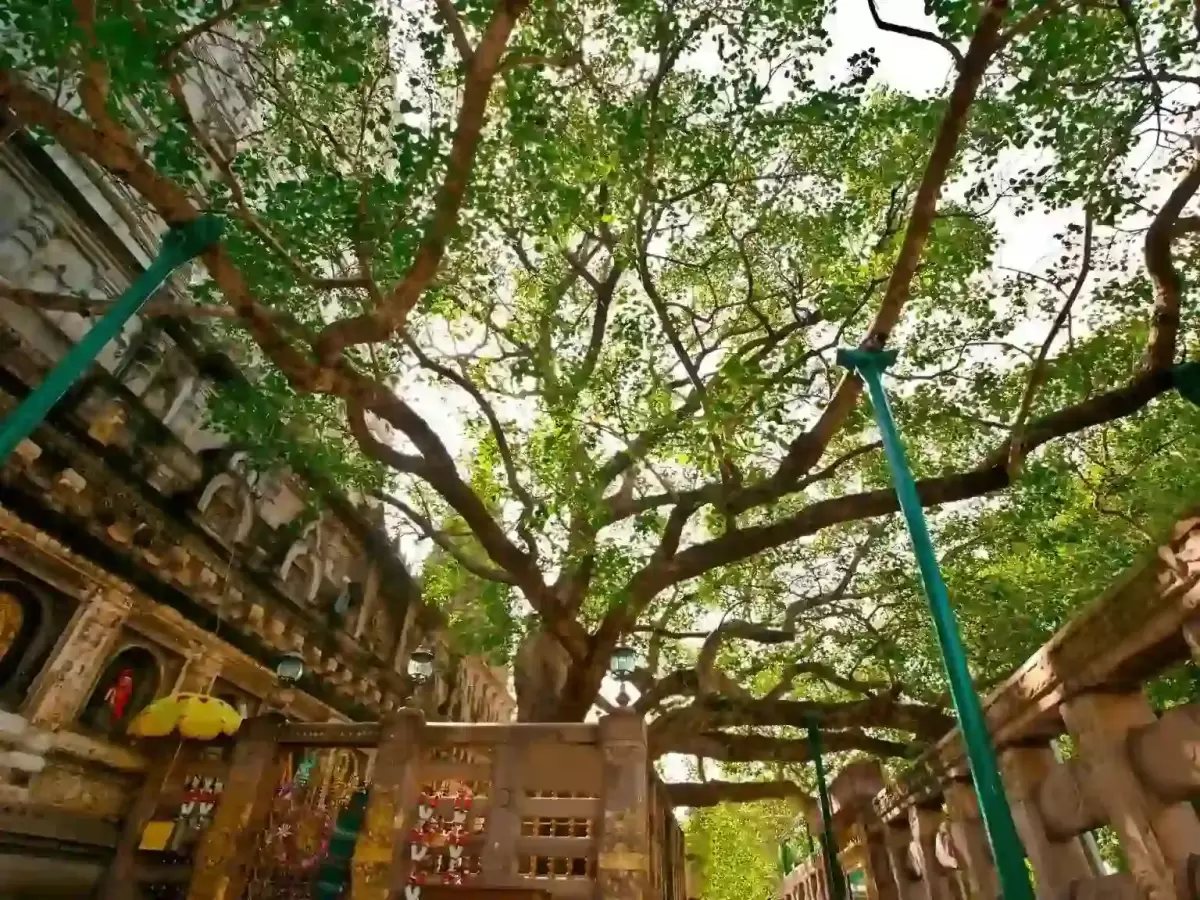
Bodhgaya Bodhi Tree – Sacred Enlightenment Tree in Bodh Gaya Guide

Bodhgaya Bodhi Tree , Bodh Gaya
The Bodhi Tree in Bodh Gaya is a sacred and world-famous spiritual landmark located inside the Mahabodhi Temple complex in Bihar. It is believed that Lord Buddha meditated under this tree and achieved enlightenment, making it one of the most important pilgrimage sites for Buddhists globally. The present Bodhi Tree is considered a direct descendant of the original tree and is visited by thousands of devotees, monks, and tourists every year. The area around the tree is calm and filled with prayer flags, meditation spots, and a peaceful atmosphere, making it a powerful destination for spiritual seekers, meditation lovers, and cultural travellers exploring Buddhist heritage.

Quick Facts About Bodhgaya Bodhi Tree

Quick Facts About Bodhgaya Bodhi Tree

Entry Fee ?0 (Free entry; located inside Mahabodhi Temple complex, donation optional)
Timings 5:00 AM – 9:00 PM (Mahabodhi Temple complex timings; may vary slightly during festivals)
Altitude (m) Approx. 110 – 115 m above sea level
Ideal Visit Duration 1 – 3 hours (darshan, meditation, prayer walk; longer if you wish to meditate peacefully)
Best Time of Day Early morning and evening for calm meditation and spiritual atmosphere
Crowd Level Moderate on normal days, High during peak season (November to February) and Buddhist festivals
Distance from City Centre (km) Approx. 0.5 – 1 km from Bodh Gaya main market (inside Mahabodhi Temple complex)
Walking Difficulty Easy (flat walking paths inside the temple complex)
Parking Available Yes, paid parking available near Mahabodhi Temple entry area
Last Mile Access Excellent (e-rickshaws, autos, and taxis available; short walk required from parking to entry gate)
Suitable for Kids Yes, suitable (peaceful and safe environment, culturally educational)
Suitable for Seniors Yes, very suitable (seating areas available; smooth walking paths)
Wheelchair Friendly Yes, mostly wheelchair friendly (flat campus with accessible walkways)

Why Visit Bodhgaya Bodhi Tree

The Bodhgaya Bodhi Tree is one of the most sacred spiritual places in the world and is a must-visit destination for Buddhist pilgrims, spiritual seekers, and cultural travellers. It is believed to be the holy tree under which Gautama Buddha attained enlightenment after deep meditation, making it a symbol of wisdom, peace, and spiritual awakening. Visiting the Bodhi Tree is not just a sightseeing experience, but a deeply meaningful journey for those who want to connect with the roots of Buddhism and experience the sacred energy of Bodh Gaya.

The atmosphere around the Bodhi Tree is calm, divine, and filled with positive spiritual vibrations. The area remains peaceful despite the presence of many visitors, as devotees from around the world sit silently in meditation, chant prayers, and walk around the tree in a sacred ritual known as pradakshina. The sound of monks chanting, prayer bells, and the sight of colourful prayer flags create a unique environment that feels deeply relaxing and emotionally uplifting.

What makes the Bodhgaya Bodhi Tree truly special is its global religious significance and the belief that it is a direct descendant of the original Bodhi Tree from Buddha’s time. Located inside the Mahabodhi Temple complex, the Bodhi Tree represents the most important moment in Buddhist history. The peaceful meditation spots, sacred Vajrasana (Diamond Throne) area nearby, and the spiritual ambience make it a once-in-a-lifetime experience. For anyone visiting Bodh Gaya, spending time near the Bodhi Tree is considered one of the most powerful and unforgettable spiritual moments in India.

History of Bodhgaya Bodhi Tree

The Bodhgaya Bodhi Tree is one of the most sacred and historically significant spiritual symbols in the world. It is believed that Gautama Buddha attained enlightenment under this tree after meditating for several days in deep contemplation. This moment marked the beginning of Buddhism as a global spiritual path, making the Bodhi Tree a timeless symbol of wisdom, peace, and liberation. Because of this sacred event, Bodh Gaya became one of the most important pilgrimage centres for Buddhists across the world.

The present Bodhi Tree is considered a direct descendant of the original tree under which Buddha meditated. Over centuries, the Bodhi Tree has been protected and respected by kings, monks, and devotees. The site also gained major importance during the reign of Emperor Ashoka, who visited Bodh Gaya and supported the development of Buddhist pilgrimage sites. The Bodhi Tree has survived through time as a living symbol of Buddhist heritage and continues to be cared for within the Mahabodhi Temple complex.

Today, the Bodhgaya Bodhi Tree holds immense religious significance for Buddhists and spiritual travellers. Pilgrims from countries like Thailand, Sri Lanka, Japan, Bhutan, Myanmar, Tibet, and many others visit the tree to meditate, chant prayers, and seek blessings. The tree remains one of the most powerful spiritual landmarks in India, representing enlightenment and inner peace, and it continues to inspire millions of people around the world.

Best Time to Visit Bodhgaya Bodhi Tree

The best time to visit the Bodhgaya Bodhi Tree is during the winter season when the weather is cool, peaceful, and perfect for meditation and sightseeing. Since Bodh Gaya experiences hot summers, visiting between October and March offers the most comfortable experience for pilgrims and tourists. This is also the peak pilgrimage season when Buddhist monks and devotees from across the world visit the Mahabodhi Temple complex, creating a spiritually powerful environment. Early mornings and evenings are especially recommended because the surroundings feel calm, devotional, and ideal for silent prayer and meditation under the sacred tree.
  • Best Season: October to March is the most ideal time due to pleasant and cool weather.
  • Peak Pilgrimage Time: November to February is the busiest season with international Buddhist pilgrims and monks.
  • Best Time of Day: Early morning (5:00 AM – 8:00 AM) for peaceful meditation and spiritual silence.
  • Evening Visit: 6:00 PM – 8:30 PM is best for a calm atmosphere and beautiful temple lighting.
  • Summer Tip: April to June can be very hot, so avoid daytime visits and prefer early morning or late evening.
  • Monsoon Note: July to September brings humidity and rainfall; the temple complex remains open but travel may be less comfortable.
  • Festival Experience: Buddha Purnima and major Buddhist prayer events attract more crowd and create a highly spiritual environment.

How to Reach Bodhgaya Bodhi Tree

  • By Air: The nearest airport is Gaya International Airport, located around 7–10 km from the Bodhgaya Bodhi Tree (Mahabodhi Temple complex). From the airport, visitors can hire a taxi or cab and reach the temple area within 20–30 minutes.
  • By Train: The nearest railway station is Gaya Junction (GAYA), which is well-connected to major Indian cities like Patna, Kolkata, Delhi, Varanasi, and Ranchi. The Bodhi Tree is approximately 12–15 km from the station and can be reached by taxi, auto-rickshaw, or e-rickshaw.
  • By Road: Bodh Gaya has good road connectivity with Patna, Nalanda, Rajgir, and Varanasi. Visitors can travel by private car, taxi, or government buses. The Mahabodhi Temple complex is a well-known landmark, making navigation easy.
  • From Patna: The Bodhi Tree is around 110–120 km from Patna. The journey takes approximately 3–4 hours by road, depending on traffic conditions.
  • From Gaya City: Bodh Gaya is located around 12–15 km from Gaya city centre. Visitors can easily reach by taxi, auto, or e-rickshaw in about 30–40 minutes.
  • By Local Transport: Once in Bodh Gaya, local transport such as e-rickshaws, cycle rickshaws, autos, and taxis are easily available. The Bodhi Tree is located inside the Mahabodhi Temple complex, so most drivers will drop you directly near the main entrance.
  • Last Mile Access: Excellent last mile access. Vehicles can reach close to the Mahabodhi Temple entry gate, after which a short walk is required to reach the Bodhi Tree area inside the complex.

What to Expect When You Visit Bodhgaya Bodhi Tree

  • Deep Spiritual and Peaceful Experience: The Bodhgaya Bodhi Tree is one of the most sacred places in Buddhism, so visitors can expect a calm and powerful spiritual environment filled with devotion, meditation, and positive energy.
  • Meditation and Prayer Atmosphere: Around the Bodhi Tree, you will see monks and pilgrims from different countries meditating silently, chanting Buddhist prayers, and performing religious rituals, creating a truly divine atmosphere.
  • Sacred Bodhi Tree Darshan: Visitors can sit near the Bodhi Tree and experience darshan of the sacred tree, which is believed to be a direct descendant of the original tree under which Lord Buddha attained enlightenment.
  • Vajrasana (Diamond Throne) Area: Near the Bodhi Tree, you can expect to see the sacred Vajrasana platform, which marks the exact spot where Buddha is believed to have meditated. This is considered one of the holiest areas inside the Mahabodhi Temple complex.
  • Peaceful Walking Path: The area has a peaceful walking route for devotees performing pradakshina (circumambulation). Visitors can walk around the tree while experiencing the sacred atmosphere.
  • International Pilgrim Presence: Since Bodh Gaya is a global pilgrimage centre, you can expect to meet devotees from Thailand, Sri Lanka, Japan, Bhutan, Myanmar, Tibet, and other countries, giving the place an international spiritual vibe.
  • Quiet and Disciplined Environment: The Bodhi Tree area is maintained with discipline and silence. Visitors are expected to behave respectfully, keep noise low, and follow temple rules.
  • Prayer Flags and Cultural Beauty: You will notice colourful prayer flags, incense offerings, and traditional Buddhist prayer items around the complex, making the visit visually beautiful and culturally rich.
  • Longer Stay for Meditation: Many visitors choose to stay for hours, as the environment is ideal for meditation and inner peace. It is common to see pilgrims sitting quietly for long durations.
  • Security and Entry Check: Since the Bodhi Tree is inside the Mahabodhi Temple complex, visitors can expect security checks at the entrance, and some items may not be allowed inside.

Important Visitor Information for Bodhgaya Bodhi Tree

  • Crowd & Weather Notes: The Bodhgaya Bodhi Tree is located inside the Mahabodhi Temple complex, one of the most visited Buddhist pilgrimage sites in the world. The area remains active throughout the year, but winter months attract the highest number of international pilgrims. Weather is most pleasant from October to March, while summers can be extremely hot and humid.
  • Winter & Fog Tip: During December and January, early mornings can be cold and foggy. Visitors should carry warm clothes if planning to visit at sunrise for meditation.
  • Summer Weather Alert: From April to June, temperatures rise sharply in Bodh Gaya. Visitors should avoid afternoon visits, carry water bottles, use sunscreen, and prefer morning or evening hours.
  • Peak Hours: The Bodhi Tree area is usually most crowded between 8:00 AM – 12:00 PM and 5:00 PM – 8:00 PM, especially during peak pilgrimage season and Buddhist prayer gatherings.
  • Quiet Hours: The best time for peaceful meditation and a calm spiritual experience is 5:00 AM – 7:30 AM, when the complex is quiet and the atmosphere feels deeply sacred.
  • Dress Code: Visitors should wear modest and respectful clothing, as this is a highly sacred religious place. Avoid shorts, sleeveless tops, and revealing outfits. Light cotton clothes are best for summer, while warm layers are recommended in winter.
  • Footwear Rule: Footwear is not allowed inside key temple areas. Visitors must remove shoes before entering the inner complex, so it is recommended to wear easy-to-remove footwear.
  • Safety Notes: Maintain silence and avoid loud conversations. The Bodhi Tree area is meant for meditation, and visitors should respect monks and devotees who are praying.
  • Security Check: Entry to the Mahabodhi Temple complex includes security checking. Some items such as large bags, sharp objects, and electronic items may be restricted depending on local guidelines.
  • Photography Rules: Photography is allowed in many outer areas, but certain inner sections may restrict it. Flash photography should be avoided as it disturbs the peaceful environment and devotees.
  • General Visitor Tip: Avoid littering, keep the premises clean, and follow temple instructions. Sitting quietly under the Bodhi Tree for meditation is the best way to experience the true spiritual essence of Bodh Gaya.

Photography and Viewpoint at Bodhgaya Bodhi Tree

  • Best Photography Experience: The Bodhgaya Bodhi Tree is one of the most iconic and spiritually powerful photography locations in India. The sacred tree, combined with the Mahabodhi Temple backdrop, creates a unique and unforgettable frame for cultural and pilgrimage photography.
  • Best Time for Photography: The best time to capture photographs is during early morning when sunlight is soft and the atmosphere is peaceful. Evening time is also excellent when the Mahabodhi Temple area becomes beautifully lit and the spiritual ambience feels magical.
  • Mahabodhi Temple Viewpoint: The Bodhi Tree area provides one of the best viewpoints of the Mahabodhi Temple structure. Visitors can capture wide-angle shots where the sacred tree and the temple tower appear together, creating a world-famous Buddhist heritage image.
  • Meditation and Pilgrim Moments: One of the most meaningful photography experiences here is capturing pilgrims and monks meditating silently under the tree. These moments reflect the true spiritual energy of Bodh Gaya and are perfect for documentary-style photography.
  • Prayer Flags and Cultural Frames: Visitors can also capture beautiful frames of prayer flags, offerings, incense smoke, and the peaceful sitting areas around the Bodhi Tree, making the photographs culturally rich and visually spiritual.
  • Sunrise and Morning Light Shots: Sunrise photography is especially popular because the soft golden light falls on the temple complex, creating stunning natural lighting for both the tree and the surrounding architecture.
  • Best Spots for Photos: The best photography spots include the area near the Vajrasana (Diamond Throne), the walking path around the Bodhi Tree, and open viewpoints where both the tree and temple tower can be captured in one frame.
  • Photography Rules & Respect: Photography is generally allowed in the complex, but visitors should avoid disturbing monks and pilgrims during meditation. Flash photography should not be used, and certain inner areas may have restrictions.
  • Travel Reels & Spiritual Content: The Bodhi Tree is one of the best locations in Bodh Gaya for travel reels, spiritual content creation, and heritage storytelling, as the site represents enlightenment and global Buddhist history.

Near By Attraction

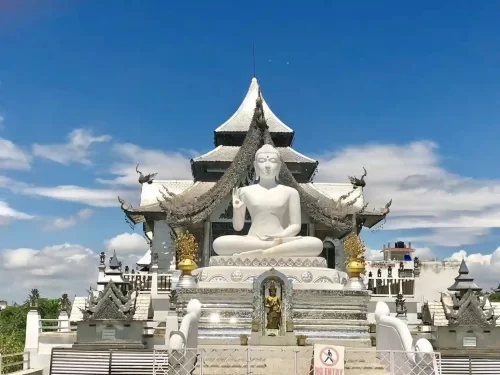
Metta Buddharam Temple Kushinagar, serene Buddhist temple featuring grand white Buddha statue and ornate Thai-style architecture in Uttar Pradesh. Temple

Metta Buddharam Temple

Metta Buddharam Temple is a peaceful Buddhist temple known for its meditation halls, spiritual ambiance, and cultural significance.
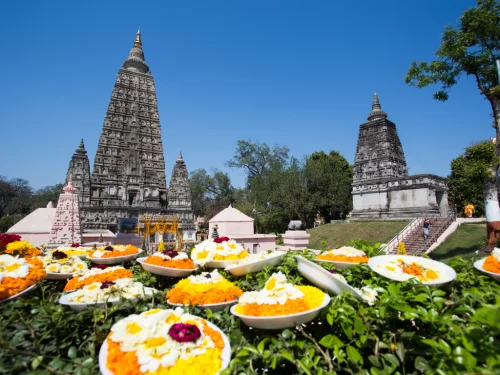
Mahabodhi Temple stupas with flower offerings in Bodh Gaya during sunny day, featuring ancient towers garlands trees lawns, perfect Bihar tour package. Temple

Mahabodhi Temple

Mahabodhi Temple in Bodh Gaya is the sacred site where Lord Buddha attained enlightenment and is a UNESCO World Heritage site.
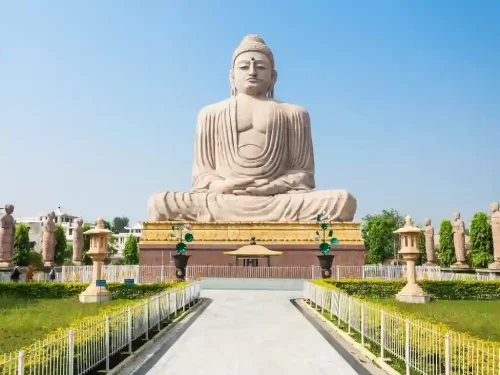
The Great Buddha Statue Bodh Gaya towering 80-foot seated Buddha sculpture, iconic spiritual landmark and major pilgrimage site in Bihar, India. Monument

The Great Buddha Statue

The Great Buddha Statue in Bodh Gaya is a world-famous spiritual landmark known for its massive seated Buddha figure and peaceful meditation atmosphere.

Frequently Asked Questions About Bodhgaya Bodhi Tree

Loved this place ? Let’s Plan Your Bihar Trip

Get customized Bihar tour planning designed around spiritual circuits, seasonal weather comfort, road travel flow, and realistic pacing between heritage regions. Whether you are visiting for Buddhist sites, Jain pilgrimage journeys, historical landmarks,

⚡ Quick Response | 💰 Free consultation | 🕒 24×7 expert support

×

Plan Your Trip