Umananda Temple Guwahati – Riverside Shiva Shrine on Peacock Island

Umananda Temple , Guwahati
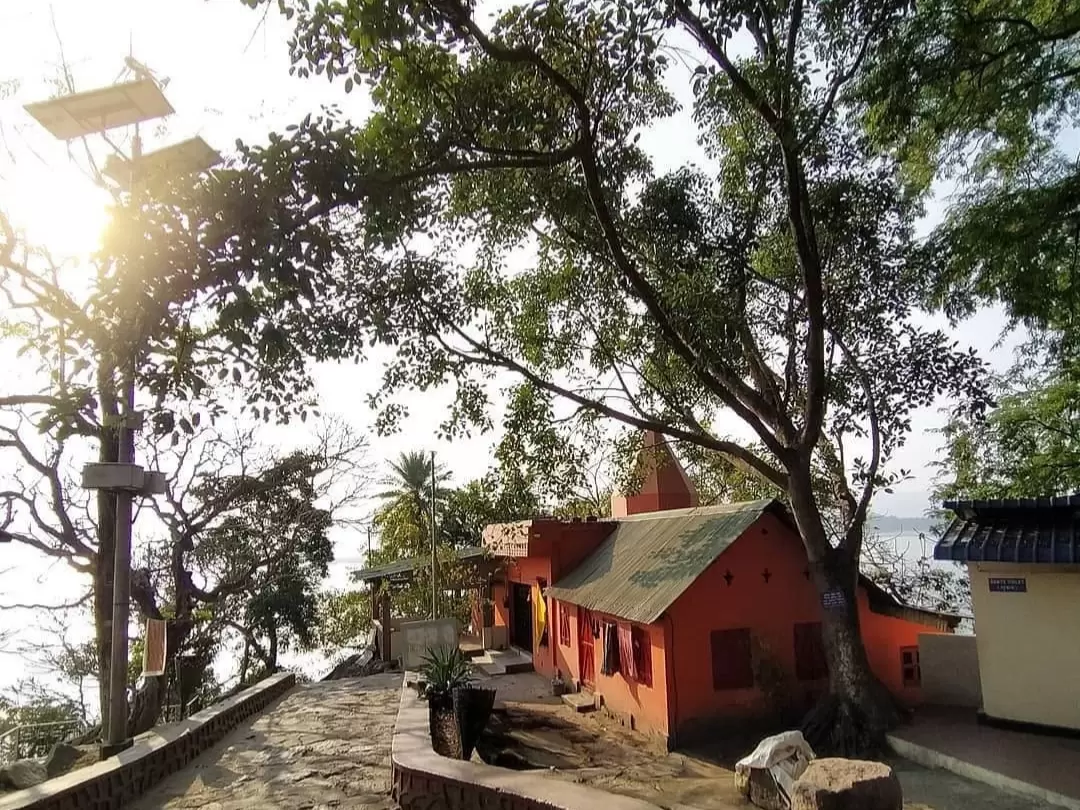
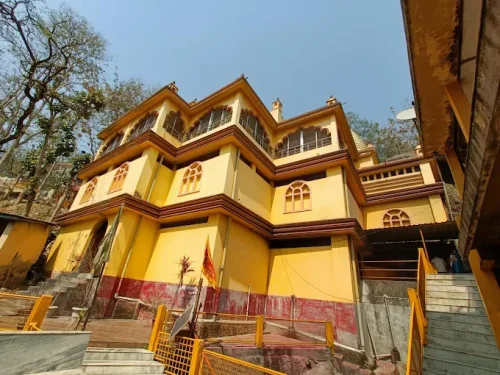
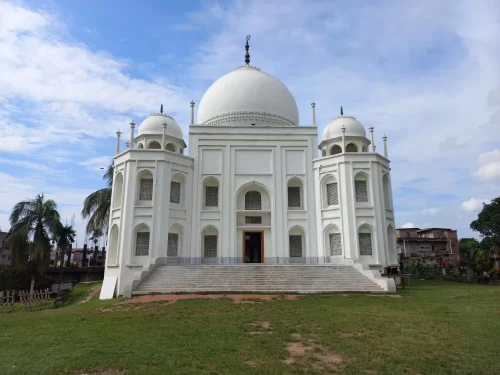
Situated on Umananda Island, also known as Peacock Island, the Umananda Temple is dedicated to Lord Shiva and is one of the most visited spiritual spots in Guwahati. Accessible by ferry, the temple attracts devotees and tourists alike for its religious significance, tranquil surroundings, and picturesque river views. The island’s lush greenery and occasional peacock sightings enhance the spiritual and scenic experience.

Quick Facts About Umananda Temple

Entry Fee 0
Timings 06:00 - 18:00
Altitude (m) 55
Ideal Visit Duration (hrs) 1.5
Best Time of Day Morning
Crowd Level High
Distance from Guwahati (km) 3
Walking Difficulty Moderate
Parking Available Yes
Last Mile Access Ferry
Suitable for Kids Yes
Suitable for Seniors No
Wheelchair Friendly No

Why Visit Umananda Temple, Guwahati

Atmosphere at Umananda Temple is peaceful and spiritual, set on a small river island in the middle of the Brahmaputra. The serene surroundings, gentle river currents, and the quiet ambiance create an immersive experience for devotees and visitors seeking a tranquil retreat from the city’s hustle. The boat ride to the temple adds to the sense of adventure and connection with nature.

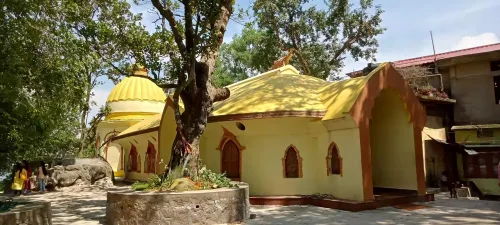
What makes Umananda Temple special is its unique location on Peacock Island, believed to be the smallest inhabited river island in the world. Dedicated to Lord Shiva, the temple combines religious significance with scenic beauty, offering panoramic views of the Brahmaputra and the surrounding hills. Visitors can enjoy witnessing rituals, exploring the temple’s architecture, and photographing the picturesque landscapes, making it a memorable spiritual and visual experience. Seasonal changes, from lush greenery during monsoon to clear winter skies, further enhance the charm.

Beyond its spiritual and scenic appeal, Umananda Temple provides cultural and historical significance, reflecting Assam’s religious heritage and legends associated with Lord Shiva. It caters to pilgrims, tourists, photographers, and families seeking a combination of devotion, exploration, and natural beauty. The holistic experience ensures that visitors leave with lasting impressions of the temple’s sacred aura and the tranquil environment surrounding it.

History of Umananda Temple, Guwahati

Umananda Temple, located on the small Peacock Island in the Brahmaputra River near Guwahati, Assam, is a revered Hindu shrine dedicated to Lord Shiva. Believed to have been established in the 17th century by King Gadadhar Singha of the Ahom dynasty, the temple has historically served as a significant center for worship and Tantric practices in the region.

The temple’s location on the river island adds both spiritual and strategic significance, historically providing a peaceful retreat for meditation and rituals. Over centuries, Umananda Temple has been rebuilt and restored multiple times due to flood damage, preserving its cultural and architectural heritage.

Legends associated with the temple link it to the cosmic dance of Shiva and the protection of the Brahmaputra’s islands. Today, it continues to attract devotees and tourists alike, offering a combination of religious reverence, scenic beauty, and historical significance in the heart of Guwahati.

Best Time to Visit Umananda Temple Guwahati

Visiting Umananda Temple in Guwahati is most enjoyable when the weather is pleasant and the Brahmaputra River is calm, ensuring a smooth ferry ride to the island temple. Seasonal planning enhances the overall spiritual and sightseeing experience.

The months from October to March are ideal for visiting, as the weather is cool, dry, and comfortable. During this period, ferry services operate smoothly, and visitors can enjoy sightseeing, temple rituals, and photography without discomfort from heat or humidity.

Spring and early summer, from March to June, offer sunny and bright days. Early morning or late afternoon visits are recommended to avoid the warmer hours while enjoying the ferry ride and panoramic views of the river and cityscape.

Monsoon season, from July to September, brings heavy rainfall and a swollen Brahmaputra River, which can affect ferry services. While the temple and its surroundings are lush and scenic, visitors should plan carefully and carry rain protection. This season sees fewer tourists, offering a quieter experience.
  • October to March for pleasant weather, smooth ferry rides, and temple visits
  • March to June for sunny days; early mornings or late afternoons recommended
  • July to September for lush greenery and fewer crowds, though ferry access may be limited due to rain
  • Early mornings provide the best light for photography and calm river views
  • Weekdays are generally quieter than weekends for a peaceful visit

How to Reach Umananda Temple, Guwahati

  • By Air: The nearest airport is Lokpriya Gopinath Bordoloi International Airport, about 20 km from the ferry points that access Umananda Temple. Visitors can hire taxis or app-based cabs to reach the ferry/boat launch comfortably.
  • By Train: Guwahati Railway Station is well connected to major cities like Delhi, Kolkata, and Mumbai. From the station, taxis, auto-rickshaws, or app-based cabs can take visitors to the river ferry or boating point for Umananda Temple.
  • By Road: Guwahati is well connected via NH37 and city roads. Regular buses, private taxis, and self-drive options are available to reach the riverbank points for the temple boat rides.
  • Local Transport: To reach the temple itself, boats or ferries from the riverbank are the only option. Visitors should check local schedules and weather conditions, as ferry trips depend on river levels and safety regulations.

What to Expect When You Visit Umananda Temple Guwahati

  • Immersive surroundings that reflect the true natural, cultural, or spiritual character of the destination, offering a peaceful and enriching travel experience.
  • Well-maintained visitor pathways and accessible viewing points designed to provide comfortable exploration while preserving the authenticity of the location.
  • Opportunities to engage with local traditions, regional architecture, or natural landscapes, allowing travelers to gain deeper cultural understanding.
  • Scenic photo spots and panoramic viewpoints that highlight the area’s unique beauty throughout different times of the day.
  • Informational boards, guides, or locally available assistance that help visitors learn the historical or environmental importance of the site.
  • Seasonal changes in atmosphere, crowd levels, and visual appeal, ensuring a different yet memorable experience depending on the time of visit.
  • Nearby amenities such as refreshment stalls, rest areas, or small markets offering local flavors and handicrafts.
  • A calm and respectful environment that allows visitors to fully absorb the significance and charm of the destination.

What to Expect When You Visit Umananda Temple Guwahati

  • Immersive surroundings that reflect the true natural, cultural, or spiritual character of the destination, offering a peaceful and enriching travel experience.
  • Well-maintained visitor pathways and accessible viewing points designed to provide comfortable exploration while preserving the authenticity of the location.
  • Opportunities to engage with local traditions, regional architecture, or natural landscapes, allowing travelers to gain deeper cultural understanding.
  • Scenic photo spots and panoramic viewpoints that highlight the area’s unique beauty throughout different times of the day.
  • Informational boards, guides, or locally available assistance that help visitors learn the historical or environmental importance of the site.
  • Seasonal changes in atmosphere, crowd levels, and visual appeal, ensuring a different yet memorable experience depending on the time of visit.
  • Nearby amenities such as refreshment stalls, rest areas, or small markets offering local flavors and handicrafts.
  • A calm and respectful environment that allows visitors to fully absorb the significance and charm of the destination.

Photography and Viewpoints at Umananda Temple, Guwahati

  • The temple, situated on Peacock Island in the Brahmaputra River, offers unique water-bound perspectives for photography.
  • Sunrise and sunset shots capture the temple silhouette against calm river waters, creating dramatic reflections and golden-hour compositions.
  • Close-up photography of temple architecture, stone carvings, and idol details provides intricate cultural and religious visuals.
  • Boat approaches to the island allow for dynamic and scenic shots of the temple from different angles and distances.
  • Seasonal variations, like monsoon river swell or misty winter mornings, add unique moods to both landscape and architectural photography.
  • Birdlife around the island, including resident peacocks and migratory species, offers opportunities for wildlife and nature photography alongside cultural imagery.

Near By Attraction

Devotees at Doul Govinda Temple in North Guwahati during clear daytime, featuring temple courtyard, green lawn and walkways, perfect spiritual experience Assam tour package. Temple

Doul Govinda Temple

Doul Govinda Temple is a prominent temple in Guwahati dedicated to Lord Krishna.

Navagraha Temple Guwahati Assam ancient hilltop temple dedicated to nine celestial planets with dome architecture Temple

Navagraha Temple Guwahati

Navagraha Temple in Guwahati is dedicated to the nine celestial deities of Hindu astrology.

Guwahati Planetarium Assam campus during sunny daytime, featuring brick building, green gardens and National Space Day banner, perfect family experience Guwahati tour package. Tourist Attraction

Guwahati Planetarium

Guwahati Planetarium offers an engaging experience of astronomy and space science for all ages.

Frequently Asked Questions About Umananda Temple

Umananda Temple is located on Peacock Island in the Brahmaputra River near Guwahati, Assam, India.
Visitors can reach Umananda Temple by ferry service operating from Kachari Ghat in Guwahati, Assam.
Umananda Temple is known for its dedication to Lord Shiva and for being situated on one of the smallest inhabited river islands in the world.
The best time to visit Umananda Temple is between October and March when the weather in Assam is pleasant and ferry services operate smoothly.
There is no mandatory entry fee to visit Umananda Temple, though ferry charges apply for reaching the island.
Umananda Temple generally opens in the morning and remains accessible until evening, with extended hours during major Hindu festivals.
Around one to two hours are sufficient to take the ferry, complete darshan, and explore the island surroundings at Umananda Temple.
Umananda Temple becomes especially crowded during Maha Shivaratri and other important Hindu festivals in Assam.
Photography may be restricted inside the main shrine area of Umananda Temple, and visitors should follow temple guidelines.
Tourists can find a wide range of hotels and guesthouses in Guwahati, Assam, within easy ferry access to Umananda Temple.

Loved this place ? Let’s Plan Your Assam Trip

Get customized Assam tour planning designed around seasonal weather patterns, river conditions, wildlife safari timing, and realistic road travel flow. Whether you are visiting for national parks, tea estate stays, cultural experiences, spiritual sites, o

⚡ Quick Response | 💰 Free consultation | 🕒 24×7 expert support

×

Plan Your Trip