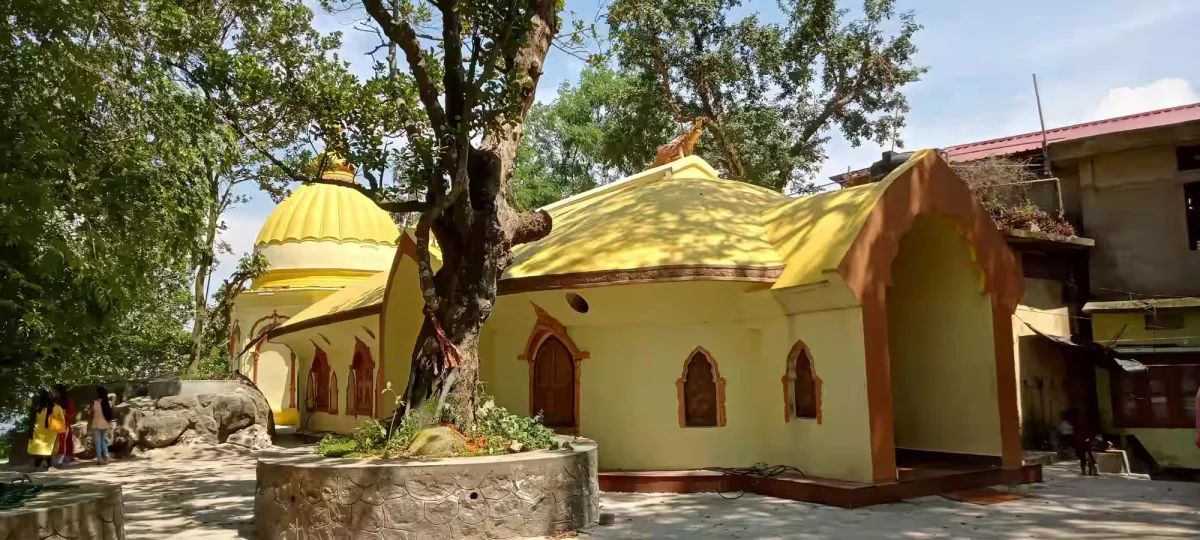
Bhubaneswari Temple, Guwahati, Assam, India

Bhubaneswari Temple , Guwahati
The temple is known for its religious significance and hilltop location overlooking the Brahmaputra River and Guwahati city. Visitors come to offer prayers, enjoy panoramic views, and explore an important spiritual site near the Kamakhya Temple area.

Quick Facts About Bhubaneswari Temple

Bhubaneswari Temple, Guwahati Quick Facts

Entry Fee Free
Timings Generally open from early morning to evening; timings may vary during special pujas and festivals.
Altitude (m) Approximately 200 m
Ideal Visit Duration 45 minutes–1 hour
Best Time of Day Early morning or evening for peaceful darshan and better views from Nilachal Hills.
Crowd Level Moderate; crowd increases during Navratri, Durga Puja, and other religious occasions.
Distance from City Centre (km) Approximately 8 km from Guwahati city centre.
Walking Difficulty Moderate; reaching the temple involves an uphill approach on Nilachal Hill.
Parking Available Limited parking is available near the temple area.
Last Mile Access Accessible by road up to the hill area, followed by a short uphill walk or steps to the temple.
Suitable for Kids Yes, with supervision on the hill pathway.
Suitable for Seniors Yes, if comfortable with uphill walking; vehicle access reduces walking effort.
Wheelchair Friendly Partially; road access is available, but steps and uneven hill terrain limit full wheelchair accessibility.

Why Visit Bhubaneswari Temple, Guwahati, Assam

Visitors come to Bhubaneswari Temple to seek blessings of Goddess Bhuvaneshwari and experience one of Guwahati's important hilltop Shakti shrines. The temple attracts devotees as well as travelers interested in the spiritual and cultural landmarks of Assam.

The atmosphere is peaceful and devotional, with the temple located on Nilachal Hills offering a calm environment away from the busy city surroundings. The hilltop setting also provides wide views of the Brahmaputra River and parts of Guwahati, making the visit a combination of worship and scenic observation.

What makes Bhubaneswari Temple distinct is its elevated location and connection with Shakti worship traditions in the region. Its serene hill setting, religious importance, and panoramic views make it a notable spiritual destination while exploring Guwahati.

History of Bhubaneswari Temple, Guwahati, Assam

Bhubaneswari Temple is a Hindu temple dedicated to Goddess Bhuvaneshwari, a revered form of Goddess Shakti, located on the Nilachal Hills near Guwahati, Assam. The temple is situated above the famous Kamakhya Temple and is part of the region's long-standing Shakta religious traditions.

The temple is associated with the worship of Goddess Bhuvaneshwari, who is considered the divine mother and one of the ten Mahavidyas in Shakta philosophy. The Nilachal Hills have been an important center of Goddess worship for centuries, with several shrines reflecting Assam's rich spiritual heritage.

Today, Bhubaneswari Temple is visited by devotees and travelers seeking spiritual experiences along with panoramic views of the Brahmaputra River and Guwahati city. Its religious significance and hilltop location make it an important shrine in the region.

Best Time to Visit Bhubaneswari Temple, Guwahati, Assam

The best time to visit Bhubaneswari Temple is from October to March, when the weather in Guwahati is pleasant for the hilltop journey and temple visit. The temple can be visited throughout the year, but the cooler months provide better conditions for enjoying the surrounding views and completing the climb comfortably.
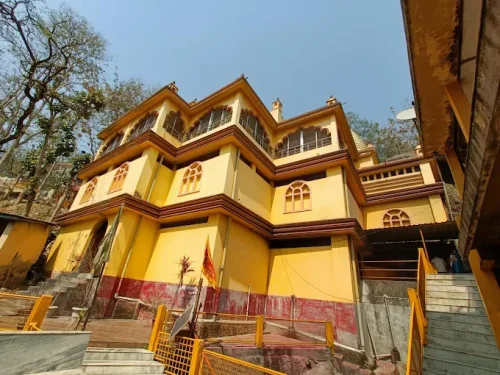
  • Ideal months: October to March for comfortable weather, easier hill access, and better sightseeing conditions.
  • Best season conditions: Cool and relatively dry weather makes the uphill travel to the temple more comfortable and offers clearer views of the Brahmaputra River and Guwahati landscape.
  • Periods to avoid: June to September due to heavy monsoon rainfall, which can make the hill road and pathways slippery while reducing visibility. Festival periods may also attract larger crowds and longer waiting times.

How to Reach Bhubaneswari Temple, Guwahati, Assam

  • Nearest Airport: The nearest airport is Lokpriya Gopinath Bordoloi International Airport, Guwahati, approximately 35 km from Bhubaneswari Temple. Taxis, app-based cabs, and local transport are available from the airport.
  • Nearest Railway Station: Guwahati Railway Station, around 10 km away, is the nearest major railhead with regular train connectivity to major cities in India. Taxis, auto-rickshaws, and city buses are available for the onward journey.
  • By Road: Bhubaneswari Temple is located on Nilachal Hill near Kamakhya Temple in Guwahati and is accessible by road from different parts of the city. Visitors can reach the hilltop by taxi or private vehicle through the uphill road. The final approach involves a short walk from the vehicle drop-off point, and roads can become congested during festivals and peak pilgrimage periods.

What to Expect When You Visit Bhubaneswari Temple, Guwahati, Assam

  • Bhubaneswari Temple is a Hindu temple located on Nilachal Hills near Guwahati, offering panoramic views of the Brahmaputra River, Guwahati city, and surrounding landscapes from its elevated location.
  • The temple is dedicated to Goddess Bhubaneswari and is an active place of worship where devotees visit for prayers, darshan, and religious rituals throughout the year.
  • The temple is reached by road through the hill route, followed by a short walk within the premises. The approach includes slopes and steps, which may require extra care for senior visitors.
  • Basic facilities such as parking areas, drinking water, and small shops selling ???? items may be available near the temple. Restaurants, hotels, medical facilities, and other services are available in Guwahati city.
  • Visitors are expected to remove footwear before entering the shrine, dress modestly, maintain cleanliness, and respect ongoing worship activities.
  • The hilltop location provides opportunities for photography, especially of the Brahmaputra River and city views. Visitors should follow temple guidelines regarding photography inside religious areas.
  • The temple experiences higher visitor numbers during festivals such as Navratri and other special religious occasions. Early morning visits usually provide a quieter atmosphere.
  • The hill area can become slippery during the monsoon due to rainfall. Wearing comfortable footwear, carrying rain protection, and taking care while walking on slopes are recommended.

Important Visitor Information for Bhubaneswari Temple, Guwahati, Assam

  • Crowd and weather: Bhubaneswari Temple is busiest during Navratri, Durga Puja, and other Hindu festivals, as well as on weekends. Guwahati experiences hot and humid summers, while the monsoon season can bring heavy rainfall and slippery hill pathways around the temple area.
  • Peak and quiet visiting hours: Early morning and evening are preferred times for darshan and offer a calmer atmosphere. Crowds generally increase during festival days, special rituals, and evening prayer hours.
  • Dress code: The temple is an active Hindu place of worship. Visitors should wear modest clothing suitable for a religious site, remove footwear before entering the temple area, and maintain decorum during prayers.
  • Safety and practical cautions: The temple is located on Nilachal Hill, and visitors should take care while walking on slopes and steps, especially during the monsoon. During festivals, expect queues and crowded conditions. Follow temple guidelines regarding photography, restricted areas, and movement within the premises.

Photography and Viewpoints at Bhubaneswari Temple, Guwahati, Assam

  • The temple entrance, hilltop setting, and surrounding open areas provide the best photography opportunities, with views of the Brahmaputra River and Guwahati city from the temple surroundings.
  • The elevated location on Nilachal Hill offers wide landscape views, making it suitable for capturing the cityscape, river, and nearby hills along with the temple structure.
  • Morning hours provide clearer visibility and softer light for landscape photography, while late afternoon and sunset offer better conditions for capturing panoramic views of Guwahati and the Brahmaputra River.
  • Photography is generally permitted in the temple premises. Visitors should follow temple rules and avoid photography inside the sanctum or during religious rituals if restricted by temple authorities.
  • The temple area can become crowded during festivals, weekends, and special religious occasions. Visiting early in the morning or on weekdays provides better access to viewpoints and quieter photography conditions.

Near By Attraction

Maa Bagalamukhi Temple Temple

Maa Bagalamukhi Temple

Maa Bagalamukhi Temple is a Hindu temple dedicated to Goddess Bagalamukhi, located in Guwahati, Assam, India.
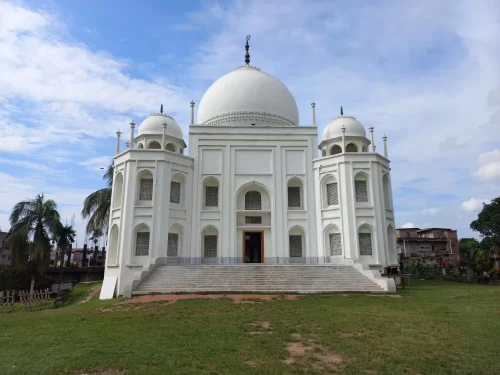
Mini Tajmahal Tourist Attraction

Mini Tajmahal

Mini Tajmahal is a Taj Mahal-inspired mausoleum and religious monument located in the Hatigaon–Sijubari area of Guwahati, Assam. It was built as a memorial associated with the Khanka Sharif complex and has become a local landmark.
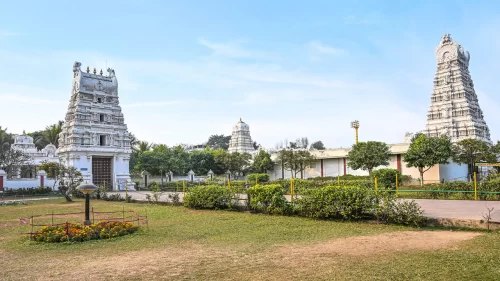
Purva Tirupati Sri Balaji Temple Temple

Purva Tirupati Sri Balaji Temple

Purva Tirupati Sri Balaji Temple is a prominent Hindu temple dedicated to Lord Venkateswara (Balaji), located on the outskirts of Guwahati in Assam.

Frequently Asked Questions About Bhubaneswari Temple

Devotees visit Bhubaneswari Temple to seek the blessings of Goddess Bhubaneswari and enjoy its peaceful spiritual atmosphere along with panoramic views of Guwahati from Nilachal Hill.
No, there is no entry fee to visit Bhubaneswari Temple. Devotees may make voluntary donations or participate in special pujas.
The best time to visit is from October to April when the weather is pleasant and ideal for temple visits and sightseeing.
Most visitors spend around 30 minutes to 1 hour offering prayers, exploring the temple, and enjoying the surrounding viewpoints.
Bhubaneswari Temple is located on Nilachal Hill in Guwahati and can be reached by road using private vehicles, local taxis, auto-rickshaws up to the accessible point, and tourist cabs.
Visitors can travel by private cars, local taxis, tourist cabs, motorcycles, and app-based taxis where available. No union taxi or special permit vehicle is required.
No permit is required for Indian or foreign tourists to visit Bhubaneswari Temple.
Yes, many visitors combine Bhubaneswari Temple with Kamakhya Temple as both are located on Nilachal Hill and are among Guwahati's most important spiritual attractions.
Bhubaneswari Temple generally remains open from early morning until evening. Timings may vary slightly during festivals and special religious occasions.
Yes, the temple is suitable for senior citizens and families. Some walking and steps may be required near the temple premises.
Photography is generally allowed in the outer premises, but visitors should avoid taking photographs inside the sanctum if restricted by temple authorities.
Visitors often combine Bhubaneswari Temple with Kamakhya Temple, Umananda Temple, Brahmaputra Riverfront, Assam State Museum, and Basistha Temple.
Yes, limited parking is available near the temple for private vehicles and tourist taxis, although availability may be limited during festivals.
Bhubaneswari Temple is known for its spiritual significance, peaceful surroundings, beautiful hilltop location, and panoramic views of Guwahati and the Brahmaputra River.

Loved this place ? Let’s Plan Your Assam Trip

Get customized Assam tour planning designed around seasonal weather patterns, river conditions, wildlife safari timing, and realistic road travel flow. Whether you are visiting for national parks, tea estate stays, cultural experiences, spiritual sites, o

⚡ Quick Response | 💰 Free consultation | 🕒 24×7 expert support

×

Plan Your Trip