Quick Facts About Srimanta Sankardev Kalakshetra Guwahati
| Entry Fee | 30 |
| Timings | 10:00 - 19:00 |
| Altitude (m) | 55 |
| Ideal Visit Duration (hrs) | 3 |
| Best Time of Day | Morning |
| Crowd Level | High |
| Distance from Guwahati (km) | 12 |
| Walking Difficulty | Easy |
| Parking Available | Yes |
| Last Mile Access | Road |
| Suitable for Kids | Yes |
| Suitable for Seniors | Yes |
| Wheelchair Friendly | No |
Why Visit Srimanta Sankardev Kalakshetra, Guwahati
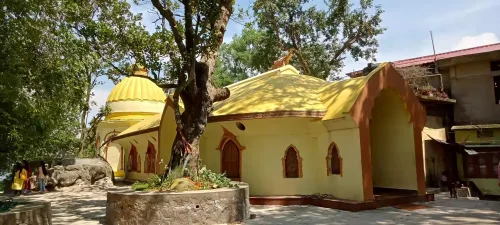
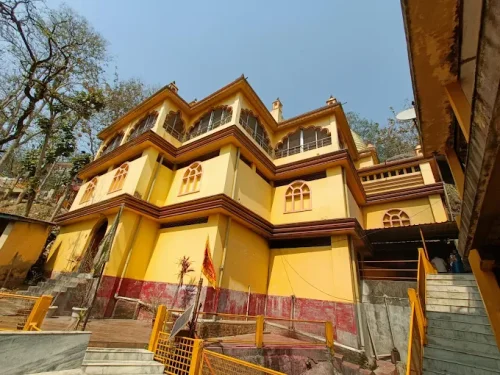
Atmosphere at Srimanta Sankardev Kalakshetra is vibrant, educational, and culturally enriching, offering visitors an immersive experience into Assam’s art, culture, and heritage. The campus is spacious, well-maintained, and surrounded by lush greenery, providing a serene yet engaging environment for travelers, students, and art enthusiasts.
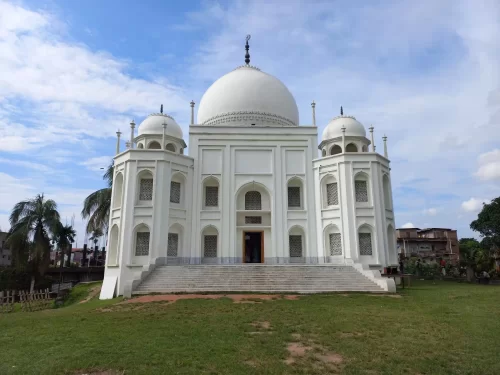
What makes Srimanta Sankardev Kalakshetra special is its dedication to preserving and promoting Assamese culture through museums, galleries, auditoriums, and open-air exhibits. Visitors can explore traditional crafts, classical dance forms, music, sculptures, and architectural replicas that celebrate Assam’s rich legacy. Seasonal cultural performances and workshops further enhance the experience, allowing guests to actively participate and gain deeper insight into the state’s heritage.
Beyond its educational and visual appeal, Srimanta Sankardev Kalakshetra provides cultural and historical significance, honoring the life and contributions of the saint-reformer Srimanta Sankardev. It caters to tourists, students, researchers, and families seeking a meaningful blend of learning, exploration, and appreciation of Assamese traditions. The holistic experience ensures that visitors leave with lasting impressions of Assam’s vibrant culture and artistic richness.
Best Time to Visit Srimanta Sankardev Kalakshetra Guwahati
Visiting Srimanta Sankardev Kalakshetra in Guwahati is most enjoyable when the weather is pleasant, allowing visitors to explore its cultural, architectural, and artistic exhibits comfortably. Proper timing enhances the overall experience of this prominent cultural and heritage center.
The months from October to March are ideal for visiting, as the weather is cool, dry, and comfortable. This period is perfect for leisurely exploration of the museum, art galleries, open-air sculptures, and performance spaces without discomfort from heat or humidity.
Spring and early summer, from March to June, offer bright and sunny days. Visiting in the early morning or late afternoon is recommended to avoid warmer hours while enjoying outdoor exhibits and landscaped surroundings.
Monsoon season, from July to September, brings heavy rainfall in Guwahati. While indoor galleries remain accessible, outdoor exploration of the campus may be limited. However, this season sees fewer visitors, offering a quieter and peaceful experience for those prepared for occasional showers.
- October to March for comfortable weather and comprehensive exploration of the cultural complex
- March to June for sunny days; early mornings or late afternoons recommended
- July to September for fewer crowds, though outdoor areas may be affected by rain
- Early mornings provide the best light for photography and outdoor exhibits
- Weekdays are generally quieter than weekends for a relaxed visit
How to Reach Srimanta Sankardev Kalakshetra, Guwahati
- By Air: The nearest airport is Lokpriya Gopinath Bordoloi International Airport, about 15 km from Kalakshetra. Visitors can hire taxis or app-based cabs for a comfortable and direct transfer to the cultural complex.
- By Train: Guwahati Railway Station is well connected to major Indian cities such as Delhi, Kolkata, and Mumbai. From the station, taxis, auto-rickshaws, or app-based cabs can take visitors to Kalakshetra easily.
- By Road: Guwahati is connected via NH37 and city roads. Regular buses, private taxis, and self-drive vehicles provide convenient access to Srimanta Sankardev Kalakshetra from different parts of the city and nearby towns.
- Local Transport: Within Guwahati, taxis, auto-rickshaws, and rideshare services offer easy access. Clear signages and short distances make last-mile travel simple for visitors.
What to Expect When You Visit Srimanta Sankardev Kalakshetra Guwahati
- Immersive surroundings that reflect the true natural, cultural, or spiritual character of the destination, offering a peaceful and enriching travel experience.
- Well-maintained visitor pathways and accessible viewing points designed to provide comfortable exploration while preserving the authenticity of the location.
- Opportunities to engage with local traditions, regional architecture, or natural landscapes, allowing travelers to gain deeper cultural understanding.
- Scenic photo spots and panoramic viewpoints that highlight the area’s unique beauty throughout different times of the day.
- Informational boards, guides, or locally available assistance that help visitors learn the historical or environmental importance of the site.
- Seasonal changes in atmosphere, crowd levels, and visual appeal, ensuring a different yet memorable experience depending on the time of visit.
- Nearby amenities such as refreshment stalls, rest areas, or small markets offering local flavors and handicrafts.
- A calm and respectful environment that allows visitors to fully absorb the significance and charm of the destination.
Important Visitor Information and Safety of Srimanta Sankardev Kalakshetra Guwahati
- Crowd & Peak Hours: Expect higher visitor numbers during weekends, public holidays, and cultural events. Early morning visits are generally quieter and ideal for a relaxed experience.
- Weather Notes: Summers can be warm, monsoons may make outdoor areas slippery, and winters are mild and comfortable for exploring the campus.
- Dress Code: Wear comfortable shoes and modest clothing suitable for cultural and heritage sites. Light layers are recommended for mornings and evenings.
- Safety Tips: Stay on designated pathways, avoid touching exhibits or artifacts, supervise children, keep personal belongings secure, and follow site guidelines for a safe and enjoyable visit.
Photography and Viewpoints at Srimanta Sankardev Kalakshetra, Guwahati
- The expansive campus with traditional Assamese architecture provides excellent subjects for cultural and architectural photography.
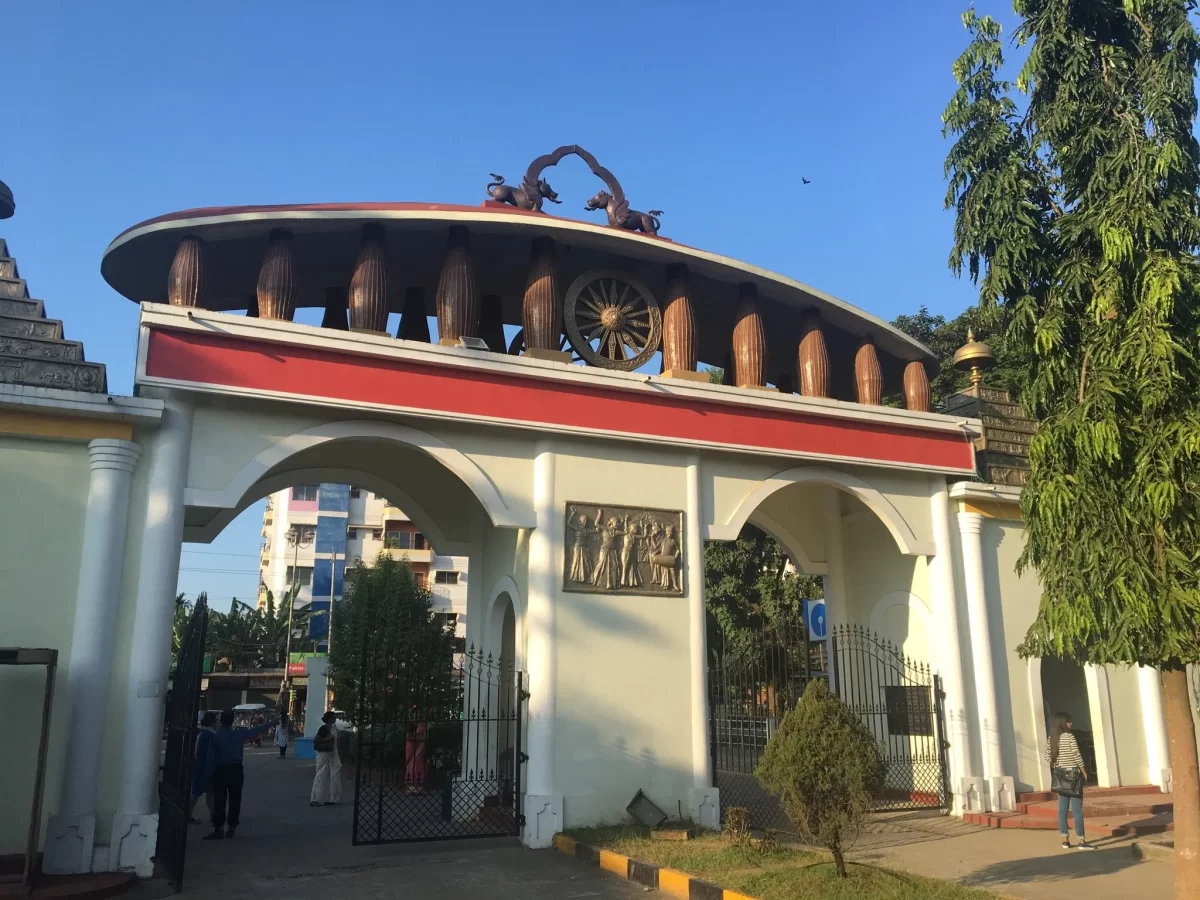
- Decorative sculptures, murals, and amphitheaters offer detailed close-up photography opportunities highlighting craftsmanship and artistic heritage.
- Wide pathways, landscaped gardens, and open spaces allow for panoramic shots of the entire Kalakshetra complex.
- Morning and late afternoon light enhances textures, colors, and shadows, making the artwork and structures visually striking in photographs.
- Cultural performances and festivals held here create dynamic opportunities for capturing motion, costumes, and local traditions.
- Elevated viewpoints within the campus provide scenic frames combining architectural elements with surrounding greenery and distant cityscape.