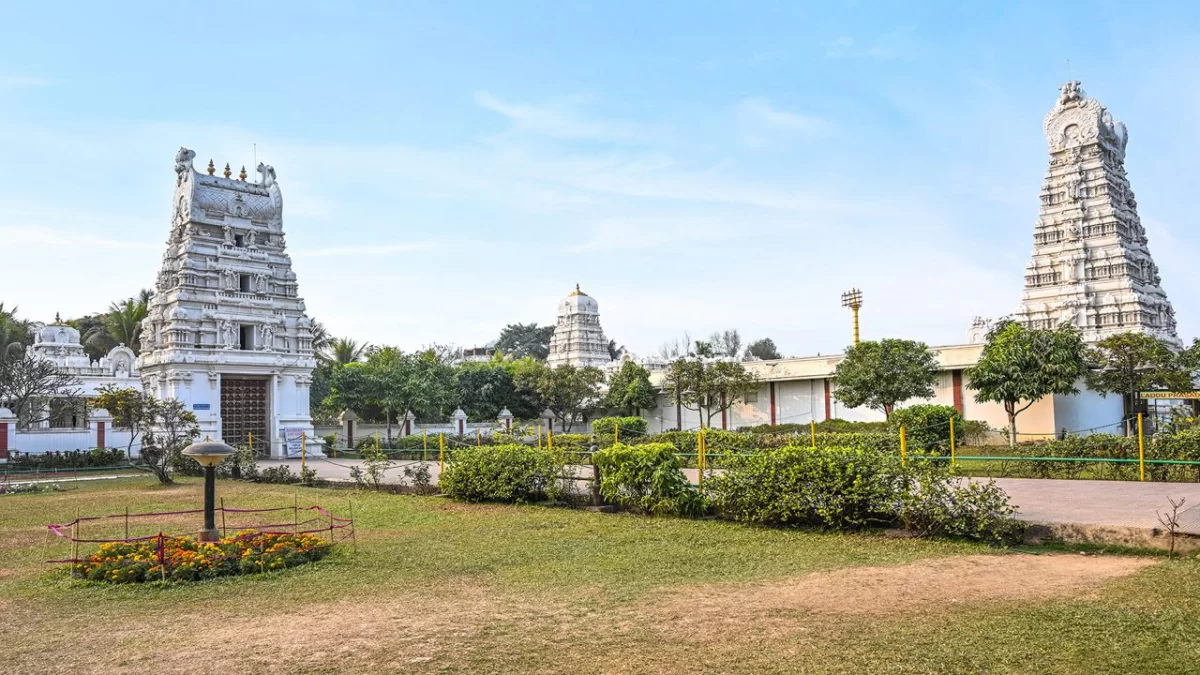
Purva Tirupati Sri Balaji Temple, Guwahati, Assam, India

Purva Tirupati Sri Balaji Temple , Guwahati
Visitors come to worship Lord Balaji, admire the South Indian Dravidian-style architecture, and experience a major Vaishnav pilgrimage site in Northeast India. The temple complex is known for its well-maintained grounds, traditional rituals, and peaceful setting, attracting both devotees and tourists throughout the year.

Quick Facts About Purva Tirupati Sri Balaji Temple

Purva Tirupati Sri Balaji Temple Quick Facts

Entry Fee No entry fee
Timings Darshan generally takes place from 8:30 AM–12:30 PM and 4:00 PM–8:00 PM; timings may vary during festivals and special sevas.
Altitude (m) Approximately 55 m above sea level
Ideal Visit Duration 1–2 hours
Best Time of Day Morning for a peaceful darshan or evening during aarti
Crowd Level Moderate; higher on weekends, Vaikuntha Ekadashi, Brahmotsavam, and major Hindu festivals
Distance from City Centre (km) Approximately 9 km from Guwahati city centre
Walking Difficulty Easy
Parking Available Yes, ample parking facilities are available within the temple premises
Last Mile Access Direct road access via Betkuchi–Garchuk area, followed by a short walk to the temple entrance
Suitable for Kids Yes
Suitable for Seniors Yes
Wheelchair Friendly Partially; the temple complex is relatively accessible, though certain areas may have steps

Why Visit Purva Tirupati Sri Balaji Temple

Visitors come to Purva Tirupati Sri Balaji Temple to worship Lord Venkateswara and experience a temple inspired by the architectural and spiritual traditions of Tirupati in South India.

The atmosphere is peaceful and devotional, with daily prayers, religious ceremonies, and a well-maintained temple complex attracting devotees and visitors throughout the year.

What makes Purva Tirupati Sri Balaji Temple distinct is its Dravidian-style architecture, dedication to Lord Venkateswara, and its role in bringing the traditions of Tirupati worship to northeastern India.

History of Purva Tirupati Sri Balaji Temple

Purva Tirupati Sri Balaji Temple, located near Guwahati in Assam, was established as a tribute to the renowned Tirumala Venkateswara Temple of Andhra Pradesh. Dedicated to Lord Venkateswara, also known as Sri Balaji, the temple was developed to provide devotees in northeastern India with a place of worship inspired by one of Hinduism's most revered pilgrimage traditions.

Constructed in the Dravidian architectural style, the temple reflects the cultural and religious influence of South Indian Vaishnavite traditions in the region. Its design, rituals, and devotional practices draw inspiration from the original Tirupati temple while serving the spiritual needs of local devotees.

Today, Purva Tirupati Sri Balaji Temple is an important religious landmark in Assam, attracting worshippers and visitors who come to experience its spiritual atmosphere and distinctive South Indian temple architecture.

Best Time to Visit Purva Tirupati Sri Balaji Temple

Purva Tirupati Sri Balaji Temple is best visited from October to March when the weather in Assam is pleasant and comfortable for temple visits, spiritual activities, and exploring the surrounding religious attractions.
  • Ideal months: October to March is the most favorable period to visit Purva Tirupati Sri Balaji Temple, offering comfortable temperatures and enjoyable conditions for darshan and sightseeing.
  • Weather conditions during the best season: Cool mornings, mild afternoons, and relatively dry weather make it convenient to attend temple rituals, spend time within the temple complex, and appreciate its South Indian-style architecture.
  • Periods to avoid: June to September brings heavy monsoon rainfall, which can affect travel and outdoor movement around the temple premises. April and May are generally warmer and more humid, making midday visits less comfortable.

How to Reach Purva Tirupati Sri Balaji Temple

  • Nearest Airport: Lokpriya Gopinath Bordoloi International Airport, Guwahati, located approximately 35 km from Purva Tirupati Sri Balaji Temple, is the nearest airport. Taxis and app-based cabs are readily available for the onward journey.
  • Nearest Railway Station: Guwahati Railway Station, about 12 km away, is the nearest major railway station and offers extensive rail connectivity to destinations across India.
  • Road Access and Last-Mile Connectivity: Purva Tirupati Sri Balaji Temple is situated on the outskirts of Guwahati near Betkuchi and is well connected by city roads and National Highway 27. Visitors can reach the temple by private vehicle, taxi, auto-rickshaw, or local bus. The final approach is fully motorable, with parking facilities available near the temple complex. The site remains easily accessible throughout the year, though traffic congestion may occur during weekends and major religious festivals.

What to Expect When You Visit Purva Tirupati Sri Balaji Temple

  • Environment and Surroundings: Purva Tirupati Sri Balaji Temple is a prominent Hindu temple dedicated to Lord Venkateswara, built in a style inspired by the famous Tirupati temple. Visitors can expect a peaceful spiritual atmosphere, landscaped surroundings, and traditional South Indian temple architecture.
  • Facilities and Amenities: The temple complex generally provides facilities such as parking areas, shoe storage arrangements, drinking water points, and spaces for devotees. Additional food and accommodation options are available in the surrounding area rather than within the temple premises.
  • Accessibility and Movement: The temple is accessible by road and can be explored comfortably on foot. Visitors may encounter stairways, open courtyards, and designated pathways while moving through the complex, but access is generally convenient for most age groups.
  • Visitor Conditions: Devotees visit throughout the year for darshan, prayers, and religious ceremonies. Crowd levels increase during weekends, special pujas, and major Hindu festivals, when waiting times for darshan may be longer and parking areas may become busier.

Important Visitor Information for Purva Tirupati Sri Balaji Temple

  • Purva Tirupati Sri Balaji Temple experiences the highest devotee footfall during weekends, Vaikuntha Ekadashi, Janmashtami, major Hindu festivals, and special temple celebrations.
  • Early morning hours generally offer a more peaceful darshan experience, while evenings and festival periods tend to attract larger crowds.
  • The temple remains accessible throughout the year, though visitor numbers increase significantly during religious occasions and holiday periods.
  • Modest attire is recommended within the temple premises, and footwear must be removed before entering the main shrine area.
  • Visitors should follow temple customs and queue arrangements, maintain decorum during prayers and rituals, and respect photography restrictions where applicable.

Photography and Viewpoints at Purva Tirupati Sri Balaji Temple

  • The best photographs are captured from the temple forecourt and entrance areas, where the South Indian-style gopuram, temple complex, and landscaped surroundings can be framed together.
  • Early morning provides softer light and fewer visitors, making it ideal for photographing the temple's architecture, decorative carvings, and intricate structural details.
  • The spacious temple grounds offer multiple angles for capturing the ornate gateways, shrines, pillared halls, and traditional Dravidian architectural elements.
  • The temple's colorful sculptures, detailed carvings, and ceremonial structures are best photographed during daylight hours when architectural features are clearly visible.
  • Photography is generally permitted in the outer sections of the complex, but photography inside the sanctum sanctorum and during religious rituals may be restricted. Visitors should follow instructions issued by temple authorities.
  • Major festivals, weekends, and special religious celebrations attract larger crowds, which can affect access to preferred photography locations within the premises.
  • Tripods, commercial photography, videography, and drone operations may require prior permission and may be restricted within the temple complex for religious and security reasons.

Near By Attraction

Bhubaneswari Temple Temple

Bhubaneswari Temple

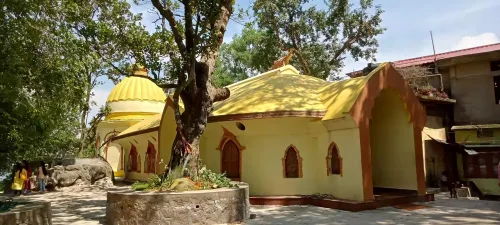
Bhubaneswari Temple is a Hindu temple dedicated to Goddess Bhubaneswari, located on Nilachal Hills near Guwahati, Assam, India.
Maa Bagalamukhi Temple Temple

Maa Bagalamukhi Temple

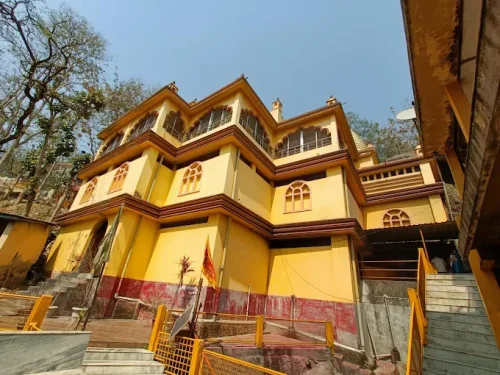
Maa Bagalamukhi Temple is a Hindu temple dedicated to Goddess Bagalamukhi, located in Guwahati, Assam, India.
Mini Tajmahal Tourist Attraction

Mini Tajmahal

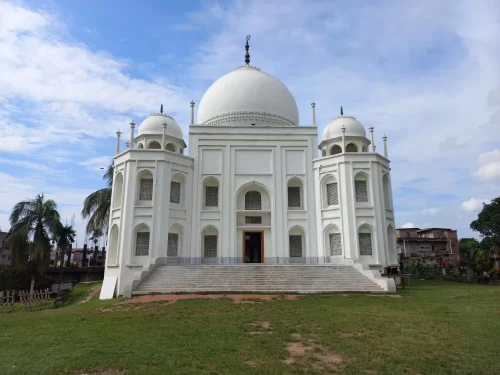
Mini Tajmahal is a Taj Mahal-inspired mausoleum and religious monument located in the Hatigaon–Sijubari area of Guwahati, Assam. It was built as a memorial associated with the Khanka Sharif complex and has become a local landmark.

Frequently Asked Questions About Purva Tirupati Sri Balaji Temple

Visitors can reach Purva Tirupati Sri Balaji Temple by road from Guwahati using private vehicles local taxis app based cabs or auto rickshaws. The temple is easily accessible from different parts of the city.
Private cars local taxis app based cabs and auto rickshaws can easily reach the temple. Union taxi or permit taxi is not required.
No special permit is required for Indian tourists or devotees to visit Purva Tirupati Sri Balaji Temple.
The best time to visit is from October to March when the weather is pleasant. Early mornings and evenings are ideal for a peaceful darshan.
Most visitors spend around 1 to 2 hours for darshan exploring the temple complex and enjoying the peaceful surroundings.
No entry fee is charged for visiting Purva Tirupati Sri Balaji Temple.
Purva Tirupati Sri Balaji Temple is famous for its beautiful South Indian style architecture peaceful atmosphere and the idol of Lord Venkateswara inspired by the Tirupati Balaji Temple.
Yes the temple is suitable for families children and senior citizens with good road access and a well maintained temple complex.
Photography may be permitted in the outer premises but is generally restricted inside the main sanctum. Visitors should follow the temple guidelines.
Basic washroom facilities and food outlets are available near the temple while several restaurants can also be found in Guwahati.
Visitors should wear modest and respectful clothing suitable for a religious place. Traditional attire is appreciated but not compulsory.
Yes devotees can participate in the daily prayers aarti and other religious rituals conducted according to the temple schedule.
The temple premises are generally accessible though accessibility may vary in certain sections. Visitors requiring assistance should check local arrangements.
Visitors should carry comfortable footwear drinking water and any offerings they wish to present while keeping valuables to a minimum.
Visitors should maintain silence inside the temple respect religious customs follow the queue system and avoid littering within the temple premises.

Loved this place ? Let’s Plan Your Assam Trip

Get customized Assam tour planning designed around seasonal weather patterns, river conditions, wildlife safari timing, and realistic road travel flow. Whether you are visiting for national parks, tea estate stays, cultural experiences, spiritual sites, o

⚡ Quick Response | 💰 Free consultation | 🕒 24×7 expert support

×

Plan Your Trip