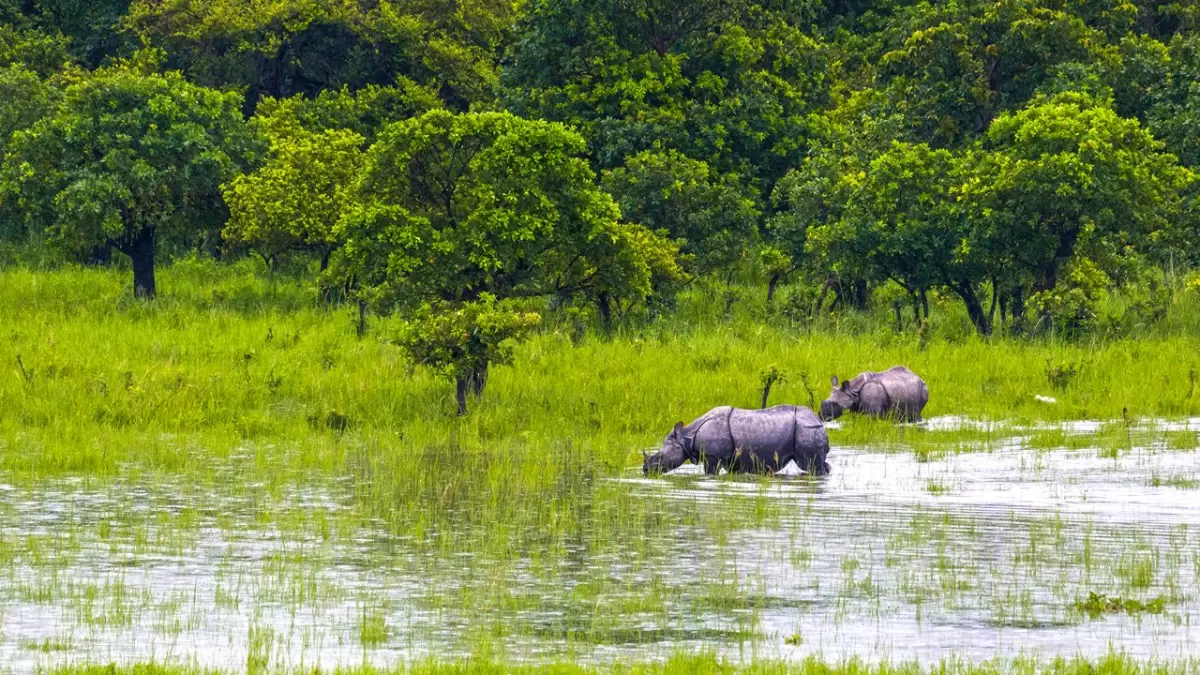
Pobitora Wildlife Sanctuary – Grassland Reserve Famous for One-Horned Rhinoceroses

Pobitora Wildlife Sanctuary , Guwahati
Tourists visit Pobitora Wildlife Sanctuary for its high density of Indian one-horned rhinoceroses, wetland ecosystems, and jeep safari experiences. The sanctuary also supports a variety of bird species and other wildlife, making it a popular nature destination in Assam.

Quick Facts About Pobitora Wildlife Sanctuary

Pobitora Wildlife Sanctuary Quick Facts

Entry Fee ?50 for Indian visitors; charges for safaris and guides are separate
Timings Generally 7:00 AM–4:00 PM; safari timings vary by season
Altitude (m) Approximately 50 m
Ideal Visit Duration 3–4 hours
Best Time of Day Early morning for wildlife sightings
Crowd Level Moderate; busiest during winter tourist season
Distance from City Centre (km) Approximately 40 km from Guwahati city centre
Walking Difficulty Easy
Parking Available Yes
Last Mile Access Direct road access to the forest range office and safari entry point
Suitable for Kids Yes
Suitable for Seniors Yes
Wheelchair Friendly Partially; accessibility is limited in safari areas and natural terrain

Why Visit Pobitora Wildlife Sanctuary

Visitors come to Pobitora Wildlife Sanctuary to spot the Indian one-horned rhinoceros and explore one of Assam's important protected wetland ecosystems through jeep and elephant safaris.

The on-ground atmosphere is peaceful and nature-focused, with grasslands, marshes, and frequent sightings of birds and wildlife creating an immersive experience for photographers and nature enthusiasts.

What makes Pobitora Wildlife Sanctuary distinct is its exceptionally high density of one-horned rhinoceroses within a relatively compact area, allowing travelers a strong chance of wildlife sightings in a short visit.

History of Pobitora Wildlife Sanctuary

Pobitora Wildlife Sanctuary, located in Assam's Morigaon district, was established as a reserved forest in 1971 to protect the region's wetlands, grasslands, and wildlife habitats. Recognizing its ecological importance, the area was officially declared a wildlife sanctuary in 1987.

The sanctuary is particularly known for conserving the Indian one-horned rhinoceros and has developed into one of the most important rhino habitats in Assam. Its floodplain ecosystem, influenced by the Brahmaputra River, supports a rich variety of birds, mammals, and reptiles.

Pobitora Wildlife Sanctuary plays a significant role in wildlife conservation in northeastern India and is regarded as an important protected area for preserving the natural heritage of Assam.

Best Time to Visit Pobitora Wildlife Sanctuary

Pobitora Wildlife Sanctuary is best visited during the dry season when jeep safaris operate regularly and the grasslands offer better opportunities to spot the sanctuary's famous one-horned rhinoceroses and other wildlife.
  • Ideal Months: November to April.
  • Best Season Conditions: Pleasant weather, lower humidity, open safari routes, and improved wildlife sightings as animals gather around water sources and open grasslands.
  • Periods to Avoid: May to October due to heavy monsoon rainfall and seasonal flooding, which can lead to temporary closure of safari activities and restricted access within the sanctuary.

How to Reach Pobitora Wildlife Sanctuary

  • By Air: The nearest airport is Lokpriya Gopinath Bordoloi International Airport in Guwahati, located about 50 km from Pobitora Wildlife Sanctuary. The airport is well connected with major Indian cities, and taxis can be hired directly for the onward journey to the sanctuary.
  • By Train: Guwahati Railway Station, approximately 45–50 km away, is the nearest major railhead. It offers regular train services from Delhi, Kolkata, Bengaluru, Chennai, and other important cities. From the station, visitors can reach Pobitora by taxi or private vehicle.
  • By Road: Pobitora Wildlife Sanctuary is situated near Mayong in Assam and is easily accessible by road from Guwahati via NH-27 and regional roads. The journey usually takes around 1.5 to 2 hours. The last-mile approach is fully motorable, and private taxis are the most convenient option. During the monsoon season, heavy rainfall and occasional flooding in low-lying areas may affect travel conditions and safari operations.

What to Expect When You Visit Pobitora Wildlife Sanctuary

  • Pobitora Wildlife Sanctuary consists of wetlands, grasslands, and marshy terrain, creating a natural habitat that supports a high population of one-horned rhinoceroses and other wildlife.
  • Visitors can expect organized safari experiences, including jeep safaris and seasonal elephant safaris, which are the primary ways to explore the protected area.
  • Basic tourist facilities such as parking areas, ticket counters, washrooms, and a few nearby accommodation options are available around the sanctuary entrance.
  • Movement inside the sanctuary is regulated, and visitors are required to follow designated routes and instructions provided by guides and forest authorities.
  • Wildlife sightings depend on natural conditions and cannot be guaranteed, although early morning visits generally offer better chances of spotting animals and birds.
  • Crowd levels are moderate during the tourist season, with increased visitor numbers on weekends and holidays.
  • The sanctuary remains humid for much of the year, and some sections may become inaccessible during heavy monsoon rains or seasonal flooding.
  • Visitors are expected to maintain silence, avoid littering, and respect wildlife by keeping a safe distance from animals at all times.

Safety Tips and Important Visitor Information for Pobitora Wildlife Sanctuary

  • Pobitora Wildlife Sanctuary is busiest during weekends and the peak tourism season from November to April, while early morning safari slots are comparatively less crowded and offer better wildlife sightings.
  • The sanctuary remains closed during much of the monsoon season due to heavy rainfall and waterlogging, which can affect accessibility and safari operations.
  • Visitors should wear comfortable clothing in muted colors and avoid loud noises to minimize disturbance to wildlife during jeep and elephant safaris.
  • For safety, tourists must remain inside designated safari vehicles and follow instructions given by forest guides, as the sanctuary is home to the Indian one-horned rhinoceros and other wild animals.
  • Walking outside permitted areas and attempting to approach or feed wildlife is strictly prohibited for both visitor safety and conservation purposes.

Photography and Viewpoints at Pobitora Wildlife Sanctuary

  • The grassland tracks used for jeep and elephant safaris provide the best opportunities to photograph the sanctuary’s one-horned rhinoceroses against the wetlands and tall elephant grass.
  • Watchtowers and elevated observation points inside the sanctuary offer wider views of marshes frequented by water birds, making them ideal for landscape and wildlife compositions.
  • Early morning safaris provide softer light and increased chances of spotting rhinos, wild boars, and migratory birds before temperatures rise.
  • Dense grass and seasonal water levels can partially obstruct animal sightings, so photography opportunities depend on the safari route and weather conditions.
  • Visitors must follow forest department regulations, and flash photography or any activity that disturbs wildlife is discouraged during safaris.
  • Peak tourist months between November and March can result in multiple safari vehicles at popular sighting locations, occasionally affecting unobstructed wildlife shots.

Near By Attraction

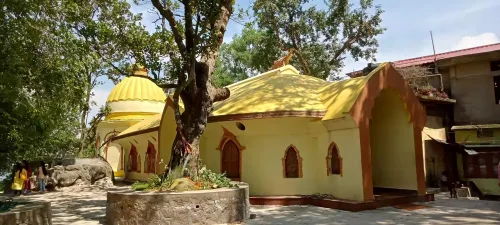
Bhubaneswari Temple Temple

Bhubaneswari Temple

Bhubaneswari Temple is a Hindu temple dedicated to Goddess Bhubaneswari, located on Nilachal Hills near Guwahati, Assam, India.
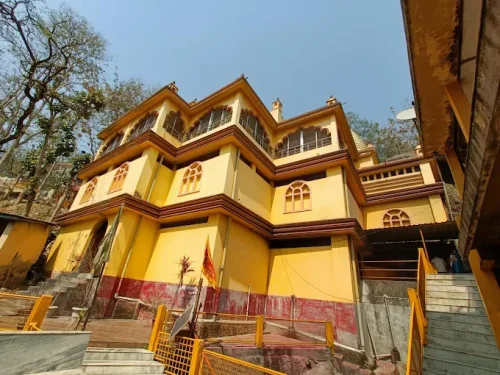
Maa Bagalamukhi Temple Temple

Maa Bagalamukhi Temple

Maa Bagalamukhi Temple is a Hindu temple dedicated to Goddess Bagalamukhi, located in Guwahati, Assam, India.

Mini Tajmahal Tourist Attraction

Mini Tajmahal

Mini Tajmahal is a Taj Mahal-inspired mausoleum and religious monument located in the Hatigaon–Sijubari area of Guwahati, Assam. It was built as a memorial associated with the Khanka Sharif complex and has become a local landmark.

Frequently Asked Questions About Pobitora Wildlife Sanctuary

Loved this place ? Let’s Plan Your Assam Trip

Get customized Assam tour planning designed around seasonal weather patterns, river conditions, wildlife safari timing, and realistic road travel flow. Whether you are visiting for national parks, tea estate stays, cultural experiences, spiritual sites, o

⚡ Quick Response | 💰 Free consultation | 🕒 24×7 expert support

×

Plan Your Trip