Nameri National Park Assam – Wildlife Sanctuary and Adventure Spot

Nameri National Park , Tezpur
Located in the Sonitpur district, Nameri National Park is home to elephants, tigers, leopards, and a variety of bird species. The park features lush forests, rivers, and grasslands, offering opportunities for birdwatching, nature trails, and river rafting. It is a popular destination for wildlife enthusiasts and adventure seekers looking to experience Assam’s natural beauty in a tranquil environment.

Quick Facts About Nameri National Park

Entry Fee 50
Timings 06:00 - 17:00
Altitude (m) 200
Ideal Visit Duration (hrs) 12
Best Time of Day Morning
Crowd Level High
Distance from Tezpur (km) 35
Distance from Guwahati (km) 220
Walking Difficulty Moderate
Parking Available Yes
Last Mile Access Walk
Suitable for Kids Yes
Suitable for Seniors Yes
Wheelchair Friendly No

Why Visit Nameri National Park

Atmosphere at Nameri National Park is tranquil, lush, and immersive, offering visitors a serene escape into Assam’s rich natural wilderness. The park’s dense forests, flowing rivers, and abundant wildlife create a calming environment where travelers can connect deeply with nature. The sounds of birds, rustling leaves, and river currents enhance the peaceful and refreshing ambiance of the park.

What makes Nameri National Park special is its rich biodiversity and scenic landscapes. Home to elephants, tigers, leopards, hornbills, and numerous other species, the park provides thrilling wildlife viewing opportunities through guided treks, jeep safaris, and river rafting. The park’s pristine environment and relatively lesser crowd compared to other wildlife destinations offer a more intimate and authentic experience for nature enthusiasts and photographers. Seasonal changes, such as monsoon greenery or winter clarity, further enhance its beauty and wildlife activity.

Beyond its visual and ecological appeal, Nameri National Park holds conservation and educational significance, raising awareness about habitat preservation and wildlife protection. It caters to wildlife enthusiasts, researchers, families, and travelers seeking adventure, learning, and immersive natural experiences. The holistic setting ensures that visitors leave with lasting impressions of Assam’s wilderness, biodiversity, and scenic charm.

History of Nameri National Park

Nameri National Park, located in Assam near the border with Arunachal Pradesh, was officially established as a protected area in 1998 to conserve the rich biodiversity of the region. The park is part of the Eastern Himalayan biodiversity hotspot and plays a crucial role in preserving endangered species such as the Indian elephant, tiger, and leopard, along with a variety of birds and reptiles.

Historically, the area was inhabited by local communities who coexisted with the dense forests and wildlife, relying on the river Jia Bhoroli and surrounding landscapes for sustenance. Early conservation initiatives recognized the ecological significance of Nameri’s forests and riverine habitats, leading to its designation as a national park to prevent habitat degradation and poaching.

Today, Nameri National Park stands as a vital ecological and conservation landmark in Assam, attracting researchers, wildlife enthusiasts, and eco-tourists. Its lush forests, diverse wildlife, and scenic riverine environment reflect both the natural heritage and the ongoing commitment to biodiversity preservation in Northeast India.

Best Time to Visit Nameri National Park

Visiting Nameri National Park is most enjoyable when the weather is pleasant, ensuring comfortable wildlife safaris, birdwatching, and trekking experiences. Seasonal planning greatly enhances the chances of spotting the park’s diverse flora and fauna.

The months from November to April are considered the best time to visit. During this period, the weather is dry and comfortable, allowing easy access to safari trails and optimal wildlife viewing, including elephants, leopards, hornbills, and other bird species.

Summer months, from March to May, can be warm, but early morning and late afternoon safaris remain enjoyable. Clear skies during this time provide excellent opportunities for photography and nature walks.

Monsoon season, from June to September, brings heavy rainfall, which can make trails muddy and certain areas inaccessible. While the park looks lush and green, wildlife sightings may be limited, and outdoor activities could be affected. This season is ideal for travelers seeking a quiet, off-season experience.
  • November to April for dry weather, accessible trails, and optimal wildlife sightings
  • March to May for early morning and late afternoon safaris during warmer months
  • June to September for lush greenery and fewer crowds, though trail access may be limited due to rain
  • Early mornings recommended for the best chance to spot active wildlife
  • Weekdays are generally quieter than weekends for a peaceful visit

How to Reach Nameri National Park

  • By Air: The nearest airport is Tezpur Airport, approximately 32 km from Nameri National Park. Lokpriya Gopinath Bordoloi International Airport in Guwahati, around 180 km away, is the nearest major airport. Visitors can hire taxis or pre-arranged transfers to reach the park comfortably.
  • By Train: The closest railway station is Tezpur/Dekargaon, about 30–35 km from the park. Trains from Guwahati and other major cities connect here, with onward travel via taxis or private vehicles to Nameri.
  • By Road: Nameri is accessible via NH15 and state highways. Regular buses, private taxis, and self-drive vehicles are available from Tezpur, Guwahati, and nearby towns. The drive offers scenic views of Assam’s rural and forested landscapes.
  • Local Transport: Within the park, entry is allowed only on guided vehicles or pre-arranged safari transports. Visitors should coordinate with park authorities or local resorts for safe and regulated access.

What to Expect When You Visit Nameri National Park

  • Immersive surroundings that reflect the true natural, cultural, or spiritual character of the destination, offering a peaceful and enriching travel experience.
  • Well-maintained visitor pathways and accessible viewing points designed to provide comfortable exploration while preserving the authenticity of the location.
  • Opportunities to engage with local traditions, regional architecture, or natural landscapes, allowing travelers to gain deeper cultural understanding.
  • Scenic photo spots and panoramic viewpoints that highlight the area’s unique beauty throughout different times of the day.
  • Informational boards, guides, or locally available assistance that help visitors learn the historical or environmental importance of the site.
  • Seasonal changes in atmosphere, crowd levels, and visual appeal, ensuring a different yet memorable experience depending on the time of visit.
  • Nearby amenities such as refreshment stalls, rest areas, or small markets offering local flavors and handicrafts.
  • A calm and respectful environment that allows visitors to fully absorb the significance and charm of the destination.

Important Visitor Information and Safety of Nameri National Park

  • Crowd & Peak Hours: Expect higher visitor traffic during peak tourist season (November to April) and on weekends. Early morning visits are quieter and ideal for wildlife spotting and river activities.
  • Weather Notes: Summers can be warm, monsoons (June to September) may cause flooding or slippery trails, and winters are mild and pleasant for outdoor activities.
  • Dress Code: Wear comfortable, neutral-colored clothing suitable for safaris, trekking, or river activities. Hats, sunglasses, and sunscreen are recommended. Light layers are advised for early mornings and evenings.
  • Safety Tips: Follow instructions from guides, stay within designated areas, avoid loud noises, keep personal belongings secure, and adhere to park rules for a safe and enjoyable experience.

Photography and Viewpoints at Nameri National Park

  • The park’s lush forests, riverbanks, and grasslands provide excellent landscape photography opportunities, especially during sunrise and sunset.
  • Wildlife photography is a highlight, with species such as elephants, tigers, hornbills, and primates inhabiting natural habitats.
  • Guided safaris and nature walks offer close-up and candid shots of animals without disturbing their behavior.
  • Elevated viewpoints and river crossings allow photographers to capture panoramic vistas of the park and surrounding hills.
  • Seasonal variations, including monsoon greenery or morning mist, add unique moods and textures to both wildlife and landscape photos.
  • Birdwatching is particularly rewarding, providing opportunities for capturing colorful, exotic, and rare species in scenic settings.

Near By Attraction

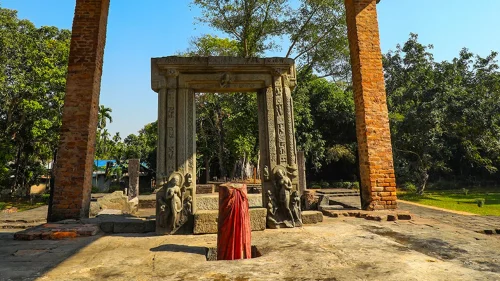
Bamuni Hills Tezpur ancient stone ruins sculpted pillars capitals friezes scattered boulders carvings trees sunlight Chitralekha Udyan park, perfect archaeological site Assam tour packages. Archaeological Site

Bamuni Hills

Bamuni Hills is an archaeological site in Tezpur known for its ancient rock carvings and sculptures.

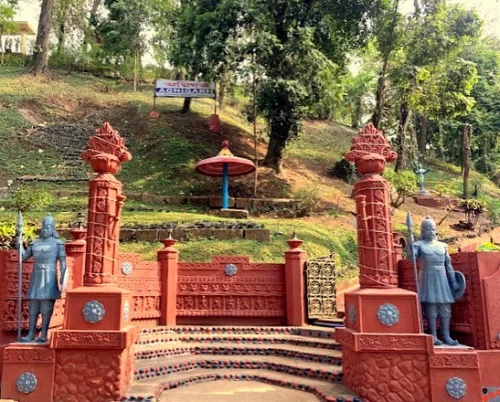
Agnigarh Hill Tezpur Assam scenic park with statue, lush greenery and historic mythological landmark view Historical Site

Agnigarh

Agnigarh is a historic hillock in Tezpur associated with the legendary love story of Princess Usha and Aniruddha.

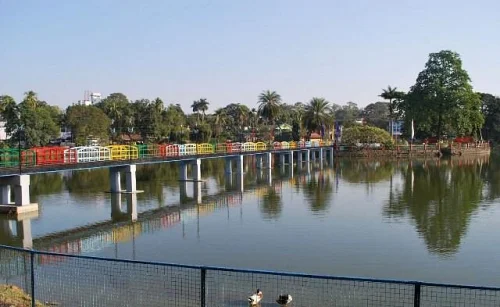
Chitralekha Udyan Tezpur display MiG-21 fighter aircraft Indian Air Force grey fuselage roundel red stripe trees blue sky concrete wall greenery, perfect aviation history park Tezpur Assam tour package. Garden

Chitralekha Udyan

Chitralekha Udyan is a popular riverside park in Tezpur, perfect for relaxation and leisure.

Frequently Asked Questions About Nameri National Park

Nameri National Park is located near Tezpur in Sonitpur district of Assam, India, along the foothills of Arunachal Pradesh.
Nameri National Park is known for its riverine landscape, birdwatching opportunities, and sightings of elephants and other forest wildlife.
The best time to visit Nameri National Park is from November to April when the weather is dry and outdoor activities operate smoothly.
Tourists can reach Nameri National Park by road from Tezpur, while Guwahati in Assam serves as the nearest major airport and rail hub.
Yes, visitors must purchase an entry ticket at the forest gate and register before entering Nameri National Park.
Nameri National Park supports elephants, leopards, deer species, and a wide range of resident and migratory birds.
Jeep safaris are limited, and guided forest walks are the primary way to explore Nameri National Park.
Yes, guided river rafting on the Jia Bhoroli River is available near Nameri National Park during the open season.
A half day is usually sufficient for forest walks and rafting, while a full day allows better wildlife and birdwatching opportunities in Nameri National Park.
Visitors should carry valid ID, drinking water, comfortable footwear, and binoculars when visiting Nameri National Park.
Tourists can find eco camps, forest lodges, and hotels near Tezpur and around the park boundary in Assam.

Loved this place ? Let’s Plan Your Assam Trip

Get customized Assam tour planning designed around seasonal weather patterns, river conditions, wildlife safari timing, and realistic road travel flow. Whether you are visiting for national parks, tea estate stays, cultural experiences, spiritual sites, o

⚡ Quick Response | 💰 Free consultation | 🕒 24×7 expert support

×

Plan Your Trip