Da Parbatia Temple, Tezpur, Sonitpur District, Assam, India

Da Parbatia Temple , Tezpur
The temple is known for its ancient stone doorway with intricate carvings and is considered one of the oldest surviving examples of sculptural art in Assam. Visitors come to explore its historical importance, archaeological features, and connection with early Hindu temple architecture.

Quick Facts About Da Parbatia Temple

Da Parbatia Temple, Tezpur Quick Facts

Entry Fee Free
Timings Generally open from sunrise to sunset; timings may vary during special religious occasions.
Altitude (m) Approximately 70 m
Ideal Visit Duration 30 minutes–1 hour
Best Time of Day Morning or late afternoon for comfortable weather and better photography light.
Crowd Level Low to moderate; visitor numbers increase during weekends and religious occasions.
Distance from City Centre (km) Approximately 5 km from Tezpur town centre.
Walking Difficulty Easy; the temple is accessible through a short walk from the entrance.
Parking Available Limited parking is available near the temple premises.
Last Mile Access Accessible by motorable road followed by a short walk to the temple entrance.
Suitable for Kids Yes
Suitable for Seniors Yes; minimal walking is required, though some uneven surfaces may be present.
Wheelchair Friendly Partially; the approach is accessible, but ancient temple structures may have uneven areas.

Why Visit Da Parbatia Temple, Tezpur, Assam

Visitors come to Da Parbatia Temple to explore one of Assam's oldest surviving examples of sculptural art and early temple architecture. The site attracts history enthusiasts, archaeology lovers, and travelers interested in the cultural heritage of Tezpur.

The atmosphere is quiet and heritage-focused, with ancient stone carvings and the remains of the temple structure set within a peaceful archaeological site. Visitors can take time to observe the detailed doorway carvings and the craftsmanship preserved at the location.

What makes Da Parbatia Temple distinct is its historic stone doorway featuring intricate carvings associated with early medieval Assamese art. Its archaeological importance and compact setting make it a significant heritage stop for visitors exploring Tezpur's ancient monuments.

History of Da Parbatia Temple, Tezpur, Assam

Da Parbatia Temple is an ancient Hindu temple site located near Tezpur in Sonitpur district, Assam. The remains of the temple date back to the 6th century CE and are considered among the oldest examples of sculptural art and temple architecture in Assam. The site is associated with the Gupta period and reflects the early development of Hindu religious architecture in the region.

The original temple structure has largely disappeared, but the surviving stone doorway is the most significant feature of the site. The doorway displays intricate carvings of Goddess Ganga and Goddess Yamuna along with decorative motifs, representing the refined craftsmanship of the period.

Today, Da Parbatia Temple is protected by the Archaeological Survey of India (ASI) and is an important heritage site in Assam. Visitors come to explore its ancient architectural remains and understand the early historical and religious traditions of the Brahmaputra Valley.

Best Time to Visit Da Parbatia Temple, Tezpur, Assam

The best time to visit Da Parbatia Temple is from October to April, when the weather in Tezpur is pleasant for exploring this ancient archaeological site. The cooler months provide comfortable conditions for viewing the temple ruins and appreciating its historic stone carvings.
  • Ideal months: October to April for comfortable sightseeing and exploring the temple complex.
  • Best season conditions: Cool and dry weather makes it easier to spend time outdoors, examine the carved doorway and remains of the ancient temple structure, and combine the visit with other Tezpur attractions.
  • Periods to avoid: June to September due to monsoon rainfall, which can bring high humidity, wet conditions, and occasional travel disruptions. Summer months (May to June) can also be warm during afternoon visits.

How to Reach Da Parbatia Temple, Tezpur, Assam

  • Nearest Airport: The nearest airport is Tezpur Airport (Salonibari Airport), approximately 12 km from Da Parbatia Temple. Lokpriya Gopinath Bordoloi International Airport, Guwahati, around 180 km away, is the nearest major airport with better flight connectivity. Taxis are available from both airports.
  • Nearest Railway Station: Tezpur Railway Station is the nearest railway station, located around 10 km from the temple. Rangapara North Junction, approximately 50 km away, provides better rail connectivity with other parts of Assam and nearby states.
  • By Road: Da Parbatia Temple is located near Tezpur town in Sonitpur district of Assam and is easily accessible by road. Tezpur is connected with Guwahati, Nagaon, Bhalukpong, and other towns through National Highway routes. Visitors can reach the temple by private vehicle, taxi, auto-rickshaw, or local buses. The temple entrance is close to the roadside, requiring only a short walk from the parking area.

What to Expect When You Visit Da Parbatia Temple, Tezpur, Assam

  • Da Parbatia Temple is an ancient archaeological site located near Tezpur in Sonitpur district, Assam. Visitors can expect to see one of the oldest examples of stone carving and temple architecture in the region.
  • The site is known for its carved stone doorway featuring detailed artistic work and remains of an ancient temple structure. The existing ruins provide insight into early Hindu architectural traditions of Assam.
  • The temple area is small and can be explored easily on foot. The surroundings are generally quiet, with a simple open layout and limited walking requirements.
  • Basic facilities at the site are limited. Parking may be available nearby, while restaurants, shops, restrooms, and other visitor amenities are mainly found in Tezpur town.
  • The monument is protected as a heritage site. Visitors should avoid touching carvings, climbing on structures, or causing any damage to the ancient remains.
  • The site is suitable for visitors interested in history, archaeology, architecture, and photography. The detailed stone carvings are the main attraction for heritage enthusiasts.
  • Visitor numbers are generally moderate, with higher activity during weekends, holidays, and local sightseeing trips around Tezpur.
  • The area can become warm and humid, especially during summer. Carrying drinking water, using sun protection, and visiting during comfortable hours are recommended.

Important Visitor Information for Da Parbatia Temple, Tezpur, Assam

  • Crowd and weather: Da Parbatia Temple is generally a quiet historical site with more visitors during weekends, holidays, and the winter tourist season from October to March. Summers in Tezpur can be hot, while the monsoon may bring rain and slippery surfaces around the site.
  • Peak and quiet visiting hours: Morning hours are ideal for a peaceful visit and comfortable exploration of the ancient remains. Visitor activity is usually higher during late morning and afternoon.
  • Dress code: There is no strict dress code for visiting the archaeological site. Comfortable clothing and footwear suitable for walking on uneven ground are recommended. Visitors should maintain respect as the site has religious and historical significance.
  • Safety and practical cautions: Da Parbatia Temple is a protected archaeological monument with ancient stone carvings and remains. Avoid touching or damaging the carvings, do not enter restricted areas, and follow site guidelines. Take care while walking on uneven surfaces, especially during the monsoon when pathways may become slippery.

Photography and Viewpoints at Da Parbatia Temple, Tezpur, Assam

  • The ancient stone doorway of Da Parbatia Temple is the main photography highlight, featuring detailed carvings and one of the finest examples of early Assamese sculptural art.
  • The temple ruins and surrounding Archaeological Survey of India (ASI) protected area provide viewpoints for capturing the historic architecture along with the peaceful natural surroundings.
  • Morning light is ideal for photographing the intricate carvings on the stone entrance, while late afternoon offers softer illumination across the temple remains and surrounding greenery.
  • Photography for personal use is generally permitted within the monument area. Visitors should avoid touching the ancient carvings and follow any ASI guidelines regarding photography equipment or restricted sections.
  • The temple is usually less crowded compared with major tourist attractions in Assam. Visiting during morning hours provides quieter conditions for detailed architectural photography.

Near By Attraction

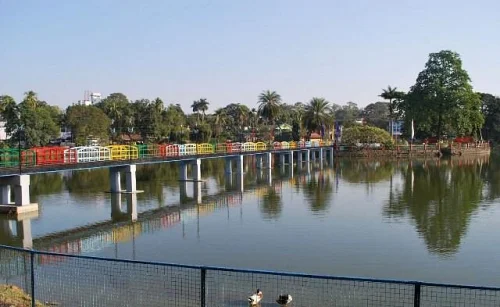
Padum Pukhuri in Tezpur featuring a scenic lake bridge, colorful railings, lush green island park, and serene water reflections, perfect leisure experience with Assam tour package. Garden

Padum Pukhuri

Padum Pukhuri is a landscaped lake and recreational park located in Tezpur, Sonitpur district, Assam, India.
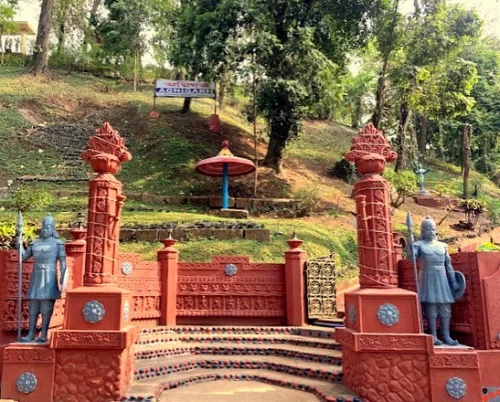
Agnigarh Hill featuring a red-walled gateway with guard statues, decorative pillars, steps leading up, and a wooded hillside background. Tourist Attraction

Agnigarh Hill

Agnigarh Hill is a historic hilltop park and cultural landmark located in Tezpur, Assam, associated with the legendary love story of Usha and Aniruddha from Hindu mythology.
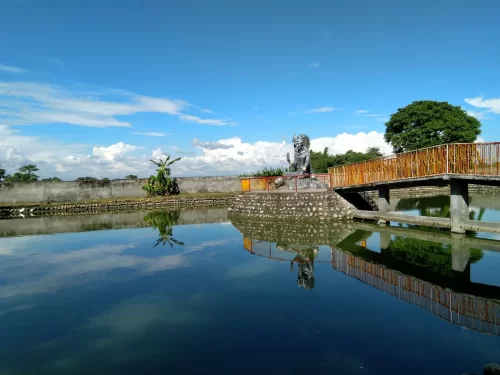
Haleshwar Temple featuring a large statue situated on a raised platform in the middle of a tranquil pond, connected by a pedestrian bridge. Temple

Haleshwar Temple

Haleshwar Temple is a historic Hindu temple dedicated to Lord Shiva, located on the outskirts of Tezpur in Sonitpur district, Assam.

Frequently Asked Questions About Da Parbatia Temple

Da Parbatia Temple is one of Assam's oldest archaeological sites, famous for its beautifully carved Gupta-period stone doorway and ancient temple ruins. It is a must-visit for history lovers, architecture enthusiasts, and cultural travelers.
There is no entry fee to visit Da Parbatia Temple, making it an excellent attraction for travelers interested in exploring Assam's ancient heritage.
The best time to visit is from October to April when the weather remains pleasant and comfortable for sightseeing around Tezpur.
Most travelers spend around 30 minutes to 1 hour exploring the temple ruins, ancient carvings, and surrounding archaeological site.
Da Parbatia Temple is located about 6 km from Tezpur city and is easily accessible by private cars, local taxis, auto-rickshaws, and app-based cabs where available.
The temple can be comfortably reached by private vehicles, local taxis, auto-rickshaws, motorcycles, and regular tourist cabs. No union taxi or special permit vehicle is required.
No permit is required for Indian or foreign tourists to visit Da Parbatia Temple.
Visitors can admire the ancient stone gateway, archaeological remains, intricate carvings, peaceful surroundings, and learn about one of Assam's earliest temple sites.
Yes, the temple is suitable for families, senior citizens, students, history enthusiasts, photographers, and cultural travelers.
Yes, photography is generally allowed for personal use. Visitors should avoid touching or climbing on protected archaeological structures.
Early morning and late afternoon are ideal for comfortable weather, fewer visitors, and better lighting for photography.
Travelers often combine Da Parbatia Temple with Agnigarh Hill, Mahabhairab Temple, Chitralekha Udyan, Bamuni Hills, and Cole Park during the same sightseeing trip.
Limited parking space is available near the entrance for cars and two-wheelers.
Da Parbatia Temple preserves one of the finest surviving examples of early Gupta-period temple architecture in Northeast India and reflects the rich cultural heritage of ancient Assam.

Loved this place ? Let’s Plan Your Assam Trip

Get customized Assam tour planning designed around seasonal weather patterns, river conditions, wildlife safari timing, and realistic road travel flow. Whether you are visiting for national parks, tea estate stays, cultural experiences, spiritual sites, o

⚑ Quick Response | πŸ’° Free consultation | πŸ•’ 24Γ—7 expert support

×

Plan Your Trip