+91 9910402252
admin@chalbanjare.com


| Entry Fee | 0 |
| Timings | 05:30 - 17:30 |
| Altitude (m) | 244 |
| Ideal Visit Duration (hrs) | 3 |
| Best Time of Day | Morning |
| Crowd Level | High |
| Distance from Guwahati (km) | 8 |
| Walking Difficulty | Moderate |
| Parking Available | Yes |
| Last Mile Access | Road |
| Suitable for Kids | Yes |
| Suitable for Seniors | No |
| Wheelchair Friendly | No |
Atmosphere at Kamakhya Temple is deeply spiritual and immersive, blending the serenity of Nilachal Hill with the devotional energy of one of India’s most revered Shaktipeeths. From the moment you approach the temple, the surroundings convey a sense of sacredness, with the lush green hills, the distant Brahmaputra River, and the rhythmic sounds of rituals creating an environment that is both calming and spiritually uplifting. Unlike heavily commercialized tourist spots, the temple maintains authenticity, offering visitors a genuine connection to centuries-old traditions.
What makes Kamakhya Temple special is its unique combination of religious significance, architectural beauty, and cultural heritage. The temple’s intricate carvings, tantric rituals, and legendary Ambubachi Mela attract pilgrims and curious travelers alike, offering an experience that is visually stunning and emotionally profound. Visitors can witness sacred ceremonies, explore the hilltop vantage points with panoramic views of Guwahati, and participate in a centuries-old spiritual practice that highlights India’s rich cultural tapestry. Seasonal changes further enhance its charm, from the verdant monsoon landscape to clear winter skies perfect for photography.
Beyond its aesthetic and spiritual appeal, Kamakhya Temple provides cultural depth through its festivals, legends, and ritual practices, making each visit meaningful and memorable. It caters to pilgrims, photographers, history enthusiasts, and travelers seeking a combination of scenic beauty, cultural insight, and spiritual enrichment. The holistic experience ensures that visitors leave with a lasting impression of both the temple’s sacred aura and the natural splendor surrounding it.
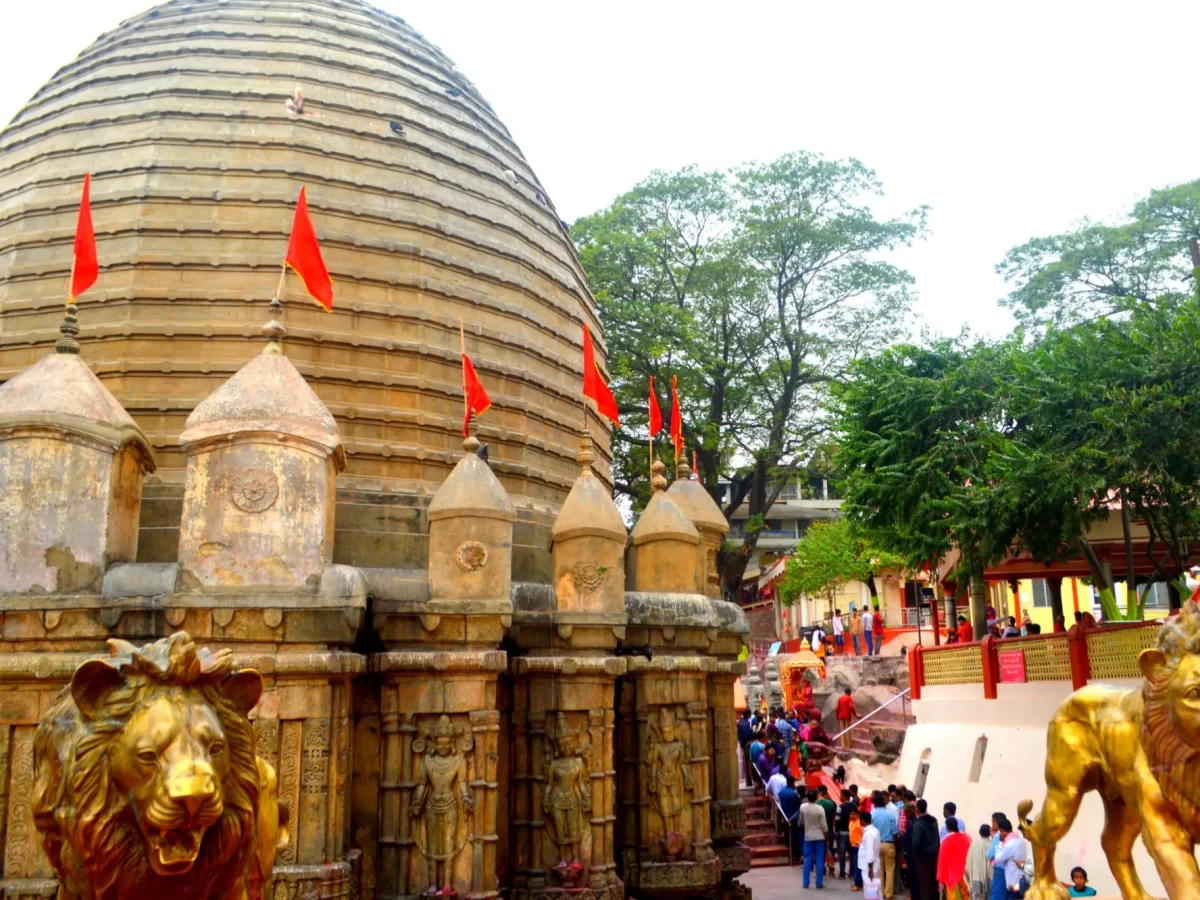
Kamakhya Temple, perched atop the Nilachal Hill in Guwahati, Assam, is one of the most revered Shakti Peethas in India. Believed to be the site where the yoni (womb) of Goddess Sati fell, it is a central pilgrimage destination for devotees of Shaktism and Tantric traditions. The temple’s origins are ancient, with the current structure dating back to the 16th century, built by the Koch dynasty under King Naranarayan.
The temple’s unique architecture features a hemispherical dome resembling a yoni, with intricate terracotta and stone carvings reflecting the rich craftsmanship of the period. Kamakhya Temple is not only a spiritual center but also a hub for Tantric rituals and esoteric practices, attracting scholars and practitioners from across the country.
Major festivals celebrated here include the Ambubachi Mela, which marks the annual menstruation cycle of the goddess, drawing thousands of devotees and tourists alike. Pilgrims visit to seek blessings, participate in sacred rituals, and witness the vibrant ceremonies that blend devotion, mythology, and regional traditions, making Kamakhya Temple a significant spiritual and cultural landmark in Northeast India.
Choosing the right season can completely transform your travel experience, as weather, accessibility, crowd levels, and natural beauty vary significantly throughout the year. The ideal visiting period depends on what you wish to experience — pleasant sightseeing weather, lush landscapes, cultural festivals, or peaceful off-season exploration.
In most Indian destinations, the months between October and March offer the most comfortable climate, with cooler temperatures, clear skies, and excellent conditions for outdoor sightseeing, photography, and local exploration. This period is especially favored by families, senior travelers, and first-time visitors due to minimal heat and smoother travel conditions.
For hill stations and mountain regions, March to June is considered peak season, when melting snow reveals green valleys, blooming flowers, and pleasant daytime temperatures ideal for trekking, cable car rides, scenic drives, and nature walks. Winter months from December to February attract travelers seeking snowfall experiences and cozy mountain stays, though accessibility may depend on road conditions.
Monsoon season from July to September brings fewer crowds and vibrant landscapes, making it perfect for nature lovers, photographers, and travelers looking for quieter experiences. However, heavy rainfall in certain regions may occasionally affect transportation and outdoor plans, so checking local conditions is recommended before travel.
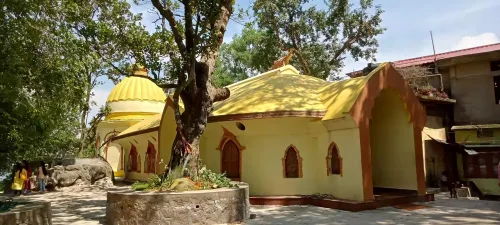 Temple
Bhubaneswari Temple is a Hindu temple dedicated to Goddess Bhubaneswari, located on Nilachal Hills near Guwahati, Assam, India.
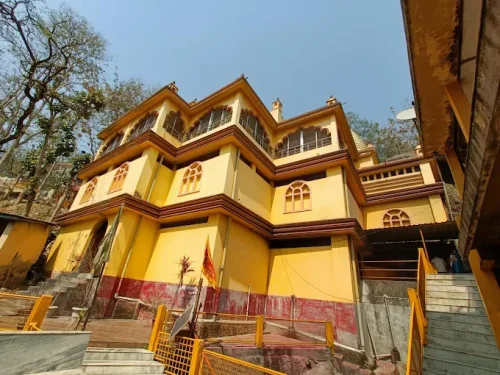 Temple
Maa Bagalamukhi Temple is a Hindu temple dedicated to Goddess Bagalamukhi, located in Guwahati, Assam, India.
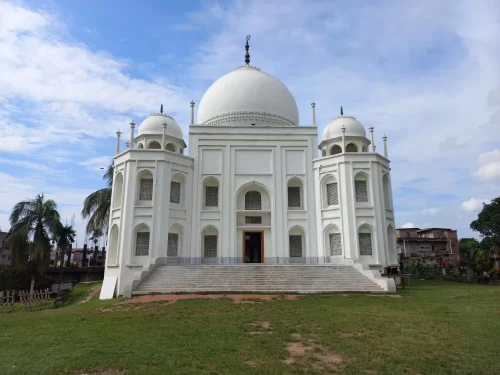 Tourist Attraction
Mini Tajmahal is a Taj Mahal-inspired mausoleum and religious monument located in the Hatigaon–Sijubari area of Guwahati, Assam. It was built as a memorial associated with the Khanka Sharif complex and has become a local landmark.
Get customized Assam tour planning designed around seasonal weather patterns, river conditions, wildlife safari timing, and realistic road travel flow. Whether you are visiting for national parks, tea estate stays, cultural experiences, spiritual sites, o
⚡ Quick Response | 💰 Free consultation | 🕒 24×7 expert support

